





Adding printers doesn’t just add throughput. It adds variability.
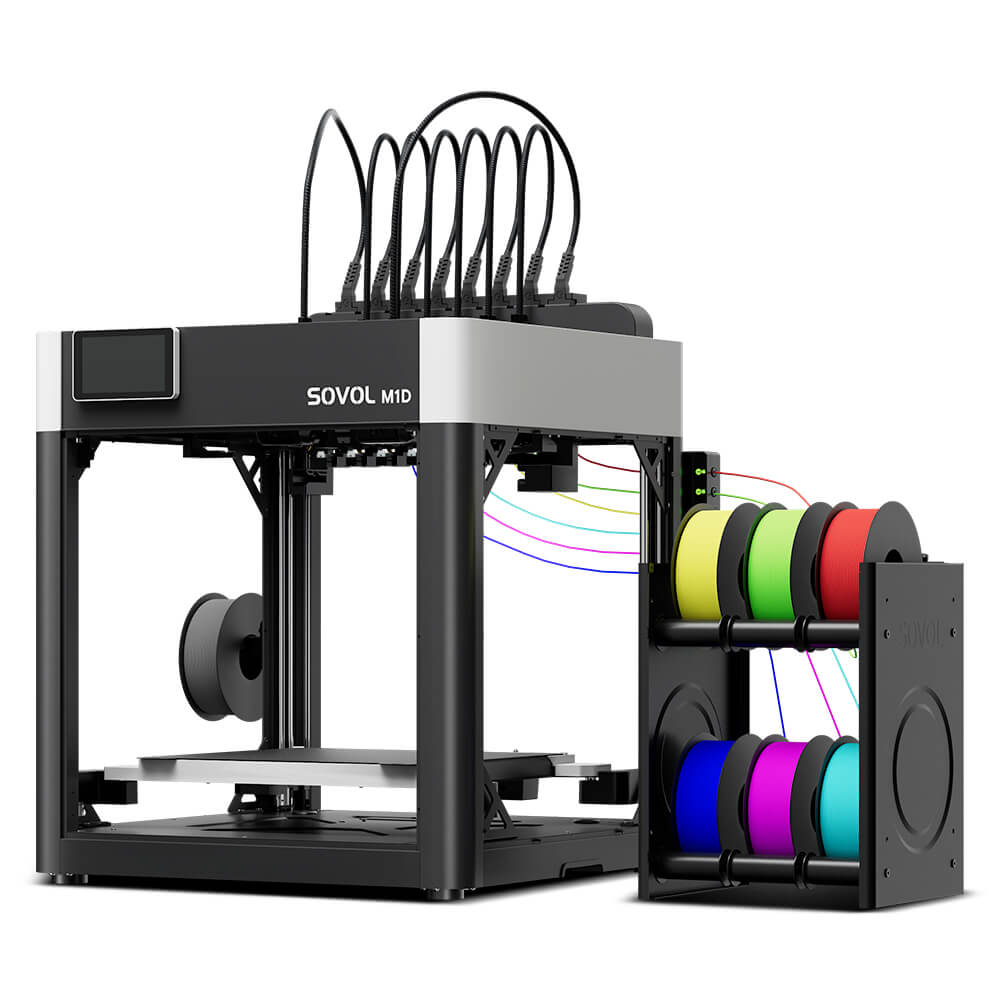
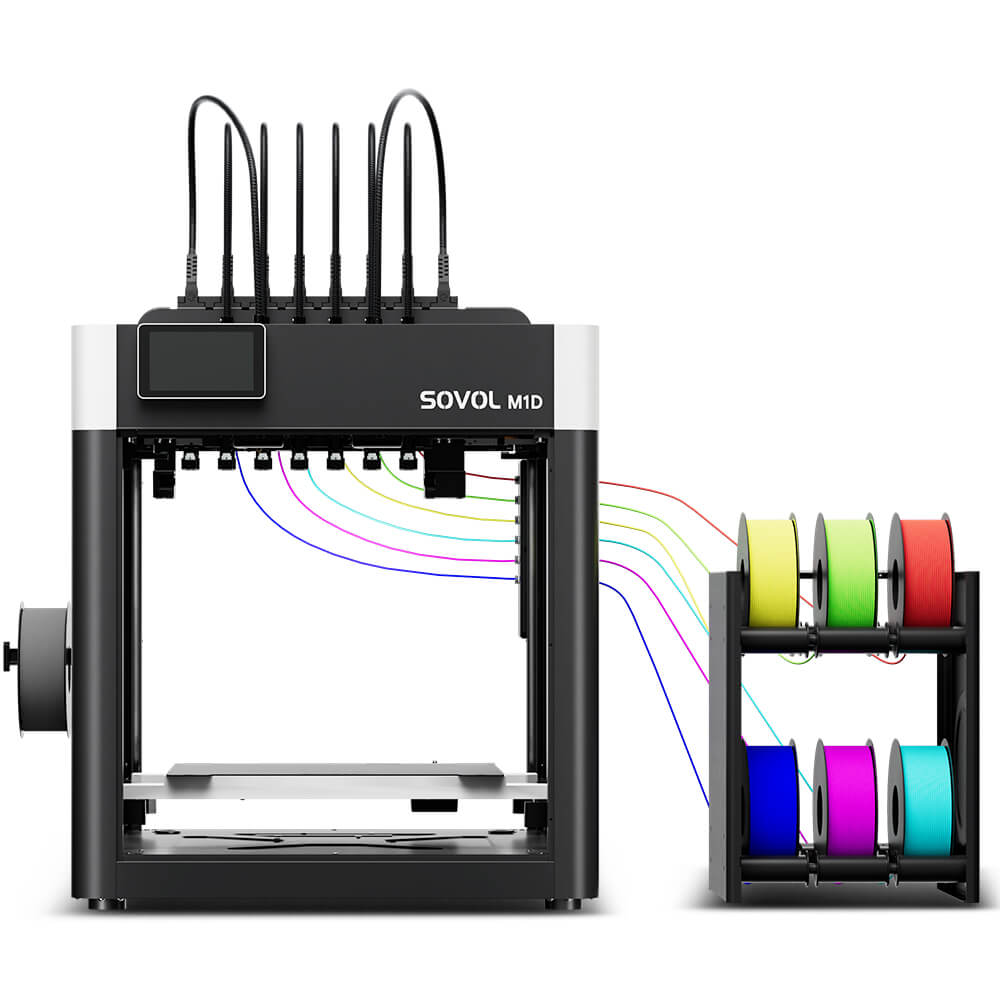
In this article, “swarm” means a multi-printer workflow (a small printer farm) where queueing, monitoring, SOPs, and QC help you produce consistent parts in small batches—without living next to your machines.
What “swarm printing” means for FDM printer farms
A printer farm is simply multiple printers operating as one production system: shared profiles, shared materials, shared standards, and a shared way to decide what runs where.
The jump from 1 printer to 2 printers is mostly convenience. The jump from 3 to 10 printers is operations.
Here’s the mindset shift:
- Single printer: tune until it works.
- Swarm / farm: standardize until it keeps working.
The 5 metrics that keep a printer farm honest
You don’t need complicated dashboards to start. But you do need a few numbers you can measure consistently.
- First-pass yield (FPY): prints that pass QC on the first attempt ÷ total prints.
- Reprint rate: reprints ÷ total jobs.
- Downtime: hours a printer is unavailable due to faults/maintenance.
- Queue time: how long jobs wait before a printer starts.
- WIP creep: how many “almost done” jobs pile up (unfinished post-processing, missing labels, no QC).
Key Takeaway: If you only track one thing, track first-pass yield. High throughput with low FPY is just high-speed waste.
Standardize before you scale
Most “printer farm chaos” comes from invisible differences: one printer has a slightly different Z offset, another uses a different profile revision, a third has a worn nozzle, and nobody remembers which is which.
1) Lock your slicer profiles like you’d lock firmware
Pick a baseline profile per material and nozzle size, then version it.
A simple naming scheme works:
PLA_Profile_0.4_v07PETG_Profile_0.6_v03
Keep a short changelog: what changed, why, and who approved it.
2) Group printers by purpose
Even in a “mixed” farm, you’ll get better repeatability if printers fall into groups:
- Same nozzle size (don’t bounce between 0.4 and 0.6 without intent)
- Same material family (e.g., PLA/PETG machines vs ABS/ASA-in-enclosure machines)
- Same hardware state (fresh nozzle vs unknown)
This makes job routing easier and reduces “mystery failures”.
3) Treat filament as a controlled input
Moisture and inconsistent spools are silent batch killers.
- Store spools sealed; label open date.
- For hygroscopic materials, use a dry box or drying routine.
- Keep “production spools” separate from experimental spools.
3D print farm management: queueing and job routing
A farm that is always printing can still under-deliver if jobs finish at the same time, parts sit on beds, or you get stuck doing emergency fixes.
Batch by constraint
Route jobs based on the constraint that matters most:
- Material (minimize changeovers)
- Risk level (put risky geometries on your most dialled-in printer)
- Post-processing (don’t schedule 20 support-heavy parts back-to-back if you’re the one removing them)
This is where printer farm workflow becomes real: a predictable rule that decides what prints where.
Stagger completion times
Avoid “everything finishes at 6pm” piles. A small offset in start times can save hours of bed-blocking.
Use a farm dashboard if you’re at 4+ printers
If you’re running Klipper/Moonraker or OctoPrint instances, a farm manager helps you see the fleet and push jobs without babysitting each UI.
For an open-source approach, FDM Monster describes itself as a server for managing a 3D printer farm, with support for OctoPrint and Klipper via Moonraker (plus PrusaLink and Bambu LAN mode) in its FDM Monster (open-source print farm server) documentation.
Monitoring and failure detection: print farm automation that buys back time
When you scale beyond one printer, your biggest enemy is attention fragmentation.
A good monitoring setup answers three questions quickly:
- Is it printing?
- Is it printing the right thing?
- Is it failing in a way that wastes filament or risks damage?
Cameras help—but alerts matter more
Cameras are useful for spot checks. Alerts are what reduce babysitting.
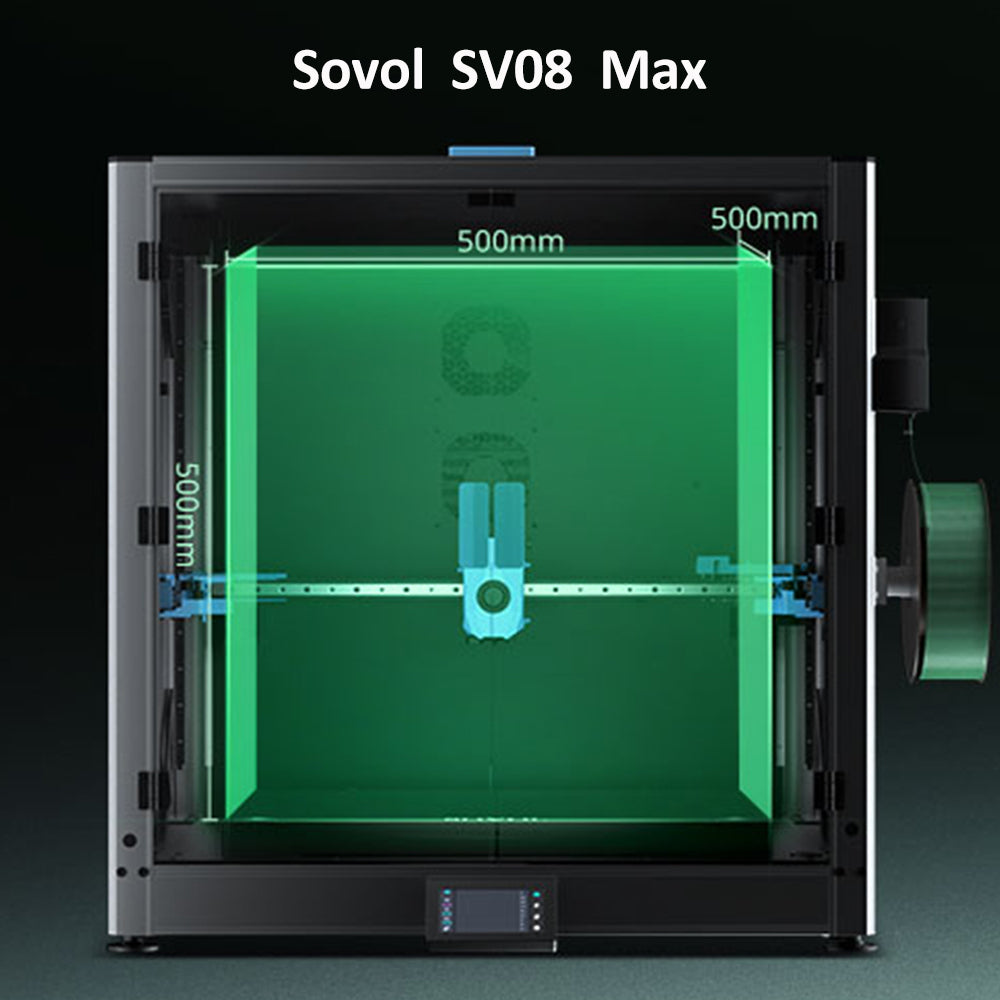
One practical example: SOVOL’s SV08 product page states it has a built-in camera and supports Obico for remote monitoring, and it mentions spaghetti-failure detection with auto-pause.
Use this idea as a principle (not a promise): detect early, stop early, recover fast.
Pro Tip: Write a one-page “failure playbook” for your top 5 failures (first layer lift, spool tangle, partial clog, layer shift, support collapse). The goal is faster resets, not perfect prevention.
QC without killing throughput
QC can be lightweight and effective if you design it around failure modes.
Choose a QC strategy that matches your batch
- Prototype batches (high variety): check every part’s critical dimensions.
- Repeat batches (same part): sample at a fixed interval (e.g., every N parts) and whenever you change a variable (new spool, new nozzle, profile revision).
Use go/no-go checks
Instead of measuring everything, define 2–4 “must pass” checks:
- Does it fit the mating part?
- Are holes clear?
- Are flat faces flat enough?
- Is the surface acceptable for the use case?
If a sampled part fails, you don’t just reprint it—you check whether the failure is systemic (profile drift, filament, nozzle wear).
For a broad catalogue of common failure patterns you can map into your checklist, see All3DP’s 3D printing troubleshooting guide.
Maintenance SOP: your farm runs on preventive work
High throughput accelerates wear. If you don’t schedule maintenance, it will schedule itself—usually mid-batch.
SOVOL recommends keeping a maintenance log and planning routine checks in its guide to managing a 3D printer farm.
Here’s a practical cadence that works for small farms:
Daily (10 minutes per printer)
- Clean the build surface.
- Quick belt/rail glance (obvious slack/dust).
- Confirm Z offset hasn’t drifted.
- Check spool path (no tangles, smooth feed).
Weekly
- Verify first-layer pattern with a known test file.
- Check nozzle condition; do a cold pull if needed.
- Inspect fans and ducts for filament fuzz.
- Review your “failure log” for repeats.
Monthly (or per workload milestone)
- Re-check vibration-related settings if you change hardware.
- Inspect connectors/cables and strain relief.
- Standardize firmware/profile revisions across the fleet.
If your print quality degrades at speed, vibration control is one of the first things to revisit. SOVOL’s explainer on input shaping for vibration reduction is a good starting point.
Space, power, network, and ventilation (UK-friendly reality checks)
A farm is a small factory. Don’t treat it like a desk setup.
A few non-negotiables:
- Plan power draw and avoid overloading circuits; use surge protection and consider UPS where appropriate.
- Prioritize network stability; wired Ethernet is usually more reliable than Wi‑Fi for a fleet.
- Ventilate well—especially if you run materials that smell or need enclosure heat.
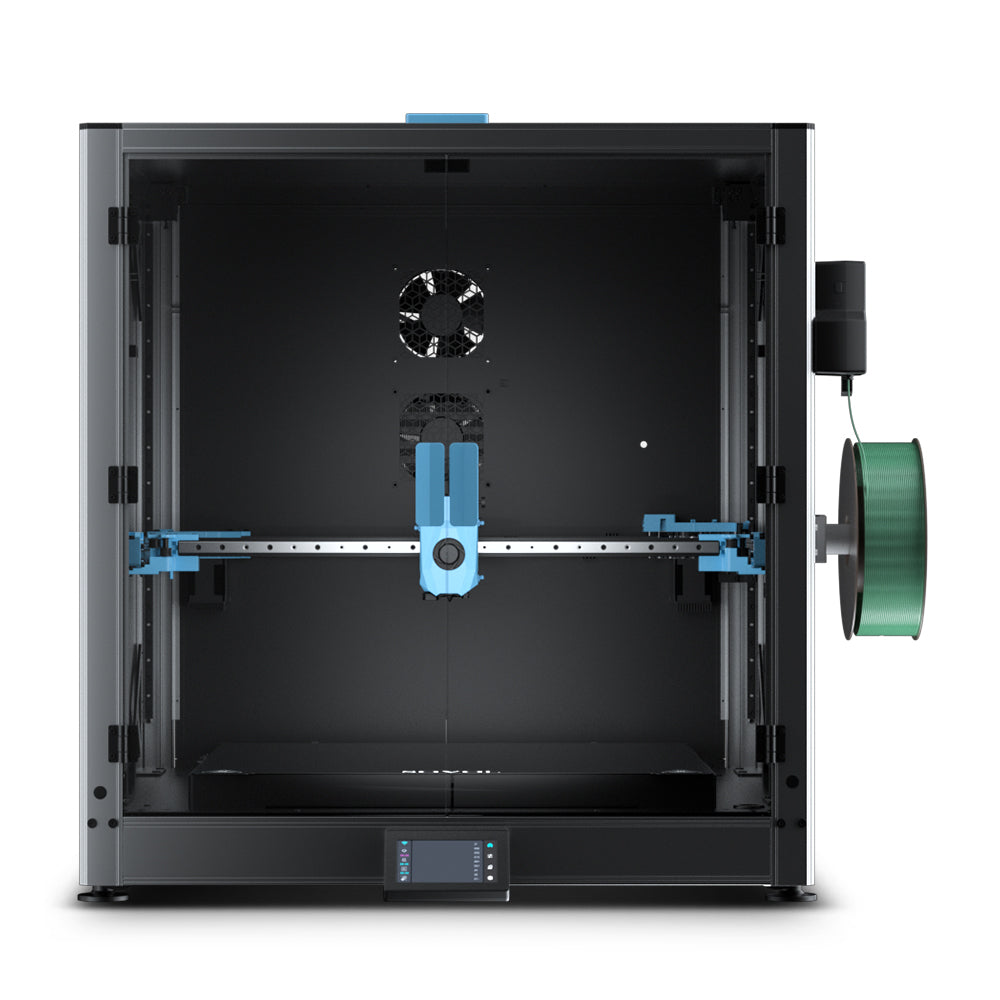
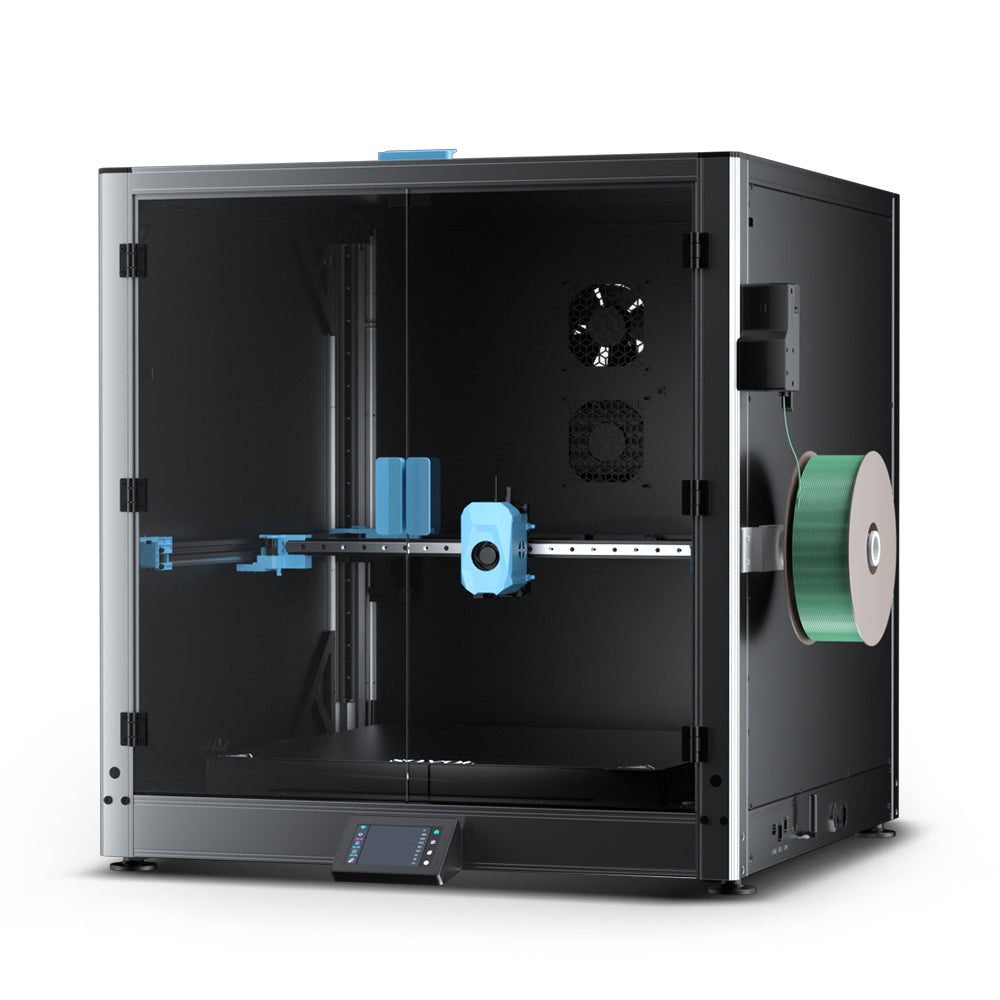
For temperature stability (and often noise control), an enclosure can help; see Sovol printer enclosures for examples of what that category looks like.
⚠️ Warning: If you’re expanding beyond hobby scale, treat electrical load and ventilation as first-class design constraints—not afterthoughts.
A “farm in a weekend” checklist (advanced makers)
Use this as your baseline 3D printing farm setup before you buy the next printer.
- One baseline profile per material, versioned and named
- One “golden” test print file for weekly verification
- Filament storage rules (sealed + labelled)
- Printer naming + label system (Printer-01, Printer-02…)
- A queueing habit (batch by material/risk)
- A failure playbook for top 5 failures
- Maintenance log (even if it’s a spreadsheet)
- Basic spares kit (nozzles, build surface, belts, fans)
- Power and network plan
Key takeaways
- A printer farm scales output only if you standardize inputs (profiles, materials, maintenance) first.
- Track first-pass yield and reprint rate—they tell you if your “throughput” is real.
- 3D print farm management is mostly queueing and constraints: batch by material and risk, and stagger finish times.
- Monitoring + early failure detection saves more time than tuning does.
- Lightweight QC (sampling + go/no-go checks) protects consistency without slowing you down.
Next steps
If you want to go deeper on the facility side (power, network, layout), start with SOVOL’s guide above, then bookmark this article and build your first SOP page.
For firmware and printer resources, keep SOVOL Downloads handy so every machine in the fleet stays aligned.