
ABS filament is a popular plastic for 3D printing, and understanding what is ABS filament can help you make informed choices. It produces prints that are strong and durable, capable of withstanding heat effectively. ABS provides you with flexible and tough parts that do not break easily under stress. Many people prefer ABS because it does not crack upon impact, maintaining its shape and resisting melting from heat or chemicals. However, you may encounter some challenges with ABS filament; prints can warp or appear uneven, and your printer’s nozzle might wear out more quickly. Use this guide to determine if what is ABS filament is suitable for your project.
Key Takeaways
- ABS filament is tough and lasts a long time. It works well for parts that need to handle heat and hits.
- To stop warping, use a heated bed. Make sure there is good airflow when printing with ABS.
- ABS can be used in many ways. People use it for car parts, toys, and electronics.
- You can make ABS prints look better by sanding them. You can also use acetone vapor to smooth them out.
- For easy projects, think about using PLA. PLA is simpler to print and better for the environment.
What is ABS Filament?
ABS Filament Explained
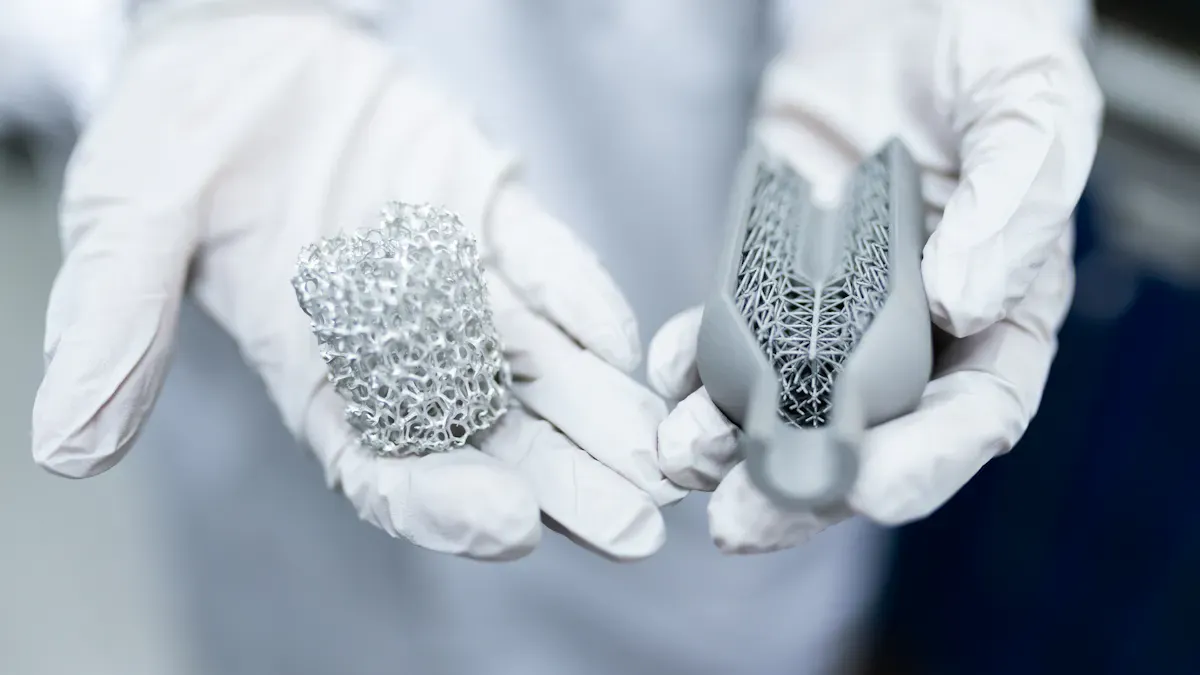
You might ask what is abs filament and why it is important. ABS filament means Acrylonitrile Butadiene Styrene. This material is a kind of plastic you can melt and shape again and again. When you use abs filament, you get plastic that is strong and bends without breaking. It works for many different prints.
ABS filament is made from three chemicals.
- Acrylonitrile makes it strong and keeps it safe from chemicals.
- Butadiene helps it bend and not break.
- Styrene gives it a smooth look and makes it easy to use.
Manufacturers make abs filament by mixing these chemicals together. They use a process called polymerization. This process links the chemicals into long chains. These chains make the filament tough and long-lasting. You can trust abs filament for prints that need to handle heat or pressure.
Tip: To remember what is abs filament made of, think of acrylonitrile, butadiene, and styrene.
Common Uses in 3D Printing
You can use abs filament for many things in different fields. If you wonder what is abs filament used for, it is in both work and fun projects. Here is a table that shows where abs filament is used in 3D printing:
|
Industry |
Applications |
|---|---|
|
Automotive |
Dashboards, bumpers, trusses, buttons, inside car parts |
|
Aerospace |
Parts and pieces for airplanes |
|
Household Appliances |
Appliance parts |
|
Consumer Products |
Toys, sports gear, decorations, covers for electronics |
|
Robotics |
Test parts and real robot parts |
|
Electronics |
Covers and cases for gadgets |
|
Art and Design |
Statues and home decorations |
You can print car parts, robot parts, and toys with abs filament. Many people pick abs filament when they need prints that last and can take heat. If you want to make models or real products, abs filament works well.
When you learn about what is abs filament, you see it has many uses. You can try abs filament for useful or fun projects. This material lets you make prints that are strong, bendy, and look professional.
Properties of ABS Filament
Strength and Durability
You want your 3D prints to be strong and last long. ABS filament is known for being tough and hard to break. It works well for things that need to handle pressure or hits. People use it for tool handles, car parts, and cases that protect things. Here are some numbers to show its strength:
|
Property |
Value |
|---|---|
|
Tensile Strength |
|
|
Impact Resistance |
High |
These numbers mean ABS filament can take a lot of pulling and sudden bumps. Your prints will not break easily. That is why many people use ABS for home and work projects.
Heat Resistance and Flexibility
Sometimes you need prints that do not melt when they get hot. ABS filament can handle heat up to about 105°C. This is much hotter than PLA, which gets soft at around 60°C. Here is a table to compare them:
|
Material |
Glass Transition Temperature (°C) |
Key Characteristics |
|---|---|---|
|
ABS |
~105 |
Good heat resistance, suitable for moderate heat applications |
|
PLA |
~60 |
Biodegradable, lower heat resistance |
|
PETG |
~80 |
Better heat resistance than PLA, flexible |
|
Nylon |
~70 |
Comparable heat resistance to ABS, durable |
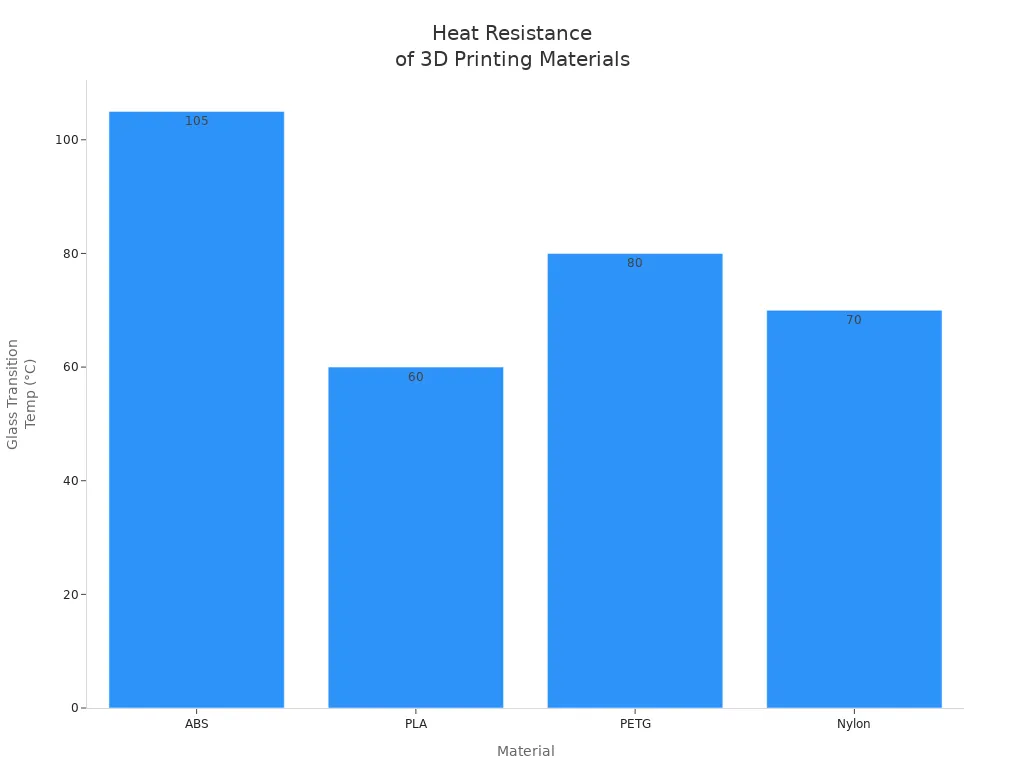
ABS filament is also bendy. You can bend it and it will not snap right away. It can stretch about 20% before breaking. PLA only stretches about 6%. This is good for clips or parts that need to bend a little.
Tip: To stop warping, use a heated bed and keep your printer closed.
Machinability and Electrical Insulation
You might want your prints to look smooth and shiny. ABS filament is easy to sand, polish, or smooth with vapor. This helps your prints look nice and professional. Here are some ways to finish your prints:
|
Post-Processing Method |
Description |
|---|---|
|
Sanding |
Removes layer lines and imperfections. |
|
Polishing |
Gives a glossy finish. |
|
Vapor Smoothing |
Uses acetone vapor for a smooth, shiny surface. |
ABS filament also stops electricity from passing through. You can use it for covers or cases for wires and electronics.
When you look at ABS vs PLA, ABS is stronger, handles heat better, and bends more. It does cost a little more than PLA, but you get better features. Here is a price chart:
|
Material |
Average Price Range (per Kg) |
|---|---|
|
ABS |
$20 - $150 |
|
PLA |
$10 - $100 |
|
PETG |
$30 - $120 |
ABS filament gives you a lot for your money. It is great if you need prints that are tough, heat-proof, and flexible. Think about these things when you pick your material.
Pros and Cons of ABS Filament
Advantages of ABS
ABS is a strong plastic for 3D printing. It does not break easily and can handle rough use. Even if you drop it, ABS keeps its shape. This makes it good for parts that need to last a long time. ABS can also take a lot of heat. It does not melt until the temperature is very high, between 220°C and 250°C. That means you can use it for things that get hot or rub together.
ABS is flexible too. You can bend or twist your prints and they will not snap. The material is tough, so your parts stay safe if they fall. After you print with ABS, you can sand or drill it. This helps you make your prints look smooth and nice. If you want a shiny look, you can use acetone vapor. This makes your print glossy, which is hard to do with other plastics.
Here is a table that lists the main good things about ABS:
|
Advantage |
Description |
|---|---|
|
Toughness |
Lasts longer than PLA and handles impacts well. |
|
Durability |
Ideal for rapid prototyping and testing in tough environments. |
|
Post-processing |
Easy to sand, polish, or smooth with acetone for a professional look. |
|
Heat Resistance |
Withstands higher temperatures than many other 3d printing materials. |
|
Flexibility |
Bends without breaking, making it good for clips and moving parts. |
|
Machinability |
You can drill, cut, or sand abs prints easily. |
|
Electrical Insulation |
Works well for electronic cases and covers. |
ABS flows well when melted. This helps you make detailed and strong prints. People pick ABS for parts that need to work well and last a long time.
Tip: If you want your prints to look shiny, try smoothing them with acetone vapor.
Disadvantages of ABS
ABS has some problems you should know about. One big problem is warping. When ABS cools down, it can shrink and pull away from the printer bed. This can make your print crack or lift up. That makes ABS harder for beginners to use. You need a heated bed and sometimes a closed printer to stop warping.
Another problem is the smell. When you print with ABS, it makes a strong smell called styrene fumes. These fumes can bother your eyes and nose. Some people get dizzy or headaches if the room does not have good airflow. Always print ABS in a room with open windows or a filter.
Here are the main bad things about ABS:
- Prints can warp or crack if you do not control the heat.
- The smell and fumes can make you feel sick or uncomfortable.
- ABS is harder to print than PLA, especially for new users.
- It needs a high melting temperature, so not all printers can use it.
- ABS is not biodegradable, so it is not as good for the environment.
When to Use ABS Filament
Pick ABS when you need parts that are strong and can take heat. It works best for things that need to last and not break. If you are making car parts, tool handles, or cases for electronics, ABS is a smart choice. It is also good for things that might get dropped or bumped.
ABS is great for testing new ideas fast. If you want to see how a part works, ABS gives you good results. Many people use ABS for robots, cars, and home machines because it can handle stress and heat.
Some good times to use ABS are:
- When you need parts that last a long time.
- For things that will get hot.
- For covers or cases for electronics, because it stops electricity.
- When you want your print to look smooth and shiny.
When ABS is Not Recommended
Do not use ABS if you cannot open a window or use a fan. The fumes can make you feel dizzy or sick, especially in small rooms. If you are new to 3D printing, ABS can be tricky. Warping and cracking can mess up your prints if you do not control the heat.
ABS is not good for projects that need to be eco-friendly. It does not break down in nature. If you just want to make simple models or decorations, PLA is easier and safer.
Do not use ABS in these cases:
- If you print in a closed room with no airflow.
- For toys or things for kids, or where safety matters.
- If you want a material that breaks down in nature.
- If your printer cannot get hot enough for ABS.
ABS vs PLA Comparison
Key Differences in Properties
You want to know how abs and PLA compare. Both filaments work well for 3D printing, but they have different strengths. Abs has lower tensile strength than PLA, but it bends more and does not break easily. PLA is stronger when you pull it, but it snaps if you bend it too much. Abs is tough and impact resistant, so your prints can handle drops or bumps. PLA is more brittle and cracks under stress.
Here is a table to help you see the differences:
|
Property |
ABS |
PLA |
|---|---|---|
|
Tensile Strength |
Lower |
Higher |
|
Flexibility |
Higher |
Lower |
|
Impact Resistance |
Higher |
Lower |
|
Durability |
Higher |
Lower |
|
Heat Resistance |
Higher |
Lower |
|
Environmental Impact |
Petroleum-based |
Biodegradable |
Abs is lighter and more durable. PLA is easier to print and gives a smooth finish. Abs can handle heat up to 98°C, while PLA gets soft at lower temperatures.
Tip: If you need parts that bend and last, abs is a better choice.
Best Use Cases for ABS and PLA
You should use abs for parts that need strength and durability. Abs works well for cases, machine parts, robots, and tool covers. You see abs in automotive and computer components because it keeps its shape under stress and heat. Lego bricks use abs, showing how long-lasting it is.
PLA is best for prototypes and artistic projects. You can print models, decorations, and items that do not need to handle heat or stress. PLA is easy to print and gives a nice finish. If you want to make simple models or toys, PLA is a good choice.
Decision Factors for Your Project
You need to think about your project needs before picking abs or PLA. If your part will face heat, stress, or impact, abs is the right filament. Abs is tough and does not break easily. If you want to print in a closed room or care about the environment, PLA is safer. PLA is made from plants and breaks down in nature.
Here are some things to consider:
- Abs is best for industrial parts, covers, and items that need to last.
- PLA is best for simple models, art, and projects where strength is not important.
- Abs gives off fumes and needs good ventilation.
- PLA is safer for indoor printing and is eco-friendly.
ABS Printing Tips
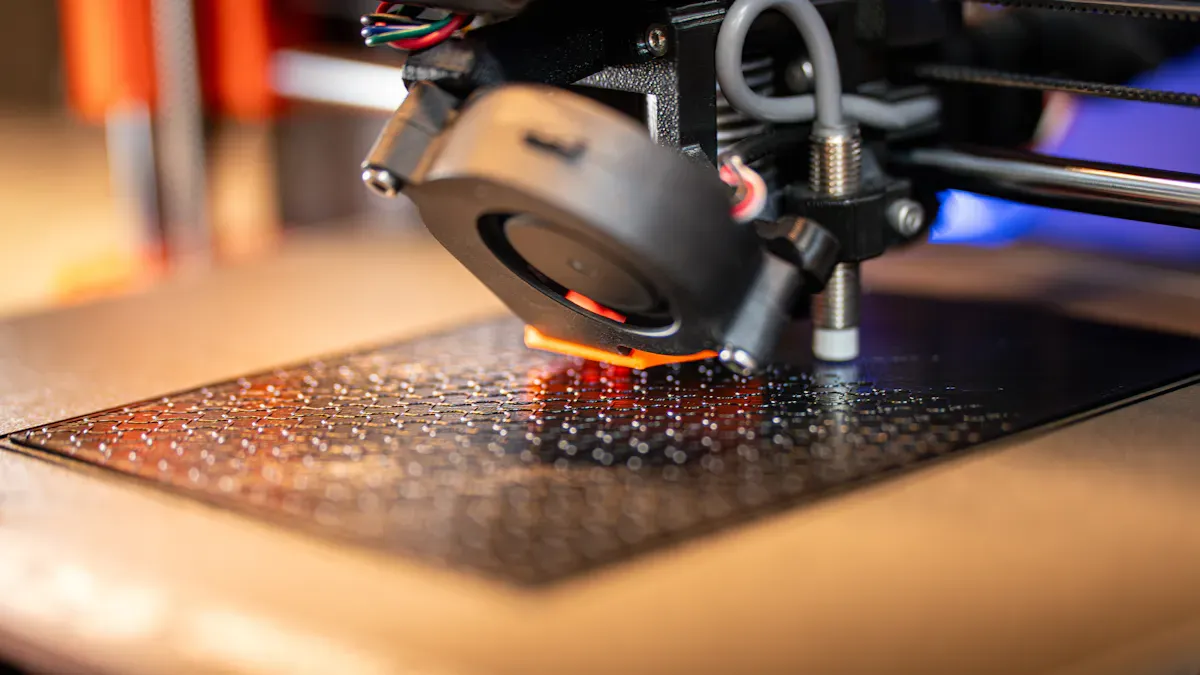
Reducing Warping and Shrinkage
When you print with abs, warping and shrinkage can ruin your project. You can stop these problems by following a few simple steps:
- Use a heated build plate to keep the first layer warm. This helps reduce shrinkage.
- Set your heated bed temperature between 85–110°C for the best results.
- Add a brim or raft in your slicer settings. This increases the contact area and keeps your print stable.
- Slow down the first layer and use a thicker layer height. This gives your print a strong start.
- Avoid using the cooling fan during printing. Rapid cooling can cause abs to warp.
- Try PEI sheets, Kapton tape, or PET sheets instead of bare glass for better grip.
Improving Bed Adhesion
Good bed adhesion is important for successful abs prints. You can improve adhesion by:
- Applying a glue stick, hairspray, or abs juice (abs dissolved in acetone) to the bed.
- Keeping the build surface clean and free of dust or oil.
- Using a heated bed to reduce stress as abs cools.
- Adding a brim or draft shield for tall or tricky parts.
- Testing different surfaces like PEI sheets or Kapton tape to find what works best for your printer.
Ventilation and Safety
Printing abs releases fumes that can smell strong and may bother you. You should always keep your workspace safe:
- Place your printer in an enclosure with a vent or near an open window.
- Use a carbon filter in your air purifier to catch harmful particles.
- Make sure the room has good airflow. Avoid printing in small, closed spaces.
- For the best safety, connect your enclosure to an exhaust fan that sends fumes outside.
Troubleshooting Common ABS Issues
You may face some common problems when printing with abs. Here is a quick guide to help you fix them:
|
Issue |
Cause |
Fixes |
|---|---|---|
|
Warping |
Rapid cooling, uneven temperature |
Use a heated bed and enclosure, add a brim or raft, increase bed temperature. |
|
Layer Splitting |
Temperature drops, poor adhesion |
Raise nozzle temperature, reduce cooling, print in a draft-free space. |
|
Poor Bed Adhesion |
Low bed temp, dirty surface |
Clean the plate, use abs slurry or glue stick, try PEI surface, adjust first layer. |
|
Strong Odor or Fumes |
Styrene release |
Improve ventilation, use a filtered enclosure, avoid small rooms. |
You now know the main good and bad things about ABS filament for 3D printing. ABS makes prints that are strong and can handle heat. These prints last a long time. But you need to watch out for warping and bad smells from fumes. ABS is great for making strong things like tool handles or car parts. If you want something easier to print or better for nature, pick PLA. Always use tips for printing ABS to get the best prints. If you want more info, look up studies about ABS fumes or try new fast ABS filaments.
|
Pros |
Cons |
|---|---|
|
Gives off strong, bad-smelling fumes |
|
|
Good heat resistance |
Can warp if you do not control heat |
|
Easy to smooth and finish |
Does not break down in nature |
FAQ
What are the main ABS filament pros and cons?
You get strong, heat-resistant prints with ABS. It is easy to finish and lasts long. However, ABS can warp, gives off fumes, and is harder to print than PLA. You need good ventilation and a heated bed.
How does ABS vs PLA compare for beginners?
PLA is easier for you to print. It does not warp much and has no strong smell. ABS is tougher and handles heat better, but you need more skill and special equipment. Start with PLA if you are new.
What are the best printing ABS tips for reducing warping?
Use a heated bed set to 100°C. Add a brim or raft for better grip. Keep your printer in an enclosure to stop drafts. Avoid using the cooling fan during printing. Clean your bed before every print.
Is ABS filament safe to use indoors?
ABS releases fumes that can bother your nose and eyes. Always print in a room with good airflow or use an enclosure with a filter. Never print ABS in a small, closed space.
Can you recycle or reuse ABS filament?
You cannot compost ABS, but you can recycle it in some places. Save failed prints and scraps for recycling programs. Some users melt old ABS to make new filament, but you need special tools.