


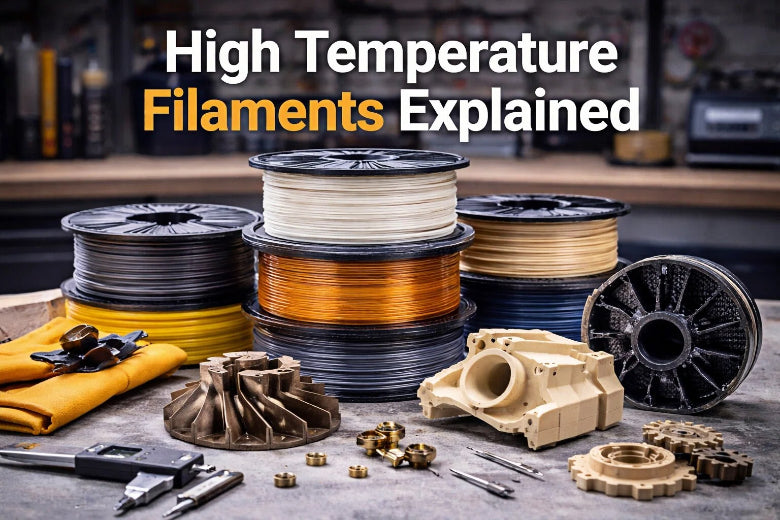
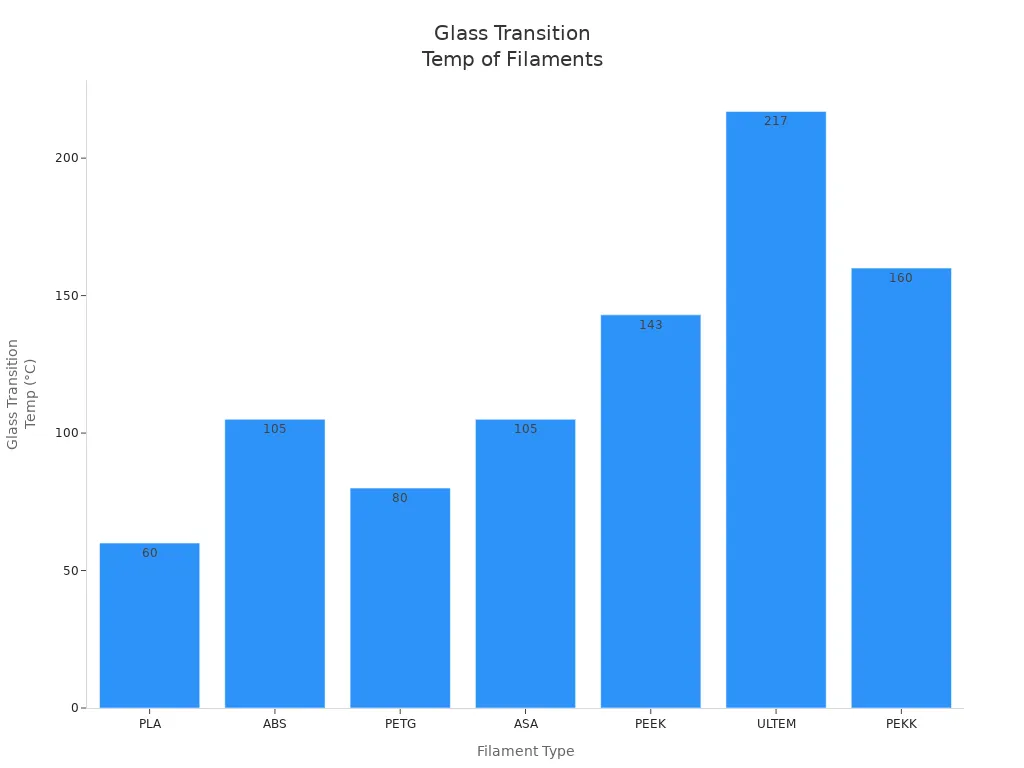
You use high temperature filament in 3D printing when you need parts that can handle very hot temperatures and a lot of pressure. Standard filaments get soft or break down when it gets too hot. High-temp 3D printer filament stays strong and keeps its shape even when it is hotter than 150°C. This happens because the molecules in these filaments are built in a special way. They do not bend or change shape easily. That is why these filaments are great for important jobs in cars, airplanes, and electronics.
Key Takeaways
High temperature filaments stay strong even above 150°C. They keep their shape in hot places. This makes them great for cars, planes, and electronics. - These filaments can handle chemicals and do not bend under pressure. This helps them last long and work well in hard places. - Pick the right filament for your project. ABS and ASA are good for beginners. PEEK and PEI are better for tough jobs that need high heat resistance. - Use a 3D printer with a metal hotend and a heated bed. This helps you print high temperature filaments without warping or clogs. - High temperature filaments help printed parts last longer and work better. This makes them good for factories and outdoor use.
What Are High Temperature Filaments
Key Properties
High temperature filament is a special 3d printing material. It can handle very hot temperatures. You use it when you need parts that do not melt or change shape. These filaments are used in advanced 3D printing. They keep their strength and shape even when it gets hotter than 150°C. The molecules inside are packed in a strong way. This makes the bonds hard to break. High-temperature filaments are part of high-performance thermoplastics. These materials do not get damaged by chemicals. They also stay strong under pressure. People use them for tough jobs in cars, airplanes, and electronics.
Tip: If you want your printed parts to last longer, pick a heat-resistant 3d printing material. Your parts will be stronger and last longer in tough places.
Here are the main properties:
- Stays strong when it gets hot
- Does not get ruined by chemicals or solvents
- Keeps its shape even under stress
- Good for factories and outdoor use
Comparison to Standard 3D Printing Filaments
You may wonder how high-temperature materials are different from regular 3d printing filaments. Standard filaments like PLA, ABS, or PETG get soft when they get hot. They lose their strength and can break or bend. They cannot handle very high heat. High temperature filament stays strong and does not break. You can use it for parts that need to work in hard conditions.
|
Property |
Standard Filaments (PLA, ABS, PETG) |
High-Temperature Filaments |
|---|---|---|
|
Heat Resistance |
Up to 80°C |
|
|
Mechanical Strength |
Moderate |
High |
|
Chemical Resistance |
Low to Moderate |
High |
|
Dimensional Stability |
May warp or deform |
Stays stable |
|
Typical Applications |
Prototyping, hobby projects |
Automotive, aerospace, electronics |
You can see that high-temperature filaments work better for hard jobs. If you need a heat-resistant 3d printing material for machines or factories, pick high-temperature materials. These filaments help you make parts that last longer and work well in hot places.
Types of High-Temperature Filaments
You have many high temperature filament choices. Each one has special features for different uses. Some are good for beginners. Others are high-performance thermoplastics for tough jobs.
ABS and ASA
ABS and ASA are common starter high temperature filaments. ABS can take heat up to 97ºC. ASA can handle up to 98ºC. These are used for parts that need some heat resistance and strength. ABS is used for car parts and tool cases. ASA does not get damaged by sunlight or rain. It is good for outdoor signs and covers.
Tip: Try ABS or ASA if you want easy printing and some heat resistance.
|
Filament |
Maximum Operating Temperature |
|---|---|
|
ABS |
97ºC |
|
ASA |
98ºC |
PETG and Polycarbonate (PC)
PETG is another beginner choice. It can take heat up to 70ºC. PETG is used for parts that need to bend and resist chemicals. Polycarbonate (PC) is much stronger. It can take higher heat. You print PC at 260–310°C. The bed must be heated to 100–120°C. PC is used for safety gear, machine covers, and electric cases.
|
Filament |
Maximum Operating Temperature |
|---|---|
|
PET-G |
70ºC |
|
PC |
High (print temp 260–310°C) |
Nylon
Nylon is a strong material. You print it at 240–270°C. Nylon parts do not wear out fast. They can take hits and keep working. Nylon is used for gears, bushings, and machine parts. It does not melt easily and stays tough.
PEEK and PEI (ULTEM)
PEEK and PEI (Ultem) are advanced high temperature filaments. They can take heat over 250°C all the time. These are used for planes, medical tools, and factory parts. PEEK and PEI do not get ruined by chemicals. They keep their shape even with heavy loads. They are high-performance thermoplastics.
|
Filament |
Maximum Operating Temperature |
|---|---|
|
PEEK |
~250°C+ |
|
PEI (Ultem) |
~250°C+ |
PPSU
PPSU is another strong material. It does not get damaged by heat or chemicals. PPSU is used in medical tools and airplane parts. You need a special printer for PPSU because it melts at very high heat.
Note: You need special printers for PEEK, PEI, and PPSU. These printers have hotends and beds that get very hot.
Pick the right filament if you want strong, heat-resistant parts. ABS, ASA, and PETG are easy to use. PEEK, PEI, and PPSU are best for hard jobs.
Benefits of High Temperature 3D Printing
Strength and Durability
You want your printed parts to last a long time. High temperature filament helps make this happen. These filaments make parts that are strong and tough. You can use them for gears, brackets, or machine covers. The parts do not break or crack easily. They work better in hard jobs. High-temp 3d printer filament lets you print parts that stay strong under stress. You can trust these parts in machines or tools that need to be tough.
Heat and Chemical Resistance
You need parts that can handle heat and chemicals for many projects. High-temperature filaments give you this protection. These materials do not melt or change shape when it gets hot. They also stand up to oils, fuels, and cleaning agents. Look at the table below to see how they compare to regular 3d printing filaments:
|
Property |
Description |
Importance |
|---|---|---|
|
Shows the temperature when a printed part starts to bend under weight. |
Higher HDT means it works better in hot places. |
|
|
Dimensional Stability |
Means a part keeps its size and shape when hot. |
Good stability stops warping or sagging, which is important for working parts. |
|
Layer Adhesion |
Tells how well layers stick together during printing. |
Stronger bonds stop splitting, so the part stays together. |
High-temperature materials give you better flame resistance and can be used for longer in hot places. These features help keep your parts safe in tough spots. You can use them for covers that protect electronics from heat.
Industrial and Outdoor Applications
You can use high temperature 3d printing for many jobs in factories and outside. These filaments work well for cars, planes, and electrical projects. You can print parts that face sunlight, rain, or chemicals. The strength of these heat-resistant materials means your parts last longer outdoors. You can trust them for covers that resist heat and flames, and for other hard jobs. When you need parts that must survive heat, chemicals, or bad weather, high-temperature filaments are the best choice.
Tip: Pick high-temperature materials if you need parts that can handle heat, chemicals, or tough weather.
Applications of High Temperature Filament
Automotive and Aerospace
High temperature filament is used in cars and planes. These filaments help make parts that survive tough places. Airbus prints ducts and panels for their planes using ULTEM 9085. BAE Systems uses ULTEM to make lighter tools instead of heavy metal ones. Boom Supersonic uses these materials for important jet parts. General Motors and Volkswagen use high-temp filament for car parts and factory tools. Ford prints HVAC ducting prototypes to test in real cars. NASA tries these filaments in chambers that copy space conditions. You can trust these materials for jobs in aerospace and defense. They keep working even when it gets very hot.
Note: Engine parts and turbine parts need heat resistance and durability. These 3d printing parts must not break in tough places.
Electronics and Industrial Parts
You need filaments that handle heat and chemicals for electronics and machines. Siemens uses high temperature filament for safe electronics enclosures. These filaments are good for electrical housings, connectors, and machine parts. Standard filaments like PLA or ABS melt at high temperatures. High-performance thermoplastics stay strong and stable above 150°C. You see them in factories, chemical equipment, and oil and gas tools. High temperature 3d printing makes parts that last longer and work safely.
Essential for:
- Car and plane interiors
- Electrical housings
- Industrial machines
Medical and Specialized Uses
High temperature filament is used in medical and special projects. PEEK filament can handle up to 250°C. It resists heat and chemicals, so you can use it for medical implants and tools. These filaments do not react with body fluids or cleaning agents. Hospitals use them for tools that must stay clean and strong. When you need 3d printing for medicine, these materials give safety and reliability.
Tip: Pick high temperature filament for jobs where heat, chemicals, or strength matter most. You get safer parts and better results.
3D Printer Requirements for High-Temperature Filaments

Hotend and Bed Temperatures
You need special parts for high temperature filament. A full metal hotend is important because it does not melt. The hotend must get very hot, at least 350°C to 400°C. This lets you use filaments that need more heat than normal printers give. You also need a heated bed that can reach 230°C. This helps your print stick and stops warping. Bed surfaces like polyimide films or ceramic-coated plates work best for sticking.
- Use an all-metal hotend for high temperature 3d printing.
- Make sure your heated bed can reach up to 230°C.
- Choose a build surface that resists high heat.
Enclosure and Printer Features
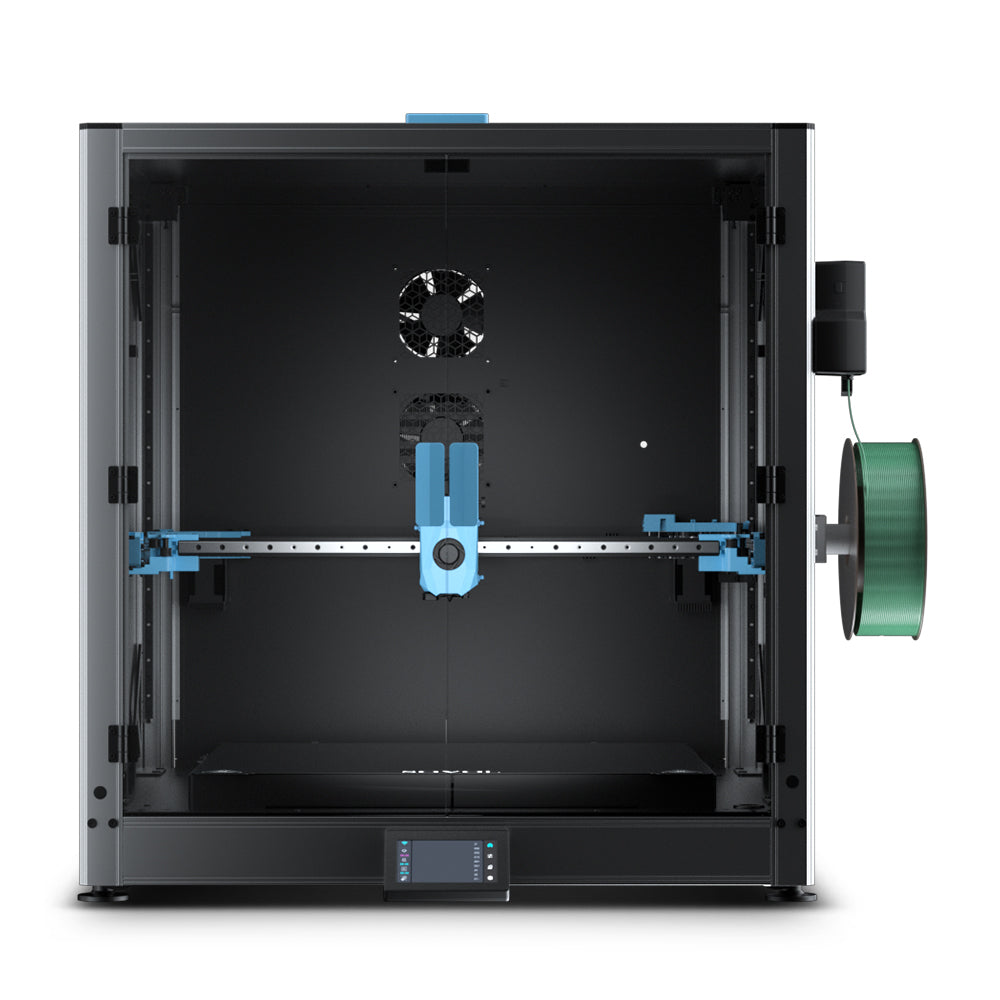
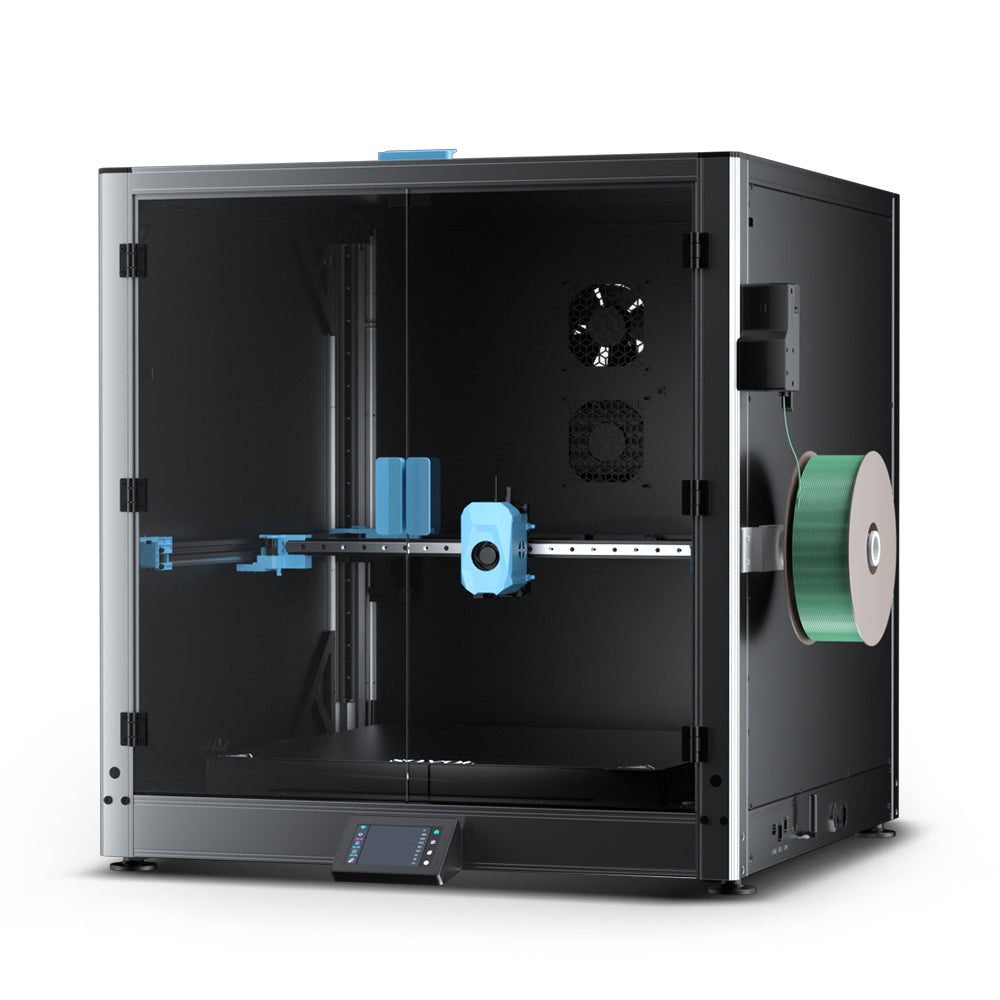
You should use a printer with an enclosure. The enclosure keeps heat in and blocks cold air. This stops warping and layers from coming apart. Heated chambers keep the temperature steady. You also need a thermistor that reads up to 500°C for good control. Cooling fans on motors stop them from getting too hot. Regular build surfaces do not work well for tough jobs. Pick materials that can take high heat for the best results.
- Enclosure keeps heat stable and improves performance.
- Use cooling fans to protect your printer’s motors.
- Upgrade your thermistor for better temperature control.
Tips for Successful Printing
Printing with high temperature filament can be hard. You might see warping, bad sticking, or nozzle clogs. Here are some tips to help you print better:
|
Challenge |
Solution |
|---|---|
|
Warping |
Use an enclosure and increase bed adhesion. |
|
Adhesion Issues |
Secure corners with metal clips and use the right bed surface. |
|
Nozzle Clogging |
Check nozzle temperature and replace the heater if needed. |
- Start with small prints to test your setup.
- Clean your bed before every print.
- Watch your first layer to make sure it sticks well.
- Replace worn parts to keep your printer working at its best.
Tip: Always check your printer’s manual before changing parts for high temperature filament.
You can make your 3D prints better by using high temperature filaments. These materials help you get parts that are strong and can handle heat. They are good for hard jobs because they do not break easily. High temperature filaments stop your prints from warping or coming apart. This means your parts will last longer. Many companies use these filaments for special projects. The parts keep their shape even when things get tough.
|
Advantage |
Benefit for You |
|---|---|
|
Thermal resistance |
Parts work in hot places |
|
Mechanical strength |
Prints hold up heavy things |
|
Chemical stability |
Parts do not get hurt by chemicals |
FAQ
What makes high temperature filament different from regular filament?
High temperature filament is used for parts that need to stay strong in heat. Regular filament melts or bends when it gets hot. High temperature filament works for car, plane, or machine parts that face heat.
Can you use any 3D printer for high temperature filament?
You need a special 3D printer for these materials. The printer must have a hotend that gets to 350°C or more. It also needs a heated bed. An enclosure helps keep the heat inside and stops warping.
Why do parts made with high temperature filament last longer?
Parts printed with these filaments are stronger. They do not melt or break from heat, chemicals, or stress. This makes them good for hard jobs in factories or outside.
What are some common problems when printing with high temperature filament?
You might see warping, bad sticking to the bed, or nozzle clogs. You can fix these by using an enclosure, cleaning the bed, and checking the nozzle heat. Try small prints first to test your setup.
Is high temperature filament safe for food or medical use?
Some high temperature filaments, like PEEK, are safe for medical tools and implants. Always check the safety data from the maker before using them for food or medical things.