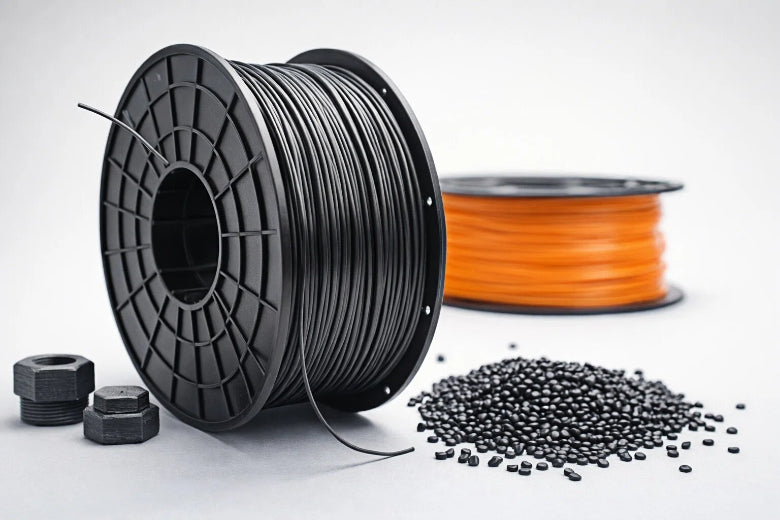
When you ask, what is ABS filament, you learn it is a 3d printing filament. It is made from a strong thermoplastic called Acrylonitrile Butadiene Styrene. Many people pick this material for abs 3d printing. It is because it is very tough, handles heat well, and resists chemicals. You can find abs filament in car parts, working prototypes, and things people use every day. This 3d printing material lets you make strong and dependable items. If you know what abs filament is and what makes it special, you can choose the best material for your next 3d printing project.
Key Takeaways
- ABS filament is very strong and tough. It is great for 3D printing things that need to handle stress and heat.
- Use ABS when you need items that are hard to break. It works well for tool handles, car parts, and cases for electronics.
- To stop warping while printing, use a heated bed. You can also use an enclosure to keep the temperature steady.
- After printing, you can make ABS smoother by sanding it. You can also use acetone vapor to make the surface look better.
- Make sure the room has good airflow when printing with ABS. Open windows or use fans to keep away bad fumes.
What is ABS filament
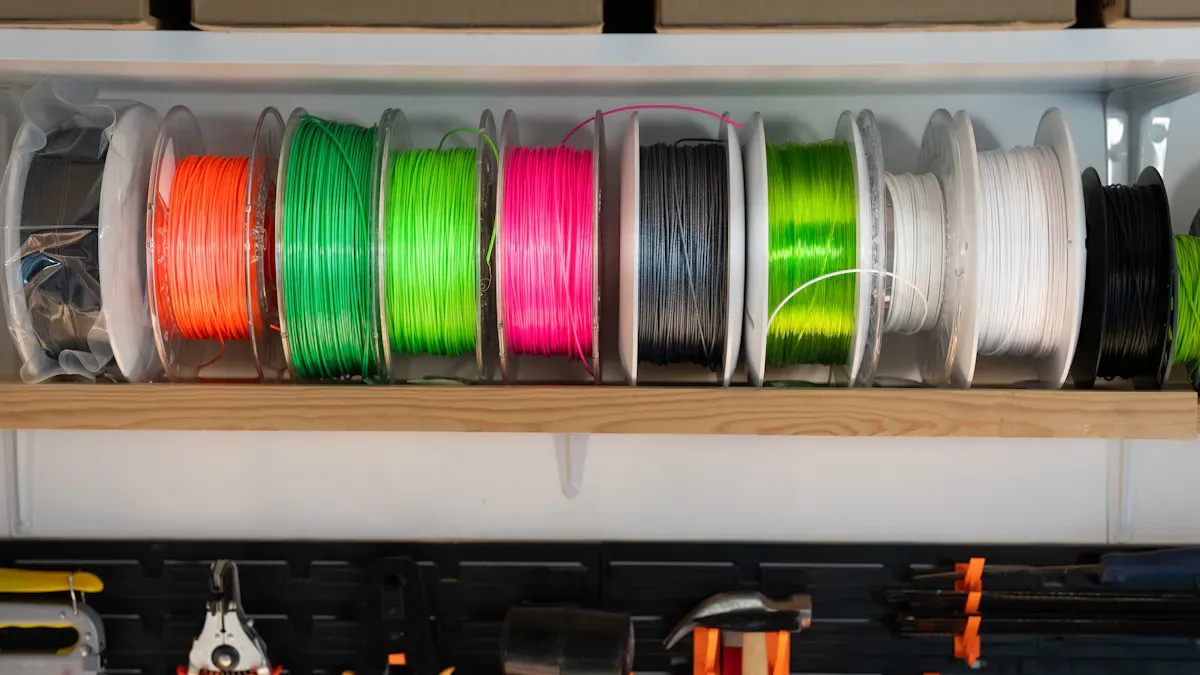
ABS filament definition
You might wonder what abs filament is. It is a 3d printing filament made from a thermoplastic polymer called Acrylonitrile Butadiene Styrene. This material is made by mixing three chemicals: acrylonitrile, butadiene, and styrene. Each chemical gives the filament special features. Acrylonitrile helps the filament stand up to chemicals and heat. Butadiene makes the filament strong and helps it handle bumps. Styrene makes the filament stiff and easy to shape. You can see what each part does in the table below:
|
Monomer |
Role in ABS Filament |
|---|---|
|
Acrylonitrile |
Contributes chemical resistance and thermal stability. |
|
Butadiene |
Imparts toughness and impact resistance. |
|
Styrene |
Provides rigidity and improved processability. |
ABS filament is a popular 3d printing filament because it is strong and lasts a long time. You can use it to make parts that need to be tough and not break easily. Many people pick abs 3d printing for projects that need sturdy and reliable items. The thermoplastic polymer melts when it gets hot and hardens when it cools down. This lets you shape the material into many things with a 3d printer.
How ABS is made
You might ask how companies make abs filament. They start with three main chemicals: acrylonitrile, butadiene, and styrene. They mix these together to make a thermoplastic polymer. This process creates long chains that give the material its strength and bendiness.
After making the polymer, companies use different ways to shape it. The most common way for 3d printing filament is called extrusion. They melt the polymer and push it through a small hole to make a thin string. This string cools down and becomes the filament you use in your 3d printer.
ABS can also be shaped using other factory methods. You can see these ways in the table below:
|
Process |
Description |
|---|---|
|
3D Printing |
Utilizes layers of ABS filament to build products, ideal for complex shapes and prototypes. |
|
CNC Machining |
Employs computer-controlled tools to cut ABS into specific shapes, effective for small custom pieces. |
|
Injection Molding |
Involves injecting melted ABS into molds, best for producing large quantities with uniformity. |
You use 3d printing filament to make detailed and custom parts. CNC machining is good for small, special items. Injection molding is best for making lots of the same thing fast.
Why ABS is used in 3D printing
You might pick abs filament for 3d printing because it has many good points. The material can handle high heat. It does not melt or change shape when it gets hot. This is good for parts that need to stay strong in heat, like car parts or tool covers.
ABS filament is tough and does not break easily if dropped or hit. The filament melts smoothly, so you can print objects with nice details.
Here are some reasons why abs 3d printing is popular:
- ABS filament can handle high heat, so you can use it for parts that get hot.
- The material is very tough, so your printed items do not break easily.
- ABS melts well, so you can print tricky shapes.
- Your parts last longer because ABS resists wear and strain.
- Compared to other filaments like PLA, ABS is stiffer and works better in high heat.
- Its strength and heat resistance make it good for outdoor things, like covers and custom pipes.
- You can use ABS for working parts like tool handles and car trim.
- LEGO bricks are made from ABS, which shows how strong and reliable it is.
You can use abs filament for many things. Some common uses are:
- Tool covers
- Printer parts
- Enclosures
- Brackets
- Car parts
- Prototyping
- Finished items like toy blocks
- Electrical part covers
- Housings
- Mounts
- Protective covers
- Custom phone holders
- Appliance covers
- VR headset parts
- Working parts
- Custom designs
- Sculptures
- Home decorations
ABS filament lets you design and make many things. You can create test models, custom parts, and finished products. The material works well for both home and factory 3d printing projects.
Tip: If you want to print parts that are strong and can handle heat, abs filament is a smart pick. You can trust its toughness and strength for many uses.
Now you know what abs filament is, how it is made, and why it is used in 3d printing. This helps you choose the right material for your next project.
ABS filament properties
Strength and toughness
When you pick ABS filament, you get a strong and tough material. Your printed parts can handle stress and pressure without breaking. The table below shows how strong ABS is:
|
Property |
Value (typical) |
|---|---|
|
Tensile strength |
|
|
Impact strength (Izod) |
20–50 kJ/m² |
ABS is known for its good mechanical properties. It is tougher than PLA. This makes it great for parts that need to last. You can use ABS for things like tool handles or brackets. ABS keeps its strength even if you drop or hit it.
|
Material |
Toughness |
Impact Resistance |
Heat Resistance |
|---|---|---|---|
|
ABS |
Good |
Superior |
|
|
PLA |
Moderate |
Low |
Low |
|
PETG |
High |
Good |
Moderate |
Heat resistance
ABS filament can handle high heat. It keeps its shape up to 100°C. This means you can use it for parts that get warm. This is important for parts that need to stay strong in heat. ABS has a glass transition temperature of about 105°C. It does not bend out of shape easily. This helps your projects last longer.
|
Material |
Heat Resistance |
Shape Retention |
|---|---|---|
|
ABS |
Up to 100°C |
Maintains shape |
|
PLA |
Lower than ABS |
Deforms at lower temperatures |
Flexibility and impact resistance
ABS filament is more flexible than PLA. It can stretch about 20% before breaking. PLA only stretches about 6%. You can see this in the chart below:
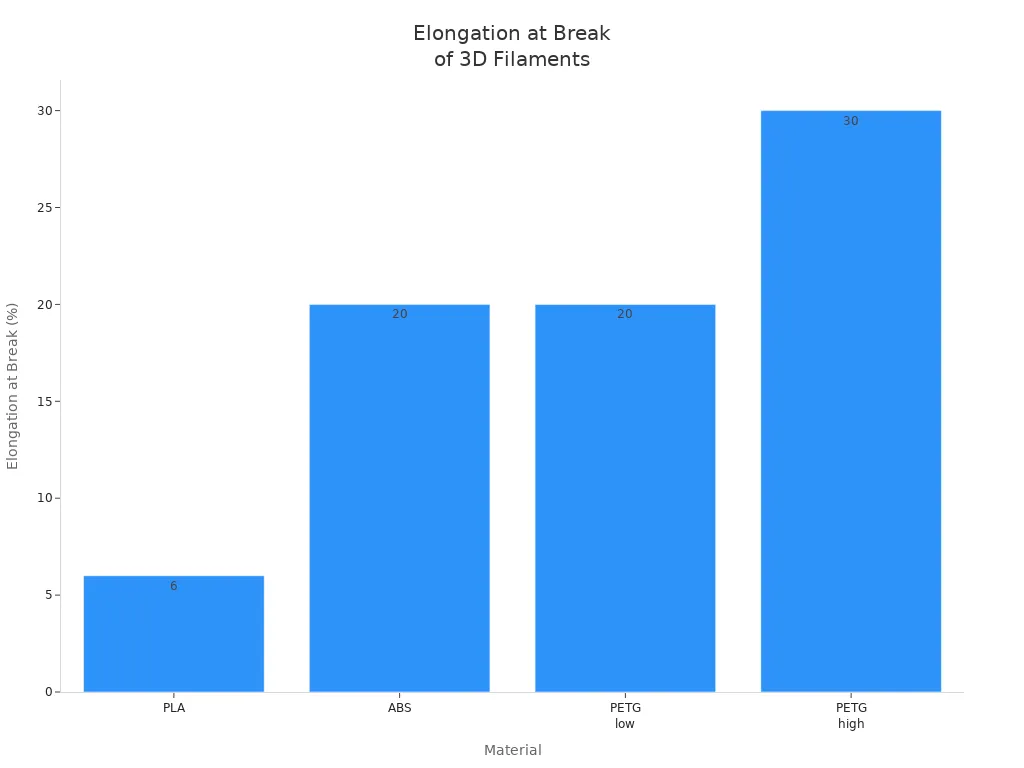
This flexibility gives ABS good impact resistance. Your parts will not crack easily if dropped. ABS is less brittle than PLA. It lasts longer when used a lot.
Tip: If you want parts that are strong and last, ABS is a smart pick.
Electrical insulation
You can use ABS filament for parts that need electrical insulation. This material does not let electricity pass through. It is safe for covers, housings, and mounts in electronic projects.
Surface finish
ABS filament gives a smooth surface finish. You can sand or polish your prints to make them look better. You can also use vapor smoothing for a shinier surface. PLA and PETG do not work as well with these methods. ABS lets you make detailed, strong parts with a nice finish.
|
Filament |
Surface Finish Characteristics |
|---|---|
|
ABS |
Can be enhanced with sanding and vapor smoothing |
|
PLA |
Sharp edges, fine details, less suitable for smoothing |
|
PETG |
Good adhesion, harder to smooth |
ABS filament gives you strength, resistance, and durability. You can trust its properties for many uses, from tough parts to detailed models.
Common uses of ABS filament
Prototyping and engineering
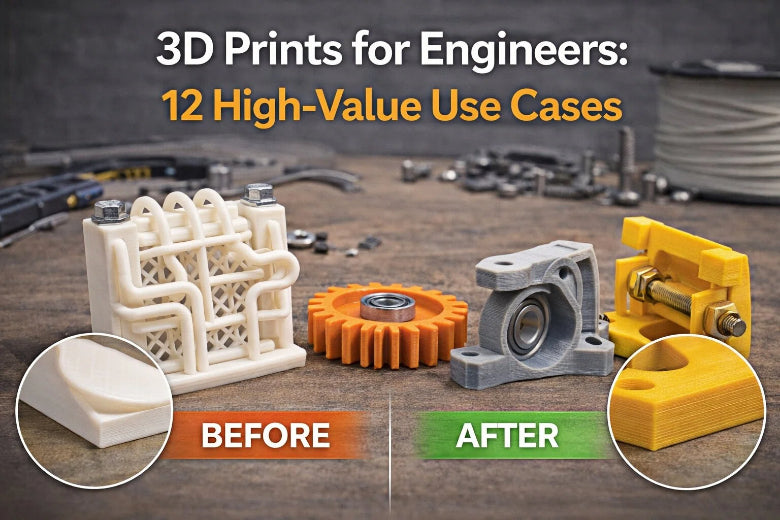
ABS filament is used for many engineering and prototyping jobs. When you make a new product, you need to test it first. ABS filament lets you print strong and detailed models. You can make moving parts, gears, or pieces that snap together. These models help you see if your design works well. Many engineers like ABS because it is tough and handles heat. You can also use ABS to make custom tools and jigs in your workshop. People use ABS for both small and big projects.
Tip: If you want to test ideas fast, ABS filament gives good results.
Consumer and industrial products
ABS filament is found in many things you use every day. It is used for making cases for electronics and phone holders. You can also find ABS in covers for appliances and VR headset parts. Many companies use ABS for TV backs, monitor frames, laptop cases, and router shells. These parts need to be strong and look nice. ABS filament helps you make shapes that are tricky and smooth. You can also use it for suitcases, luggage, and toys like LEGO blocks. These uses are common because ABS parts last long and do not break easily.
- Electronic enclosures
- Appliance covers
- Protective gear (helmets, knee pads)
- Toys and blocks
- Kitchen appliances
You can count on ABS filament for home and factory uses. It lets you make many different things.
Automotive applications
ABS filament is important in the car industry. You can use it for inside car parts, dashboard panels, and trim. These parts need to be strong, handle heat, and look good. ABS works well for mirror covers and outside car parts. It stays strong even when the weather changes. Many car makers pick ABS because it does not get damaged by sun or heat.
Here is a table that shows some car uses and their benefits:
|
Application Type |
Benefits |
|---|---|
|
Interior Components |
Good strength, heat resistance, and visual finish. Ideal for non-structural abs parts. |
|
Dashboard Panels and Clusters |
Medium-flow ABS gives accuracy and UV resistance. |
|
Interior Trim Components |
Low-VOC, high-heat ABS works for pillar covers and vent grilles. |
|
Exterior Parts (e.g., mirrors) |
Weather-resistant ABS keeps gloss and toughness in changing temperatures. |
You can see why ABS filament is picked for many car parts. It helps you make safe, strong, and nice-looking pieces.
ABS filament pros and cons
Advantages
ABS filament gives you lots of good things for 3D printing. It is strong, so your parts can hold heavy things. The material does not get damaged by heat or chemicals. You can use it for things that need to last in hard places. ABS is flexible, so you can bend parts without them snapping. You can sand and polish your prints to make them smooth. ABS filament is great for making models with small details and strong test pieces.
Here are some advantages of ABS filament:
- High strength for durable parts
- Good resistance to heat and chemicals
- Flexible and tough, so parts do not crack easily
- Smooth surface finish after sanding or polishing
- Suitable for engineering and automotive uses
- Lasts longer than many other filaments
Note: If you want parts that need to handle stress and heat, ABS filament is a smart choice.
Disadvantages
ABS filament has some problems you should know about. Warping happens a lot. When the material cools, it shrinks and can twist out of shape. You might see cracks or rough spots. Getting your print to stick can be hard. You may need to use a heated bed or glue to keep your print flat.
Printing with ABS makes toxic fumes and bad smells. These fumes have VOCs and tiny particles. You need to open windows or use fans to stay safe. If ABS gets too hot, it can turn into dangerous stuff.
Here is a table showing the main disadvantages:
|
Disadvantage |
Description |
|---|---|
|
Toxic Fumes |
Releases smelly and harmful VOCs during printing. |
|
Warping |
Prone to warping due to uneven cooling and shrinkage. |
|
Adhesion Issues |
Needs extra steps for proper adhesion, unlike PLA. |
You might also have these problems:
- Warping can make your prints less accurate.
- Adhesion problems make printing harder for new users.
- ABS gives off more harmful fumes than other filaments.
- At high heat, ABS breaks down into unsafe chemicals.
Tip: Always print ABS in a room with good airflow and use a cover to help stop warping.
ABS vs PLA and PETG
ABS vs PLA
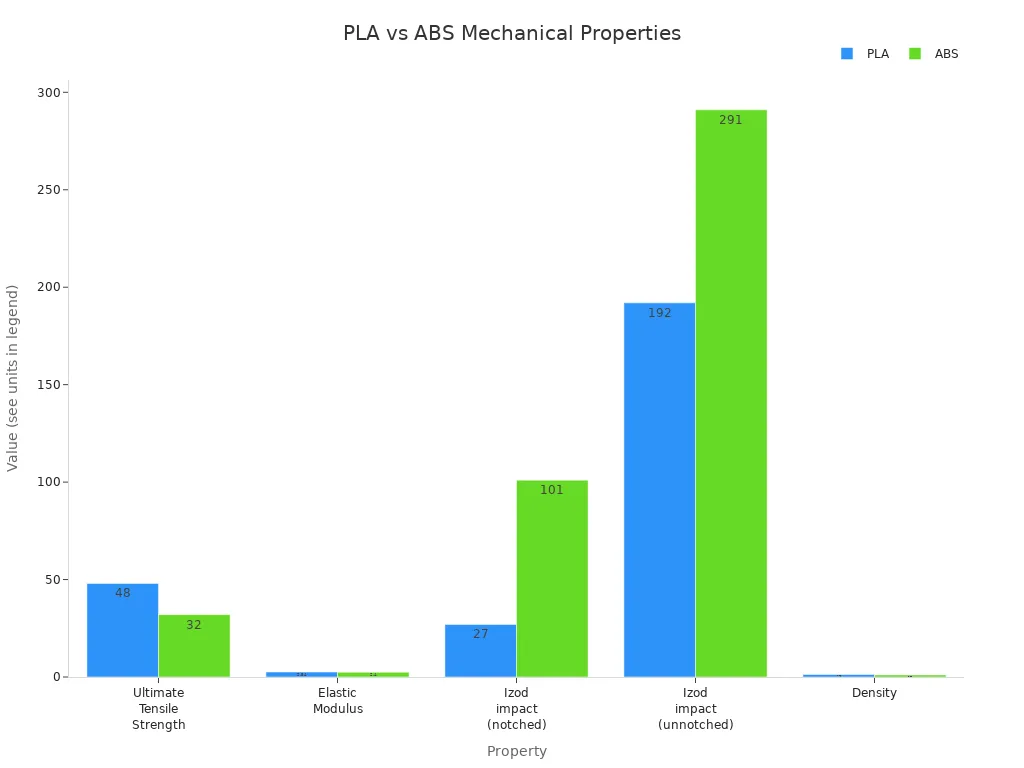
When you look at ABS filament and PLA, you see they are different. PLA is stronger when you pull on it. It can hold more weight before it breaks. ABS filament is tougher and does not break as easily if you drop it. PLA parts might crack if they fall. ABS parts can handle bumps and drops better.
Here is a table that shows how ABS and PLA are different:
|
Property |
PLA |
ABS |
|---|---|---|
|
Ultimate Tensile Strength (XZ orientation) |
48 MPa |
32 MPa |
|
Elastic Modulus |
2.54 GPa |
2.40 GPa |
|
Izod impact (notched) |
27 J/m |
101 J/m |
|
Izod impact (unnotched) |
192 J/m |
291 J/m |
|
Density |
1.26 g/cc |
1.05 g/cc |
PLA is easier to print with. It does not twist or lift off the bed much. ABS filament needs a heated bed to print well. It can twist if it cools too fast. You need to open windows or use fans when printing ABS. This is because ABS makes fumes.
Tip: Use PLA for simple prints with lots of detail. Pick ABS filament if you need strong parts that can take heat.
ABS vs PETG
ABS filament and PETG are both strong and last a long time. PETG is stronger when you pull on it. It also sticks together well between layers. ABS filament is better if you want parts that bend and do not break. PETG prints at hotter temperatures and does not twist as much as ABS.
|
Property |
ABS |
PETG |
|---|---|---|
|
Environmental Impact |
Higher environmental footprint, non-biodegradable, limited recycling potential |
More sustainable, easier to recycle |
|
Strength |
High impact resistance, lower tensile strength than PLA, greater elongation at break |
High tensile strength, durability, superior layer adhesion |
|
Printing Temperature |
Typically prints at lower temperatures |
Prints at 220°C to 260°C, strong layer adhesion, minimal warping |
PETG is easier to print than ABS filament. It does not make strong smells. You can use PETG for many things. ABS filament is better for parts that need to handle heat and bumps.
Choosing the right filament
Think about what your project needs before you pick a filament. Here is a table to help you choose:
|
Filament Type |
Strength and Durability |
Print Quality and Ease of Use |
Functional Requirements |
|---|---|---|---|
|
PLA |
Lower durability, high tensile strength but brittle |
Easy to print, minimal warping, high detail |
Not ideal for high impact resistance |
|
ABS |
High impact resistance, lower tensile strength |
More challenging to print, prone to warping |
Suitable for strong and resilient parts |
|
PETG |
High tensile strength, good durability and impact resistance |
Good balance of quality and ease of use |
Versatile for various applications |
If you want easy printing and sharp details, use PLA. If you need tough parts that can take heat and bumps, use ABS filament. PETG gives you both strength and good prints. Always think about ABS filament properties and ABS filament uses before you choose.
Note: Pick the filament that fits your project best. This helps you get good results from your 3D printer.
Printing ABS filament: Tips and requirements
Temperature and settings
You must use the right temperatures for ABS 3d printing. Most brands say to set the nozzle between 220 °C and 250 °C. Some brands, like Overture, want 245–265 °C. Ultimaker says 225–260 °C for its ABS filament. Always check your filament label for the best settings. Set your heated bed to 100–110 °C. This helps stop warping and makes the print stick better. Keep your print speed not too fast. Slower speeds help layers stick and lower mistakes.
Tip: Begin with the lowest temperature in the range. Raise the temperature if layers do not stick or prints are weak.
Enclosure and ventilation
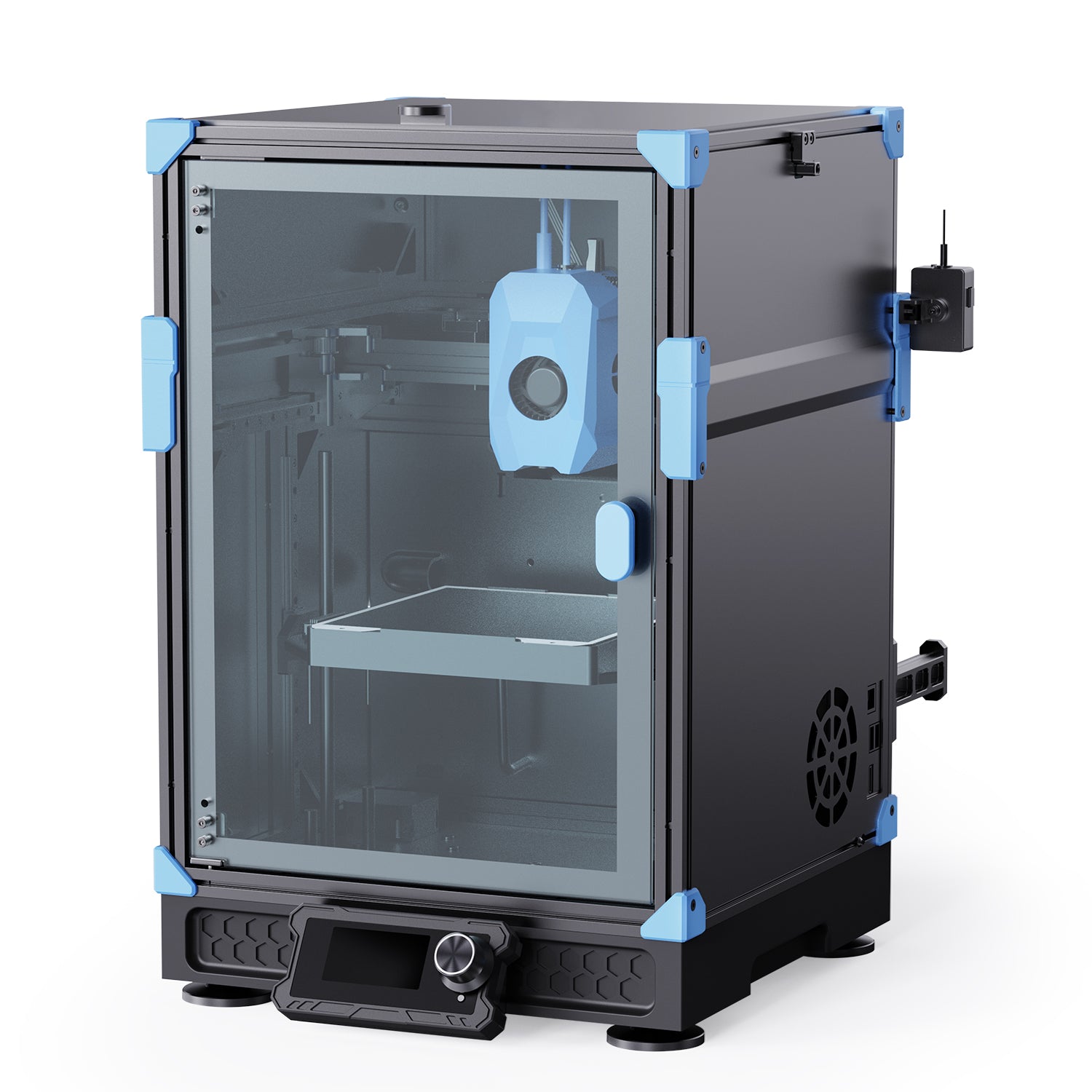
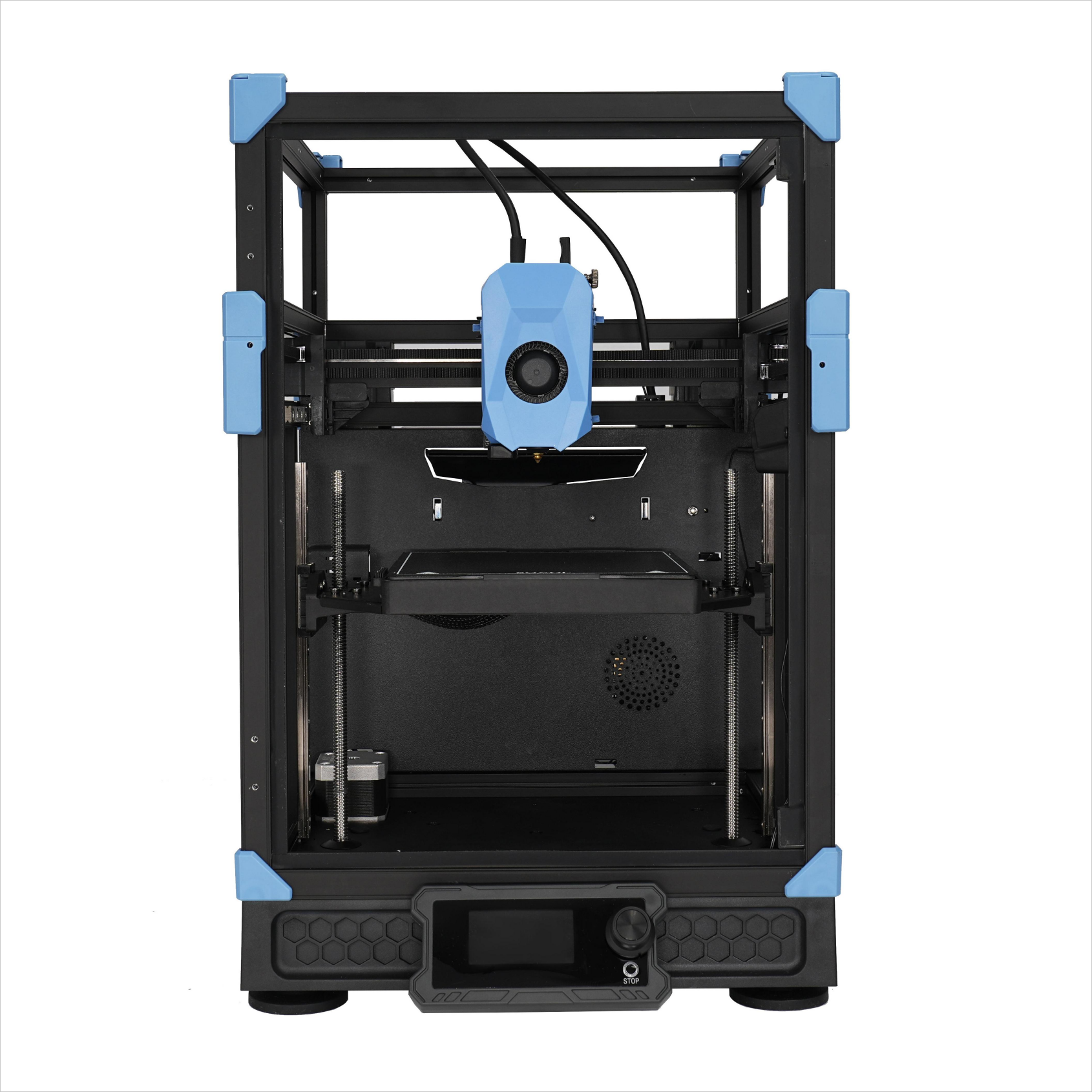
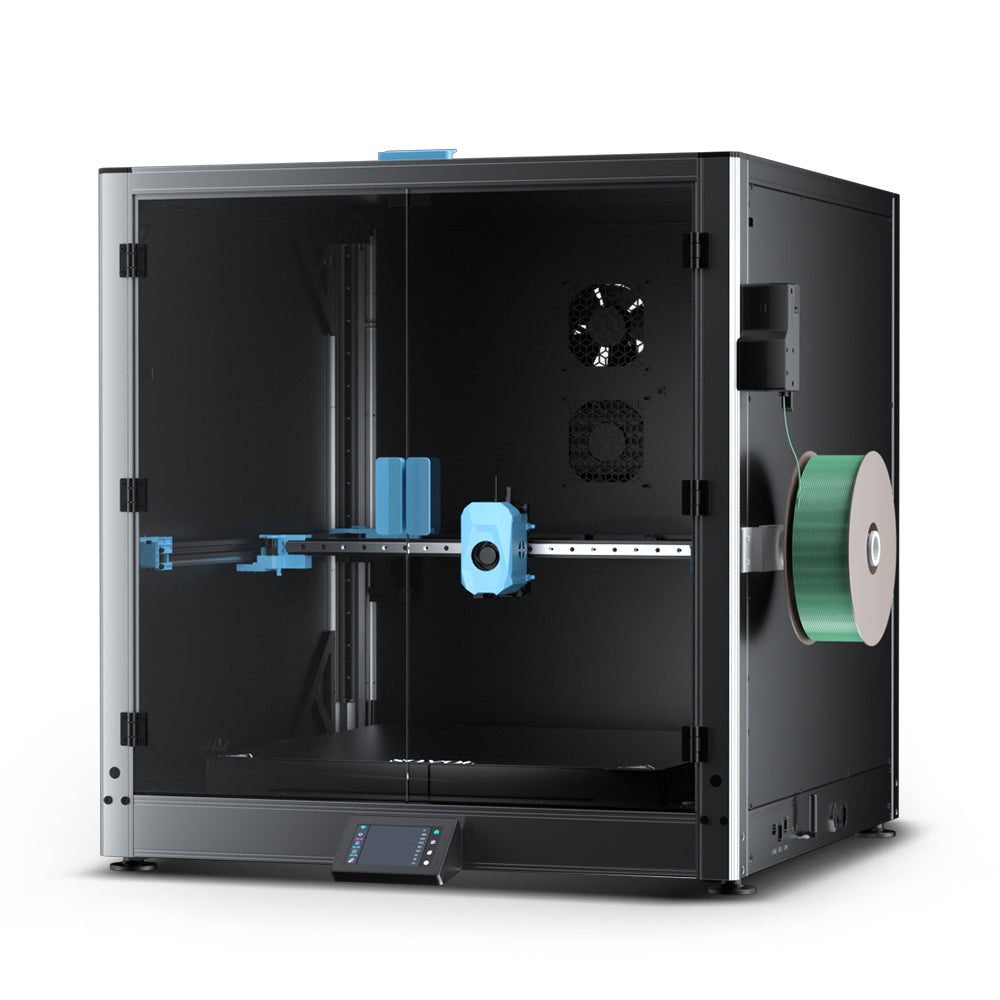
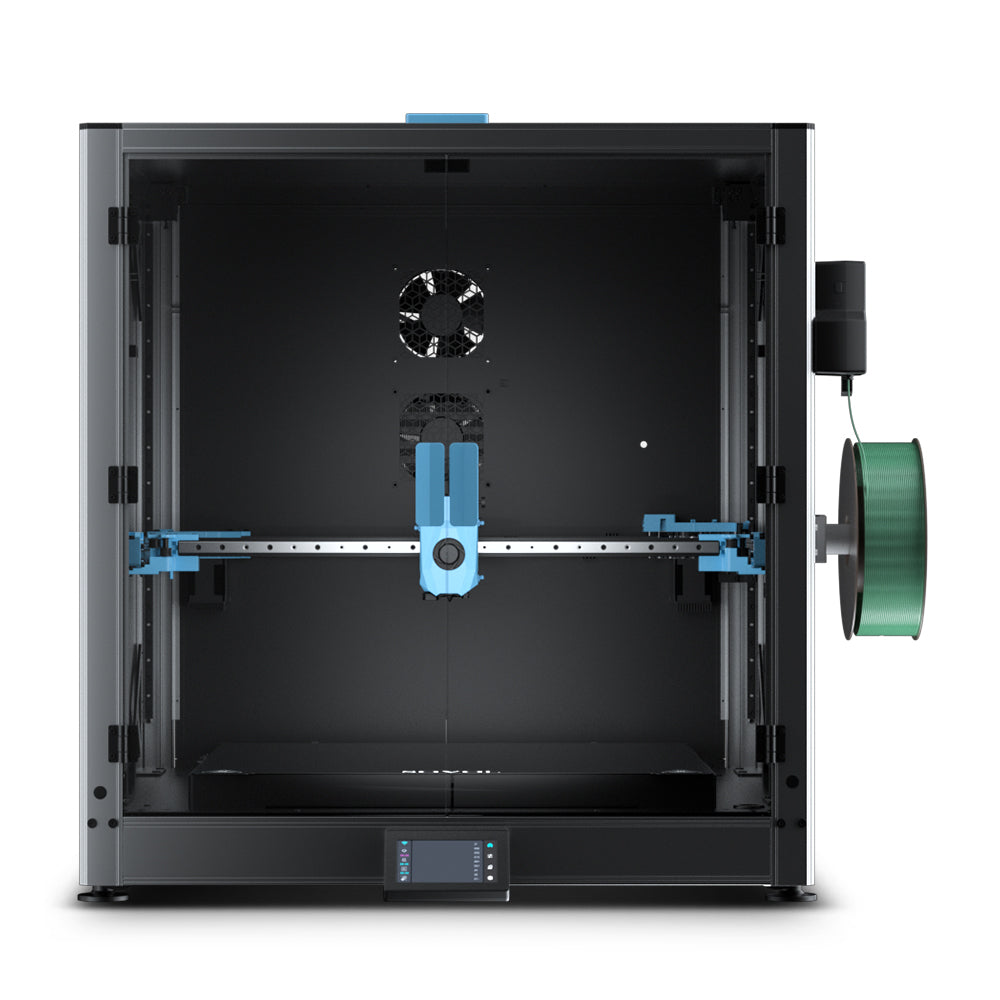
You should use an enclosure when printing ABS filament. An enclosure keeps the print area warm and steady. This stops temperature changes that cause warping and layers splitting. Good ventilation is important for safety. ABS gives off styrene VOCs and tiny particles when printing. These can cause headaches, nausea, and trouble breathing. Open a window or use a fan to clear out fumes. If you print a lot, think about getting an air purifier.
|
Benefit |
Enclosure |
Ventilation |
|---|---|---|
|
Print quality |
Stops warping |
Keeps air clean |
|
Safety |
Keeps temperature steady |
Removes bad fumes |
|
Printability |
Helps layers stick |
Protects your health |
Best practices
Try these steps to get better ABS 3d prints:
- Level your print bed before each job. This stops bad sticking and warping.
- Clean the bed and use glue stick, ABS slurry, or PEI sheets for better sticking.
- Keep your filament dry. Wet filament causes clogs and weak prints.
- Stop drafts in your printing area. Keep the temperature steady.
- Change slicer settings like print speed and first layer height for best results.
- Use a heated bed and enclosure to stop warping.
Good bed sticking is key for great ABS prints. If your first layer is not solid, you get warping, lifted corners, and wasted filament.
If you follow these tips, you can make strong and reliable prints with ABS filament. You will get better prints and have fewer problems.
You now understand what ABS filament is, what it can do, and how people use it. ABS filament has important properties like being strong, flexible, and able to handle heat. You can use it to make car parts and strong test models.
|
Property |
Value |
|---|---|
|
Tensile Strength |
|
|
Heat Resistance |
95–100 °C |
|
Surface Finish |
Matte, polishable |
Here are some things to remember:
- ABS filament makes fumes, so always print with good airflow.
- Pick ABS when you need parts that last and can take heat.
If you want more information, look at these guides:
|
Resource |
Description |
|---|---|
|
Materials Guide |
Find out about ABS and other 3D printing materials. |
|
ABS Print Speed Guide |
Get tips for better ABS prints and faster results. |
Keep trying new things and have fun using ABS filament for your next project!
FAQ
What is ABS filament best used for?
You can use ABS filament for strong parts like tool handles, car parts, and electronic cases. It works well for prototypes and items that need to handle heat or impact.
Why does ABS filament warp during printing?
ABS filament warps because it shrinks as it cools. Uneven cooling causes the edges to lift or twist. You can reduce warping by using a heated bed and an enclosure.
Is ABS filament safe to use indoors?
You should use ABS filament in a well-ventilated area. Printing releases fumes and VOCs that can cause headaches or breathing problems. Always open a window or use a fan.
Can you smooth ABS prints after printing?
Yes, you can sand ABS prints or use acetone vapor to smooth the surface. This gives your parts a shiny and professional look.
What temperature should you use for ABS filament?
Set your nozzle to 220–250 °C and your heated bed to 100–110 °C. Always check your filament’s label for the best settings.