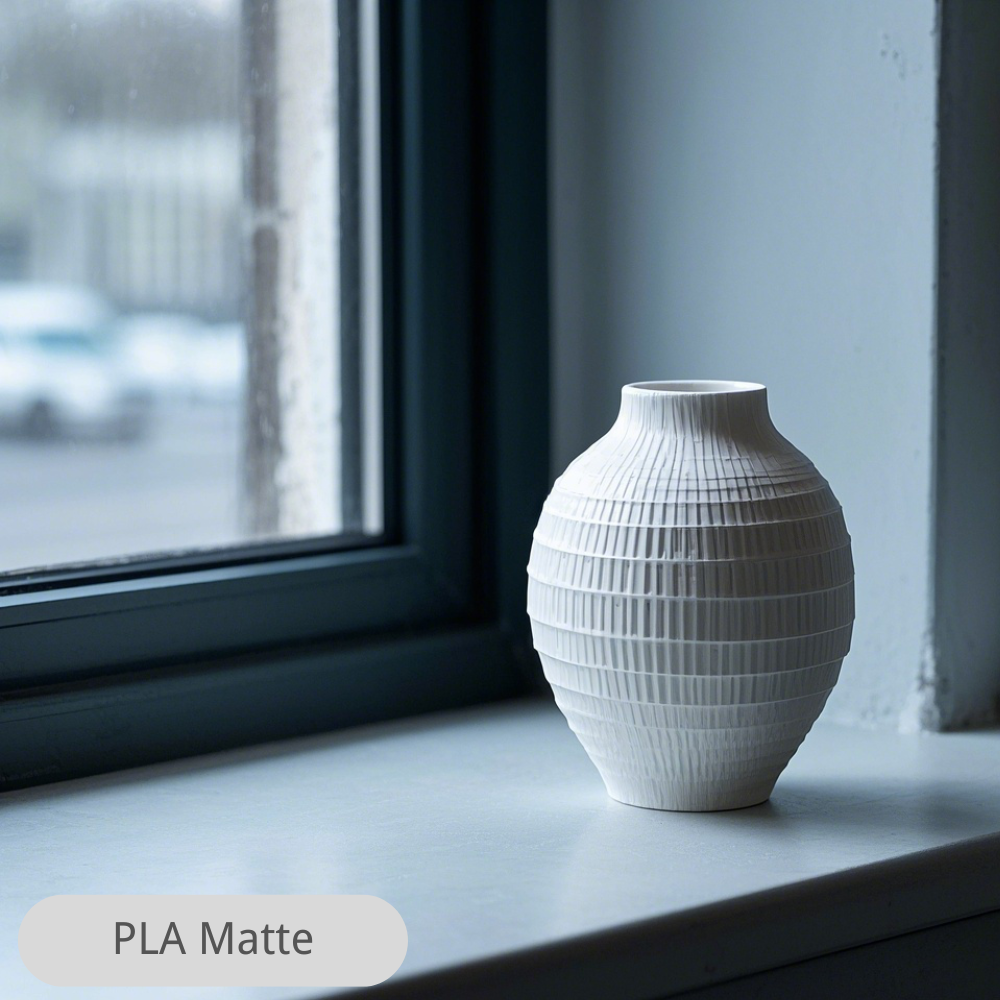
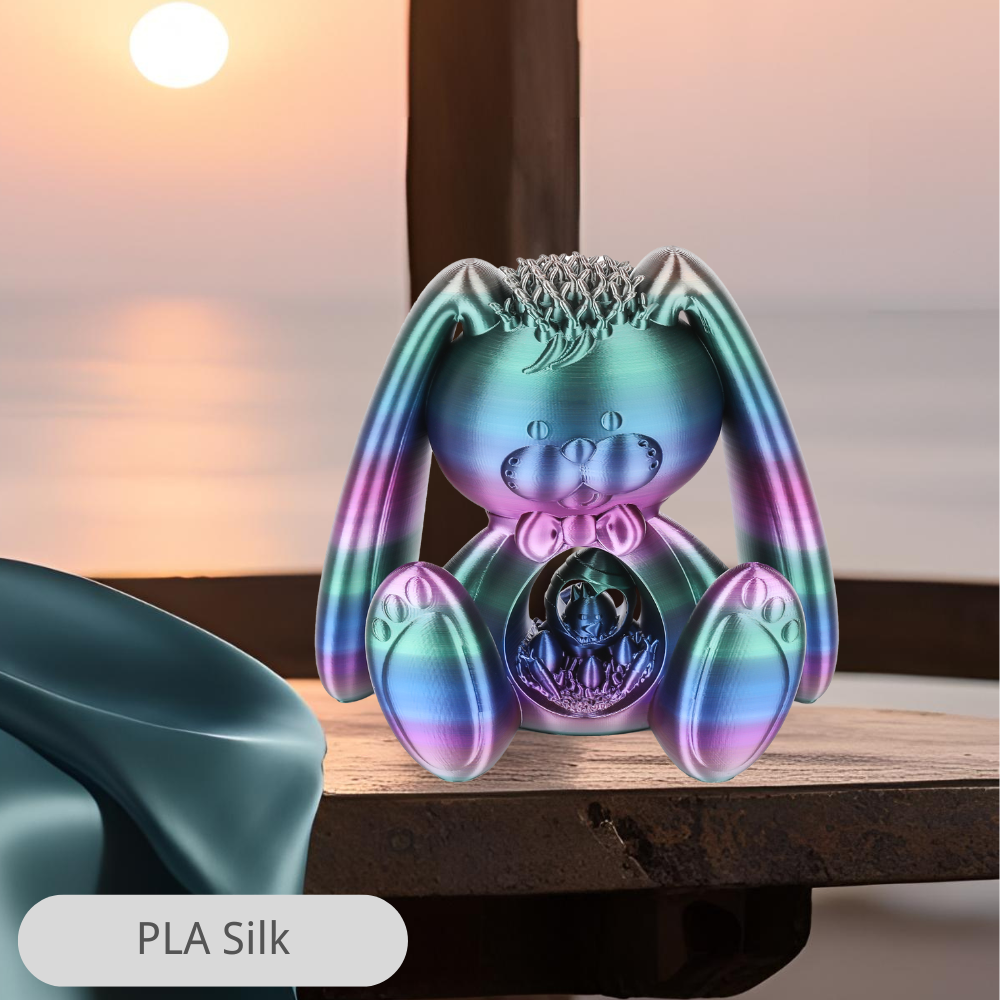
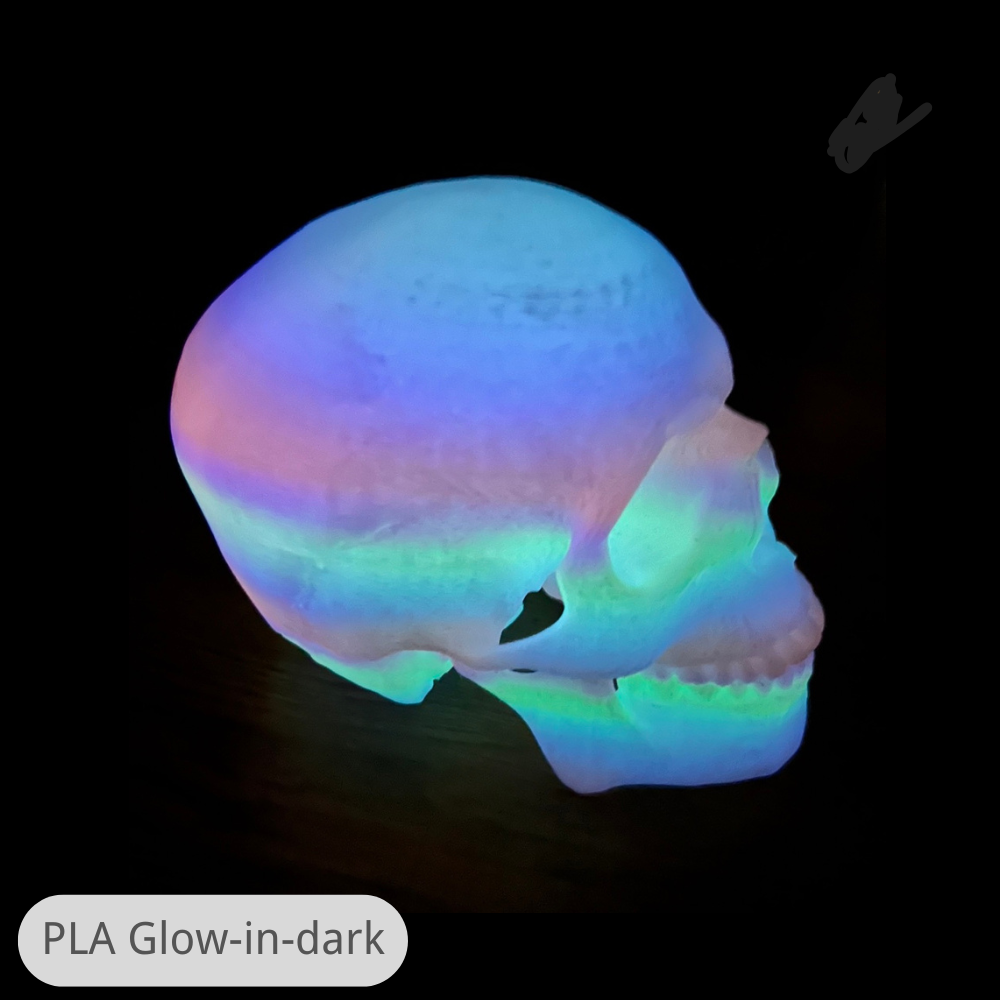
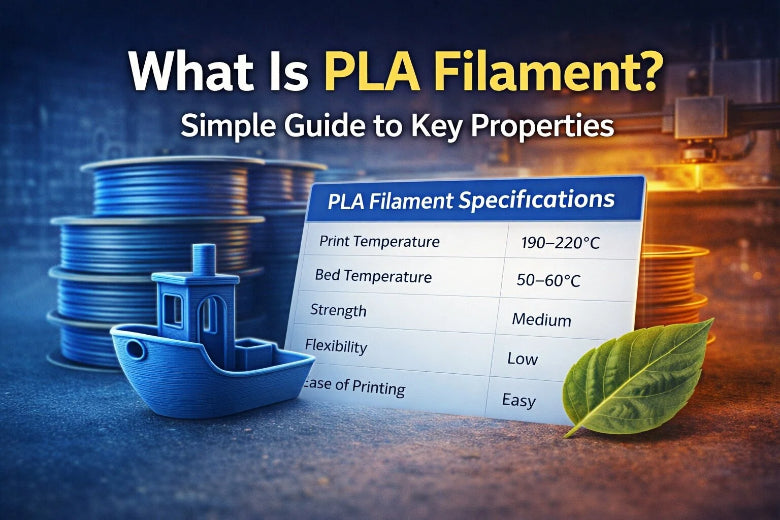
You often find PLA filament in 3D printing projects, but what is PLA filament? PLA means polylactic acid, and companies make it from things like cornstarch and sugarcane. These materials come from nature and are good for the environment. PLA filament is easy to use, so beginners like it. More than half of all 3D printing filament is PLA, making it the most popular choice for many people.
Key Takeaways
- PLA filament comes from plants like cornstarch and sugarcane. This makes it good for the environment. People use it for 3D printing.
- Printing with PLA is simple. It needs lower temperatures. You do not need a heated bed. This is great for beginners.
- PLA makes prints that are strong and stiff. But it breaks easily and does not handle heat well. It is not good for things used outside or under stress.
- The filament can break down in special composting places. This helps the planet more than regular plastics.
- PLA is easy to find and costs less. Many schools and hobbyists use it. It is a good choice for people new to 3D printing.
What is PLA filament
PLA basics and origin
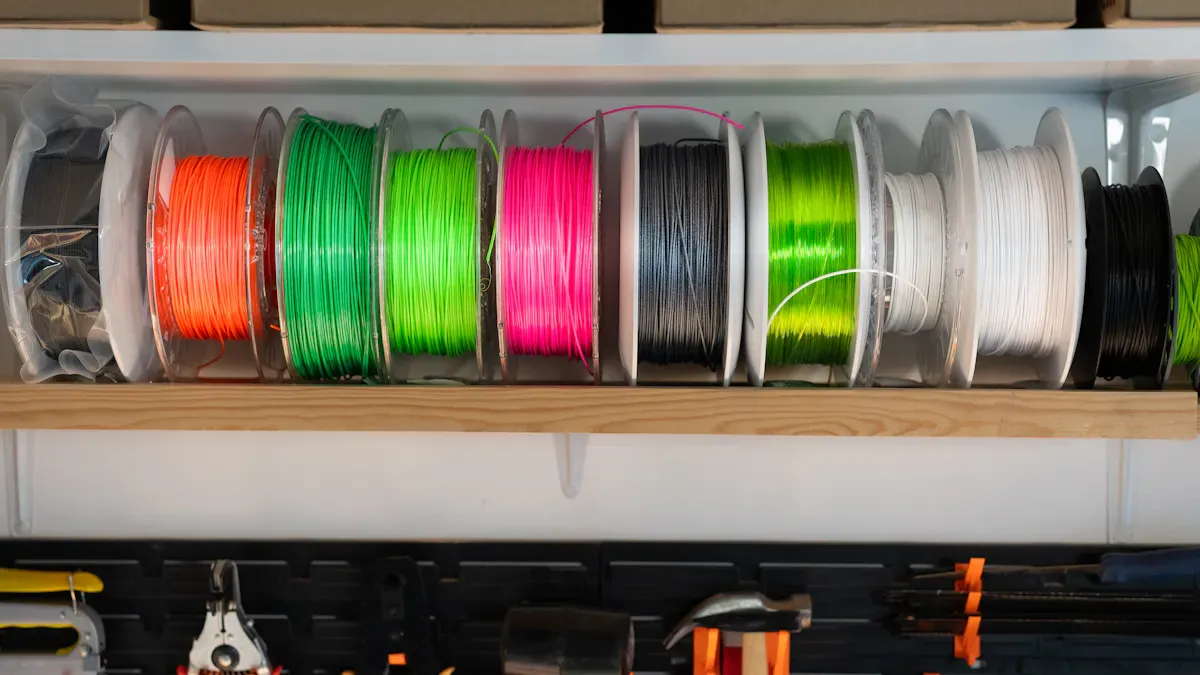
When you ask what is PLA filament, you learn it stands for polylactic acid. This material comes from plants like corn starch and sugarcane. These plants grow back each year, so they are renewable. PLA is part of a group called polyesters. Unlike other plastics, PLA breaks down in nature over time. That is why people call it eco-friendly.
If you look at PLA compared to other 3D printing materials, you see some differences. The table below shows how PLA compares to ABS, PETG, and Nylon:
|
PLA |
ABS |
PETG |
Nylon |
|
|---|---|---|---|---|
|
Tensile Strength (MPa) |
50-70 |
40-60 |
50-70 |
70-85 |
|
Density (g/cm³) |
1.24 |
1.04 |
1.27 |
1.13 |
|
Melting Point (°C) |
150-160 |
210-240 |
230-250 |
220-260 |
|
Biodegradability |
Yes |
No |
No |
No |
|
Print Bed Temperature (°C) |
20-60 |
80-110 |
70-90 |
70-100 |
You can see PLA melts at a lower temperature and is biodegradable. This makes it different from ABS, PETG, and Nylon, which do not break down naturally.
How PLA is made
You might wonder how companies turn plants into plastic. The steps are:
- Workers collect corn or sugarcane. They grind the plants to get starch.
- Factories use water and heat to break starch into sugars.
- Microbes eat the sugars and make lactic acid.
- Chemists turn lactic acid into small building blocks called prepolymers. They use heat and special chemicals.
- The prepolymers change into a ring-shaped molecule called lactide.
- Scientists link lactide rings to make long chains. These chains form the PLA plastic used in 3D printing.
Tip: Making PLA filament uses less energy than other plastics. You help the planet when you pick PLA. For example, making PLA uses about 25-55% less energy than making PET or polystyrene. The carbon footprint is also lower—about 1.3 kg of CO2 per kilogram of PLA, compared to 2.0 kg for PET.
Common uses in 3D printing
You see PLA filament in many 3D printing projects. People like it because it is easy to print and safe to use. When you ask what is PLA filament used for, you find it in schools, art studios, and hospitals. The table below shows some common uses:
|
Industry |
Application Description |
|---|---|
|
Prototyping |
Used for quickly making prototypes, so designs can be tested fast. |
|
Education |
Helps students learn in STEM classes by letting them design and print projects. |
|
Art and Design |
Good for making detailed objects, like sculptures and jewelry. |
|
Medicine |
Used for custom medical devices, tissue engineering scaffolds, and models for surgery planning. |
|
Makers |
Hobbyists use it for personal projects, like toys, gadgets, and household items. |
|
Packaging |
Used for making biodegradable packaging, which helps the environment. |
You can use PLA filament for models, toys, tools, and medical parts. Many teachers use PLA in classrooms because it is safe and does not smell bad when heated. Artists pick PLA for its bright colors and smooth finish. Makers and hobbyists like PLA because it works well for most home 3D printers.
Note: PLA filament properties, like low melting point and good layer adhesion, make it great for beginners. You do not need a heated bed for most prints, and you get strong, detailed results.
If you want to start 3D printing, PLA gives you an easy and eco-friendly way to make almost anything you imagine.
PLA filament properties
When you want to understand what is pla filament, you need to look at its key properties. These properties help you decide if PLA is right for your 3D printing project. Let’s break down the most important features.
Strength and stiffness
You want your 3D prints to be strong and hold their shape. PLA filament gives you both strength and stiffness. You can see the numbers in the table below:
|
Property |
Value (MPa) |
|---|---|
|
50 - 70 |
|
|
Young's Modulus |
1719 |
Tensile strength tells you how much pulling force the material can handle before breaking. Young’s modulus measures how stiff the material is. PLA has a higher tensile strength than ABS and is similar to PETG. This means your prints will not bend easily and will keep their shape.
- PLA: 50-60 MPa tensile strength
- PETG: 40-50 MPa tensile strength
- ABS: 34-36 MPa tensile strength
You can use PLA for models, toys, and tools that need to stay rigid. However, if you need something that can take a lot of impact, you might want to look at other materials.
Tip: PLA works best for low-stress parts that need to look good and stay firm.
Flexibility
Flexibility is how much a material can bend before it breaks. PLA is known for being rigid and a bit brittle. The elongation at break for PLA is usually between 4% and 6%. This means PLA does not stretch much before snapping.
- PLA has an elongation at break of 4% to 6%.
- ABS and PETG can stretch more before breaking.
|
Property |
PLA |
PETG |
|---|---|---|
|
Flexibility |
Rigid, brittle |
Tougher, more flexible |
|
Ideal Use |
Models, art |
Functional, outdoor |
You should use PLA for items that do not need to bend or flex. For example, you can print display models, decorations, or parts that will not face heavy use. If you need a part that bends or absorbs shocks, PETG or ABS might be better.
Printability and layer adhesion
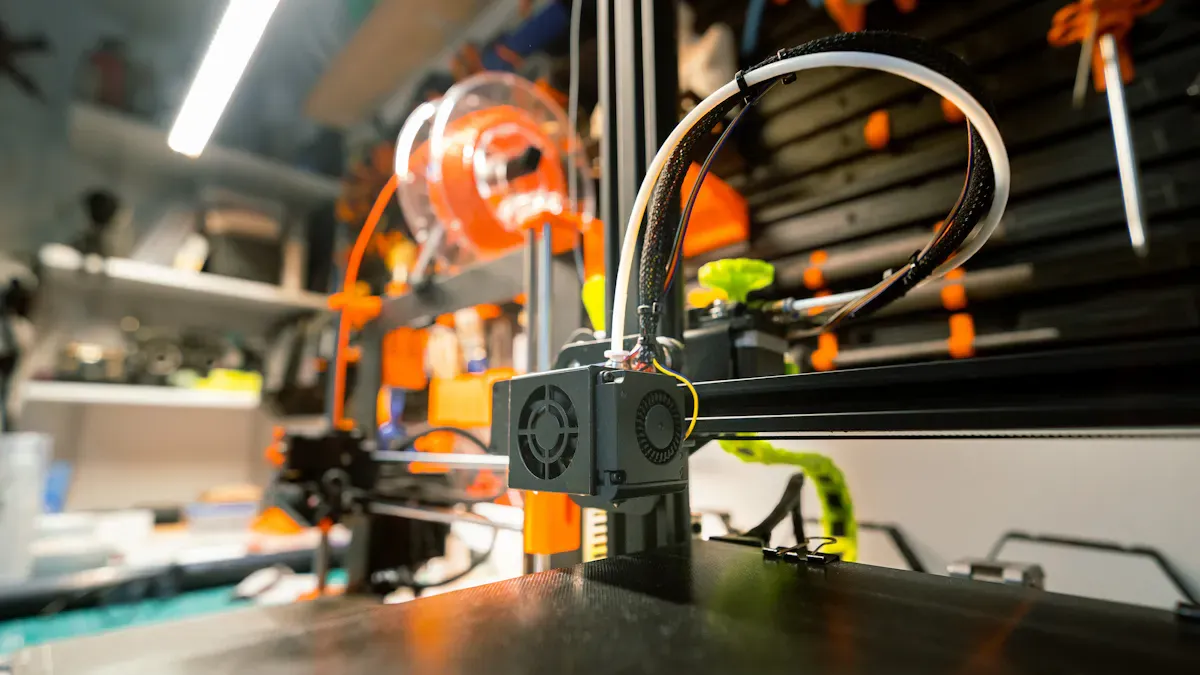
One of the biggest PLA filament properties is how easy it is to print. PLA is famous for its high printability. You do not need a heated bed, and you can use most desktop 3D printers. PLA sticks well to the print bed and to itself, so your layers bond together nicely.
|
Filament Type |
Printability |
Layer Adhesion |
Warping Tendency |
|---|---|---|---|
|
PLA |
High |
Good |
Low |
|
PETG |
Moderate |
Good |
Moderate |
|
ABS |
Moderate |
Fair |
High |
You get smooth, detailed prints with PLA. Warping and stringing are rare, so you do not have to worry about your print peeling off the bed. You can use PLA for high-resolution models, prototypes, and art projects.
Note: For the best layer adhesion, try using a layer thickness of 0.1 to 0.2 mm, a printing temperature around 200°C, and a speed of 50 to 70 mm/s.
Printing temperature
You do not need special equipment to print with PLA. The recommended PLA printing temperature is between 190°C and 220°C. Most brands suggest starting at 200°C. You can print PLA on a cold bed, but a bed temperature of 40°C to 60°C can help the first layer stick better.
- Nozzle temperature: 190°C to 220°C
- Bed temperature: 20°C to 60°C (optional)
PLA melts at a lower temperature than ABS or PETG. This makes it safer and easier for beginners. You do not need an enclosed printer or extra safety gear.
Tip: If you see poor layer bonding, try raising the temperature by 5°C. If you see stringing, lower it a bit.
Environmental impact
Many people ask what is pla filament good for when thinking about the planet. PLA comes from renewable plants like corn or sugarcane. It uses less energy to make than petroleum-based plastics. PLA is also biodegradable under industrial composting conditions.
|
Filament Type |
Source Type |
Biodegradability |
Environmental Impact |
Recycling Potential |
|---|---|---|---|---|
|
PLA |
Renewable (plant) |
Yes |
Low |
Moderate |
|
ABS |
Non-renewable |
No |
High |
Limited |
|
PETG |
Non-renewable |
Limited |
Moderate |
Moderate |
PLA can break down in 3-6 months in an industrial composting facility. Regular plastics can take hundreds of years. However, PLA does not break down quickly in home compost or nature.
Note: If you want to reduce your carbon footprint, PLA is a smart choice for most 3D printing projects.
You now know what is pla filament and why its properties make it a top pick for 3D printing. PLA gives you strong, stiff, and easy-to-print parts. It is safe for beginners and better for the environment than many other plastics. You can use PLA for models, art, prototypes, and more.
PLA pros and cons
Main advantages
There are many good reasons to pick PLA filament for 3D printing. Here are the main advantages:
- Easy to print: PLA filament works with most desktop 3D printers. You do not need a heated bed. The printing temperature is low, between 190°C and 220°C. This makes it simple to set up.
- Great print quality: You get smooth surfaces and sharp details. These PLA filament properties help you make models, toys, and art that look professional.
- Low warping: PLA does not shrink much when it cools. Your prints stay flat and stick to the bed. This helps you avoid failed prints.
- Eco-friendly: PLA comes from plants like corn or sugarcane. It can break down in industrial composting, which helps the environment.
- Safe for beginners: PLA does not make strong smells or toxic fumes. You can use it in classrooms or at home without special fans.
- Wide range of colors: You can find PLA in many colors and finishes. This makes it great for creative projects.
Limitations
PLA filament also has some downsides you should know about before you start:
- Low heat resistance: PLA gets soft at about 60-65°C. If you leave a PLA print in a hot car or near a heater, it can bend or lose its shape.
- Brittleness: PLA is more brittle than other filaments. It can snap if you drop it or put stress on it. This means it is not good for parts that need to bend or take hits.
- Limited outdoor durability: PLA does not last long outside. Sunlight and water can break it down over time. For outdoor projects, you may want to use PETG or ASA instead.
- Post-processing challenges: PLA can be hard to sand or smooth compared to ABS. You may need special primers or smoothing tricks to get the finish you want.
- Not ideal for functional parts: Because it is brittle and softens with heat, PLA is not the best for mechanical or load-bearing parts.
|
Limitation |
Impact on Applications |
Workaround/Solution |
|---|---|---|
|
Low heat resistance |
Not good for hot places |
Try annealing prints or use PLA blends that resist heat |
|
Brittleness |
Can break if hit or stressed |
Use more infill or impact-modified PLA |
|
Limited outdoor durability |
Breaks down in sunlight and water |
Add UV-resistant coatings or pick weather-resistant materials |
|
Post-processing challenges |
Harder to sand or smooth than ABS |
Use filler primers or special PLA smoothing methods |
You should think about these PLA filament properties before you choose PLA for your project. PLA is best for models, art, and prototypes, but not for things that need to handle stress or be outside.
PLA vs other filaments
When you choose a filament for 3D printing, you often compare PLA with ABS and PETG. Each material has unique properties that affect how your prints turn out. Let’s look at how PLA stands out.
PLA vs ABS
PLA and ABS are both popular in 3D printing, but they behave differently. PLA filament is easy to print and works at lower temperatures (200-220°C). You do not need a heated bed for PLA, which makes it great for beginners. ABS needs a higher printing temperature (220-250°C) and a heated bed. ABS can handle more heat and impact, so you use it for strong, functional parts.
- Strength: PLA has higher tensile strength (7,250 psi) than ABS (4,600 psi).
- Flexibility: ABS is more flexible, with an elongation at break of 20%. PLA is more rigid and can snap if bent.
- Printability: PLA prints with less warping and fewer fumes. ABS can warp and gives off a strong smell.
- Environmental impact: PLA is biodegradable and made from plants. ABS comes from petroleum and is not biodegradable.
Tip: If you want easy printing and care about the environment, PLA is the better choice.
PLA vs PETG
PETG is another common filament. It combines some of the best features of PLA and ABS. PETG is tougher and more flexible than PLA, with an elongation at break of 20-30%. It also has a higher heat resistance (up to 80°C) than PLA (up to 60°C).
- Strength: Both PLA and PETG have similar tensile strength (about 7,250 psi).
- Flexibility: PETG bends more before breaking, so it works well for parts that need to flex.
- Printability: PLA is easier to print and less likely to string. PETG needs a bit more tuning but is still beginner-friendly.
- Environmental impact: PLA is biodegradable and plant-based. PETG is petroleum-based and not biodegradable.
PLA filament specification table
Here is a quick comparison of PLA, ABS, and PETG filament properties:
|
Filament |
Tensile Strength |
Elongation at Break |
Glass Transition Temp |
Printing Temp |
Biodegradable |
|---|---|---|---|---|---|
|
PLA |
7,250 psi |
6% |
60-65°C |
200-220°C |
Yes |
|
ABS |
4,600 psi |
20% |
~105°C |
220-250°C |
No |
|
PETG |
7,250 psi |
20-30% |
85°C |
220-260°C |
No |
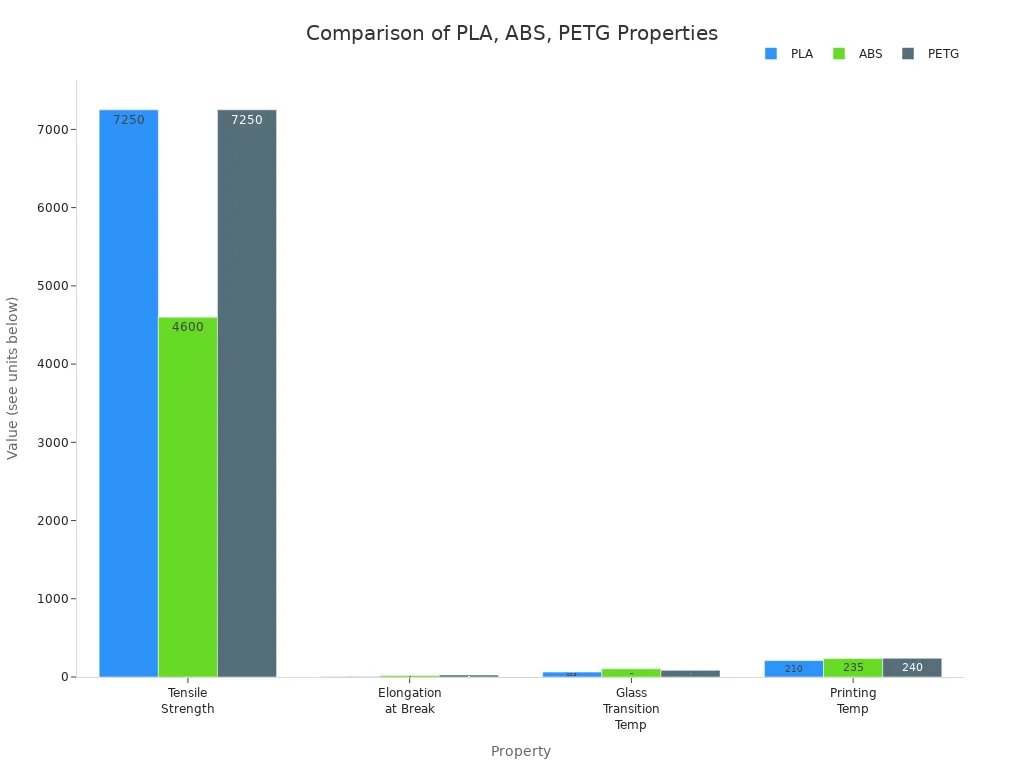
You can see that PLA offers easy printing, good strength, and eco-friendly benefits. ABS and PETG give you more flexibility and heat resistance, but they are less sustainable. Choose the filament that matches your project’s needs and your values.
PLA for beginners
Ease of use
PLA filament is very easy to use for 3D printing. You do not need a heated bed. The printing temperature for PLA is low. Most desktop 3D printers can use PLA right away. This makes PLA great for your first projects. You can print models, toys, and prototypes without much trouble.
Many people pick PLA because it has fewer problems than other filaments. You will see less warping and layers stick together well. Still, you might face some common issues:
|
Challenge |
Description |
|---|---|
|
Filament Brittleness |
PLA can get brittle if it takes in water, so it may break when stressed. |
|
Moisture Absorption |
PLA absorbs water, which can hurt print quality and cause problems while printing. |
|
Proper Storage and Handling |
You must store PLA the right way to keep it from breaking down and to get good results. |
Safety and food contact
You can use PLA filament safely at school, home, or in art studios. PLA does not make strong smells or toxic fumes when printing. This is why beginners and students like it.
If you want to use PLA for food, you should know a few things:
- PLA is usually seen as food-safe.
- The safety depends on the additives and colors in the filament.
- For food use, always pick FDA-approved PLA and print in clean places to stop bacteria.
Cost and accessibility
PLA filament costs less and is easy to find. You can buy it online or in stores. A 1kg spool of PLA costs about $10 to $19. This makes PLA one of the cheapest choices for 3D printing.
|
Filament Type |
Average Price (1kg) |
Accessibility |
|---|---|---|
|
PLA |
$10 - $19 |
High |
|
PETG |
$10 - $19 |
High |
Many schools and hobbyists use PLA because it is cheap and simple. You will see PLA in STEM classes, DIY projects, and art activities. Its low price and easy access help you start 3D printing without spending a lot.
Note: PLA filament is easy to handle and costs less, so it is a top pick for beginners and schools.
Now you know what is pla filament and why so many people use it for 3D printing. You get strong, smooth prints with easy setup and less waste. PLA works best for models, art, and learning projects. If you need parts for hot or outdoor places, try other filaments. Give PLA a try for your next project and see how simple 3D printing can be.
FAQ
What are the main properties of PLA filament?
You get strong, stiff prints with PLA filament. It melts at a low temperature and is biodegradable. PLA offers smooth surfaces and bright colors.
What is the ideal PLA printing temperature?
Set your printer nozzle between 190°C and 220°C for PLA. Most users start at 200°C.
|
Setting |
Temperature |
|---|---|
|
Nozzle |
190–220°C |
|
Bed (optional) |
40–60°C |
Why do people choose PLA for 3D printing?
You choose PLA because it is easy to print, safe, and eco-friendly. PLA does not need a heated bed.
- Easy for beginners
- Low odor
- Wide color range
Can you use PLA filament for outdoor projects?
PLA does not last long outside. Sunlight and water can break it down. For outdoor prints, you should pick PETG or ASA instead.
Is PLA filament safe for food contact?
PLA is usually food-safe, but you must check for FDA approval and avoid colored or blended filaments. Always print in a clean area to reduce bacteria in layer lines.