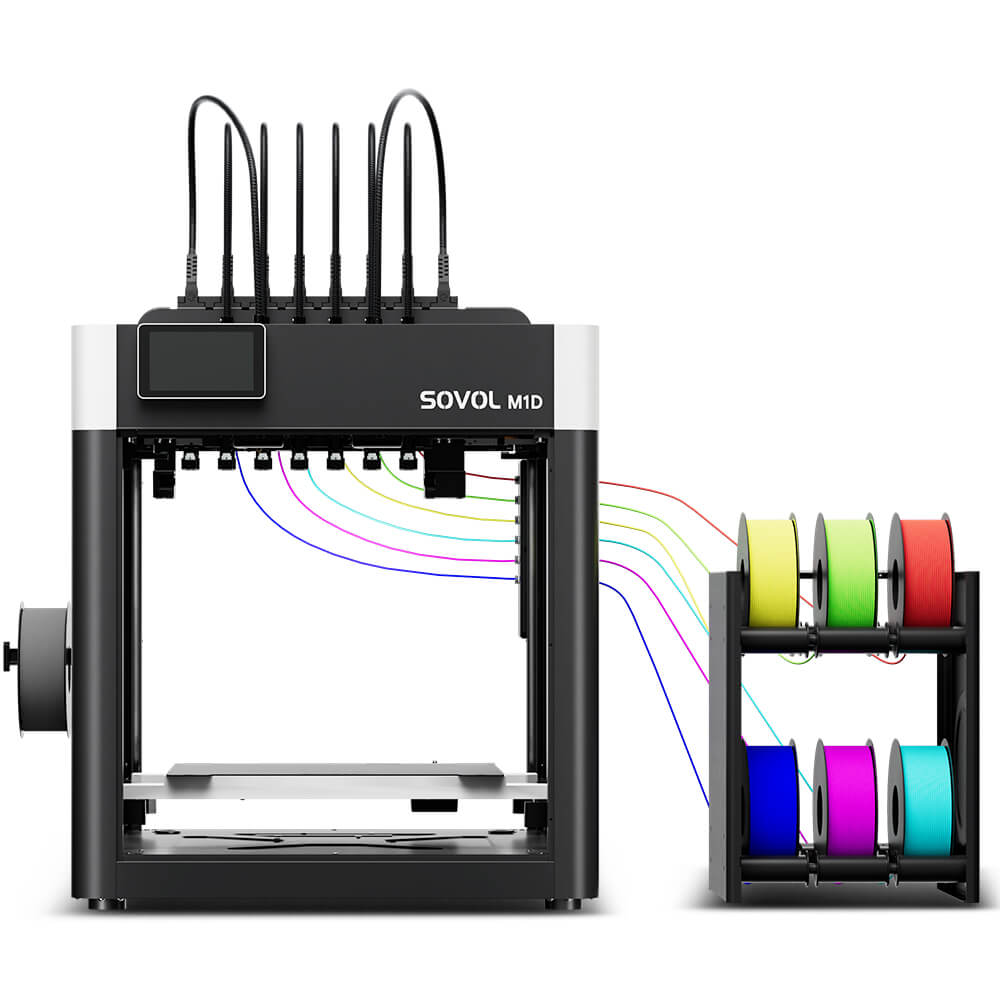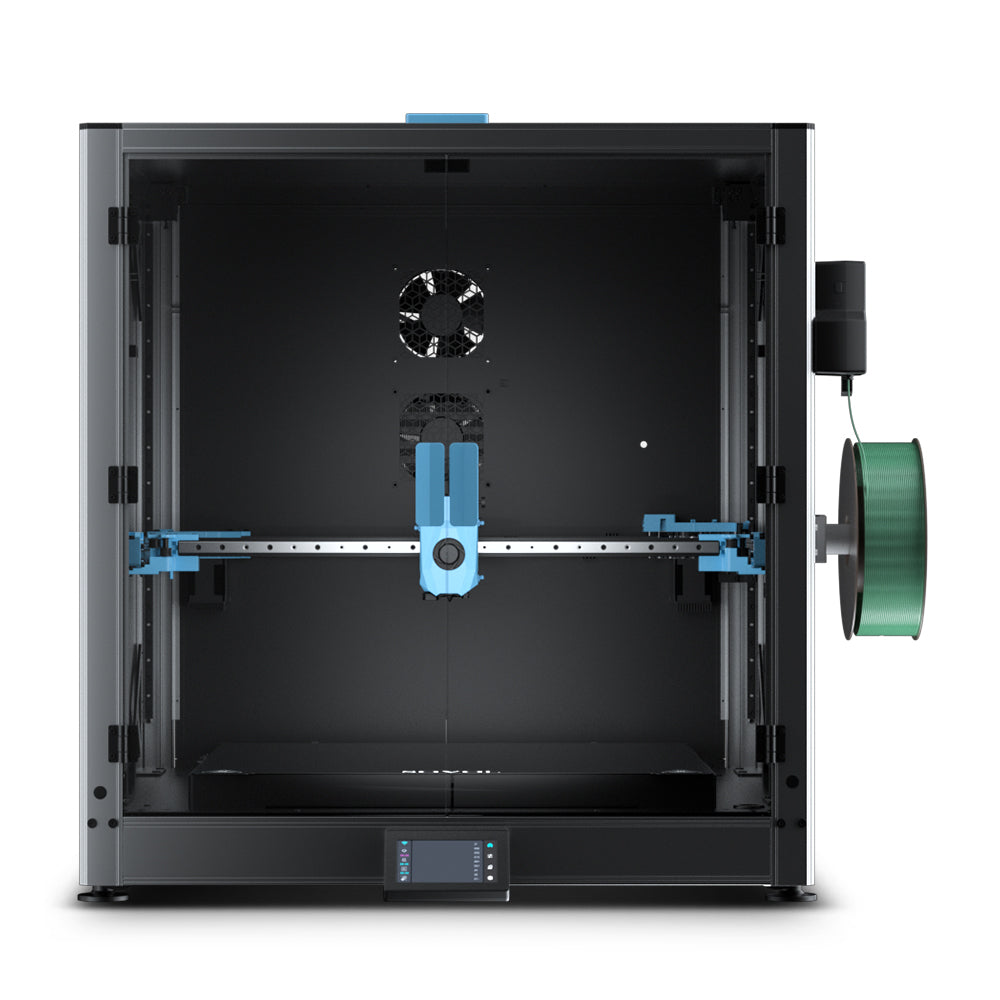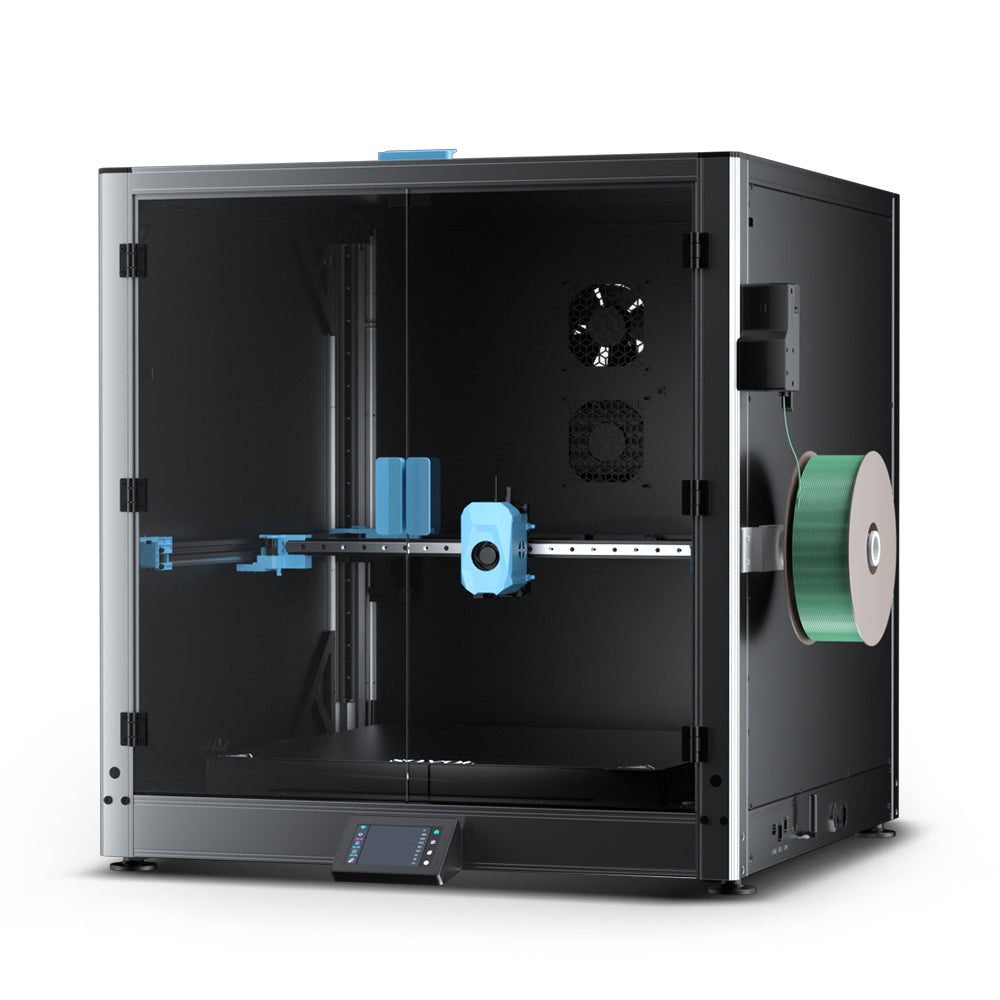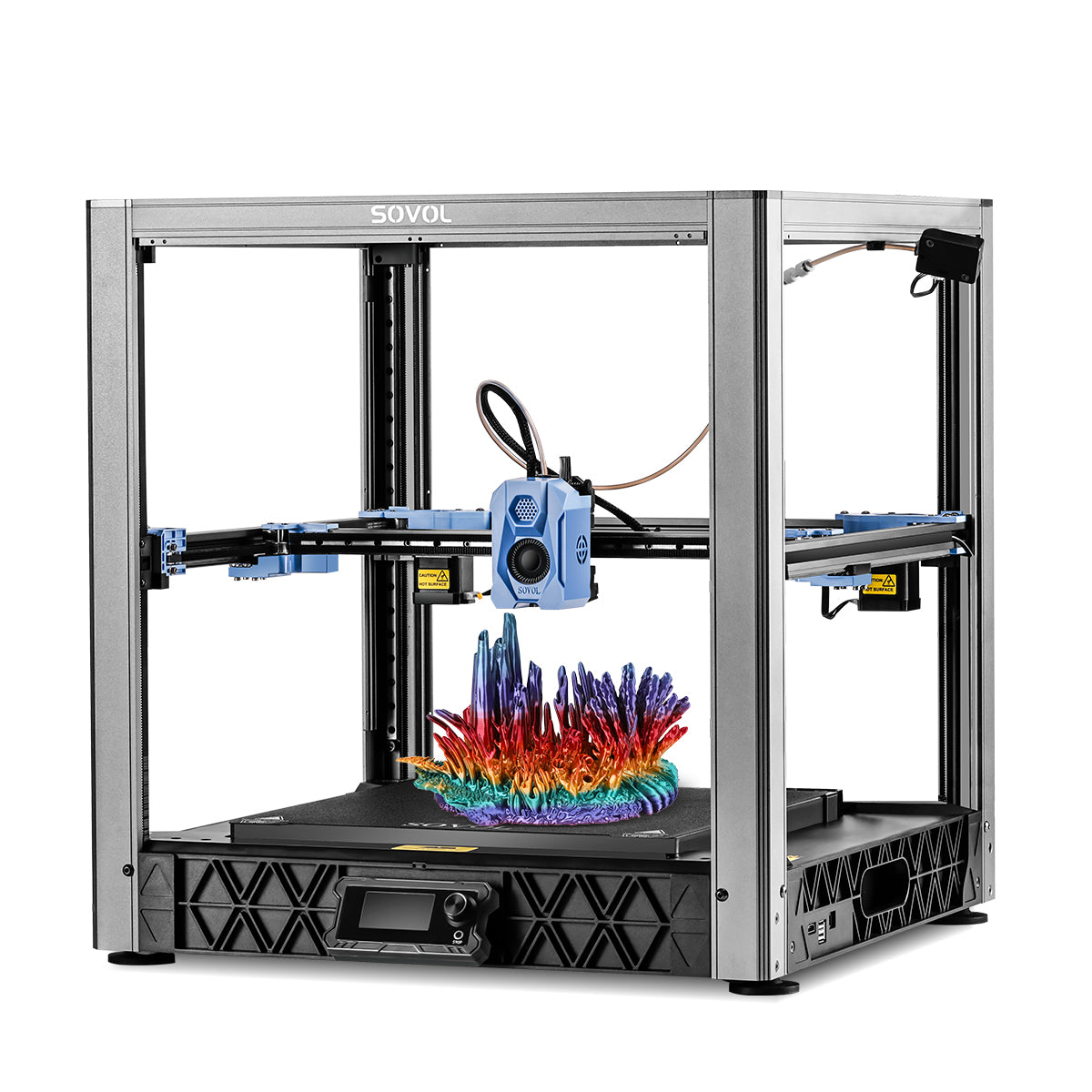
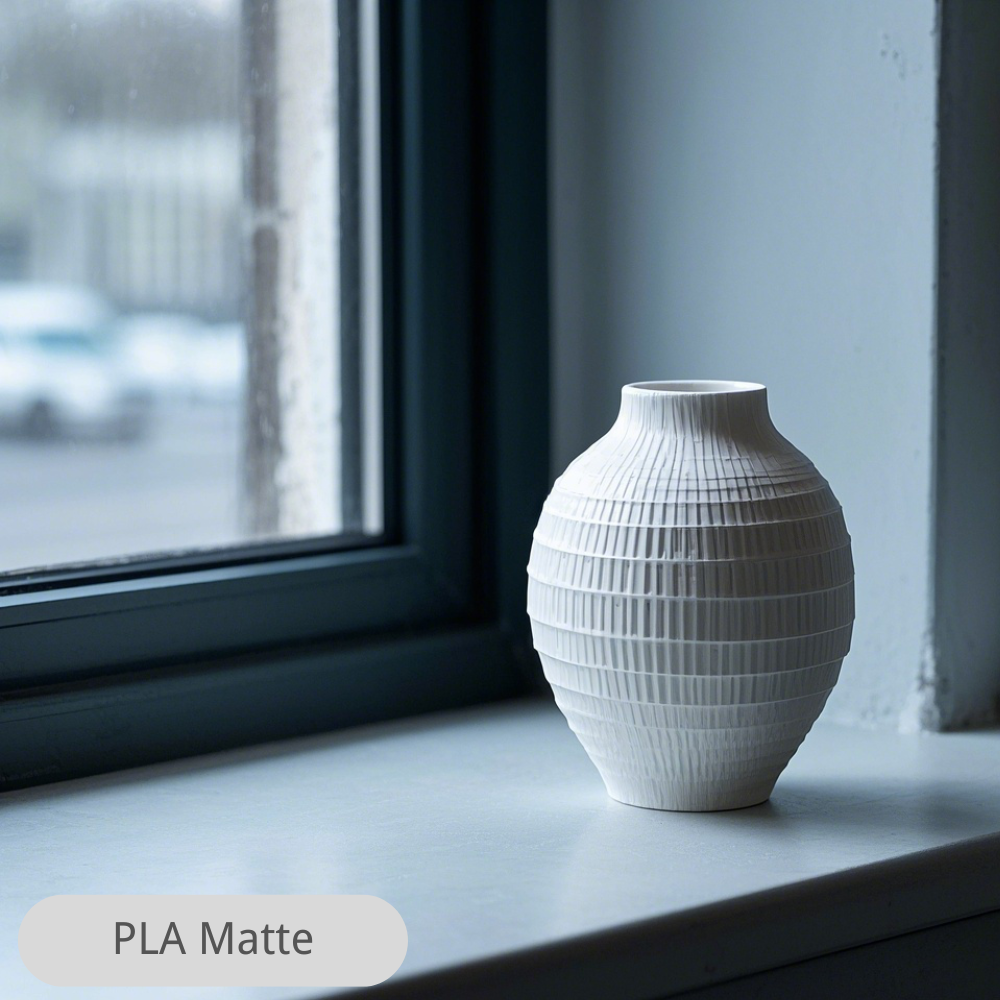
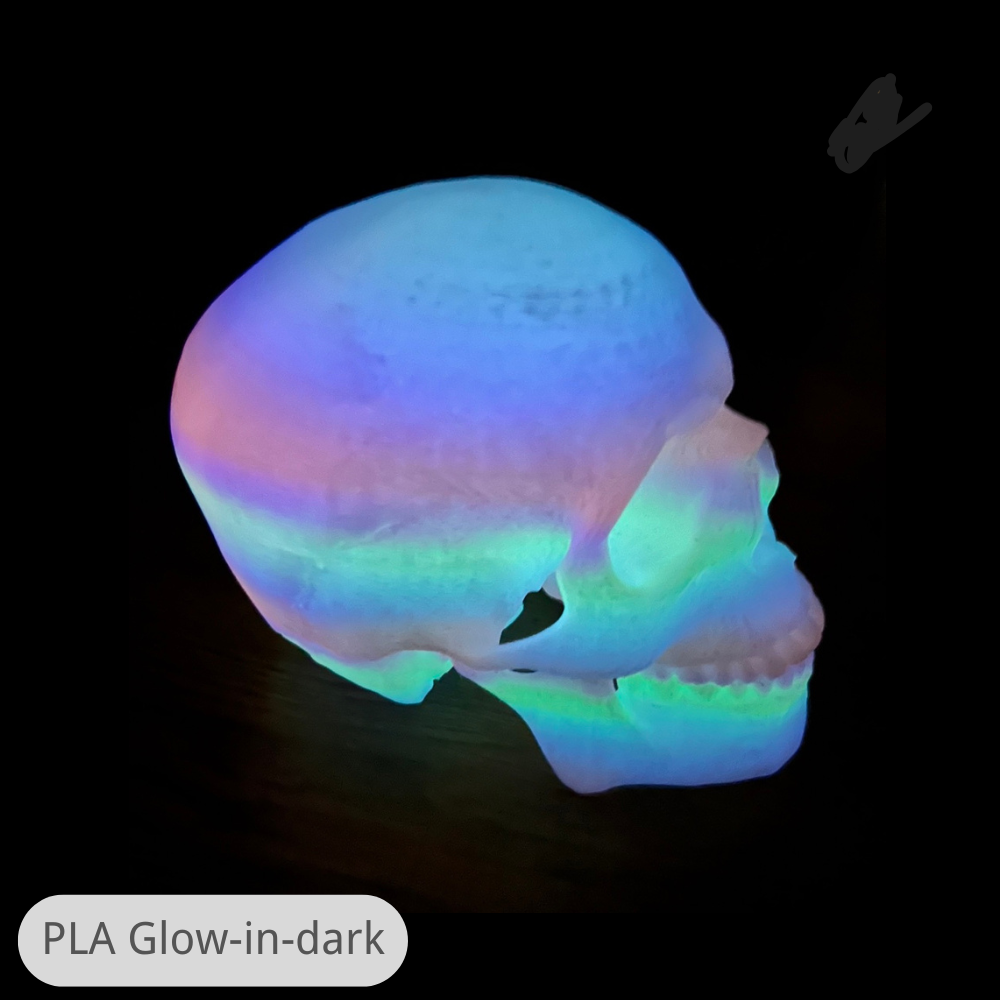
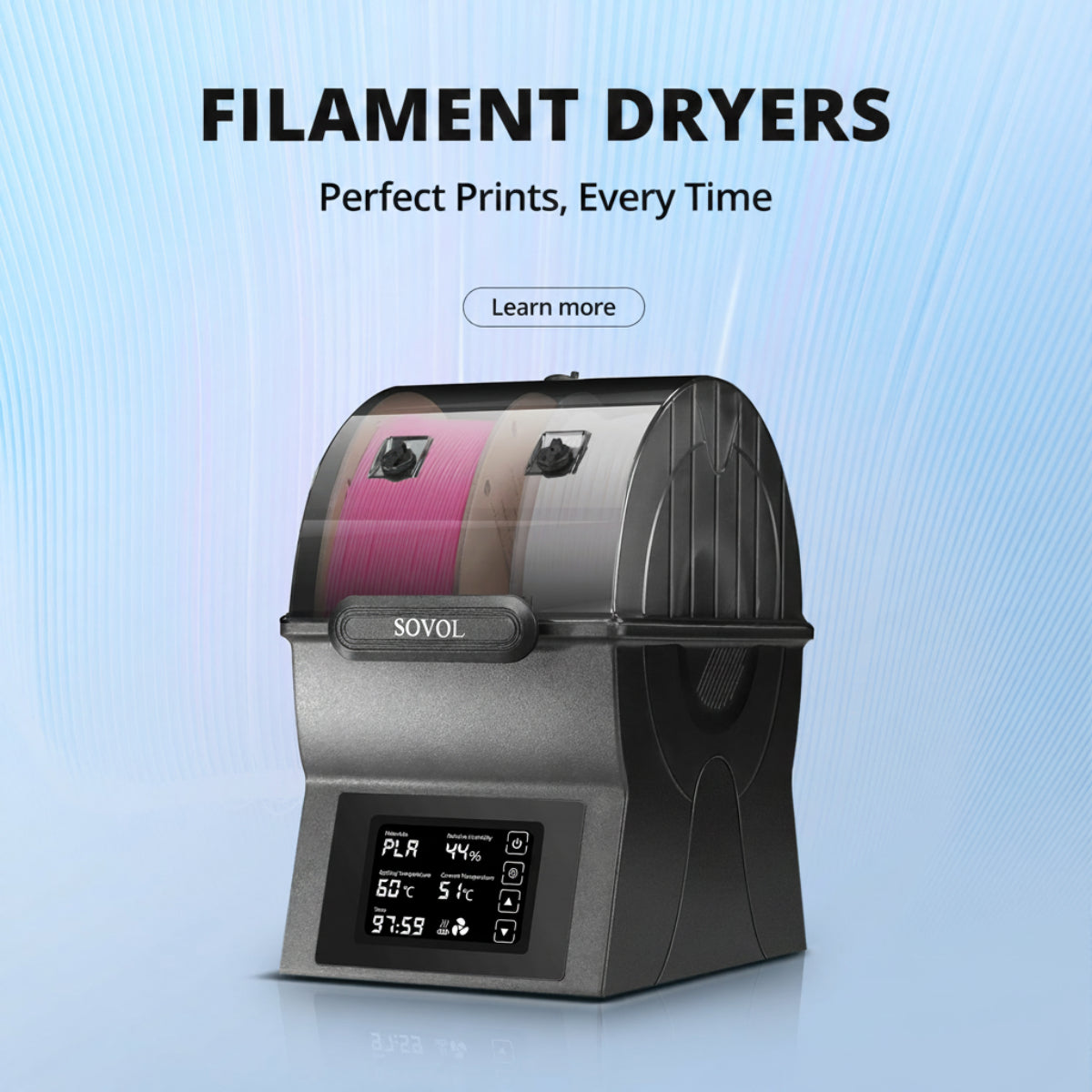
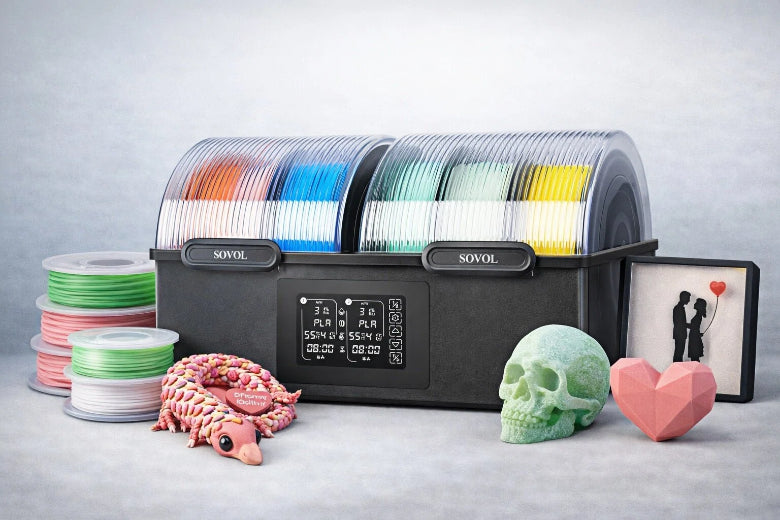
You want the best filament for beginners in 2026. PLA stands out because it’s easy to use, reliable, and cost-effective. Most beginners pick PLA for school projects or indoor prints. Picking PLA helps you avoid common printing mistakes. Keep your filament dry and check out a storage guide for extra tips.
Key Takeaways
Begin with PLA filament for 3D printing. It is simple to use, costs less, and fits most printers. - Always keep your filament dry. Put it in closed containers to stop water from getting in. This helps your prints look better. - Try High Speed PLA or Silk PLA after you learn regular PLA. These types have special benefits and are still easy to use.
Best Filament for Beginners
Why Choose PLA
When you start 3D printing, you want the best filament for beginners. PLA stands out as your top choice. You get three big advantages with PLA:
- Ease of use: You can print with PLA on almost any 3D printer. It melts at a lower temperature, so you don’t need a fancy setup.
- Low cost: PLA costs about 25% less than PETG or ABS. You save money, which matters when you’re just starting out.
- Good detail resolution: PLA gives you sharp, clean prints. Your models look great, even if you’re new to printing.
You’ll find that PLA’s ease makes your first prints less stressful. You don’t have to worry about warping or strong smells. You can focus on learning how your printer works. If you want to avoid common mistakes, always level your print bed before starting. This helps your PLA stick well and keeps your prints from failing.
Here’s a quick look at why PLA is the best filament for beginners:
|
Property |
PLA (Polylactic Acid) |
PETG (Polyethylene Terephthalate Glycol) |
|---|---|---|
|
Ease of Printing |
Very easy |
Moderate |
|
Cost |
Low |
Higher |
|
Detail Resolution |
High |
Good |
|
Common Mistakes |
Bed not level, moisture issues |
Too hot/cold, sticks too much, warping |
|
Recommended Temp |
190-220°C |
230-250°C |
|
Bed Temp Needed |
0-60°C |
70-80°C |
PLA Variants: High Speed and Silk
Once you feel comfortable with standard PLA, you might want to try new types of filaments. High Speed PLA and Silk PLA are two fun options.
- High Speed PLA: This variant lets you print faster. You can finish projects quickly, which is great for school or home use. High Speed PLA still keeps the ease and strength of regular PLA.
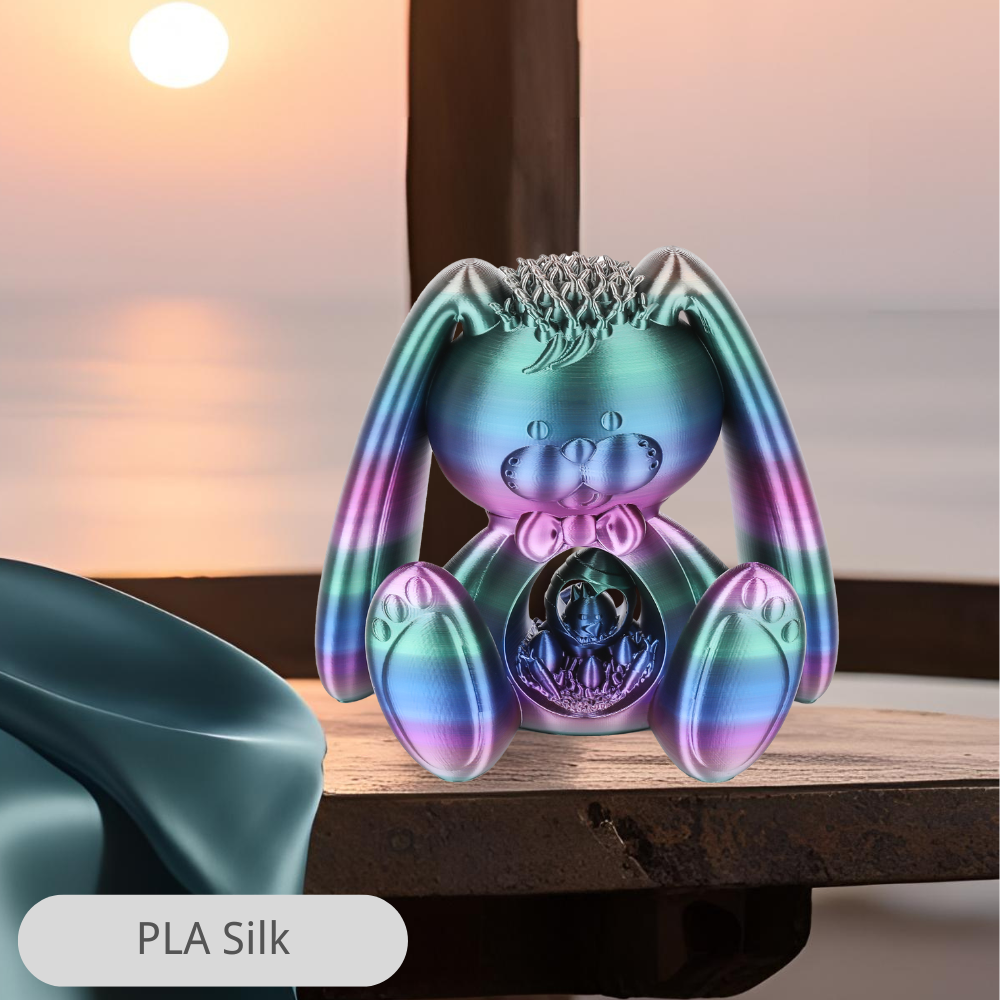
- Silk PLA: If you want your prints to shine, Silk PLA gives a glossy, smooth finish. It’s perfect for gifts or display pieces. You get the same ease of printing, but your models look extra special.
Both types of filament work well with most beginner printers. You don’t need to change your hardware. Just check the recommended temperature on the spool. Try these after you master basic PLA. You’ll see how different types of filament can change the look and feel of your prints.
Note: Always check your printer’s manual before switching to a new filament. Some printers need small adjustments for best results.
When to Try PETG or ABS
You might hear about PETG and ABS as you learn more about 3D printing. These types of filaments offer more strength and heat resistance. They work well for parts that need to handle stress or outdoor use. But they are not the best filament for beginners.
Here’s why you should wait before using PETG or ABS:
- PETG needs higher temperatures. Many beginners struggle with bed adhesion and removing prints. PETG can stick too much, making it hard to get your model off the bed.
- ABS gives you strength and heat resistance, but it smells strong and can warp easily. You need an enclosure to print ABS well.
Common challenges when switching from PLA to PETG or ABS include:
- Printing PETG at the wrong temperature. Too hot or too cold causes stringing or blobs.
- Forgetting to level the bed for PLA or PETG. This leads to poor sticking and failed prints.
- Not using an enclosure for PETG or ABS in a cold room. This can cause warping and weak prints.
If you want to try PETG or ABS, wait until you feel confident with PLA. Make sure your printer can reach higher temperatures. Start with small projects and adjust your settings slowly.
Actionable Tip: Keep a notebook of your print settings. Write down what works and what doesn’t. This helps you learn faster and avoid repeating mistakes.
Common Print Failures with PLA
You might run into a few problems when using PLA. Here’s a table of common issues and what causes them:
|
Cause of Failure |
Description |
|---|---|
|
Nozzle Clog or Partial Blockage |
Burnt material or debris blocks the nozzle, stopping filament movement. |
|
Printing Temperature Is Too Low |
Filament stays solid and grinds in the extruder. |
|
Extruder Tension Is Incorrect |
Too much or too little tension crushes or slips the filament. |
|
Printing Speed or Flow Is Too Aggressive |
High speed or flow creates pressure the extruder can’t handle. |
|
Moisture or Poor Filament Condition |
Wet filament expands and bubbles, causing resistance. |
|
Dirty or Worn Extruder Gear |
Dust or worn teeth reduce grip, making the filament slip. |
Quick Comparison: PLA vs PETG
Here’s a simple table to help you see the difference between PLA and PETG:
|
Feature |
PLA |
PETG |
|---|---|---|
|
Ease of Printing |
Very easy |
Moderate |
|
Print Temperature |
190-220°C |
230-250°C |
|
Bed Temperature |
0-60°C |
70-80°C |
|
Strength |
Good |
Higher |
|
Common Beginner Mistakes |
Bed not level, moisture |
Too hot/cold, sticks too much, warping |
|
Odor |
Low |
Low |
|
Cost |
Lower |
Higher |
If you want the best filament for beginners, stick with PLA. You get ease, good strength, and low cost. Try PETG only when you want more strength and know how to adjust your printer.
Remember: Store all types of filaments in a dry place. Moisture can ruin your prints and waste your money. For more tips, check out a filament storage and drying guide.
Printer Compatibility and the Best Filament for 3D Printing
Matching Filament to Your Printer
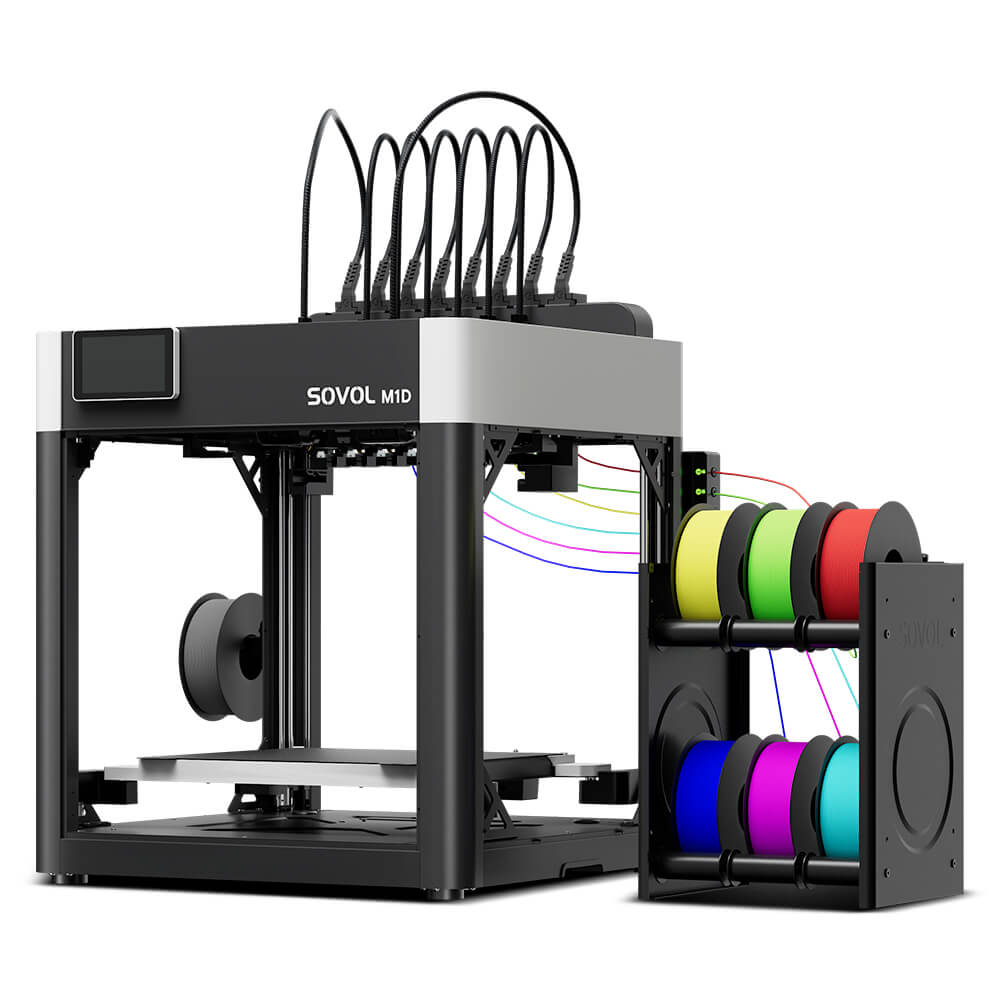
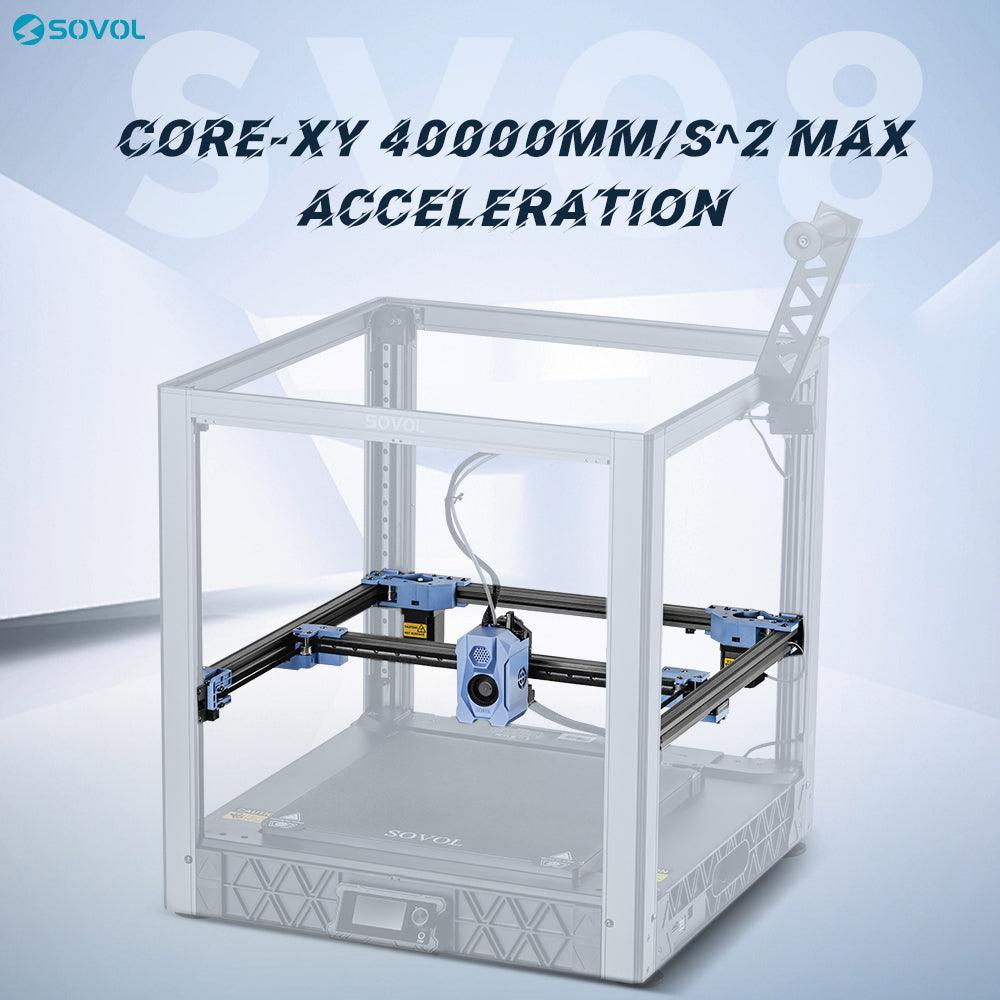
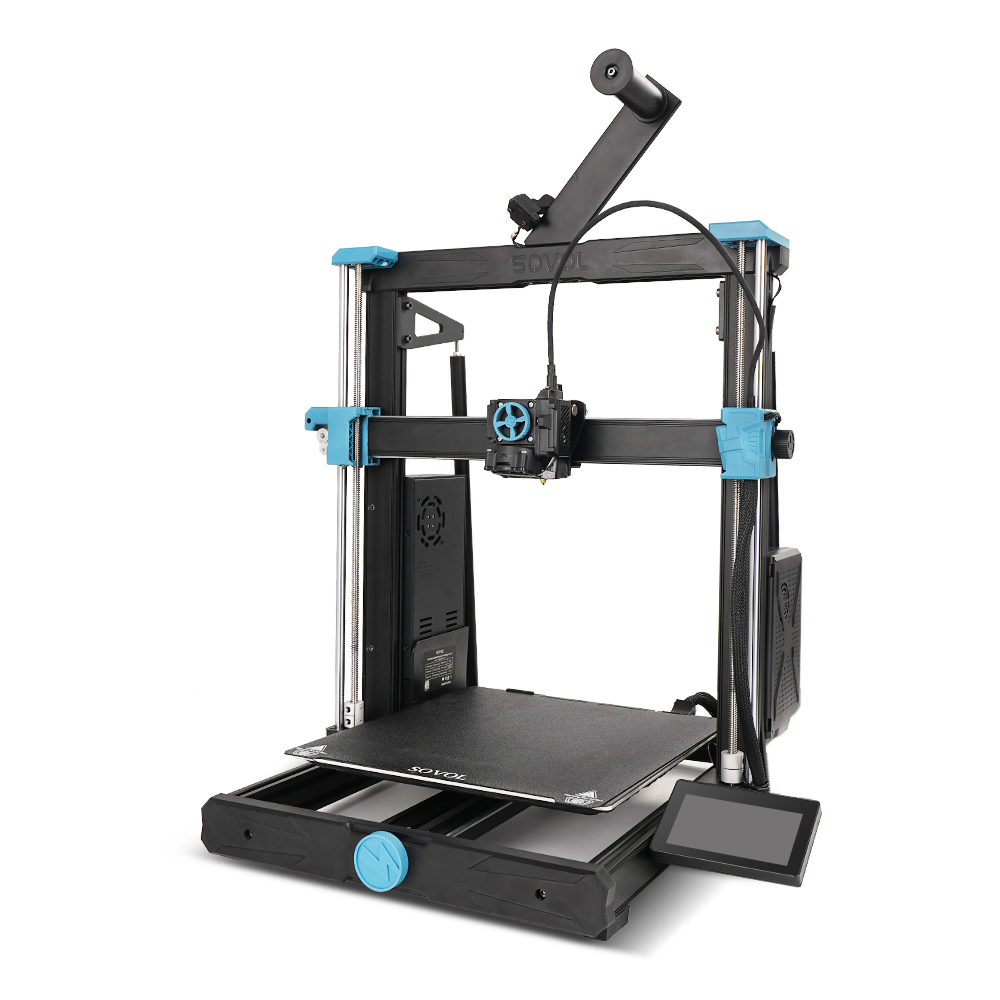
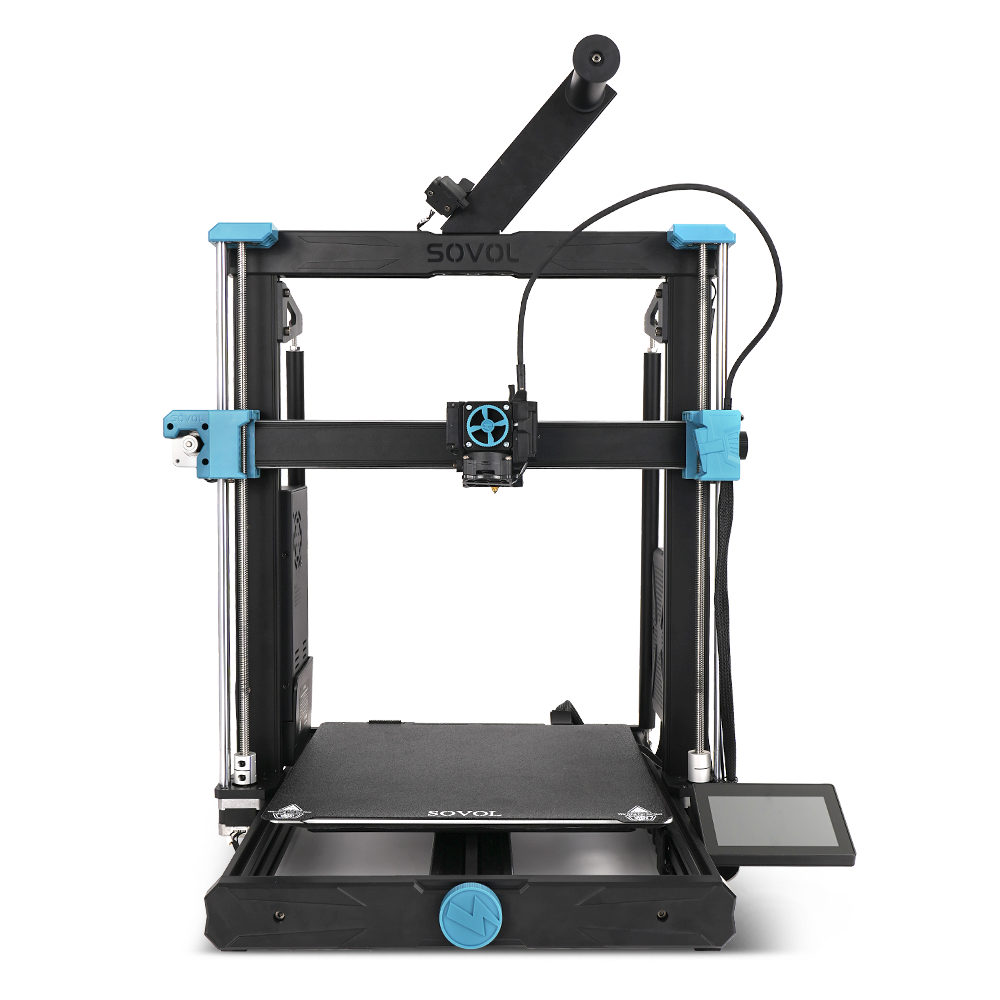
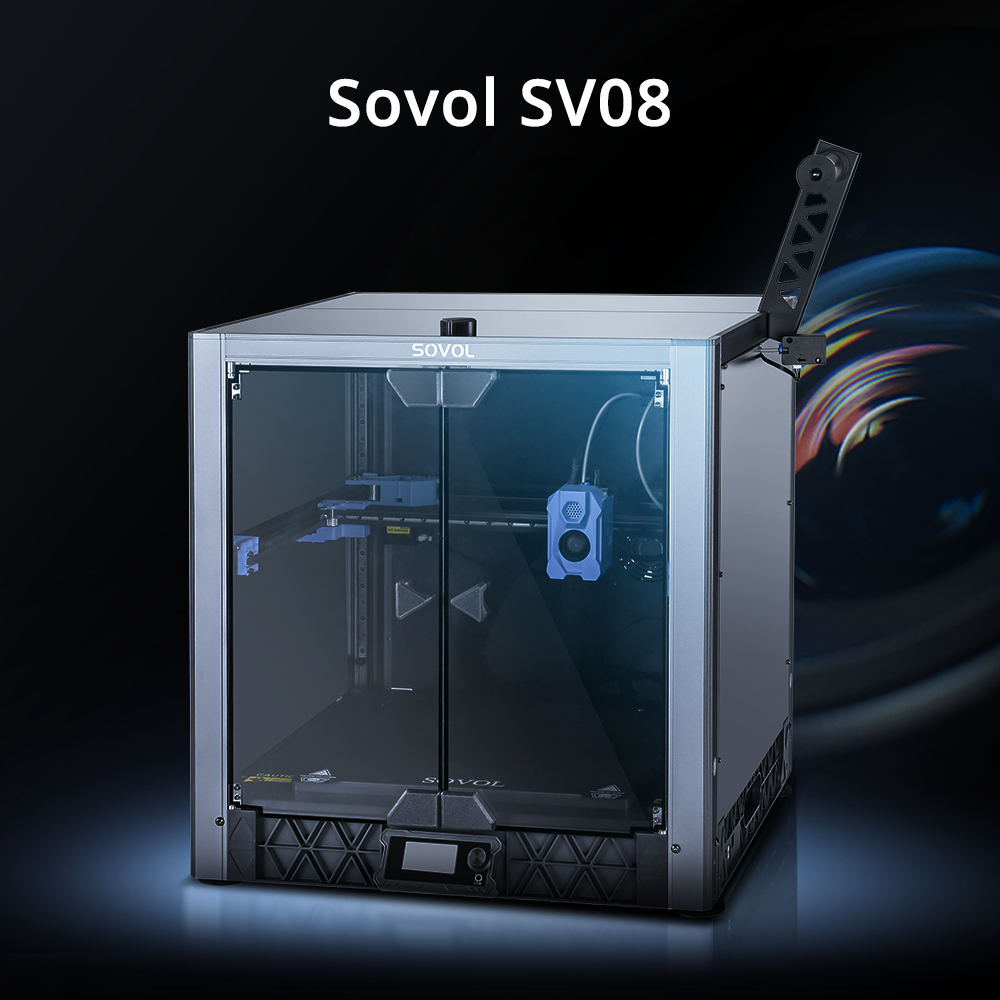
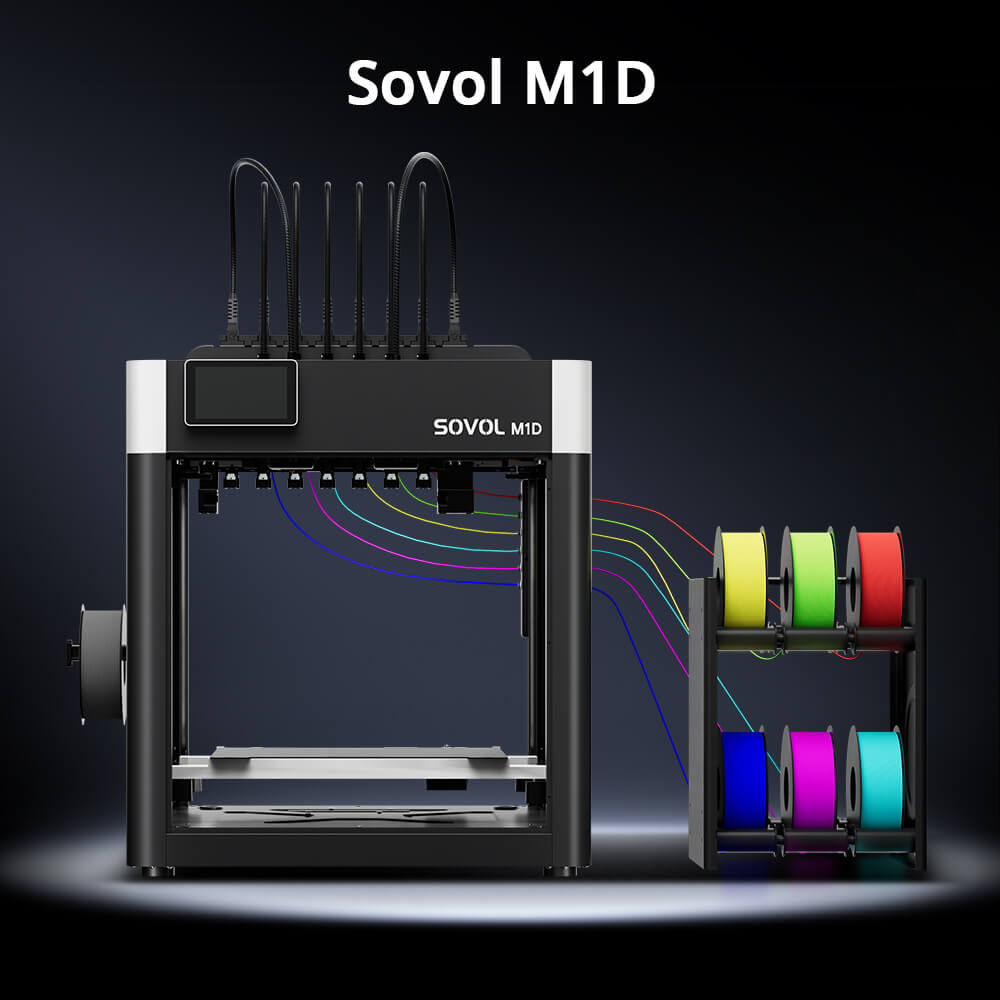
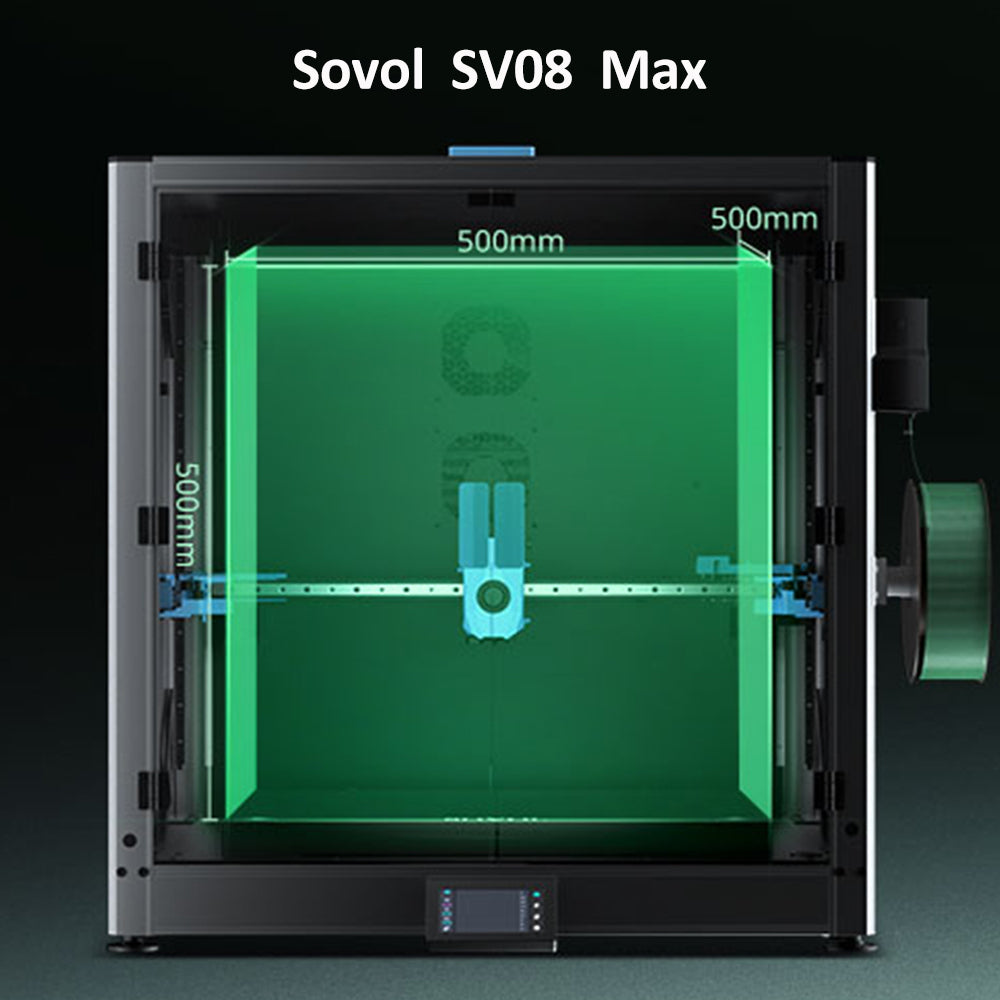
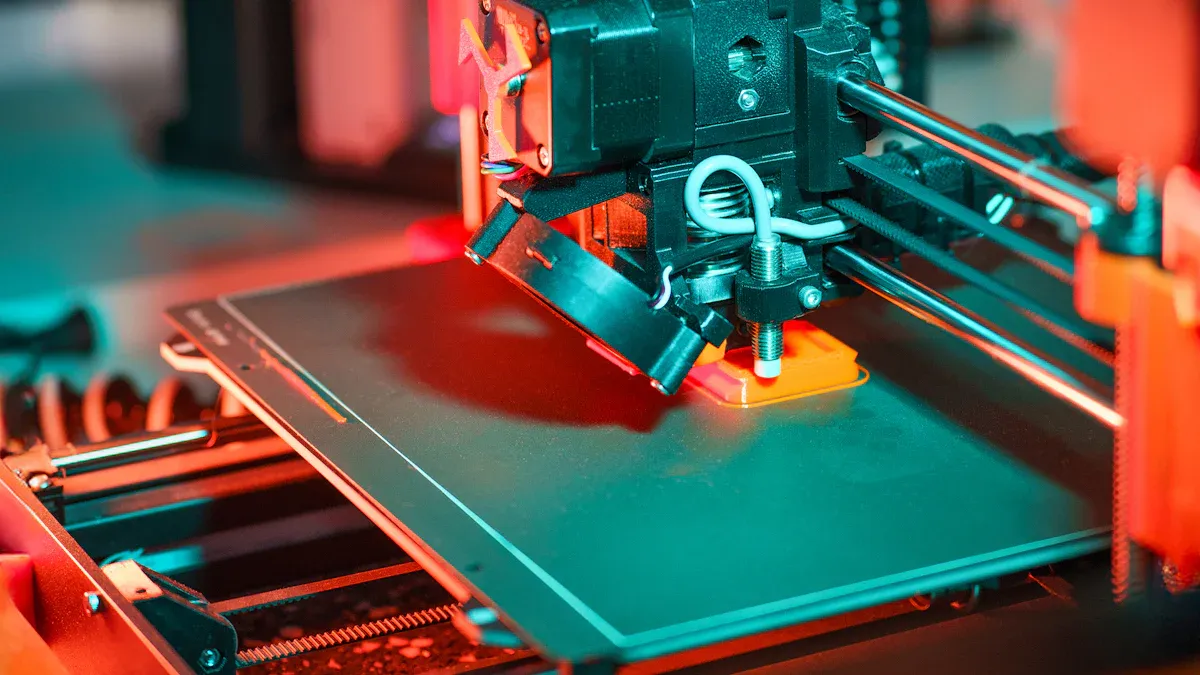
You want the best filament for 3d printing, but your printer needs to support it. Most beginners start with PLA because it works on almost every popular model, like the Sovol SV08 Max or Sovol Zero. These printers handle PLA and PETG well, so you can focus on learning instead of troubleshooting. PLA is the top choice for beginners because it gives you clog-free printing and ease of use. If you want to try other top filament types for 3d printing, check your printer’s manual first.
- PLA: Great for daily prints and learning projects.
- PETG: Offers more strength and heat resistance for durable parts.
Tip: Always check your printer’s supported 3d printing filament before buying new spools.
Temperature and Hardware Needs
Every 3d printer has a temperature range. You need to match the filament to your printer’s specs for the best print quality. Here’s a quick guide:
|
Material |
Bed Temperature (°C) |
|
|---|---|---|
|
PLA |
200–220 |
50–60 |
|
PETG |
230–260 |
70–85 |
PLA prints at lower temperatures, so you don’t need a heated bed. PETG needs more heat and a heated bed for good adhesion and layer adhesion and print strength. If you want more strength, PETG is a solid choice, but make sure your printer can handle the higher temps.
Tip: Start with PLA to learn about filament quality and consistency before moving to PETG.
Avoiding Common Beginner Mistakes
Many beginners run into problems with common filament materials. Here’s a table to help you avoid mistakes:
|
Filament |
Recommendations |
|
|---|---|---|
|
PLA |
Easy to print, low heat, no heated bed needed |
Best for beginners and learning projects |
|
PETG |
Needs more heat, can string |
Use a heated bed, adjust retraction for better print quality |
|
ABS |
Warps, needs high heat |
Use an enclosure, avoid drafts, focus on strength |
Stick with PLA for the best filament for 3d printing when you start. You get strong prints, easy setup, and less stress. Try PETG when you want more strength and know your printer’s limits.
Choosing the Best Filament for Your Project
Balancing Cost and Quality
You want to get the most out of your 3D printing budget. When choosing the best filament for your project, look at both cost and quality. PLA is a beginner-friendly option and stays affordable. PETG costs a bit more but offers extra strength for parts that need durability. Some types, like polycarbonate or PEEK, cost much more and work best for advanced projects.
|
Filament Type |
|
|---|---|
|
PLA |
$15 - $25 |
|
PETG |
$20 - $30 |
|
Polycarbonate |
$40 - $60 |
|
PEEK |
$200+ |
Think about sustainability, too. PLA comes from renewable resources and breaks down easier than other types. PETG gives you more strength but uses more energy to produce. If you want to balance cost, strength, and sustainability, start with PLA and move to PETG as you gain experience.
Trusted Brands for Beginners
You want reliable filament that prints well every time. Beginners often choose brands like SUNLU, ELEGOO, and Polymaker. These brands offer consistent quality and fair prices. ELEGOO PLA works well for long-term use and comes in affordable packs. SUNLU’s PLA+ 2.0 gives you extra strength and costs less when you buy in bulk. Polymaker also stands out for its smooth prints and strong layer adhesion.
- SUNLU
- ELEGOO
- Polymaker
These brands make PLA and PETG types that fit most beginner printers. You can trust them for your first projects and focus on learning instead of troubleshooting.
Storage Tips for Filament
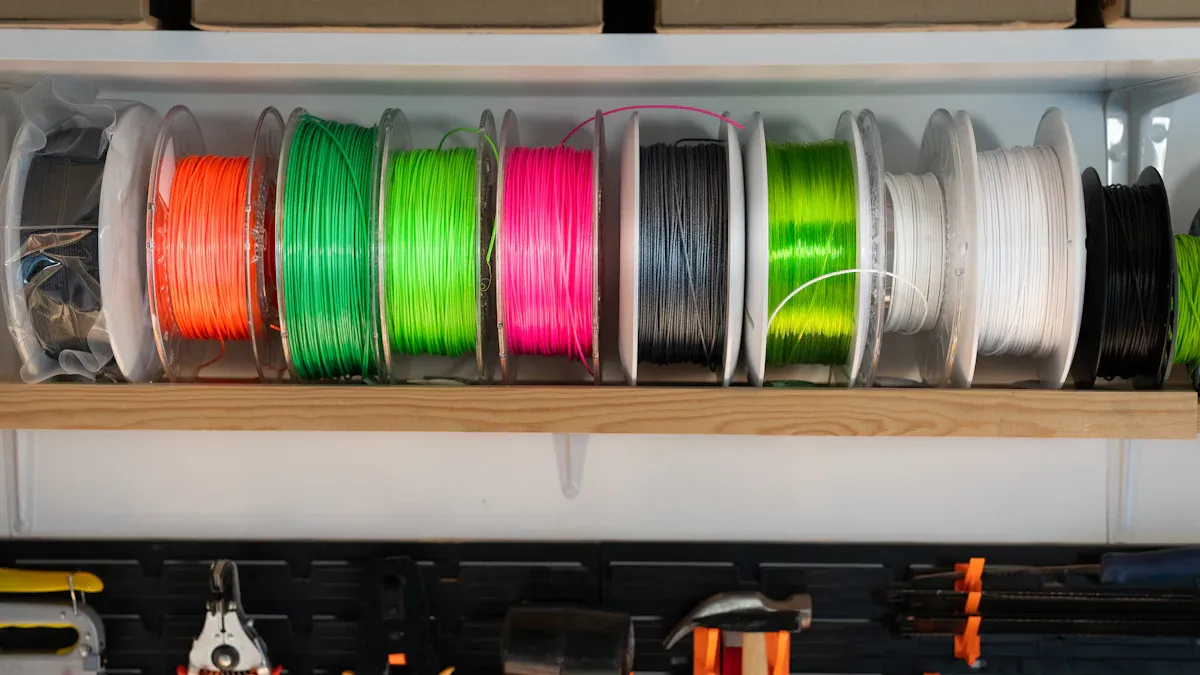
You need to keep your filament dry and clean. PLA and PETG absorb moisture from the air, which can cause bubbling, weak prints, and brittle filament. Store your spools in airtight containers with silica gel. Sealed storage keeps dust away and protects strength and sustainability. If you leave filament out, it may lose layer adhesion and print quality.
If you follow these storage tips, your filament stays strong and ready for your next project.
You can pick the best filament for beginners by following three steps:
- Choose the right material—PLA works best for most beginners.
- Match the filament to your printer.
- Pick trusted brands for reliable results.
Keep your filament dry for better prints. Start with PLA and enjoy your 3D printing journey!
FAQ
What is the best filament for beginners?
You should start with PLA. It prints easily, costs less, and works on most 3D printers. PLA helps you learn without stress.
How do I keep filament dry?
Store your filament in a sealed container with silica gel. Moisture ruins prints. You can use a filament dryer for extra protection.
Can I use PETG or ABS as a beginner?
You can try PETG or ABS after you master PLA. These filaments need higher temperatures and special setups. Start with PLA for best results.