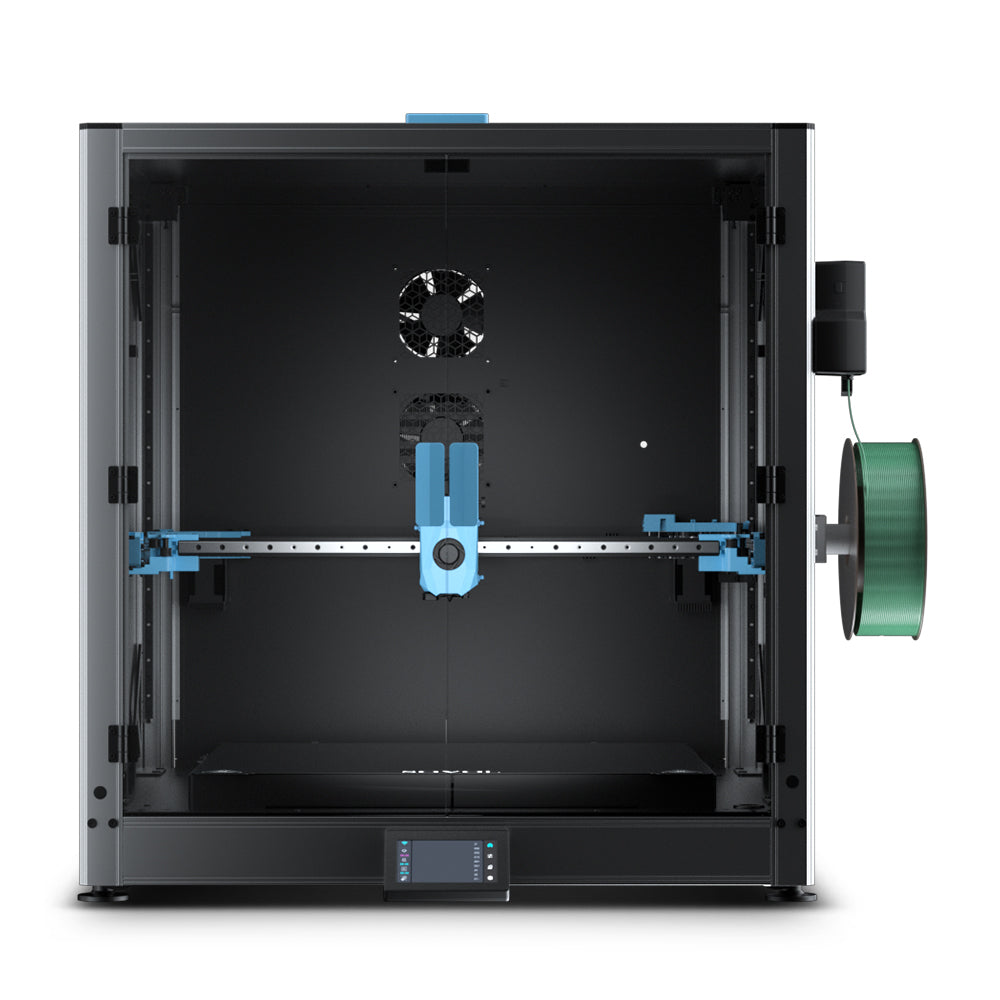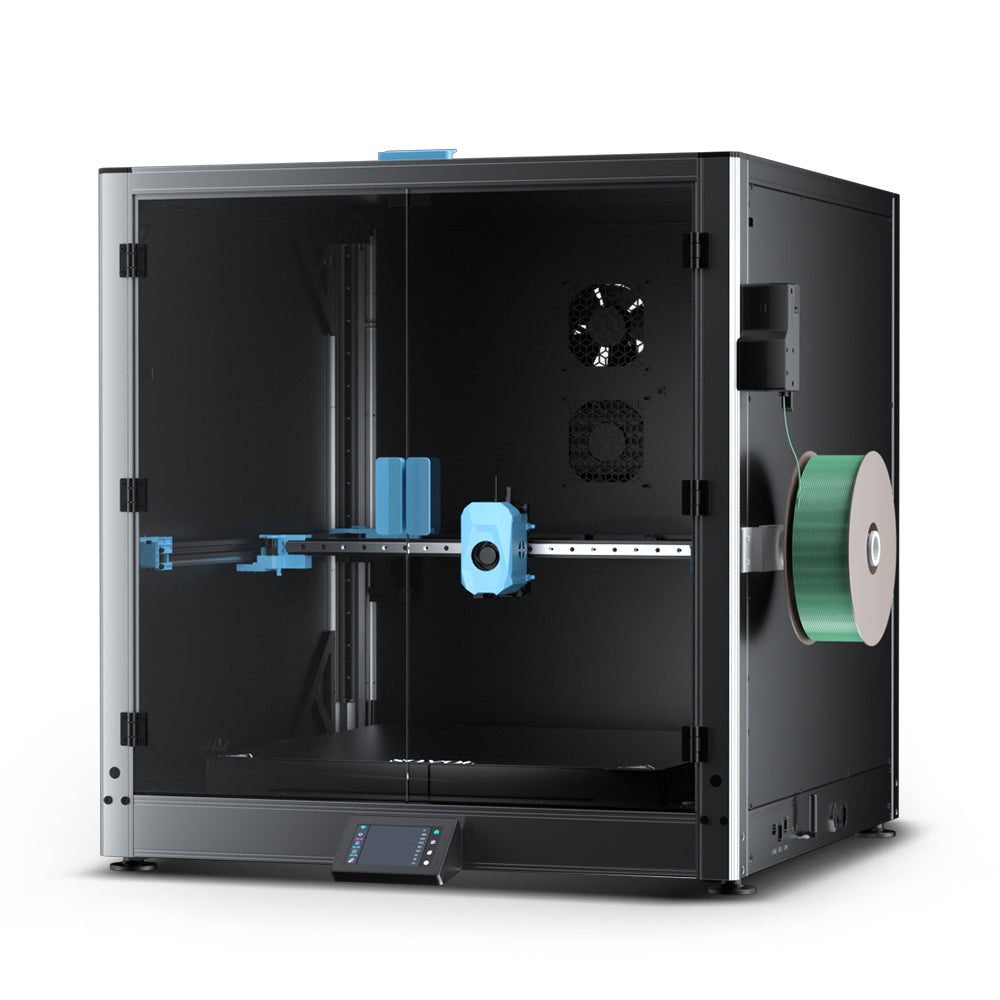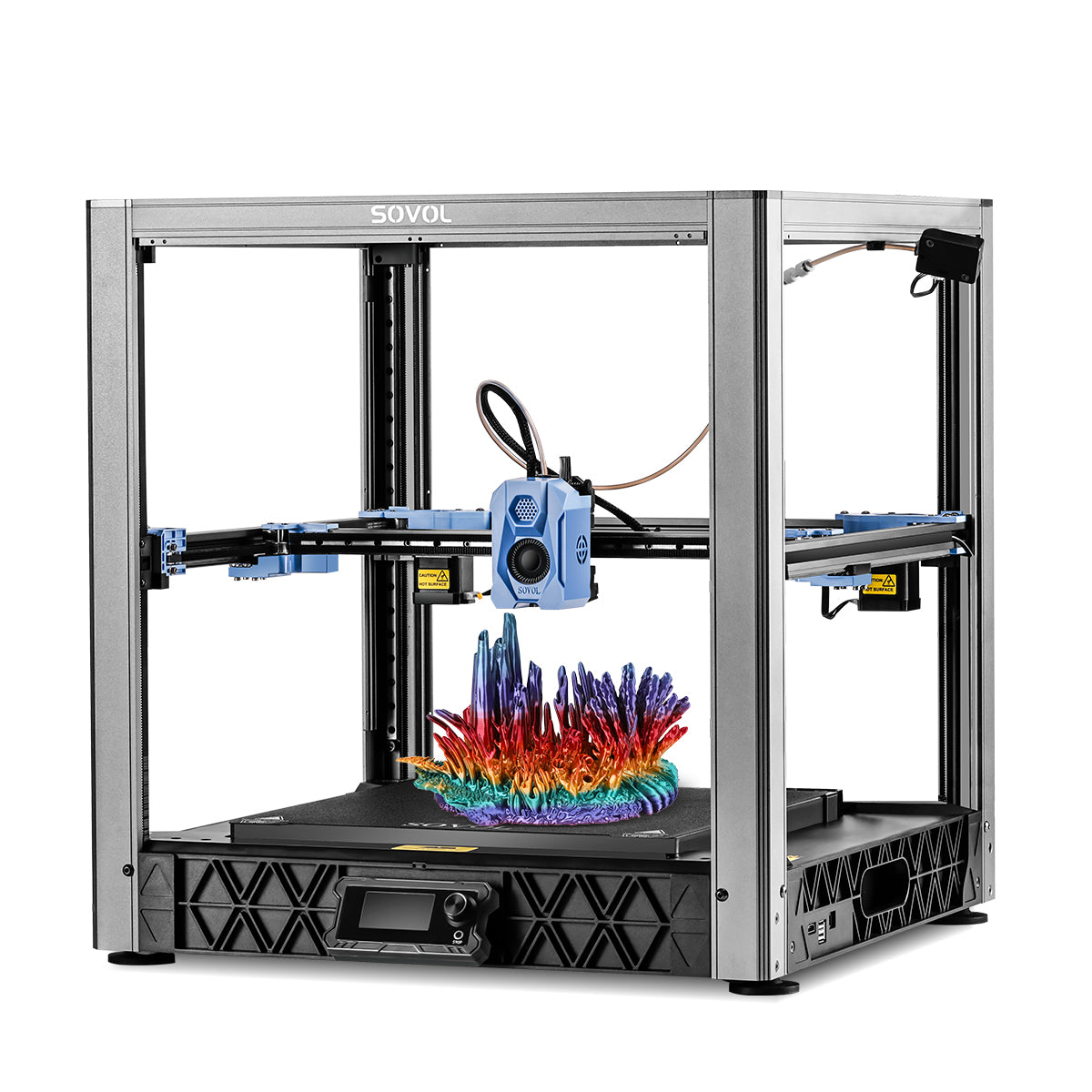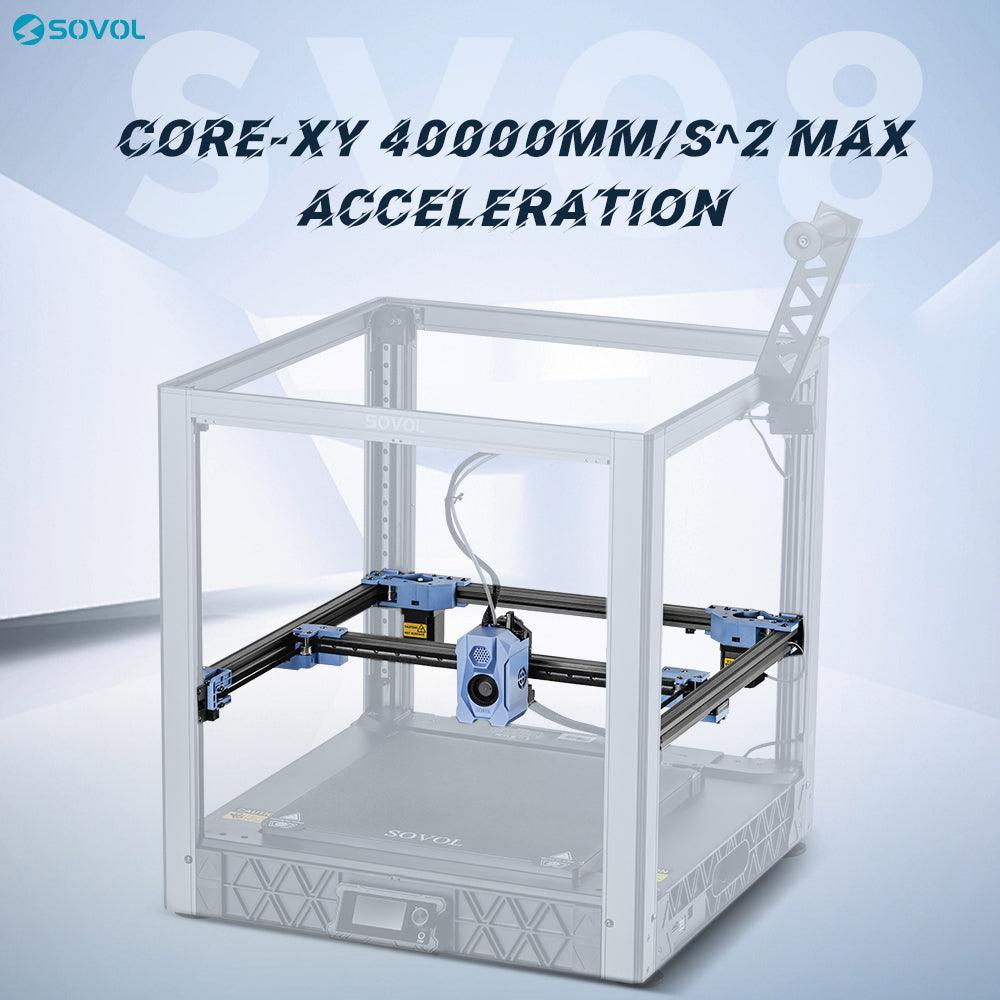
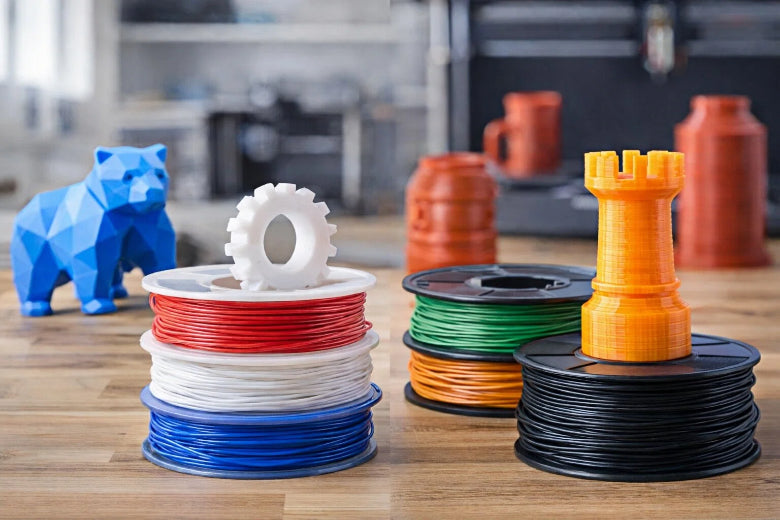
If you want to start 3D printing, I recommend using PLA for your first projects. PLA is the most popular 3d printing filament because it is easy to use and made from plants, so it is good for the environment. PETG offers more strength and heat resistance, which helps when you need durable parts. Choosing the right filament will help you get better prints, improve durability, and make your projects more successful. When you compare PLA vs PETG, you will see that PLA is easier and cheaper, while PETG is stronger and handles heat better.
Key Takeaways
Begin with PLA for your first 3D prints. PLA is simple to use and not expensive. It also makes models with good detail. - Pick PETG if you want parts that are stronger. PETG can handle more heat. It works well for things used outside or for tools. - Know that printing can be harder with PETG. PLA is easier to print. PETG needs hotter settings and more care. - Think about what your project needs. Use PLA for things that look nice. Use PETG for things that need to be strong or handle heat. - Store your filament the right way so it does not get wet. Keep PLA and PETG in dry boxes for the best prints.
What Is PLA 3D Printing Filament?
PLA Properties
PLA is usually the first filament people try for 3D printing. PLA means polylactic acid. It is a type of plastic made from plants like corn or sugarcane. This makes it better for the environment than many other plastics. PLA melts at a lower temperature. You can print with it between 190°C and 220°C. Its glass transition temperature is about 60–65°C. This means it starts to get soft if it gets too warm.
Here is a table that shows some important properties of PLA and PLA+:
|
Property |
PLA |
PLA+ |
|---|---|---|
|
Chemical nature |
Polylactic acid |
Enhanced PLA with additives |
|
Print temperature (°C) |
190–220 |
210–230 |
|
Glass transition (°C) |
~60–65 |
N/A |
|
Tensile strength (MPa) |
50–70 |
60 |
|
Flexural Strength (MPa) |
N/A |
74 |
|
Elongation at Break (%) |
N/A |
20 |
PLA gives your prints a smooth surface. It also holds color very well. You will notice it does not make much smell when you print with it.
PLA Common Uses
PLA works for many projects. It is good when you want easy printing and nice-looking results. Some common uses are:
- Prototypes and models for school or work
- Decorative objects and art pieces
- Toys and figurines
- Parts that do not need to handle much heat or stress
PLA is best for prints that need detail and a nice finish. You can find PLA in many colors. This makes it great for creative projects.
PLA Pros and Cons
PLA has many good points, but there are some things to watch out for. Here is a quick look:
|
Advantage/Disadvantage |
Description |
|---|---|
|
Odor |
PLA makes less smell when printing than other plastics. |
|
Surface Finish |
PLA prints look smooth and are good for detailed models. |
|
Cost |
PLA costs less, so it is good if you want to save money. |
|
Detail Resolution |
PLA gives high detail and does not warp much. |
|
Bed Adhesion and Print Preparation |
PLA sticks well to most print beds. |
|
Decorative or Non-Functional Prints |
PLA is great for colorful and decorative prints. |
|
Color and Appearance Maintenance |
PLA keeps its color for a long time. |
|
Environmental Impact |
PLA is biodegradable and made from plants. |
Tip: PLA is not the best for parts that need to handle high heat or heavy weight. For those, you might want to use polyethylene terephthalate glycol or another stronger filament.
PLA is a great way to start learning about 3D printing. It helps you get good results without much trouble. This makes it perfect for beginners.
What Is PETG 3D Printing Filament?
PETG Properties
PETG means Glycol-Modified Polyethylene Terephthalate. This filament is strong and a little flexible. PETG can handle pulling forces between 50 and 70 MPa. It does not break easily if you drop it. PETG sticks well between layers, so models stay together. You can use PETG for parts that need to last a long time. It does not soak up much water, so it works in wet places. PETG does not break down fast in sunlight or with chemicals. Its glass transition temperature is about 80°C. This means PETG keeps its shape better than PLA when it gets hot.
Note: PETG filament is a good pick if you want prints that are strong and a little flexible.
PETG Common Uses
PETG is good for projects that need to be tough. Here are some things people make with PETG:
- Indoor and outdoor signs
- Storage shelves
- Vending machine panels
- Furniture
- Construction parts
- Mechanical baffles
PETG works for both inside and outside jobs. You can use it for parts that need to handle stress or heat. Many people pick PETG when they want easy printing and strong results.
PETG Pros and Cons
Here is a table to show the main good and bad points of PETG:
|
Disadvantages of PETG |
|
|---|---|
|
Easy to process |
Scratches more easily |
|
High resistance |
Color can change in sunlight |
|
Good for outdoor use |
Scratches can make it less clear |
|
Relatively inexpensive |
|
|
Fast printing speeds |
|
PETG is a great choice when you need more strength and heat resistance than PLA. PETG can scratch more easily than PLA, but it is still a top pick for many 3D printing projects.
PLA vs PETG Comparison
Print Difficulty
When you start 3D printing, you want something easy. PLA is the easiest filament for beginners. You can use lower temperatures with PLA. It sticks well to the print bed. You do not need a heated bed or enclosure for most PLA prints. This makes setup simple and fast. PETG is a bit harder to print. You need higher temperatures for PETG. Sometimes you need an enclosure to keep heat steady. PETG can stick too much to the bed. This makes removing prints tricky. You might see stringing, which means thin plastic threads appear.
Common beginner mistakes:
- Not leveling the print bed for PLA, which causes poor sticking.
- Printing PETG too cold or too hot, which causes stringing or blobs.
- Forgetting an enclosure for PETG in a cold room, which can cause warping.
Tip: Start with PLA if you want fewer problems. Try PETG when you feel ready for a challenge.
Print Quality
Print quality means how smooth and detailed your print looks. PLA gives a clean finish and sharp details. This is great for models, toys, and nice-looking parts. PETG is strong and flexible, but does not always give sharp details. The surface can look less clean because PETG is more flexible.
|
Filament |
Surface Finish |
Detail Level |
|---|---|---|
|
PLA |
Clean |
Sharp |
|
PETG |
Less clean |
Reduced sharpness |
- PLA is known for a clean finish and sharp details, so it is good for detailed prototypes.
- PETG is more durable and flexible, but may not show fine details as well.
Real-world example:
If you print a small figurine, PLA will show tiny details better. PETG works well for bigger parts, but small text or lines may look blurry.
Strength and Durability
Strength means how much force your print can take before breaking. Durability means how long your print lasts, even in tough places.
|
Filament |
Tensile Strength (PSI) |
|---|---|
|
PLA |
|
|
PETG |
7,000 |
Both PLA and PETG are strong, but PETG is more durable. PETG handles drops, bending, and outdoor use better. PLA can snap if you bend it too much.
|
Temperature Scenario |
PLA |
PETG |
|---|---|---|
|
Car Interior (Summer) |
Mostly Stable |
|
|
Dishwasher |
Likely to deform |
May Deform |
|
Hot Water (80°C) |
Likely to deform |
Stable |
|
Outdoor (Direct Sunlight) |
Likely to deform |
Mostly Stable |
Flexibility
Flexibility means how much a part can bend before breaking. PLA is stiff and can snap if you bend it. PETG is more flexible, so it bends before breaking. This makes PETG good for clips, brackets, or parts that need to handle stress.
Beginner tip:
If you need a part that must flex or take a hit, choose PETG. For models or decorations, PLA works best.
Heat Resistance
Heat resistance tells you how much heat a filament can take before it gets soft or melts.
|
Material |
Maximum Heat Resistance (°C) |
|---|---|
|
PLA |
200±15 |
|
PETG |
PLA gets soft at lower temperatures. If you leave a PLA print in a hot car or near a window, it may warp or lose shape. PETG can handle more heat, so it works better for enclosures, car parts, or anything that needs to be strong and heat-resistant.
Moisture Sensitivity
Moisture sensitivity means how much water the filament takes from the air. Both PLA and PETG can take in moisture, but PETG handles it better.
- Moisture causes stringing, bubbling, and weak layers, which hurt print quality.
- PETG has better moisture tolerance than PLA, so it works better in different places.
Common beginner mistakes:
- Leaving PLA or PETG out in the open, which leads to poor print quality.
- Not drying filament before printing, causing bubbles or weak prints.
Tip: Store your filament in a dry box or sealed bag to keep it dry.
Typical Use Cases
You can use PLA and PETG for many projects, but each has its best uses.
|
Use Case |
Description |
|---|---|
|
Helps you make new products and change designs faster, so you do not need expensive tools. |
|
|
Functional Parts & End-Use |
Used for making parts that work and can be used in real life. |
|
Tooling & Fixtures |
Used to make tools and holders for building things. |
|
Visual Models & Concept Design |
Good for making models to show ideas for presentations and checks. |
|
Educational & Training Models |
Used in schools for teaching and training. |
|
Others |
Includes other uses not listed above. |
- PLA is best for visual models, prototypes, and school prints.
- PETG is better for working parts, enclosures, and anything that needs to be strong and heat-resistant.
Summary:
When you compare PLA vs PETG, you see that PLA is easier and cheaper. It gives better print quality for detailed models. PETG is stronger, more durable, and heat-resistant. This makes it the top choice for enclosures and working parts. You should choose PLA for nice-looking or low-stress parts. Pick PETG when you need strength and durability.
PLA vs PETG Table
You may find it helpful to see the main differences between PLA filament and PETG filament in a simple table. This can make your decision easier when choosing a 3D printing filament for your next project.
|
Property |
PLA |
PETG |
What It Means for You |
|---|---|---|---|
|
50–65 |
40–55 |
PLA gives you strong, rigid prints. PETG is strong but more flexible. |
|
|
Elongation at Break (%) |
3–10 |
100–300 |
PETG bends much more before breaking. PLA snaps with less bending. |
|
Impact Resistance (J/m) |
15–40 |
80–150 |
PETG absorbs shocks better. Use PETG for parts that might get dropped. |
|
Layer Adhesion |
Good |
Excellent |
PETG layers stick together very well. This means tougher parts. |
|
Heat Deflection Temp (°C) |
50–60 |
70–80 |
PETG keeps its shape in higher heat. PLA can warp in hot places. |
|
Chemical/Water Resistance |
Low |
High |
PETG resists water and chemicals. PLA does not. |
Cost and Use Table
You should also think about cost and what each filament is good for. Here is a quick look:
|
Filament Type |
Best For |
|
|---|---|---|
|
PLA |
$15–25 |
Basic jobs, models, learning 3D printing |
|
PETG |
$20–30 |
Stronger, flexible, and outdoor parts |
|
Specialty |
$40–200+ |
Special needs like glow, wood, or metal effects |
- PLA filament costs less and is great for beginners.
- PETG filament gives you more strength and flexibility for a little more money.
When you compare PLA vs PETG, you see that each 3D printing filament has its own strengths. Use these tables to match your project needs with the right material.
Which Filament Should Beginners Choose?
Choosing the right 3D printing filament can help you get better results and avoid frustration. You should think about your project needs, your printer’s abilities, and what you want from your prints. Here is a simple table to help you compare the two most popular options:
|
Filament Type |
Pros |
Cons |
|---|---|---|
|
PLA |
Easy to print, minimal warping, biodegradable, available in many colors |
Low heat resistance, brittle under stress, not ideal for outdoor use |
|
PETG |
Combines strength of ABS with ease of PLA, good chemical and moisture resistance |
Can string during printing, slightly more difficult to fine-tune settings |
Ask yourself these questions before you choose:
- Do you want to print models, toys, or decorations?
- Will your part need to handle heat, bending, or outdoor weather?
- Does your printer have a heated bed or enclosure?
- Are you looking for easy printing with fewer problems?
Use this decision guide:
- Pick PLA if you want easy printing, bright colors, and smooth finishes. It works well for school projects, prototypes, and items that will stay indoors. You do not need a heated bed for most prints.
- Choose PETG if you need stronger, more flexible parts. It is a good choice for items that must handle stress, heat, or moisture. Make sure your printer can reach higher temperatures and has a heated bed.
You can always experiment as you learn. Both filaments help you explore the world of 3D printing and find what works best for your projects.
Printing Tips for PLA and PETG
PLA Print Settings
You can get great results with PLA filament by using the right settings. Here is a quick table to help you:
|
Material |
Nozzle Temperature (°C) |
Bed Temperature (°C) |
|---|---|---|
|
PLA |
200–220 |
50–60 |
- If you see stringing (thin plastic threads) or blobs, your nozzle may be too hot.
- If your print warps or curls at the edges, try lowering the temperature.
- Weak or brittle prints often mean the nozzle is too cold.
PETG Print Settings
PETG filament needs higher temperatures and a bit more care. Use this table as a guide:
|
Setting |
Value |
|---|---|
|
Nozzle Temperature |
|
|
Bed Temperature |
70–85°C |
|
Retraction Length |
Low |
- Lower the nozzle temperature by 5°C if you see stringing.
- Dry your filament before printing to avoid rough surfaces.
- Keep retraction (pulling filament back to prevent oozing) low.
- Print slower for better bonding.
Bed Adhesion
Good bed adhesion helps your print stick to the build plate. Try these tips:
- Set your first layer height to 0.2–0.3mm.
- Increase the first layer width to 120–150% of your nozzle size.
- Slow down the first layer speed.
- Turn off the cooling fan for the first layer.
- Clean your bed with IPA (isopropyl alcohol) or warm soapy water.
|
Cleaning Agent |
Effectiveness Description |
|---|---|
|
IPA (90%) |
Excellent for routine cleaning. |
|
Warm Soapy Water + Soft Brush |
Removes dust and oils, enhances grip. |
Storage and Handling
Moisture can ruin your 3D printing filament. Store PLA and PETG in dry containers. Dry PETG before printing, especially if you hear popping sounds or see rough surfaces. Always wipe the filament with a dry cloth before loading.
Troubleshooting
If you have problems with PLA vs PETG, try these steps:
- Use a glue stick or hair gel if the first layer peels up.
- Dry your filament to avoid bubbles and weak prints.
- Lower the temperature if you see stringing.
- Check for dust or water before loading filament.
- Clean the nozzle before long prints.
You should start with pla if you want easy and reliable results. If you need stronger or heat-resistant parts, try PETG as you gain experience. Both filaments help you learn and experiment with 3D printing. Each project teaches you something new. Pick your filament and begin your next print today!
FAQ
What is the main difference between PLA and PETG filament?
PLA filament is easier to print and gives a smooth finish. PETG filament is stronger and handles heat better. You should use PLA for simple models. Choose PETG for parts that need strength or heat resistance.
Can I use PETG filament on any 3D printer?
Most 3D printers can use PETG filament. You need a heated bed and a nozzle that reaches at least 230°C. Check your printer’s manual before you start.
Why does my PETG print have stringing?
PETG filament can leave thin plastic threads called stringing. Lower the nozzle temperature or adjust retraction settings. Dry your filament before printing to reduce stringing.
Which filament is safer for indoor use?
PLA filament is safer for indoor use. It comes from plants and makes little odor. PETG filament is also safe but may smell more during printing. Always use good ventilation.