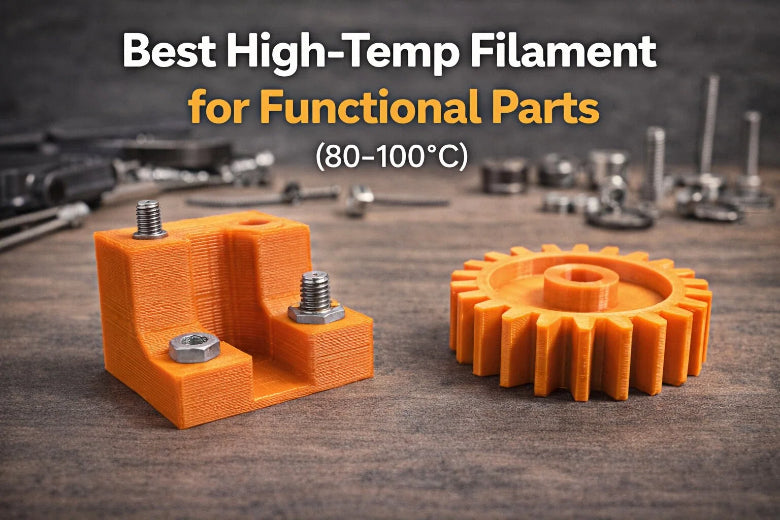
If you’ve ever pulled a “perfect” print off the bed… then watched it slowly sag, creep, or warp after a week in the real world, you already know the painful truth:
For functional parts, heat resistance is usually the first spec that turns a nice-looking print into a reliable part.
This guide focuses on the 80–100°C “warm-to-hot environment” range—think car interiors, electronics enclosures, tool mounts near motors, outdoor hardware in the sun—where PLA tends to disappoint and “strong” doesn’t automatically mean “heat safe.”
If you’re searching for a heat resistant filament for functional parts, this is the decision range where PETG and ASA usually become the real shortlist.
We’ll keep it beginner-friendly and practical, with a simple decision framework that works for makerspaces, school labs, and ambitious hobbyists alike.
First, a quick reality check: Tg vs HDT (and why your part still failed)
You’ll see two temperature numbers thrown around:
- Tg (glass transition temperature): when a plastic starts to soften.
- HDT (heat deflection temperature): when a part bends under load at a given temperature.
When you’re comparing materials, you’ll often see the phrase filament heat deflection temperature (HDT). It’s one of the most useful numbers for predicting whether a bracket will slowly bend when it’s warm and stressed.
If you want the short version: HDT is usually the number that matches real functional failures (brackets bending, mounts creeping, clamps losing tension).
Snapmaker has a clear explainer on how glass transition temperature vs heat deflection temperature are different—and why confusing them is one of the most common beginner mistakes.
Key Takeaway: A “90°C-rated” material can still fail at 70–80°C if the part is under load and the design is thin.
A 60-second needs assessment (don’t skip this)
Before you pick a filament, answer these four questions:
- Where is the heat coming from? (sunlight, hot air, a motor, electronics, a heated surface)
- Is the part under constant load? (hanging weight, clamped tight, spring tension, bolted and stressed)
- Is it outdoors or near UV? (sunlight is brutal on some plastics)
- How predictable is the environment? (brief heat spikes vs all-day warmth)
Why this matters: “Best filament” changes fast once you add UV exposure or long-term stress.
The best filament for the 80–100°C range is usually one of these three
There are lots of “high temp” materials, but for the 80–100°C class and a buyer’s-guide mindset, you can usually decide between:
PETG: the easiest upgrade from PLA (and often “enough”)
PETG is popular because it’s:
- more temperature-resistant than PLA
- tough and slightly flexible (often a good thing for functional parts)
- relatively forgiving to print compared to ASA/ABS
Choose PETG when:
- your part will see moderate heat, not constant stress in a hot environment
- you want an easier path for a classroom or makerspace (fewer warps, less drama)
- you’re printing functional fixtures, brackets, tool organizers, or enclosures that won’t be baked all day
Watch-outs:
- PETG can be stringy/oozy if your temps or retraction aren’t dialed in
- PETG can creep under sustained load (think “slow bending over time”)
ASA: the outdoor-ready choice when heat and UV both matter
ASA is often the “adult version” of ABS for many makers because it keeps the heat performance and adds better weather/UV resistance.
Sovol’s own comparison notes that ASA holds up well outdoors and in heat, but it’s more demanding to print than PETG—see their Top 10 3D printing filaments comparison (2025).
Choose ASA when:
- the part will live outdoors (sun + heat) or in a hot car interior
- you need better shape retention than PETG
- you can support the printing requirements (more on that below)
Watch-outs:
- ASA is more prone to warping without temperature stability
- ventilation matters (don’t print styrenic materials in poorly ventilated classrooms)
ABS: still useful, but usually a “only if you know why” pick
ABS can handle heat well, and it’s impact resistant—but it’s also notorious for warping and fumes.
Choose ABS when:
- you already have the workflow dialed (enclosure, ventilation, adhesion)
- you want ASA-like performance but ASA isn’t available in the color/brand you need
Watch-outs:
- ABS is often the hardest of the three to print cleanly for mixed-skill groups
Decision framework: pick the best high temperature filament for your use
Use this as your default decision order.
Step 1: If it’s outdoors, ASA usually wins
Outdoor + functional part is where PETG vs ASA becomes simple.
If you’re looking for the best filament for hot environments outdoors (sun + heat + time), ASA is usually the safer choice than PETG.
- If UV + heat + time matter: ASA
- If it’s shaded/temporary/light-duty: PETG can work
Step 2: If the part is under constant load, be conservative
A part that’s “fine” at 85°C sitting on a table may deform at 70–80°C while holding weight.
If your part is load-bearing or clamped:
- favor ASA/ABS over PETG
- increase wall thickness and use ribs (design can buy you as much as material)
For a reference point on how widely heat numbers vary by material (and test method), PADT compiled a helpful table in Choosing a 3D Printing Material for its Temperature-Handling Capabilities (2023). The important takeaway isn’t one magic number—it’s that PLA is low, while ASA/ABS class materials sit much higher under typical test conditions.
Step 3: If you can’t run fumes safely, avoid ASA/ABS in shared spaces
This is the practical makerspace/school constraint that overrides everything.
If you don’t have:
- good ventilation
- an enclosure strategy
- a clear safety policy
…then PETG is usually the “best high temperature filament” you can responsibly standardize on for many shared environments.
⚠️ Warning: Heat-resistant prints are great. Unmanaged fumes in a closed classroom are not. When in doubt, choose safer materials and better ventilation.
Deal-breakers and red flags (the stuff that ruins “high temp” prints)
Red flag 1: You’re ignoring moisture
Moisture makes functional prints weaker and uglier. Symptoms include popping/crackling, stringing, bubbles, pitted surfaces, and poor layer bonding.
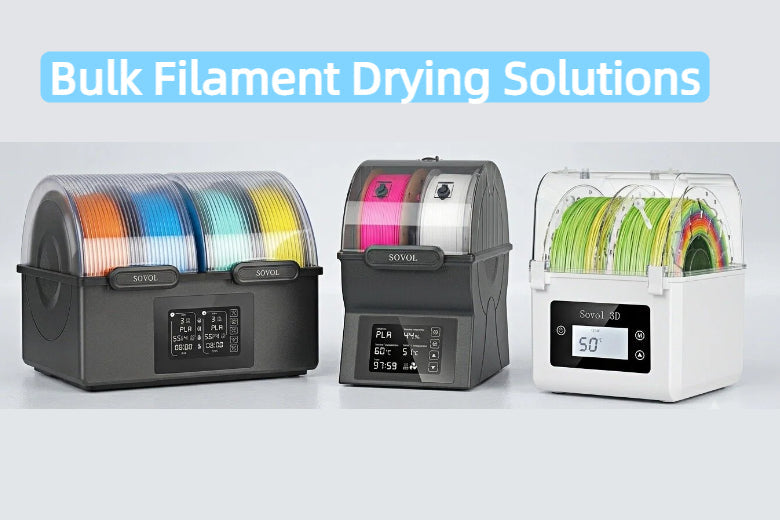
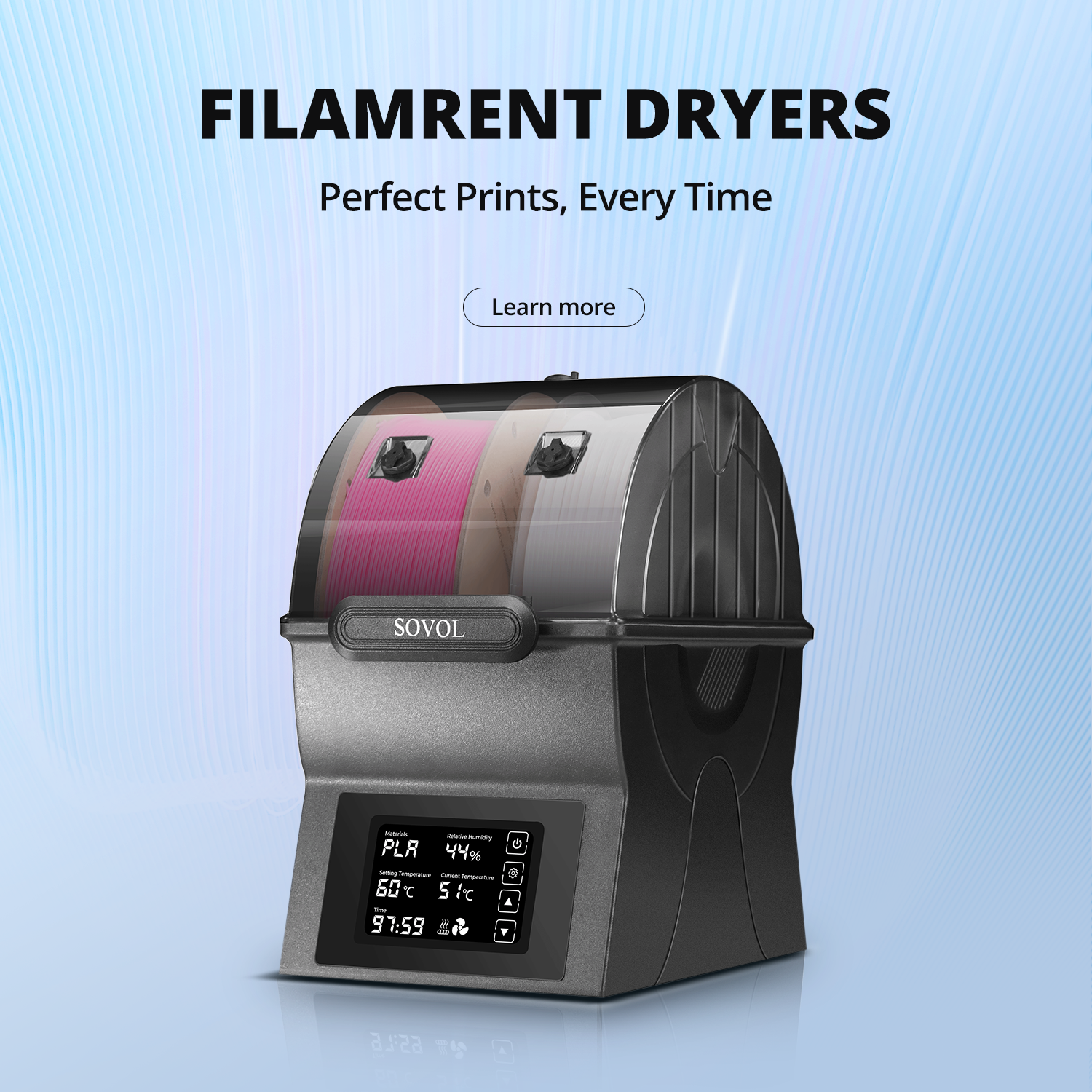
Sovol’s guide on controlling humidity for better 3D printing results (2026) includes practical symptoms and baseline drying guidance (for example, PETG drying around 65°C with a minimum time).
Red flag 2: You’re choosing filament before checking printer limits
For this temperature class, most printers can handle PETG. ASA/ABS is where printer setup becomes the deciding factor.
Two quick checks:
- Bed temperature: can your bed maintain the temperature you need without wild swings?
- Nozzle/hotend: can you reliably reach and hold the required temp (and is it an all‑metal hotend where needed)?
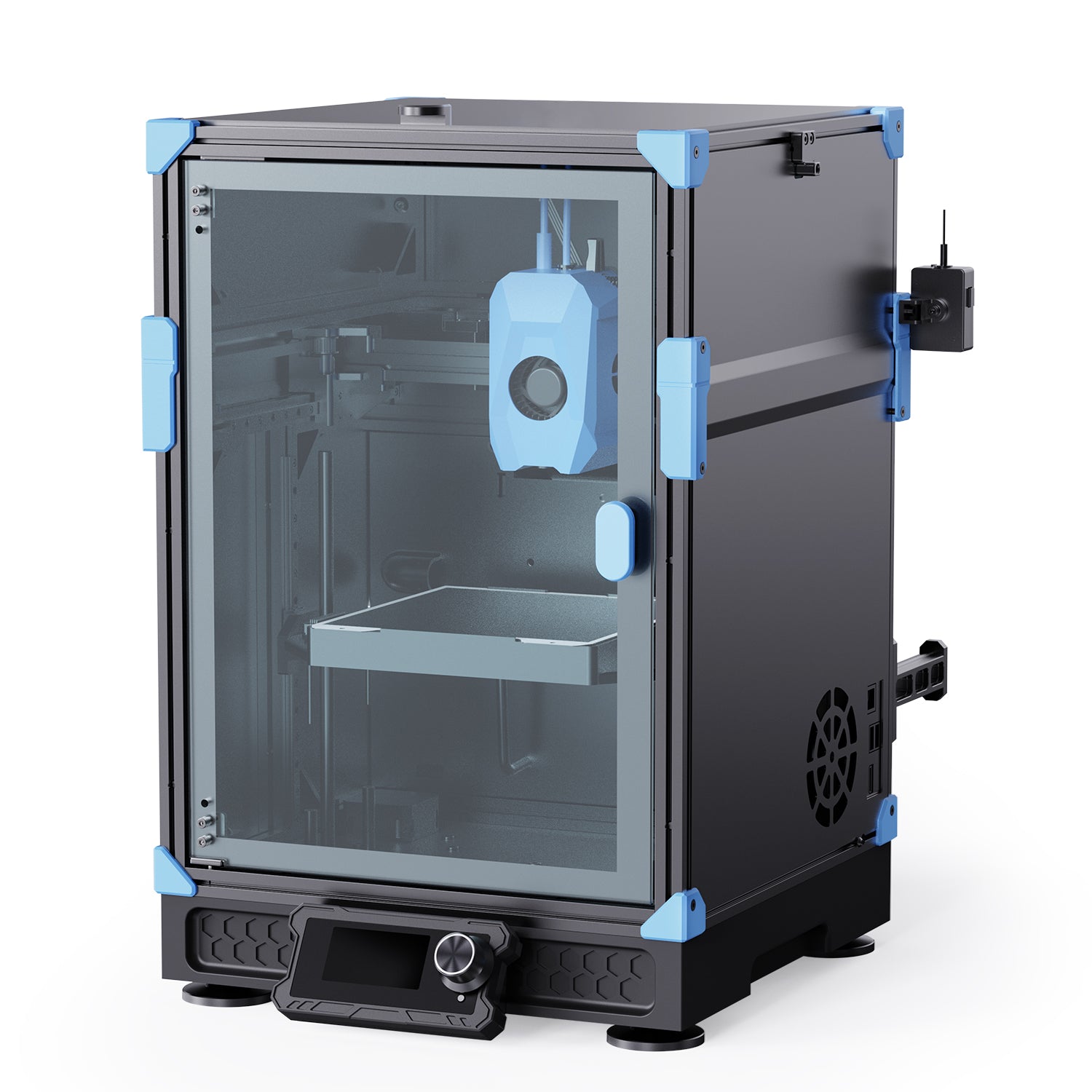
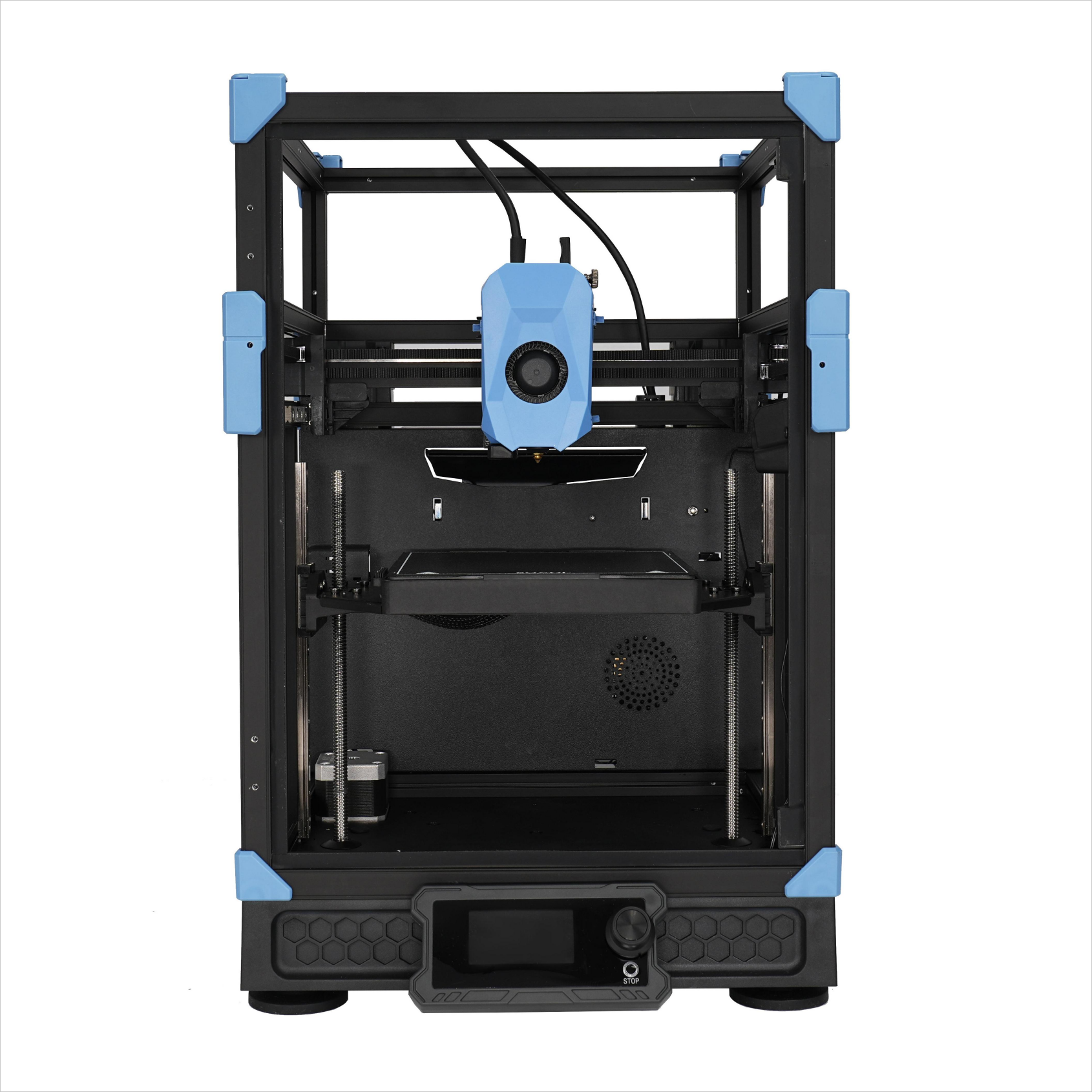
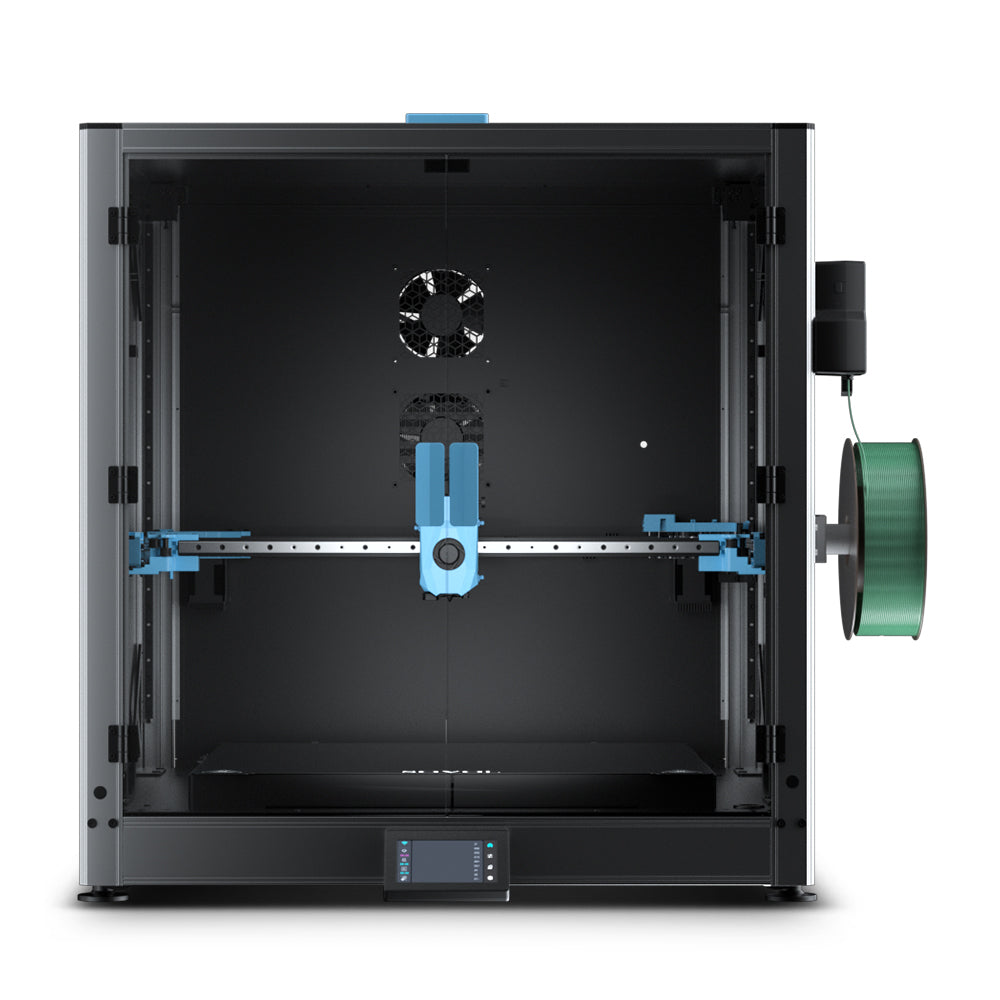
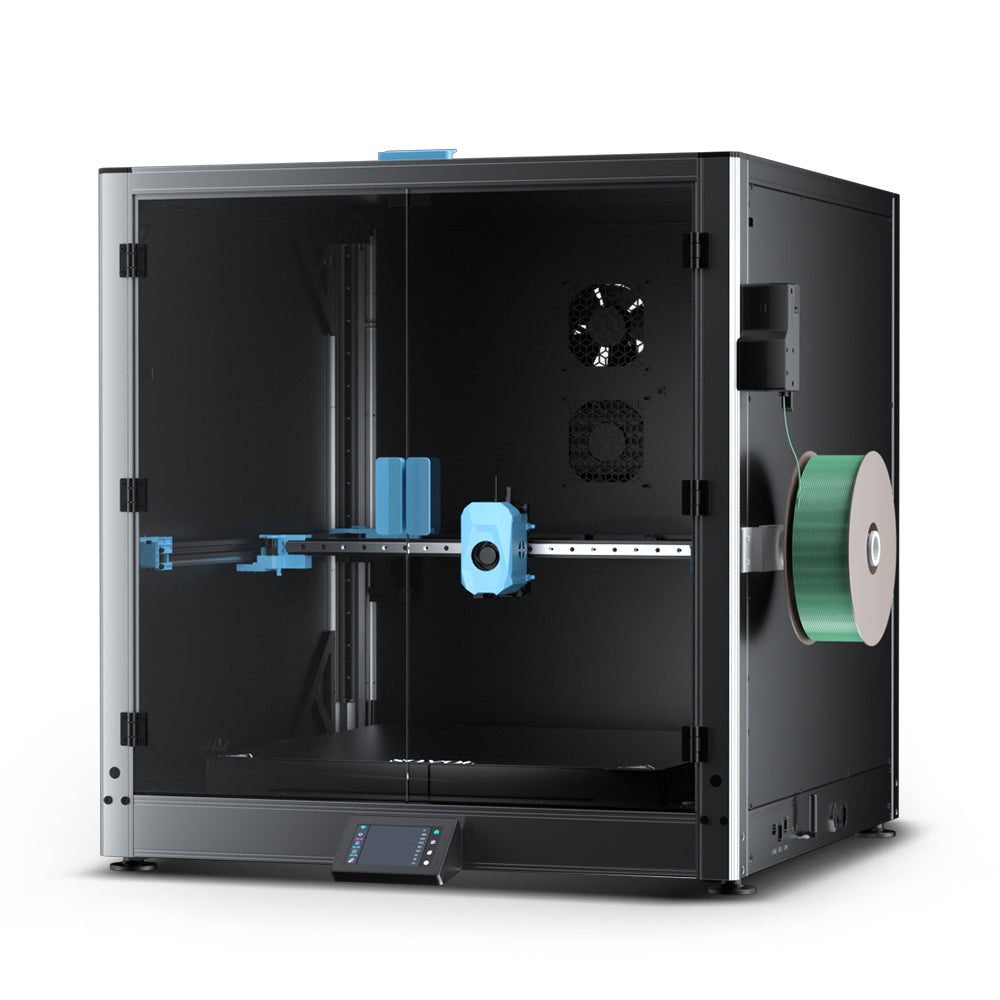
If you’re choosing a printer (or standardizing in a makerspace), it’s worth looking at machines designed for tougher materials. For example, the enclosed Sovol Zero is positioned around higher-temp capability (including a higher-temp hotend and bed) and includes filtration—useful when you’re trying to make ASA/ABS more predictable in real rooms.
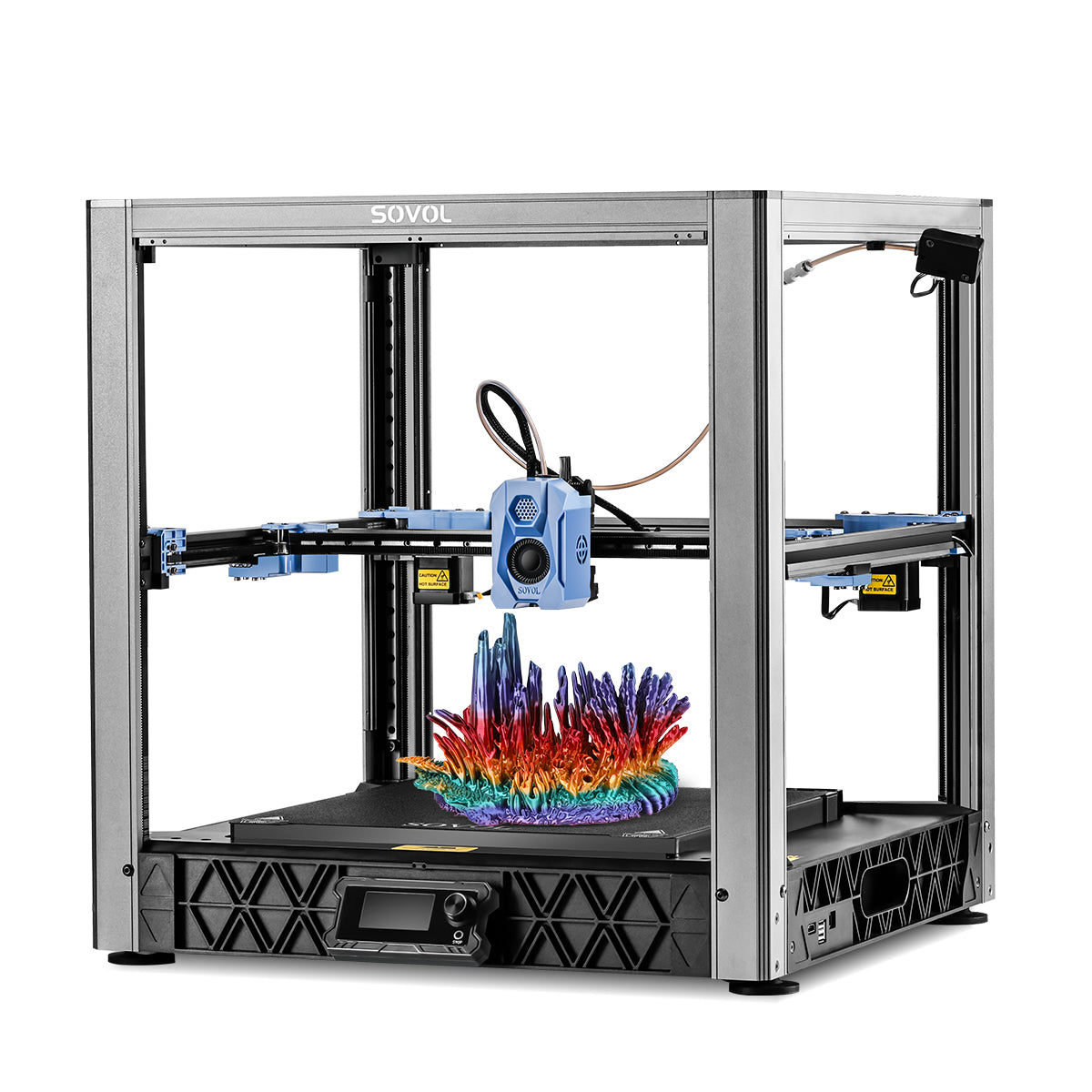
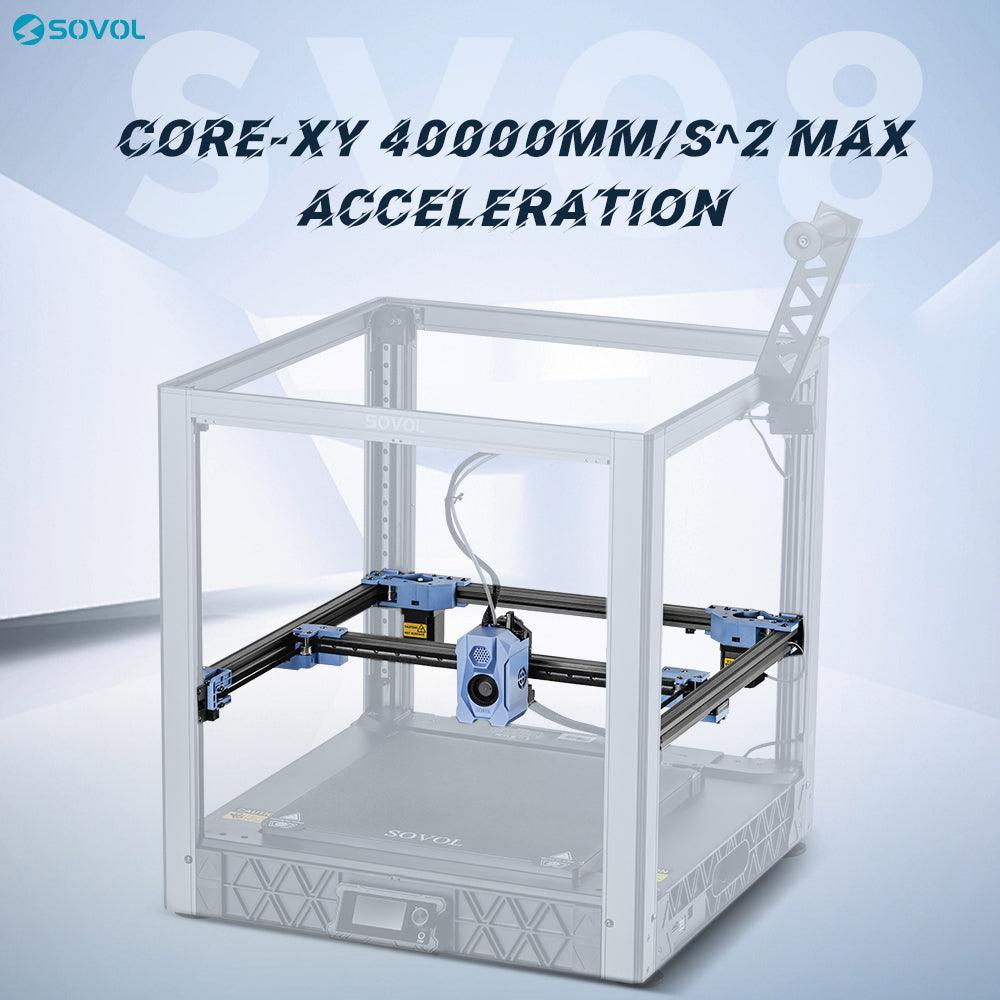
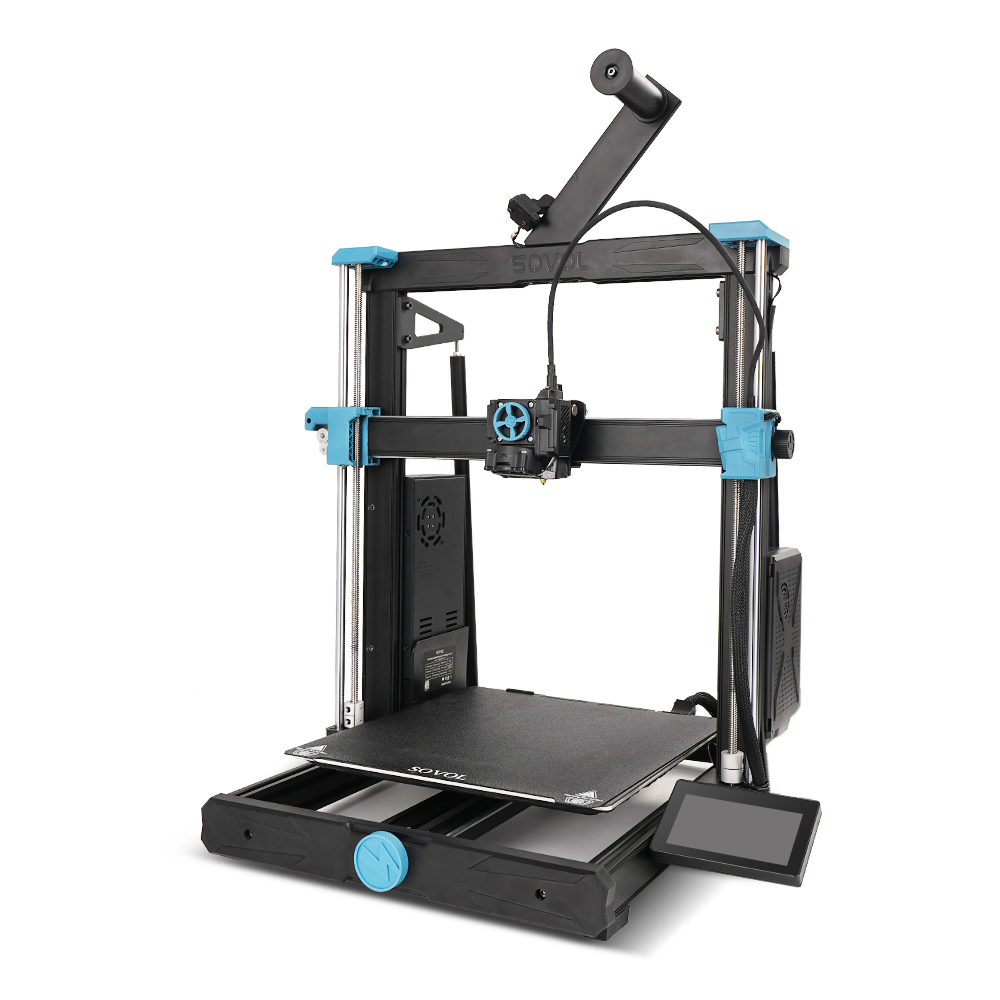
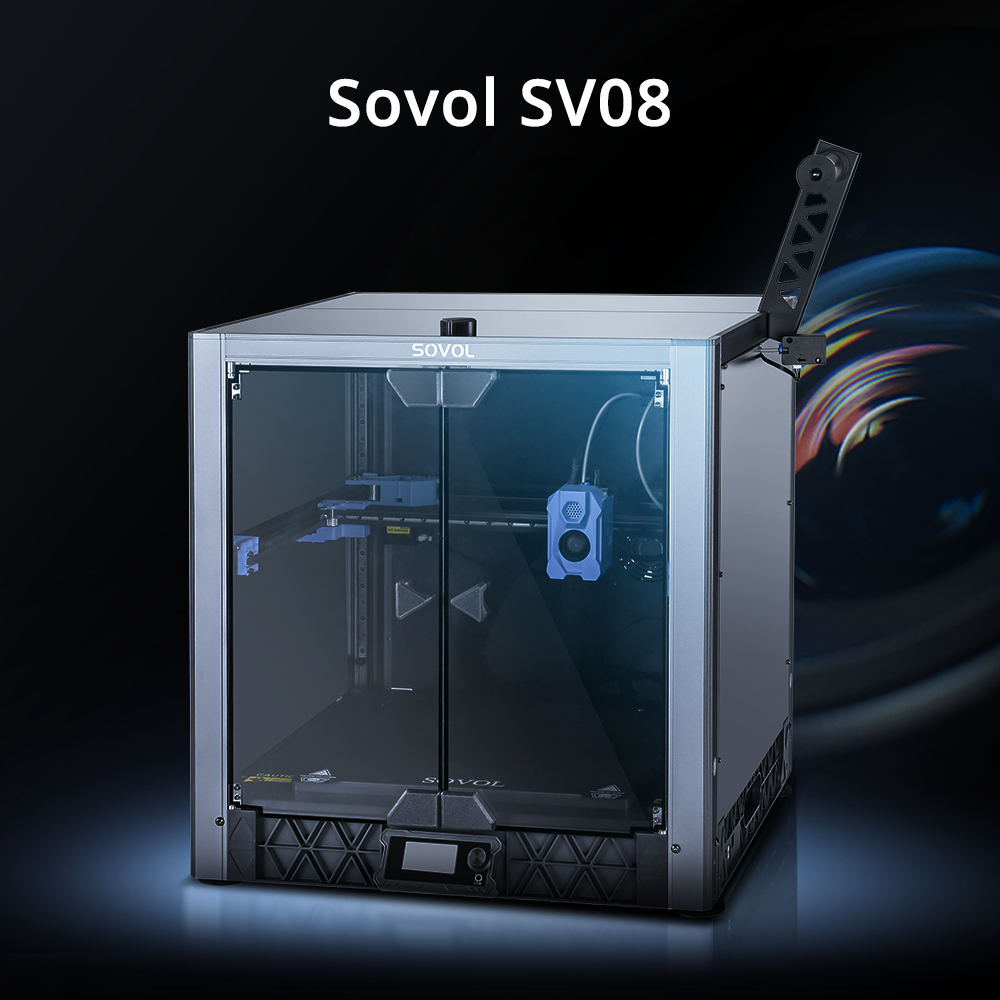
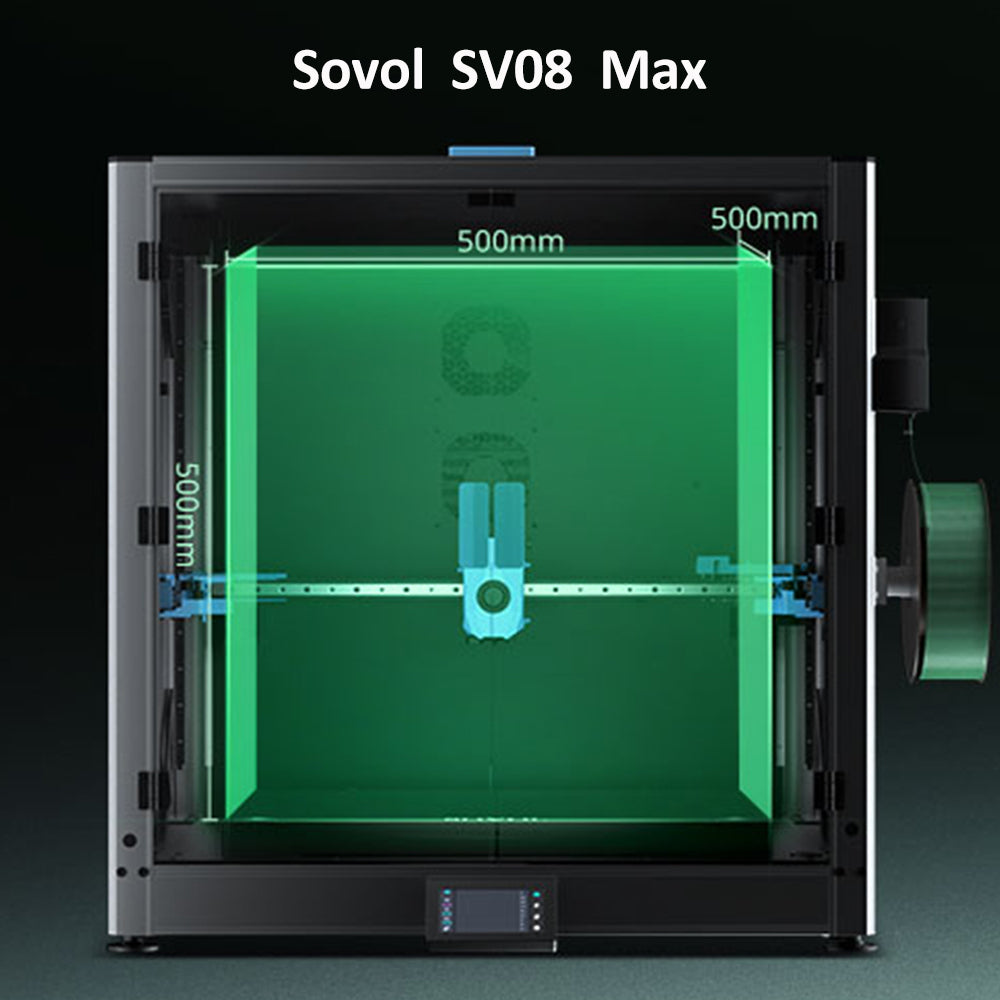
If you’re running an open-frame setup, a platform like the Sovol SV08 supports a wide range of materials with stated nozzle/bed limits, and enclosure can be handled via add-ons—helpful when you want PETG now and the option to grow into ASA later.
How to get consistent results (beginner-friendly, high impact)
Start with PETG as your “functional default”
For mixed skill levels (makerspaces and clubs), PETG is often the best balance of:
- heat resistance (relative to PLA)
- durability
- print success rate
Then treat ASA as your “level up” material once the workflow is stable.
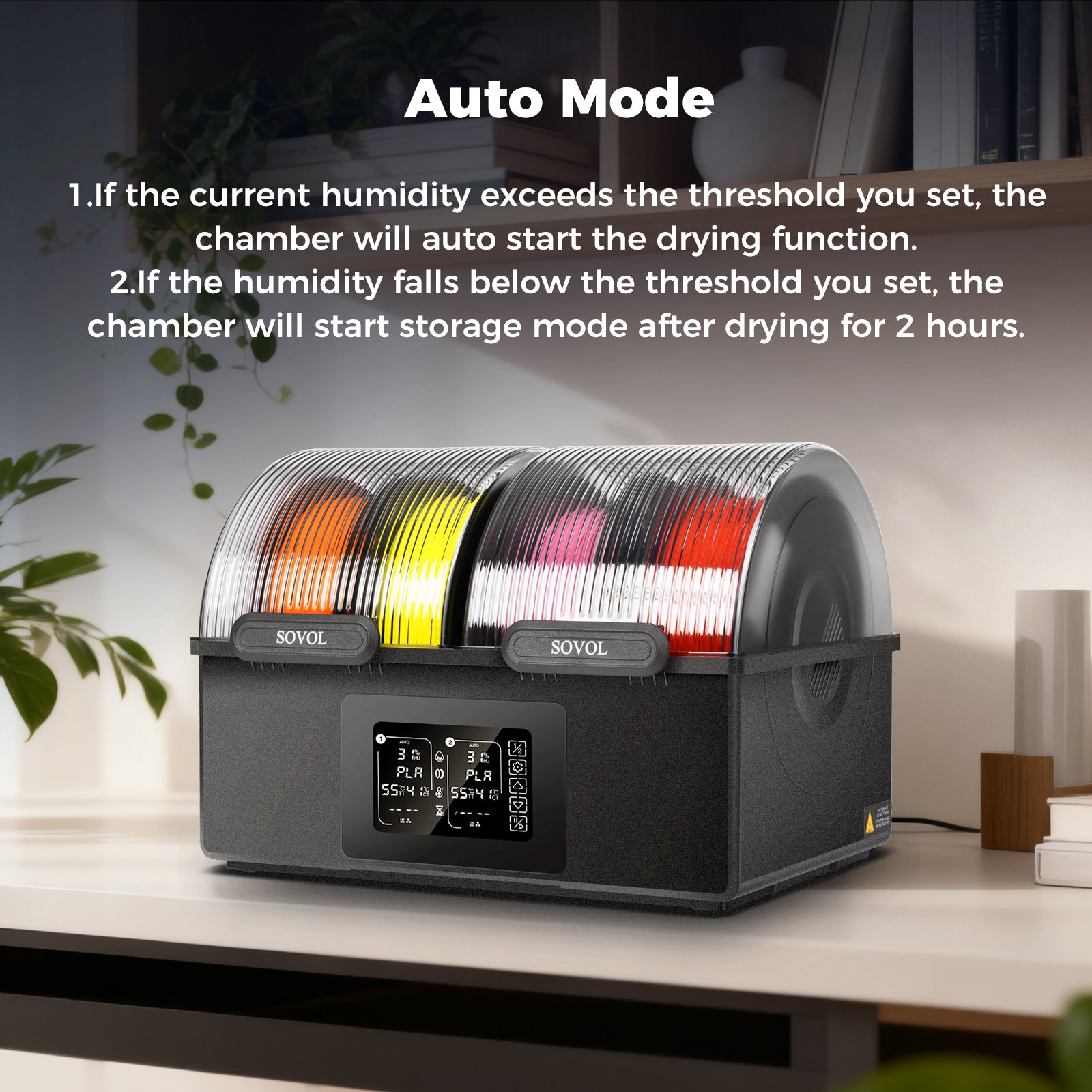
Control humidity before you chase slicer settings
If you’re seeing stringing, blobs, or a rough surface:
- dry the spool
- store it sealed with desiccant
- use a cheap hygrometer in the filament bin
Most tuning is wasted time if the filament is wet.
Use the simplest design changes first
If a part is failing in heat:
- increase wall count
- add ribs
- avoid thin unsupported spans
- reduce constant stress if possible (a bolt + washer can change everything)
Often, that’s easier than jumping to a harder filament.
FAQ
What is the best high temperature filament for beginners?
If you’re defining “high temperature” as the 80–100°C class, PETG is often the most beginner-friendly step up from PLA. It won’t replace ASA for outdoor/UV-heavy or high-stress heat use, but it’s the easiest material to standardize on for shared spaces.
ASA vs PETG for outdoor parts: which should I pick?
If the part will sit in sun and weather long-term, ASA is usually the safer bet. PETG can work for shaded or low-stress outdoor parts, but ASA is generally chosen when UV and heat exposure are both real requirements.
Is ABS better than ASA?
For many makers, ASA is preferred for outdoor durability. ABS is still useful, but it’s often picked when you already have an ABS workflow dialed in or ASA isn’t available for your needs.
Do I need an enclosure for ASA?
Most people find ASA dramatically easier with a stable, warm print environment (often an enclosure), plus good ventilation. Without that, warping and failed prints become much more common.
Next steps
If you want one simple rule to standardize in a makerspace: make PETG your default functional filament, then add ASA as a controlled “advanced material” with clear ventilation and enclosure guidelines.
And if you’re trying to make ASA printing more predictable for your community, start by standardizing the environment (enclosure + stable temps + monitoring). Looking at printers designed for tougher materials—like an enclosed setup with strong bed/nozzle headroom and filtration—can reduce the amount of “mystery failure” that beginners run into.