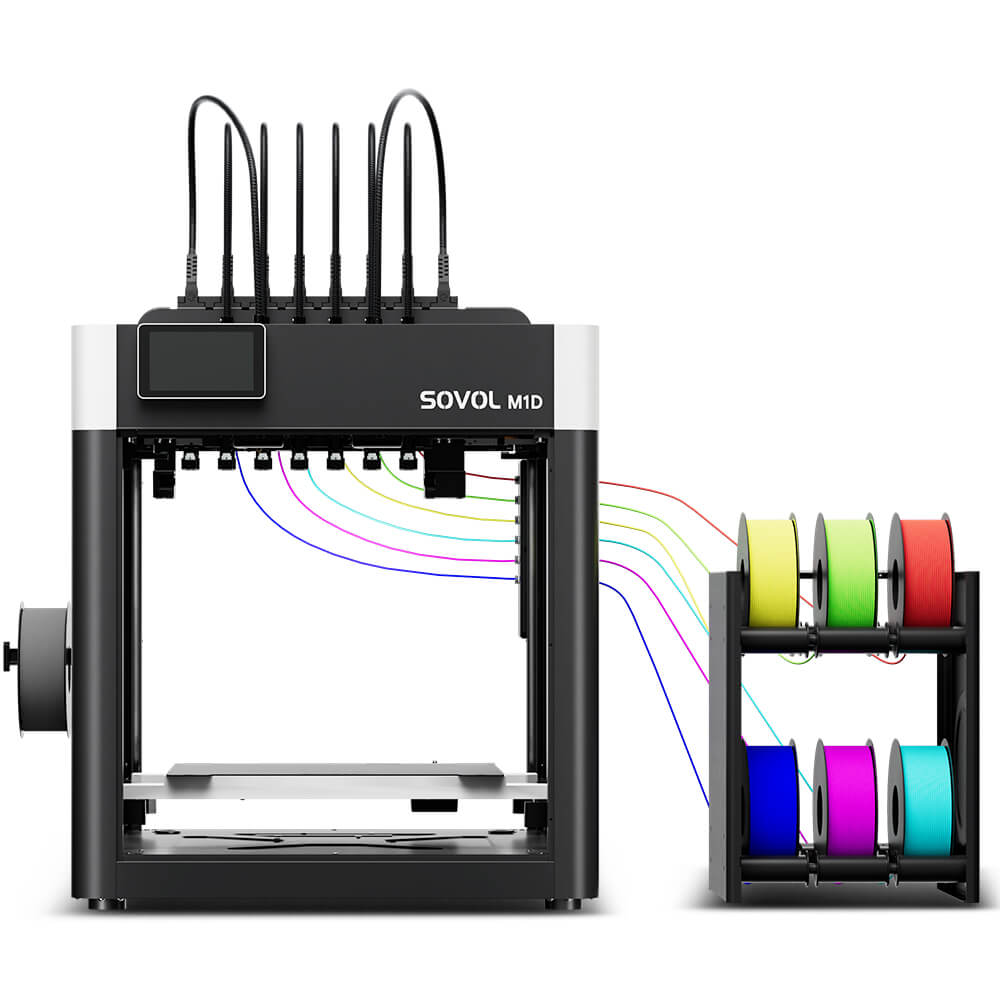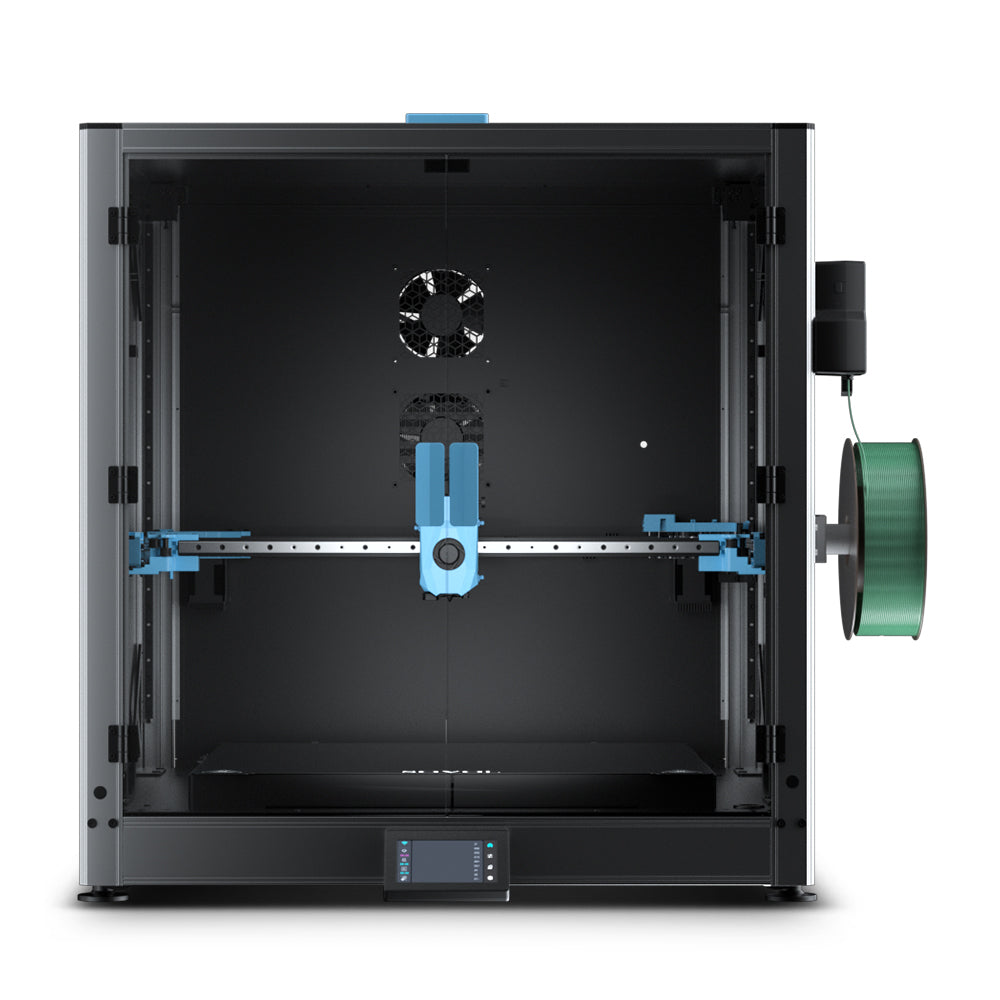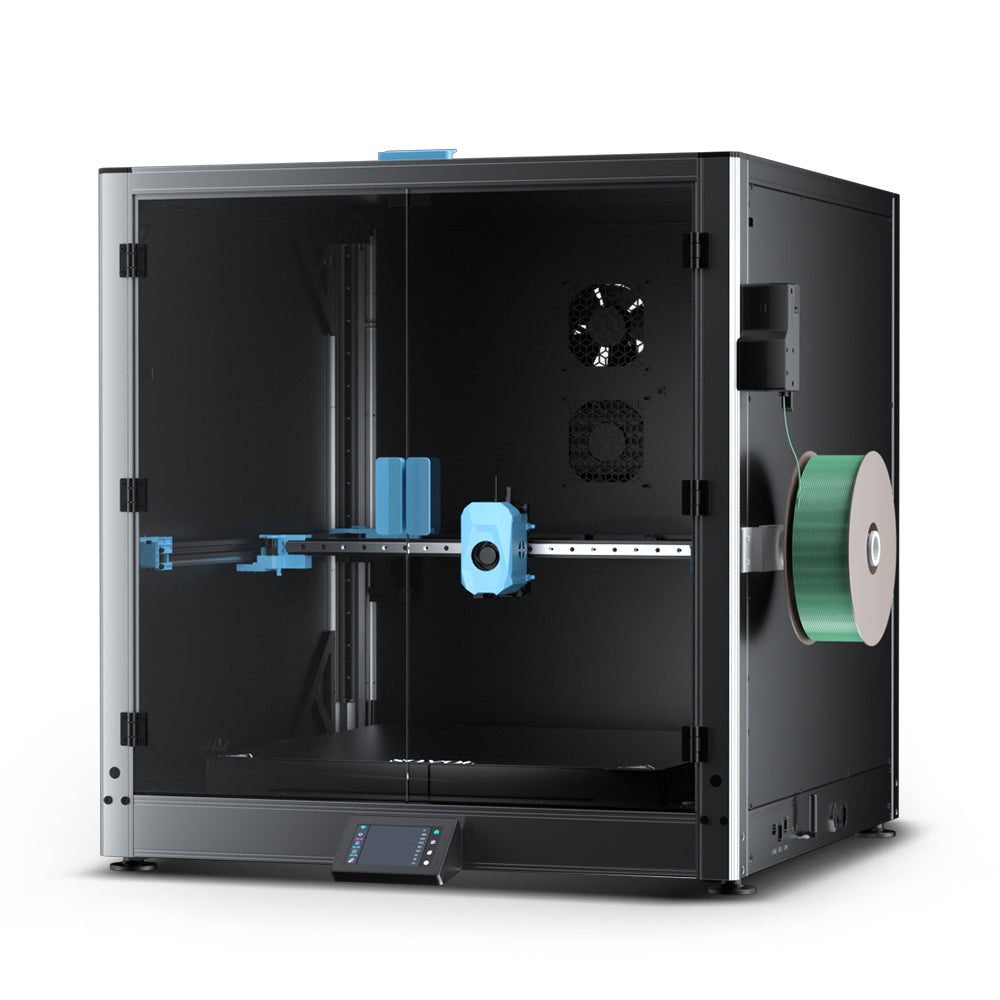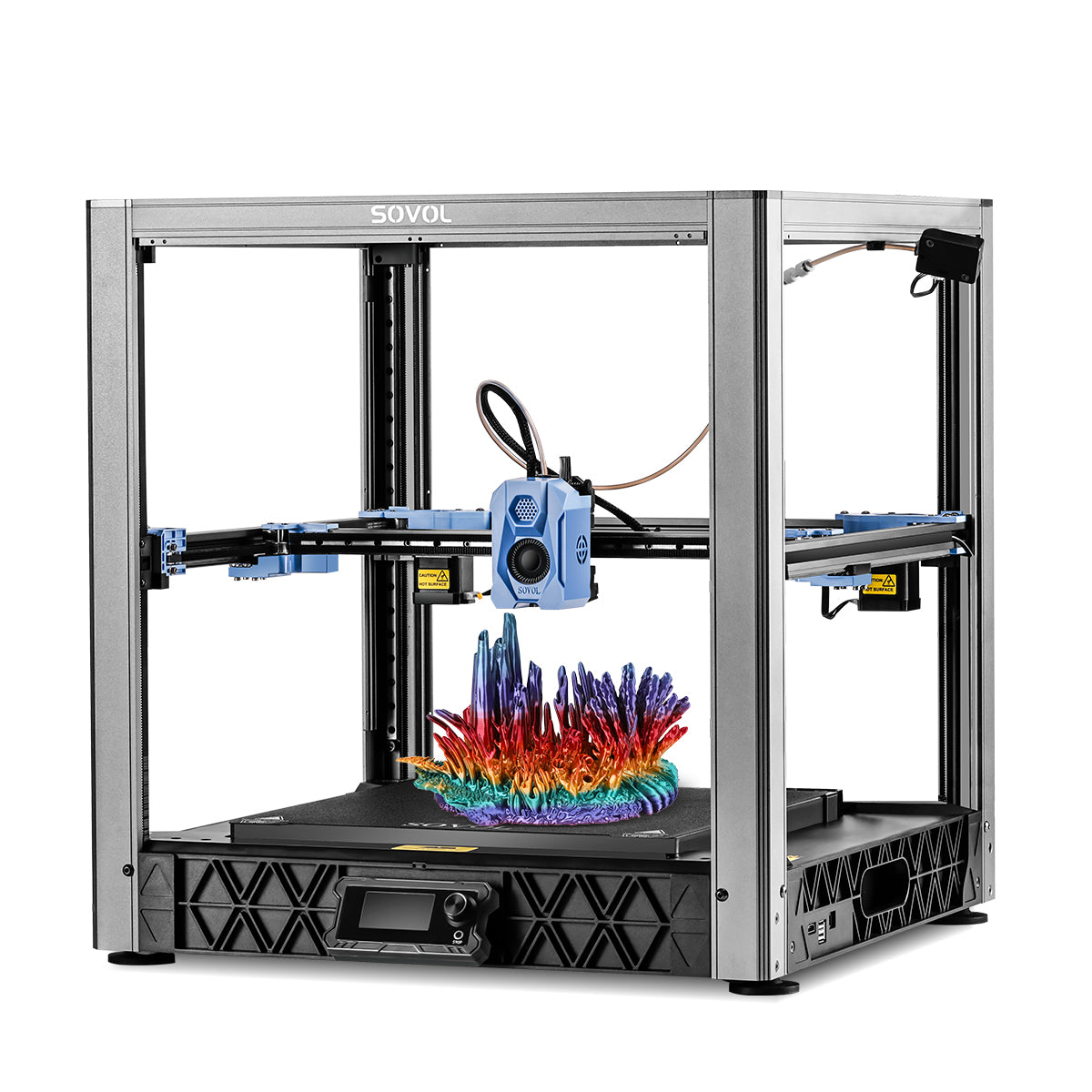
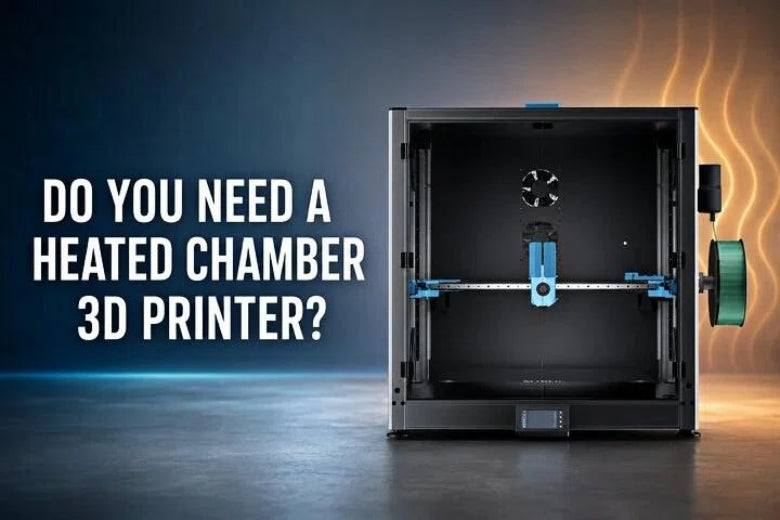
If you’re shopping for a heated chamber 3D printer, you’re probably not asking because PLA suddenly got hard.
You’re asking because you’ve hit one (or all) of these problems:
- ABS/ASA corners lifting halfway through a long print
- Tall parts splitting between layers
- Dimensions drifting on functional parts
- “It printed fine yesterday” inconsistency when the room temperature changes
The good news: most people don’t need an actively heated chamber.
The better news: if you do need one, you can usually tell by your material, your part size, and how strict your tolerances are.
Key Takeaway: A passive enclosure helps reduce drafts and slows cooling. An actively heated chamber can improve repeatability and maintain a more controlled chamber temperature—which matters most for large ABS/ASA, many nylon jobs, and especially polycarbonate (PC).
Key takeaways
- A passive enclosure is a box that traps heat; an actively heated chamber maintains a chamber temperature setpoint.
- PLA and PETG generally do not benefit from high chamber temperatures (and PLA can print worse if the chamber gets too warm).
- ABS and ASA usually need an enclosure; a heated chamber is most helpful for larger parts, long prints, and repeatable results.
- Nylon often becomes much more reliable with a warm, stable enclosure, but moisture control (dry filament) is equally important.
- PC is where actively heated chambers start to matter more often—especially for larger parts and crack-prone geometries.
Heated chamber 3D printer vs passive enclosure: what’s the real difference?
People (and product listings) often use “enclosed” and “heated chamber” as if they mean the same thing. They don’t.
Passive enclosure (draft shield + heat trap)
A passive enclosure is a physical enclosure around the printer that:
- blocks drafts
- slows down cooling
- traps some heat from the bed and hotend
The chamber temperature “floats.” It depends on your bed temperature, enclosure insulation, fan airflow, and room temperature.
This is often enough to print ABS/ASA reliably—especially on medium-size parts.
Actively heated chamber (temperature setpoint control)
A heated chamber 3D printer (active chamber) adds a heater and control system designed to:
- raise the air temperature in the build volume to a chosen setpoint
- hold that temperature consistently during the print
That consistency matters because warping and layer splitting are driven by temperature gradients.
In one test-driven write-up, Stefan from CNC Kitchen compared open printing, a passively heated enclosure, and an actively heated chamber (set to 65°C). In that test (using eSUN ABS and Prusament PCBlend), the 65°C chamber improved layer adhesion compared with open printing and passive enclosure printing. Results can vary by material grade, geometry, and printer settings (CNC Kitchen: “Does a heated chamber make your 3D prints stronger?” (2023)).
Pro Tip: If the “chamber temperature” is just whatever the bed heat happens to create (and it swings as fans ramp up/down), treat it as a passive enclosure—regardless of how it’s marketed.
Why chamber temperature affects warping, layer adhesion, and accuracy

Most engineering-grade filaments shrink as they cool.
If the bottom of the part is hot (stuck to a heated bed) while the top is cold (cooled by room air), the part is basically being pulled in different directions. That creates:
- Warping / corner lift (common on wide, flat parts)
- Layer separation (common on tall prints)
- Dimensional drift (holes that go oval, parts that don’t fit)
A warmer chamber reduces the temperature difference between the part and the surrounding air, lowering thermal stress.
Part size matters because a larger part has:
- more surface area to lose heat
- longer print time (more time for stress to build)
- more opportunity for a single draft or HVAC cycle to ruin it
Material-by-material: do you need a heated chamber?

Below is the practical version—focused on failure modes, not marketing.
PLA
- Warping risk: Low (for typical parts)
- Layer adhesion sensitivity: Low to moderate
- Dimensional stability: Generally good
- Chamber needs: Usually no enclosure, and definitely not a hot chamber
Why: PLA likes cooling for sharp detail. In a warm enclosure, PLA can soften earlier in the filament path and cause heat-creep jams or droopy overhangs.
Rule of thumb: If you print mostly PLA, prioritize a stable printer and good part cooling—not a heated chamber.
PETG
- Warping risk: Low to moderate
- Layer adhesion sensitivity: Moderate (stringing and surface quality matter more than warping)
- Dimensional stability: Good, but can “creep” under load depending on design
- Chamber needs: Usually no heated chamber; an enclosure is optional for draft protection
PETG is usually fine in open air. An enclosure can help if your workspace is drafty or cold, but you rarely need active chamber heating.
ABS
- Warping risk: High
- Layer adhesion sensitivity: High (layer splitting is common on tall parts)
- Dimensional stability: Can be good if cooling is controlled
- Chamber needs: Enclosure strongly recommended; heated chamber sometimes
A passive enclosure is the baseline for ABS.
Practical chamber starting range: Many makers target roughly ~35–45°C chamber air for ABS, moving toward ~45–50°C for larger parts or stubborn corner lift.
ASA
- Warping risk: High (similar to ABS)
- Layer adhesion sensitivity: High
- Dimensional stability: Good if cooling is controlled
- Chamber needs: Enclosure strongly recommended; heated chamber sometimes
ASA behaves a lot like ABS from a thermal-management perspective. The decision isn’t “ASA = heated chamber,” it’s more about part size + geometry + consistency needs.
Practical chamber starting range: Start around ~40–50°C chamber air, pushing toward ~50–60°C if you’re printing larger, flatter parts that love to lift.
Nylon (PA)
- Warping risk: Moderate to high (depends heavily on grade)
- Layer adhesion sensitivity: Moderate to high
- Dimensional stability: Can be tricky (shrink + moisture + annealing effects)
- Chamber needs: Often benefits from warm enclosure; active heating depends on grade and part size
Nylon is the material where many people blame the printer… when the real issue is wet filament.
Even with perfect chamber control, nylon usually needs serious drying and dry storage.
Still, a warm enclosure helps: Simplify3D notes that keeping the air around the part warm reduces warping by shrinking the temperature gradient (Simplify3D “3D Printing with Nylon” guide (2019)).
Practical chamber starting range: Start around ~40–50°C. For larger nylon parts (or warp-prone grades like PA6), you may want ~55–60°C and better sealing.
Polycarbonate (PC)
- Warping risk: Very high
- Layer adhesion sensitivity: High
- Dimensional stability: Hard without tight thermal control
- Chamber needs: Often needs a true heated chamber (especially for larger parts)
PC is where the “heated chamber” feature goes from nice-to-have to something that can significantly improve print reliability.
Magigoo’s polycarbonate guidance notes that for virgin PC, an actively heated build chamber is typically required for reliable printing.
Practical chamber starting range: Start around ~50–60°C if your printer can maintain it safely. Some PC grades want higher, but that’s also where printer design limits matter.
⚠️ Warning: Don’t treat “PC” as one thing. “PC blends” can be dramatically easier than “virgin PC.” Always check the filament manufacturer’s recommended setup.
Quick decision table: what setup fits your use case?
|
Your main use |
Recommended setup |
|---|---|
|
PLA and PETG |
Open printer or passive enclosure |
|
Small ABS/ASA parts |
Passive enclosure |
|
Large ABS/ASA parts |
Enclosure; active heating may help |
|
Nylon functional parts |
Dry filament + enclosure |
|
Large virgin PC or warp-prone PC blends |
High-temperature printer with active chamber; always verify the filament datasheet |
The temperatures below are general starting points only. Always follow the filament manufacturer’s recommendations and your printer’s safety limits.
Comparison table: enclosure vs heated chamber by material
|
Material |
Warping risk |
Layer adhesion risk |
Dimensional stability |
Size sensitivity |
Passive enclosure usually enough? |
When active heated chamber helps most |
Practical chamber starting point |
|---|---|---|---|---|---|---|---|
|
PLA |
Low |
Low–Med |
Good |
Low |
Yes (or open) |
Rarely; high chamber temps can hurt print quality |
Keep cool/vented |
|
PETG |
Low–Med |
Med |
Good |
Low–Med |
Often yes |
Rarely; mainly for draft control consistency |
Usually not needed |
|
ABS |
High |
High |
Med–Good (if controlled) |
High |
Often yes |
Large flat parts, tall parts, repeatability |
~35–45°C (up to ~50°C) |
|
ASA |
High |
High |
Med–Good (if controlled) |
High |
Often yes |
Large/flat parts, consistency across seasons |
~40–50°C (up to ~60°C) |
|
Nylon (PA) |
Med–High |
Med–High |
Variable |
High |
Sometimes |
PA6 / larger parts / high yield requirements |
~40–50°C (up to ~60°C) |
|
PC |
Very high |
High |
Variable |
Very high |
Sometimes (small parts) |
Most larger PC jobs; crack-prone geometries |
~50–60°C (higher if designed for it) |
So… who needs a heated chamber 3D printer?
You probably need an actively heated chamber if:
You regularly print PC, especially parts larger than palm-sized
You print nylon (PA) for functional parts and want higher success rates across seasons
You print ABS/ASA parts that are:
- large and flat (trays, panels, enclosures)
- tall (where layer splitting shows up)
- dimension-critical (press fits, jigs, fixtures)
-
You want repeatability (more consistent results across changing room conditions)
You probably do not need an actively heated chamber if:
- You print mostly PLA and PETG
- Your ABS/ASA prints are small to medium and you can get a stable enclosure temperature passively
- You only occasionally print engineering filaments (it may be cheaper to adapt your workflow—smaller parts, different geometry, outsourcing—than to buy a heated-chamber machine)
A passive enclosure is a smart “middle step” for many makers
If you’re moving from PLA/PETG into ABS/ASA, a well-built enclosure can provide much of the benefit for small-to-medium ABS/ASA parts.
And it adds practical non-print benefits: noise reduction, dust control, and a cleaner workspace.
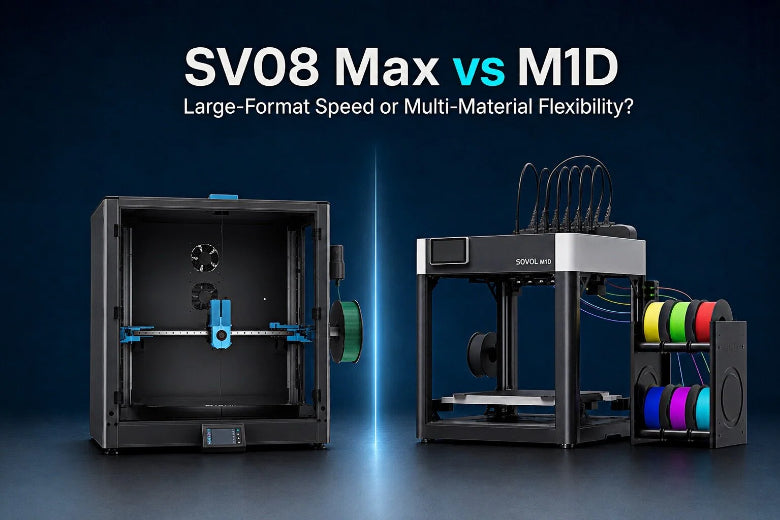
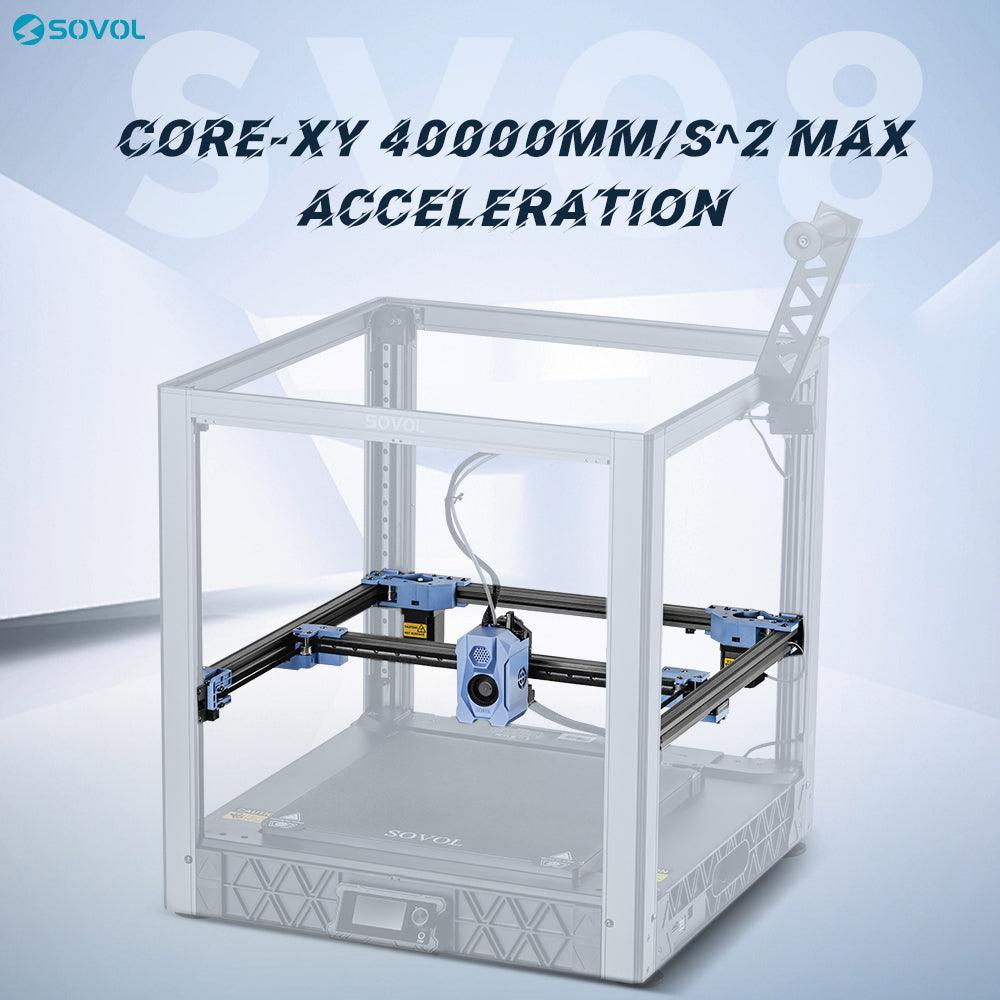
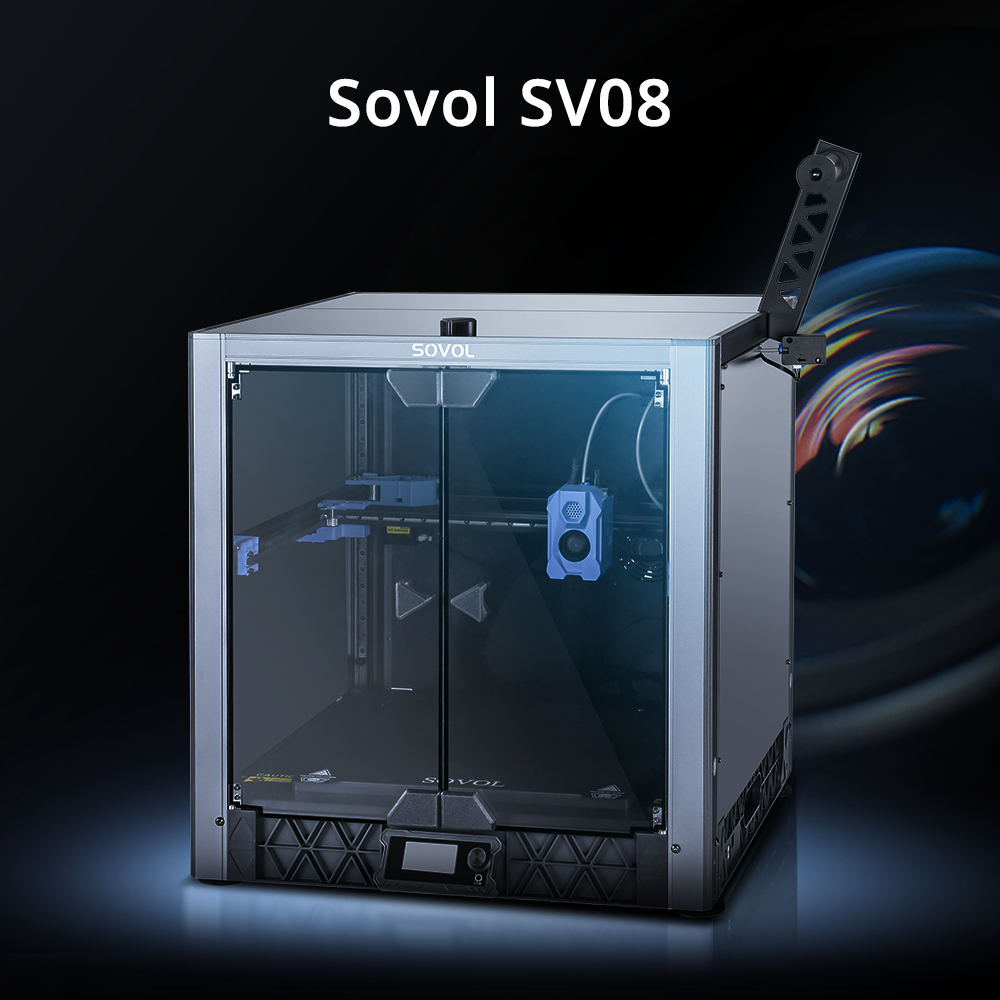
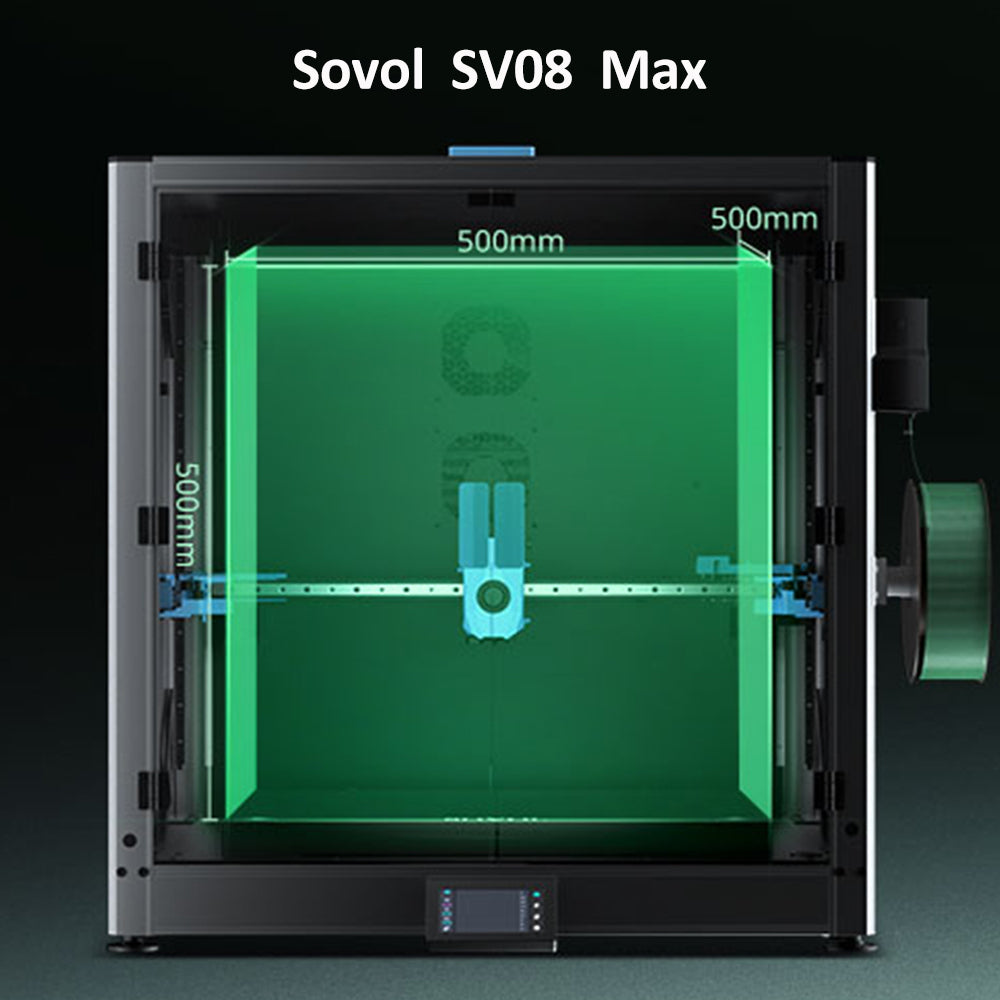
For example, Sovol discusses how an enclosure helps create a more stable printing environment and supports materials like ABS and nylon in its SV08 Max enclosure article (Sovol: “SV08 Max enclosure boosts print quality — 3 key reasons”).
Buyer checklist: what to look for in a heated chamber setup
Use this checklist to avoid paying for a “heated chamber” that doesn’t actually solve your problem.
Chamber and enclosure basics
- Fully enclosed build volume (not just side panels)
- Chamber temperature sensor placed where it represents the build volume (not right next to a heater)
- Ability to preheat the chamber before printing (or at least reliably heat-soak)
Temperature control and repeatability
- Can it hold a stable chamber temperature during long prints (not just peak briefly)?
- Are chamber fans controllable (to reduce hot spots without blasting cold air)?
Materials and workflow reality
- For nylon: do you also have a plan for drying + dry feeding? (This is often the real “upgrade.”)
- For ABS/ASA: do you have ventilation/fume control appropriate for your workspace?
- For PC: can your printer safely run the temperatures required by your exact PC filament?
Safety and maintenance
- Electronics are designed for elevated ambient temps (or isolated from chamber heat)
- Smoke detector nearby; safe placement away from flammables
- You can keep the enclosure closed until the part cools (helps reduce stress cracks)
FAQs
Is a heated chamber required for ABS?
No—many ABS parts print well in a passive enclosure. A heated chamber helps most when parts are large, tall, or you need consistent results regardless of room temperature.
Is a heated chamber required for ASA?
Not always. Like ABS, ASA usually needs an enclosure. Active chamber heating becomes more valuable as parts get larger/flatter or when you’re chasing higher yield.
What chamber temperature should I start with?
For many home setups:
- ABS: ~35–45°C
- ASA: ~40–50°C
- Nylon: ~40–50°C
- PC: ~50–60°C
These temperatures are general starting points, not universal settings. Actual chamber requirements depend on the filament grade, part geometry, printer design, and the manufacturer’s recommendations.
For polycarbonate in particular, distinguish between virgin PC and PC blends: virgin PC often needs higher nozzle and bed temperatures and stronger overall thermal management. Chamber temperature alone won’t guarantee success.
Does a heated chamber dry filament?
No. A heated chamber controls the air temperature around the print. It does not replace a filament dryer or dry-storage system.
If you print nylon, you still need to dry it properly and keep it dry during printing—wet nylon can fail long before chamber temperature becomes the limiting factor.
Can a passive enclosure reach those temperatures without a chamber heater?
Sometimes—especially for ABS/ASA—because the heated bed can warm the chamber air over time. But it’s less repeatable: enclosure size, insulation, fans, and room temperature change the result.
Will printing PLA inside an enclosure help?
Usually no. PLA often prints best with good cooling. Too much trapped heat can cause heat creep, softer overhangs, and worse bridging.
Is a heated chamber mainly about warping?
Warping is the obvious symptom, but it also helps with layer adhesion and dimensional stability—especially on long prints.
Conclusion
A heated chamber 3D printer is not a universal upgrade.
If you print mostly PLA/PETG, you’ll get more value from a reliable motion system, consistent extrusion, and good cooling.
But if your workflow includes large ABS/ASA, serious nylon, or especially polycarbonate, a chamber you can heat and control can be the difference between “sometimes it works” and a repeatable process.
If you’re exploring enclosure options or chamber-equipped machines, here are a few relevant Sovol pages to compare next steps:
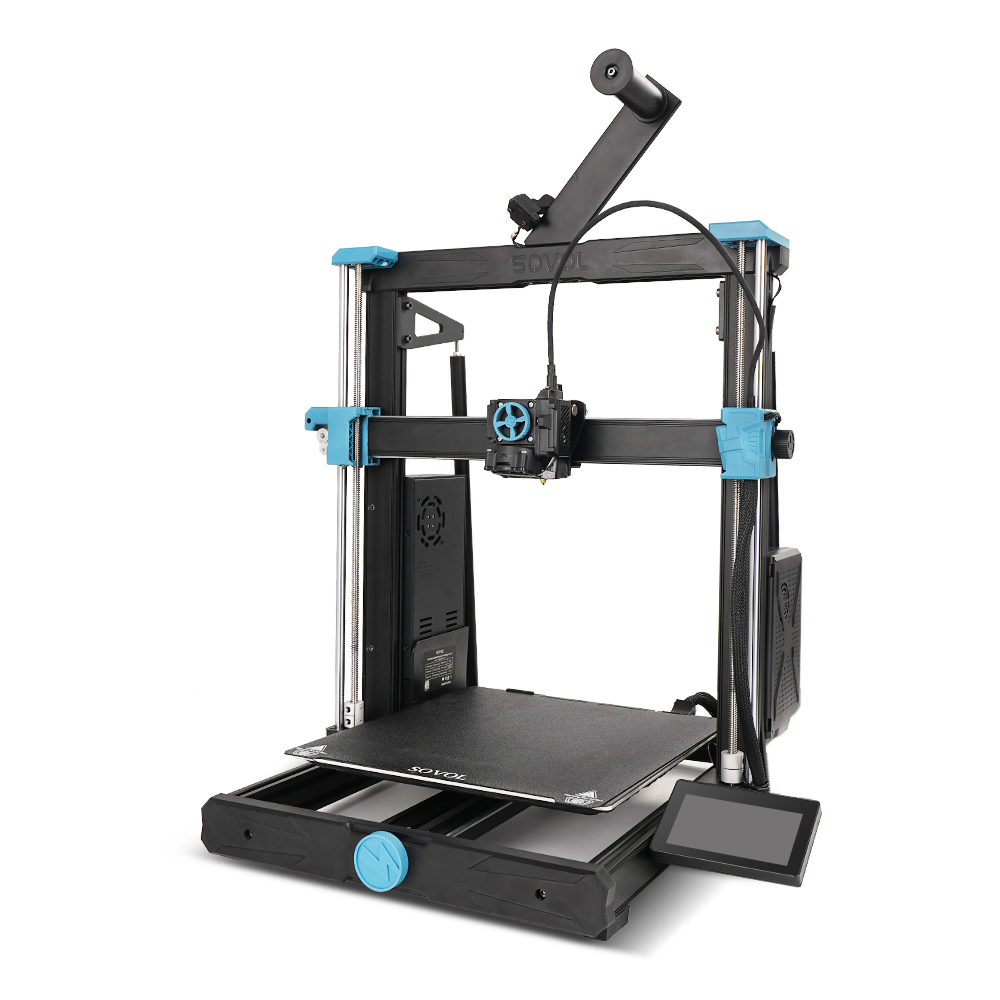
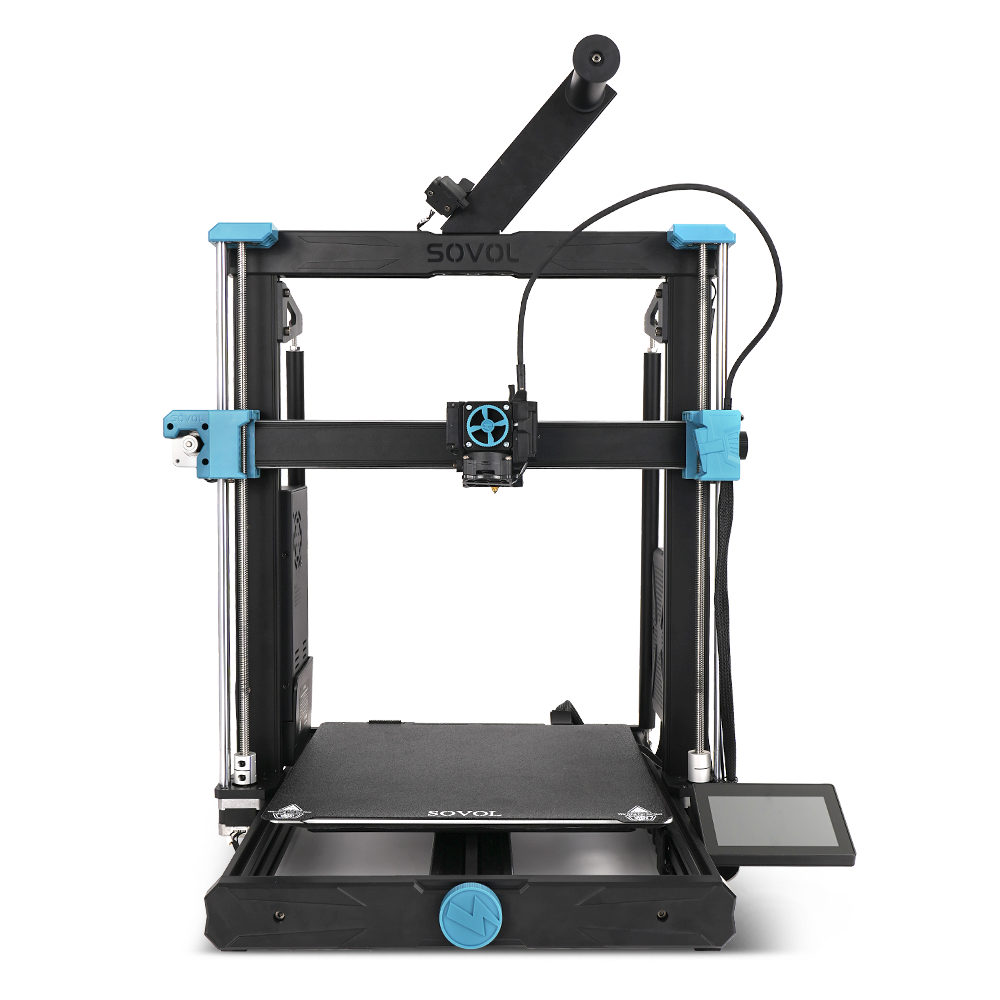
- Sovol SV08 Max 3D Printer — SV08 Max is designed with an interface for an optional heated-chamber upgrade. It should not be described as a printer with a built-in heated chamber unless the optional module is installed.
- SV08 Max Glass Open Enclosure — a ready-to-buy enclosure option to stabilize temperature and reduce drafts.
- Sovol SH02 Filament Dryer Box — a practical upgrade for nylon and other moisture-sensitive filaments.