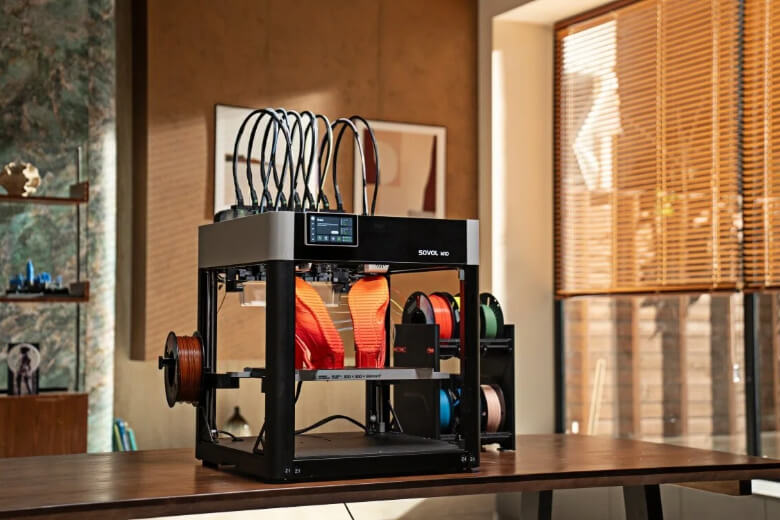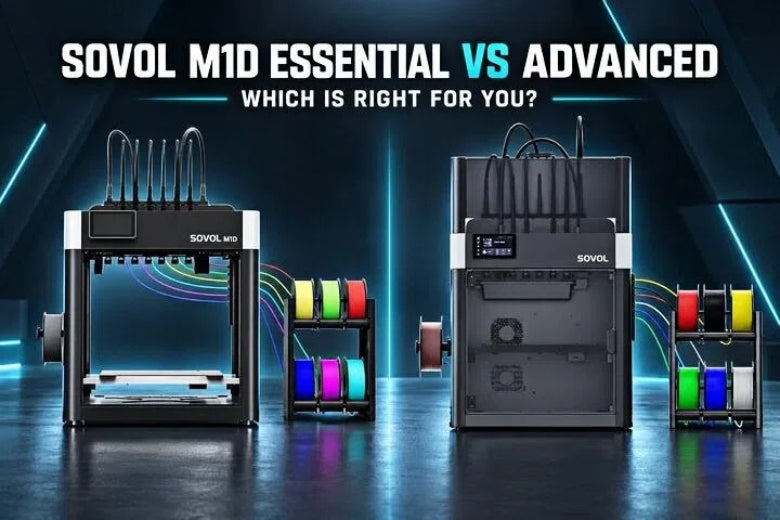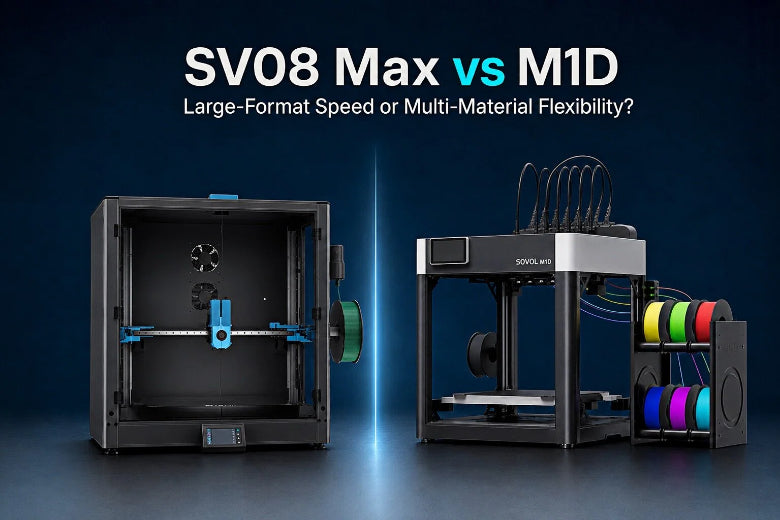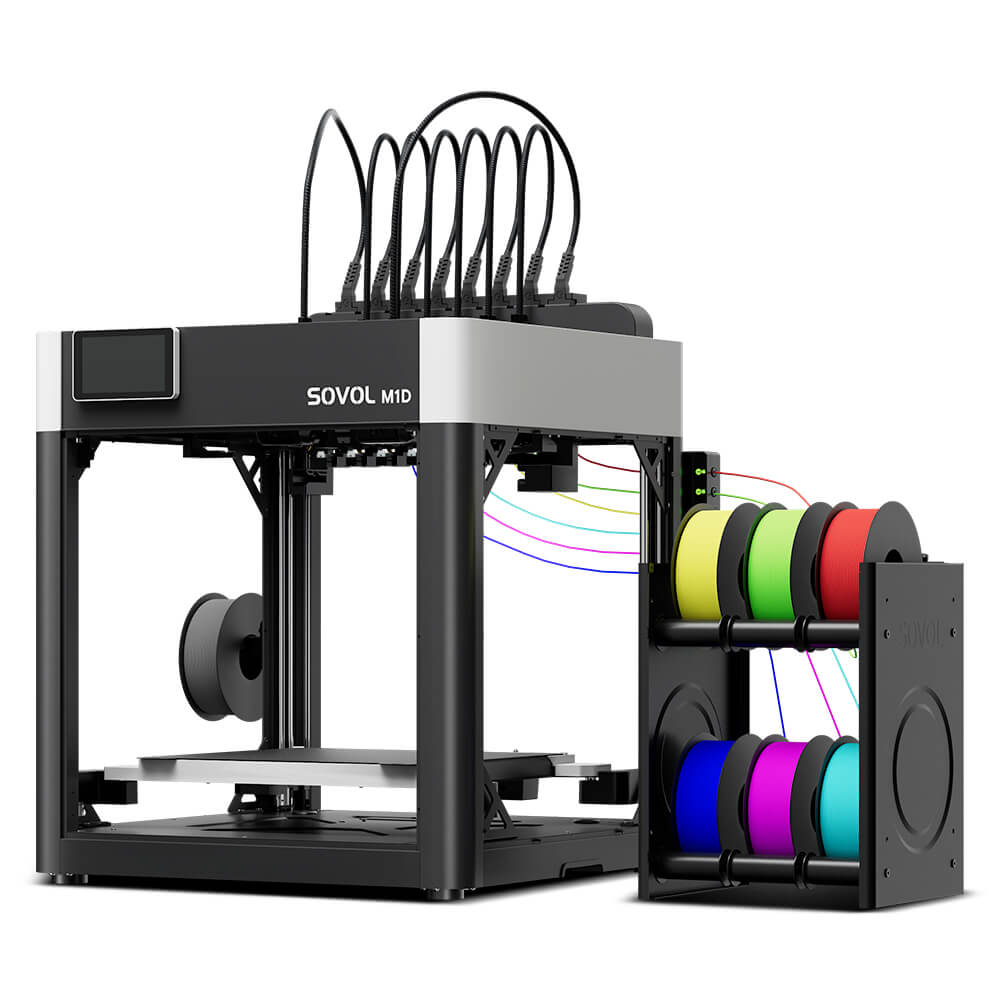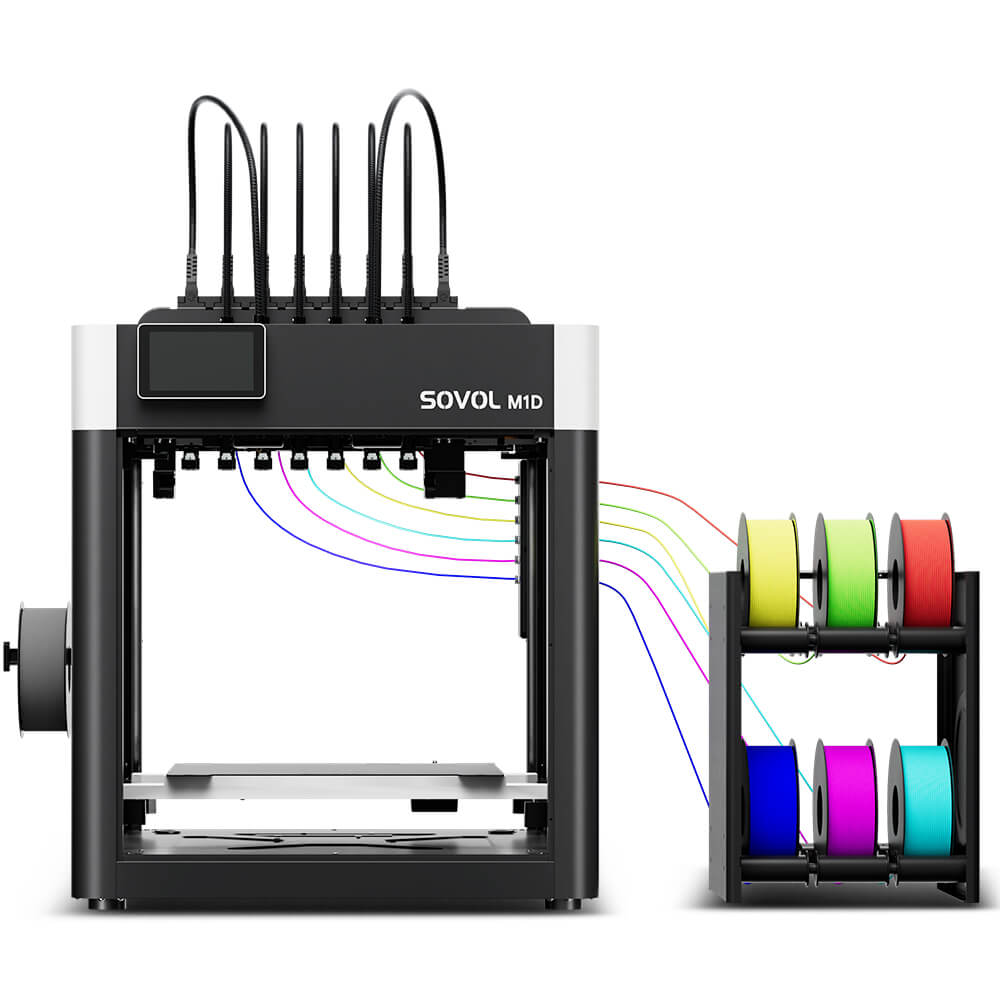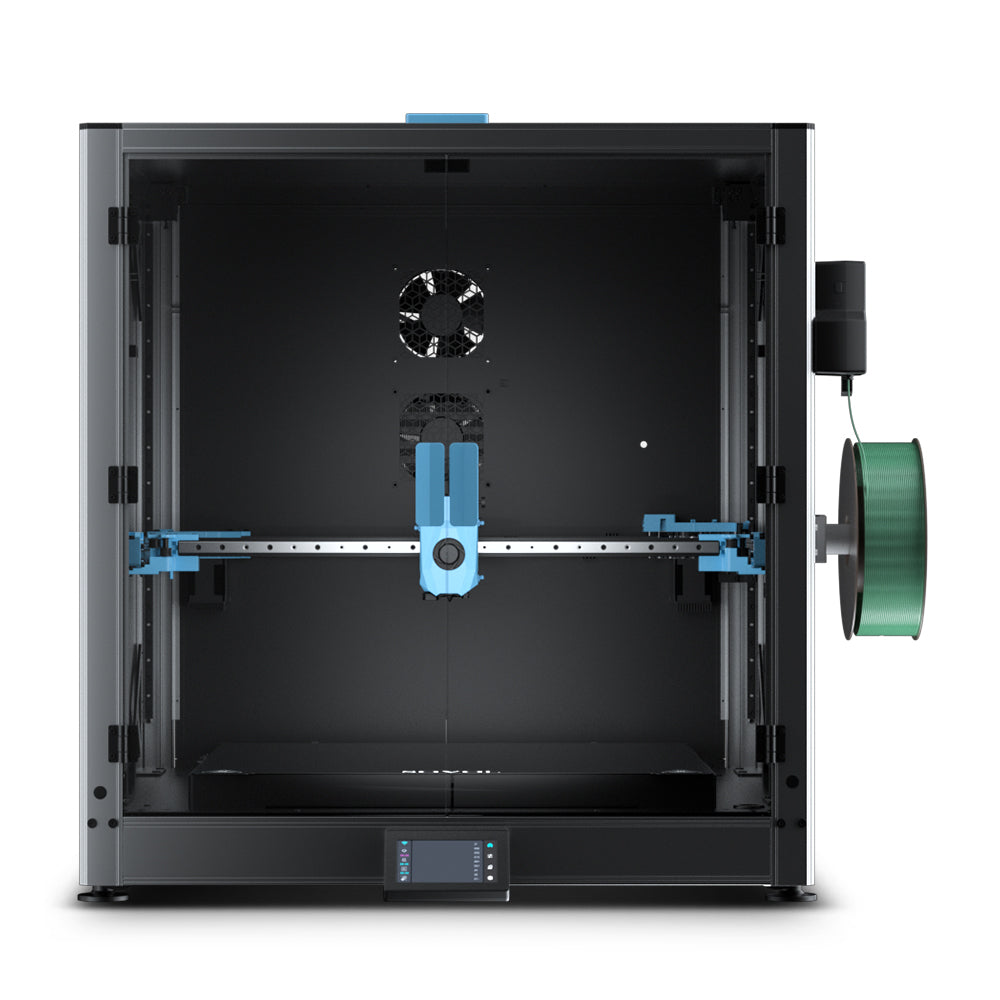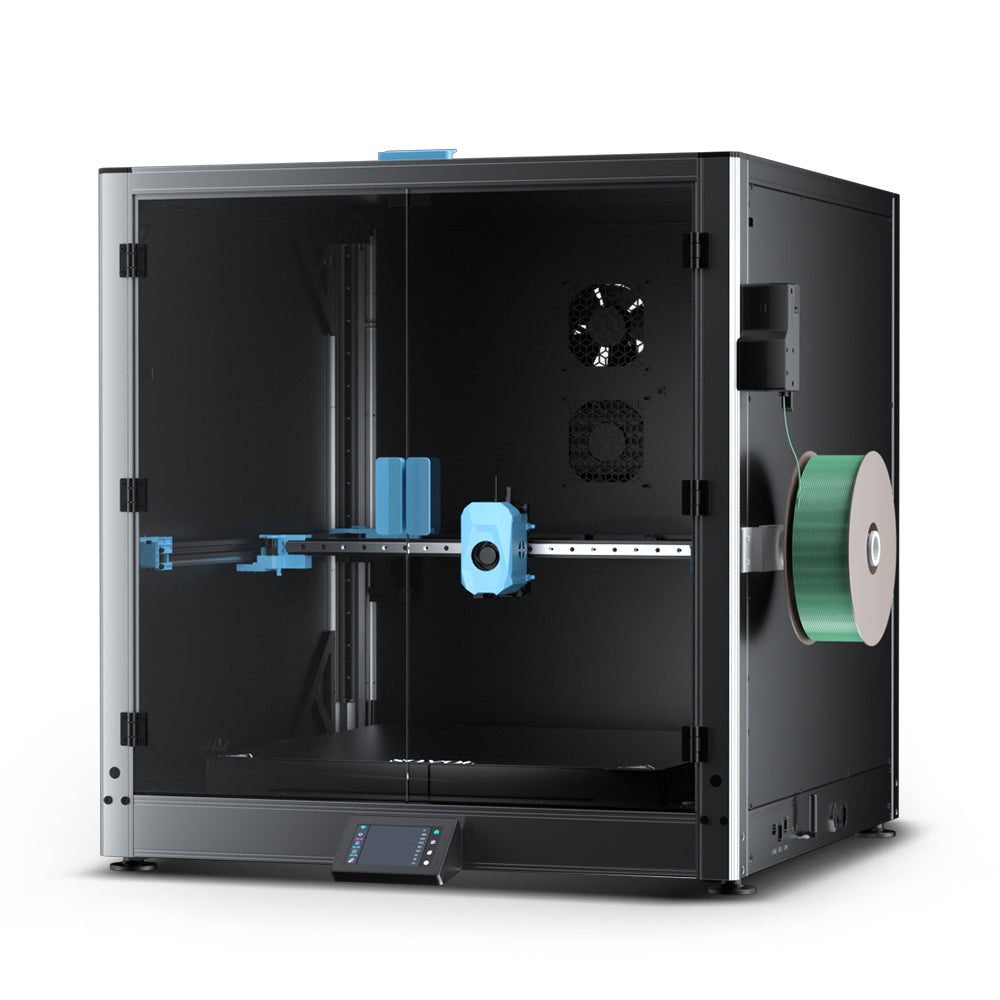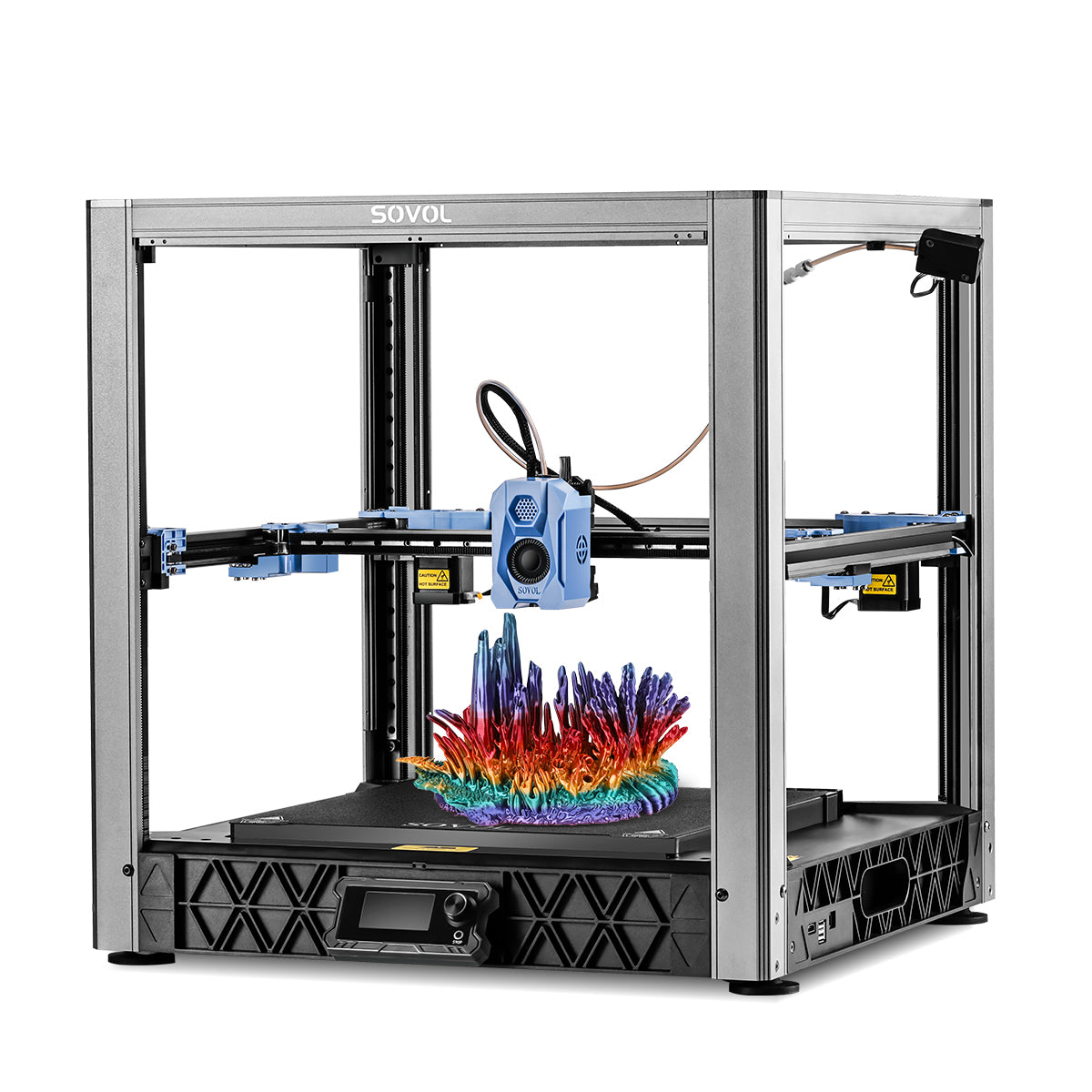
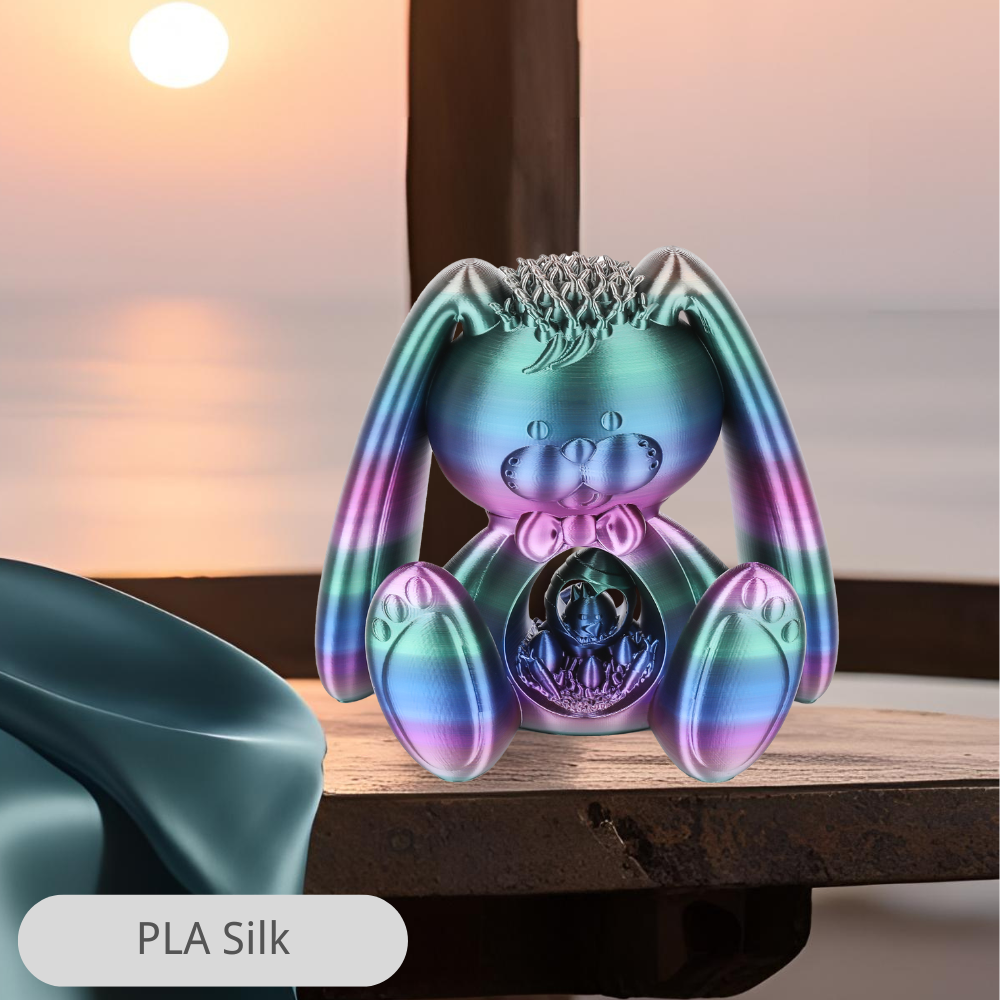

Multi color prints look incredible on props, figurines, badges, and display parts. But if you’re wondering “is multi color 3D printing worth it?” the honest answer depends on what you print and how much you value automation.
With the most common hobby setup (an AMS/MMU-style multi material feeder that feeds multiple spools into one nozzle), you’re trading money and setup time for convenience. The catch is that 3D printing purge waste and extra time are baked into the process.
Key Takeaway: Multi color 3D printing is worth it when it replaces a ton of manual work (painting, glue-ups, or dozens of manual swaps). It’s usually not worth it if your projects only need a couple of colour breaks.
Key takeaways
- For most hobbyists, multi color 3D printing worth it comes down to one thing: how many colour swaps your real models need.
- Single-nozzle multi-filament systems are the most accessible route, and also the most wasteful.
- The biggest hidden cost is 3D printing purge waste (sometimes more than the model itself on swap-heavy prints).
- Electricity costs exist, but they’re usually smaller than wasted filament and your time.
- If you want true multi-material (PLA + TPU, PLA + soluble supports), check compatibility carefully. Flexibles are a common weak point on switchers.
Multi color 3D printing worth it? Use this quick decision matrix
|
If you mostly print… |
Multi-color upgrade is usually… |
Why |
|---|---|---|
|
Figurines, helmets, cosplay props, display parts |
Worth it |
You get precise colour placement without painting or glue seams |
|
Logos, labels, signage (2 colours, few height-based changes) |
Maybe |
Manual swaps at layer-height can be simpler and nearly waste-free |
|
Functional parts where colour doesn’t matter |
Not worth it |
You pay in waste + time for little real benefit |
|
Small batches (selling keychains/badges) |
Worth it (if you optimise) |
Batch printing can dilute purge events across more parts |
What “multi color” means (and why this guide focuses on switchers)
There are three common ways to get multi-color results on FDM:
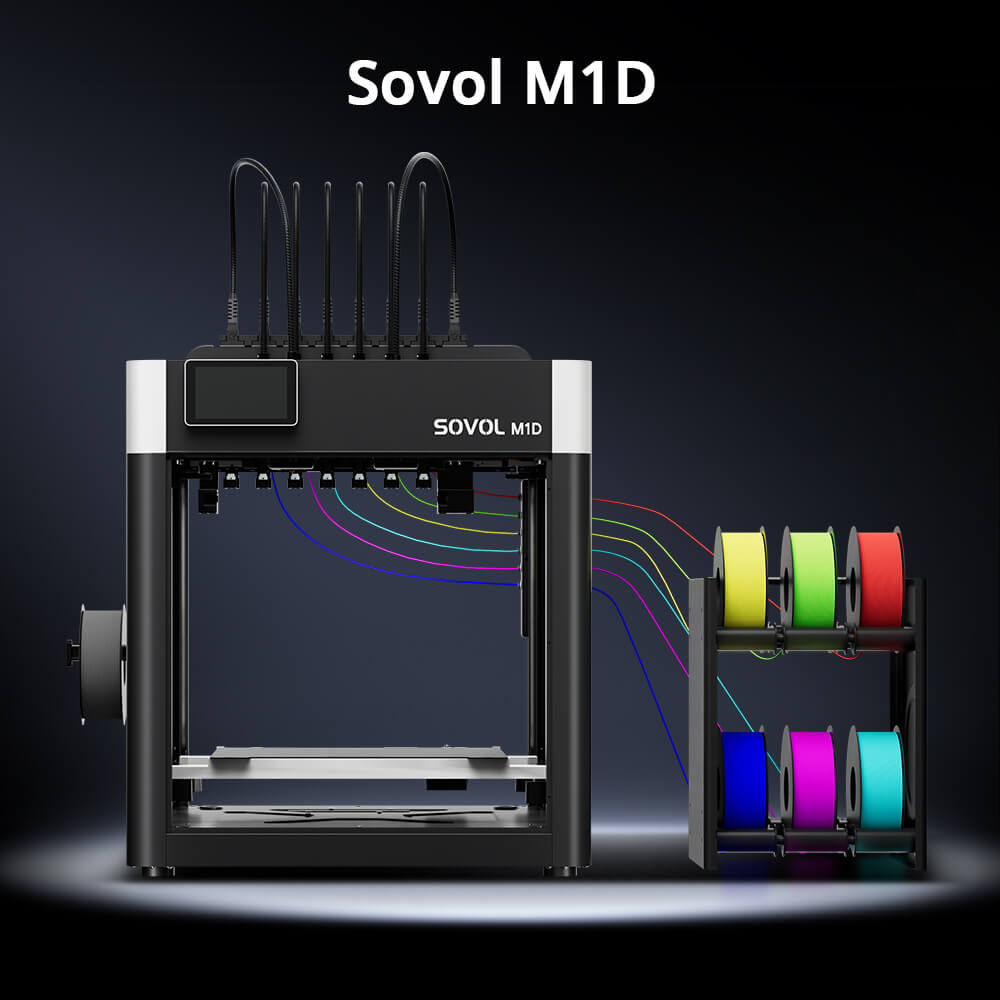
- Single-nozzle filament switching (AMS vs MMU-style systems): multiple spools feed one hotend.
- Multiple nozzles / IDEX: two independent nozzles can reduce purging, but add alignment and tuning complexity.
- Toolchanger: multiple toolheads; typically the cleanest and least wasteful, but expensive.
This article focuses on #1 because it’s the most common upgrade path.
If you want a brand baseline for the mechanics, here’s SOVOL’s overview: What is multi-color 3D printing and how does it work?
Pros: why people love multi color printing
Convenience on models with lots of colour changes
If your file has dozens (or hundreds) of swaps, manual filament changes stop being “a bit annoying” and become a constant interruption. Automatic switching is what makes complicated colour models realistic.
Cleaner details than painting for text/icons
Sharp text, small logos, and thin outlines are hard to paint cleanly. Multi color printing can nail those details straight out of the slicer.
Repeatability once you’ve dialled in profiles
When purge volumes, wipe settings, and spool handling are stable, you can rerun the same model predictably. That’s useful for cosplay sets or repeat products.
Cons: what usually makes people regret it
Purge waste is the hidden “filament tax”
On a single nozzle, every colour change requires pushing the old pigment out of the melt zone. That becomes purge blocks, wipe/prime towers, and “poop” waste.
The waste can be ugly in real numbers. Tim Brookes cites an example where a multi-colour print used 1.56g of filament for the actual object but generated 4.93g of waste, in How‑To Geek’s “The uncomfortable truth about multi-color 3D printing” (2026).
⚠️ Warning: If the slicer preview shows purge waste close to (or higher than) the model weight, you’re not buying convenience anymore. You’re buying waste.
Print time can explode
Every swap adds overhead: unload, load, purge, then stabilize flow again.
Make: tested AMS-style multi-colour printing and describes an example job that took almost 4 days, in “To Multi or Not to Multi? Putting Color 3D Printing to the Test” (2024).
More failure points (and most are boring)
Multi-colour workflows magnify the usual weak spots:
- wet filament (more stringing, inconsistent extrusion, and jam risk)
- spool drag (tangles, cardboard spools, rough edges)
- long PTFE paths and tight bends
- messy tip-forming on unload
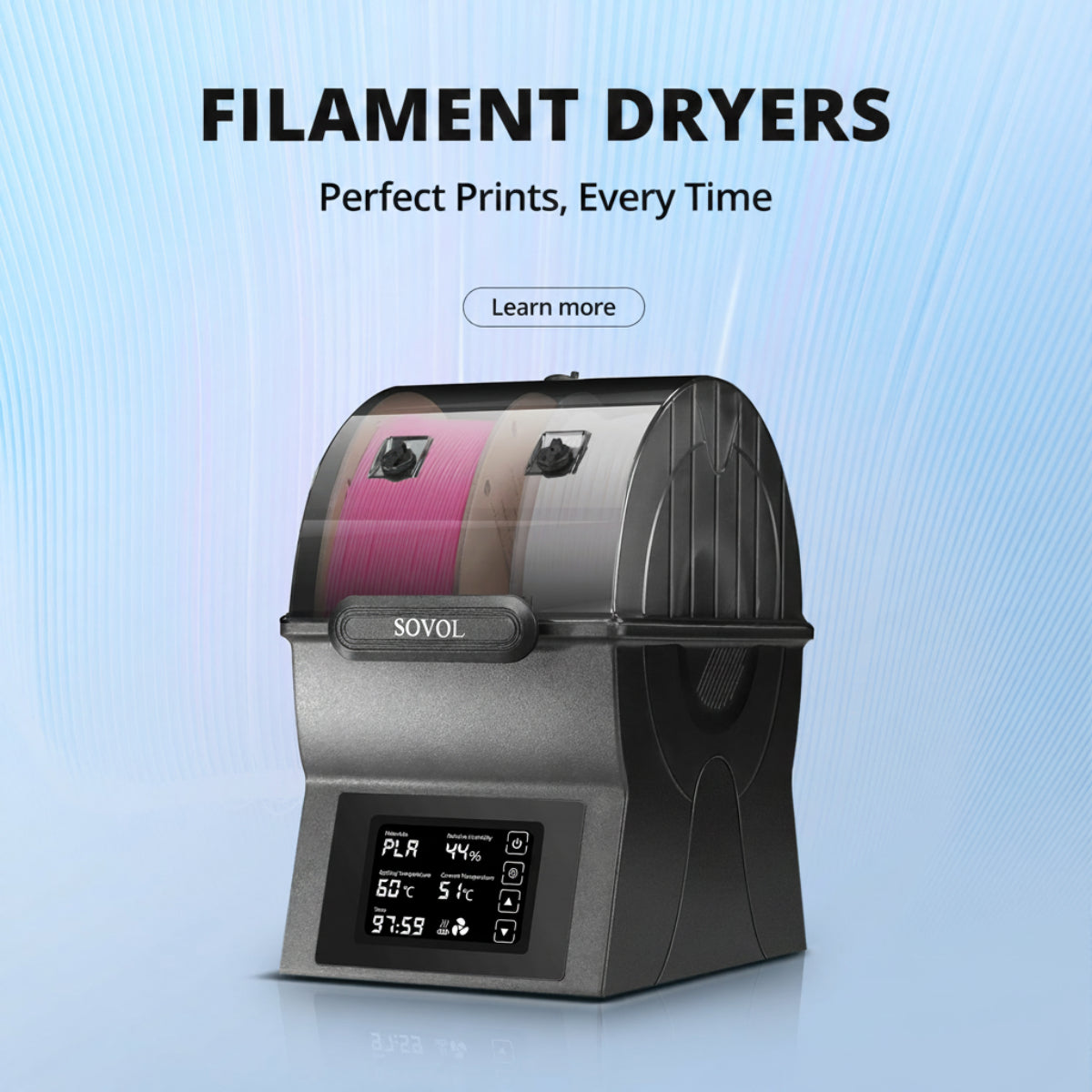
If you plan to do multi colour printing often, a dryer and good storage stop being “nice to have.”
Costs in the UK: hardware, filament, and running costs
When people ask “is multi color 3D printing worth it,” cost is usually the deciding factor. It’s also where the multi color 3D printing cost gets misunderstood: the upgrade price is fixed, but waste and time scale with how many swaps your models actually have.
1) Upfront hardware
There’s a wide spread depending on ecosystem and whether you’re buying an integrated solution or adding a switcher.
A useful reality check: even open-source automated changers can land around a few hundred pounds. For example, the LDO BoxTurtle is listed around £300+ at 3DJake UK.
2) Filament cost (including purge waste)
The ongoing cost is mostly extra filament.
A simple way to estimate your “effective filament price” is:
- effective cost per kg = base filament price × (1 + waste %)
So if you pay £25/kg and your typical swap-heavy jobs land around 20% waste:
- effective cost ≈ £25 × 1.20 = £30/kg
That’s before failed prints.
3) Electricity (usually minor)
Electricity adds up on long jobs, but it’s rarely the biggest line item.
A quick estimate is:
(average watts ÷ 1000) × hours × £/kWh
ProCalculator gives a concrete example: 150W for 10 hours = 1.5 kWh, which at £0.24/kWh is about £0.36, in its 3D Print Cost Calculator (2026).
How to reduce purge waste without wrecking print quality
If you want multi color 3D printing worth it to be true in practice, you need to manage waste.
The moves that matter most
- Reduce colour changes in the model (recolor, redesign, use inlays/faceplates).
- Tune flushing volumes slowly on small test prints.
- Flush into infill/supports/sacrificial objects where appearance allows.
- Batch print to spread purge events across more parts.
SOVOL’s checklist is a solid slicer-first starting point: Reduce filament waste in multi-color 3D printing: 9 practical moves (2026).
For a slicer-agnostic explanation of flushing into infill, Polymaker also covers the concept in its “Reduce Purge Waste” guide.
Alternatives that often beat multi-colour switching
Paint the print
If purge waste annoys you, painting a single-colour print is often more satisfying. It can also look better on props and miniatures.
Manual swaps at layer height
If your print only changes colour a few times (two-tone signs, simple labels), manual swaps can be cheap, reliable, and low-waste.
Print separate parts and assemble
Splitting a model can cut waste and let you orient each part for best surface quality. You may trade that for glue seams and finishing work.
FAQ
Is purge waste avoidable?
Not on a single-nozzle switcher. You can reduce it, but there will always be purge.
Does multi color printing make parts stronger?
Not automatically. Strength is mostly material choice, design, wall count, and layer adhesion.
Can I print TPU with an AMS/MMU-style system?
Sometimes, but it’s one of the most common pain points. If true multi-material matters, read your system’s compatibility notes before buying.
Verdict
Multi color printing is worth it when:
- you print visual models often, and automation saves real labour
- your models have lots of small colour details you don’t want to paint
- you’re willing to tune and maintain a more complex filament workflow
It’s usually not worth it when:
- you only need occasional two-colour results
- you mainly print functional parts with no colour needs
- throwing away filament feels worse than doing the work manually
If you’re still unsure: slice 2–3 models you actually want to make and look at the waste and time previews. That’s the most honest answer to multi color 3D printing worth it.
Further reading (SOVOL): For a deeper mechanism-level explanation, see How does multi color 3D printing work (FDM explained)?