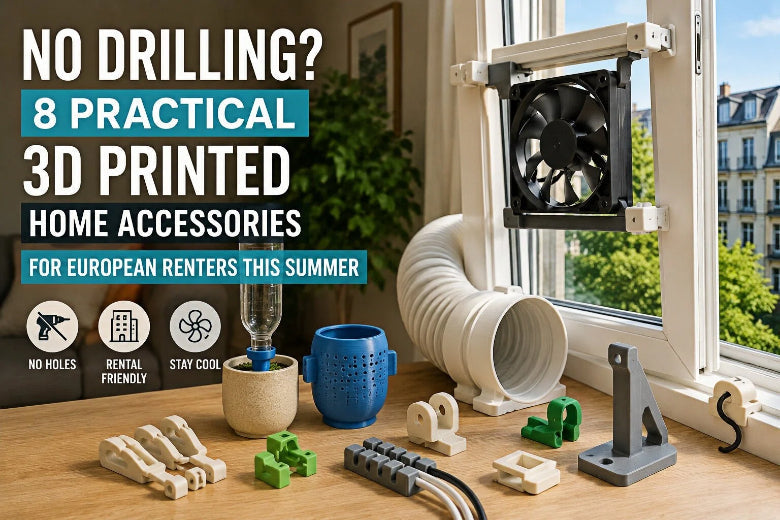
Imagine a small flat in Berlin during a 35°C week: you’ve got a fan, you’ve got a portable AC… and then you discover the window kit doesn’t fit your tilt-and-turn window at all. Sound familiar?

The good news: a desktop 3D printer is basically a “make-it-fit” tool for no drill home solutions.
This article is a practical list of 3D printed home accessories you can print to improve comfort, reduce clutter, and solve small annoyances—without putting holes in walls, windows, or furniture.
Key Takeaways: Most renter-friendly “upgrades” come down to clever clips, brackets, and adapters. With 3D printed apartment accessories, you can fit your exact window/frame size, reprint parts when they break, and avoid losing your deposit to unnecessary holes.
Why many European renters can’t drill into walls or window frames
In many European rentals, drilling isn’t just a “please don’t”—it’s often treated as an alteration that needs written permission, and it can become a security-deposit problem when you move out.
A few common reasons:
- Lease clauses against alterations. Many rental agreements include “no modifications/alterations” language—drilling usually counts as an alteration, not normal wear. (See Apartment Modifications, Alterations & Decorating Rights.)
- Deposit risk at checkout. Even if you patch holes, landlords may still charge for repainting or repairs if the wall finish doesn’t match.
- Window frames are sensitive. Drilling into window frames can damage seals, hardware, and weatherproofing—especially on common European tilt-and-turn windows (very common in Germany, the Netherlands, and parts of France).
That’s why renter-friendly projects tend to focus on clamps, clips, friction-fit parts, removable adhesive, and tension-based mounting.
Common summer apartment problems during heatwaves
Heatwaves turn a normal apartment into a heat trap fast. Typical challenges include:
- Solar gain: direct sun through windows heats rooms like a greenhouse.
- Weak airflow: one-sided ventilation (or safe window-opening limits) means hot air lingers.
- Portable AC friction: you have a unit, but the hose/window setup leaks air or doesn’t fit your window type.
- Insects at night: opening windows for cooling also invites mosquitoes.
- Plant stress: balcony and windowsill plants dry out faster—especially if you travel.
If you want a solid baseline for “keep cool without renovations,” the British Red Cross has practical advice in How to keep your home cool in a heatwave, and the UK government’s Beat the heat: keep cool at home checklist is also useful.
⚠️ Warning: Heat + sunlight can soften some plastics. For any part near a hot window, radiator, or portable-AC exhaust, choose a more heat-tolerant filament (often PETG/ABS/ASA), and design so a failure won’t drop a heavy appliance or create a hazard.
Safety note (quick but important): For anything that supports weight (fans, AC hoses/panels), treat the print like a real piece of hardware. Test-fit gently, don’t interfere with window seals/locking, and avoid designs that could fall, pinch fingers, or become a trip hazard. If you’re unsure, choose a lighter-duty use case or a commercial mounting solution.
8 useful 3D printed home accessories for renters (no drilling required)
The list below is ordered by “most common renter pain points first”: airflow/cooling, then light control, then small repairs and daily convenience.
|
Summer renter problem |
3D printed solution |
Where it fits in this list |
|---|---|---|
|
Hot bedroom with weak airflow |
Window fan brackets |
#1 |
|
Portable AC leaks / window kit doesn’t fit |
AC hose adapter + window-gap reducer |
#2 |
|
Curtain light leaks at the sides |
Curtain clips / gap closers |
#3 |
|
Broken blind tabs or guides |
Blind repair clips |
#4 |
|
Cable clutter from fans/chargers |
Cable organizers |
#5 |
|
Plants dry out fast on balconies/windowsills |
Watering spikes + drip restrictors |
#6 |
|
Mosquitoes when windows are open |
Window screen clips |
#7 |
|
Airflow doesn’t hit bed/desk |
Fan deflectors / adjustable mounts |
#8 |
1) Window fan brackets (friction-fit or clamp-on)
If your apartment gets hot at night, a window fan can help you push hot air out and pull cooler air in—but many window styles (including tilt-and-turn) don’t play nicely with off-the-shelf fan kits.

Why it matters: Instead of buying another fan, simply getting airflow out (and cooler air in) can make a room feel noticeably cooler—especially during humid nights.
What to print:
- A bracket that hooks onto the window frame (or grips the sill) and holds a standard box fan or small window fan.
- Optional “anti-slip pads” that clip onto the bracket and increase friction without marking paint.
No-drill mounting ideas:
- Friction-fit against the sill/frame.
- Strap/Velcro around an existing stable element (only if it can’t interfere with window closure).
Print notes:
- Add ribs or gussets where the load concentrates.
- If your bracket is exposed to sun behind glass, consider PETG or ASA.
Keyword fit: This is one of the most practical heatwave home solutions you can print.
Recommended STL search keywords: window fan bracket, tilt and turn window fan mount, clamp-on window fan bracket, window frame fan bracket
Example model link: Printables —Comfort Zone Twin Window Fan Windowsill Mount
2) Portable air conditioner hose adapters (window-gap reducers)
Why it matters: Most portable ACs are fine—the window kit is the weak link. A tighter seal wastes less cooling and can noticeably improve comfort (and noise).
What to print:
- A hose-to-panel adapter ring.
- A window-gap reducer that mates your hose adapter to a removable panel (foam board or thin plastic sheet).
No-drill mounting ideas:
- Build a removable insert panel that sits in the window opening.
- Use compression/tension (window closes against the insert) rather than screws.
Customization tip:
- Measure the hose diameter and the window opening carefully (calipers help).
- Print test rings first to avoid wasting filament.
Recommended STL search keywords: portable AC hose adapter, air conditioner hose window seal adapter, window panel hose connector, AC exhaust hose flange
Example model link: Printables — Window Vent Kit
3) Curtain clips (to improve blackout and keep fabric in place)
Why it matters: Blackout curtains only work if they seal. Closing side gaps reduces both glare and the “greenhouse effect” from direct sun.
What to print:
- Clips that pinch curtain fabric and attach to a tension rod, curtain rings, or an existing track.
- Edge “gap closers” that pull curtains slightly toward the wall without permanent hooks.
No-drill mounting ideas:
- Clip-to-rod designs.
- Clip-to-track designs.
Print notes:
- TPU (flexible filament) can make nicer, less-marking clips.
Recommended STL search keywords: no-drill curtain clip, blackout curtain gap closer, curtain side seal clip, curtain rod clip
Example model link: Printables — Hook for IKEA RÄCKA Curtain Rod
4) Blind repair clips (replace broken tabs, keep blinds usable)
Blinds often fail at the worst time—right when you need them to block sun. A small broken plastic tab can make the whole system useless.
What to print:
- Replacement slat clips.
- Cord guides.
- Chain tensioner covers (if you need safer routing—just ensure it doesn’t create snag points).
No-drill mounting ideas:
- Many blind parts are snap-fit replacements; you’re restoring what’s already there rather than adding new holes.
Customization tip:
- Take photos of the intact side (if only one part broke) and mirror the geometry.
Recommended STL search keywords: blind repair clip, venetian blind slat clip, blind cord guide, blind chain tensioner cover
Example model link: Printables — Vertical blinds repair clip
5) Cable organizers (desk, bedside, and router corner)
Heatwaves often mean more fans, chargers, and extension cords. Cable chaos is a small stressor—but also a safety issue.

What to print:
- Desk-edge cable clips.
- Under-desk cable raceway brackets (that attach to existing furniture edges rather than screws).
- “Cable label flags” for identifying chargers.
No-drill mounting ideas:
- Edge clips.
- Zip-tie channels (use zip ties around a desk leg or shelf frame).
Internal link (optional deeper dive): If you want to go from “print a clip” to “design a custom organizer that fits your space,” Sovol’s guide on How to Design 3D Prints for Home Organization Easily is a good starting point.
Recommended STL search keywords: desk cable clip, under desk cable organizer, cable raceway clip, cable label tag
Example model link: MakerWorld — Under desk cable clip for cable management
6) Plant watering spikes (for weekend trips and balcony heat)
Summer 3D prints don’t have to be about cooling—sometimes they’re about not coming home to dead plants.
What to print:
- Bottle-to-soil watering spikes.
- Drip regulators (simple restrictors) that slow the flow.
No-drill mounting ideas:
- These are self-contained: push into soil, thread onto a bottle.
Print notes:
- Use a material you’re comfortable using around water; rinse well.
- Print a couple of variants (different flow rates) and label them.
Recommended STL search keywords: plant watering spike, bottle watering spike, drip irrigation bottle adapter, plant drip regulator
Example model link: MakerWorld — Irrigation Spike
7) Window screen clips (removable insect screens)
Why it matters: A removable screen is one of the easiest “quality of sleep” upgrades in summer—especially across the UK, France, and the Netherlands where evenings can still be warm and buggy.
What to print:
- Frame clips that hold a mesh screen to the window frame.
- Corner connectors for a lightweight screen frame.
No-drill mounting ideas:
- Clip-on designs that grip the frame.
- Magnetic attachments (printed holders for small magnets) can work, depending on your frame material.
Apartment reality check:
- Make sure clips don’t interfere with window seals or closing.
Recommended STL search keywords: window screen clip, insect screen window clip, mosquito screen frame corner, magnetic screen clip
Example model link: Printables — Mosquito Net Bottom Clip – For Plastic Window Frames
8) Fan direction clips or adjustable fan mounts (aim airflow where you actually need it)
Sometimes you don’t need “more fan”—you need the airflow to hit your desk, bed, or doorway.
What to print:
- Clip-on airflow “deflectors” for pedestal fans.
- Adjustable mounts that let a small desk fan angle up/down more than the stock hinge.
No-drill mounting ideas:
- Clamp-to-shelf mounts.
- Clip-to-bedframe/desk-edge mounts.
Print notes:
- Don’t block fan intakes.
- Use thicker walls on parts that clamp and flex.
Recommended STL search keywords: fan air deflector clip, pedestal fan airflow deflector, desk fan adjustable mount, clamp on fan mount
Example model link: Printables — Noctua Desk Fan Directional Duct
Why 3D printed apartment accessories are cheap, customizable, and easy to replace
This is the underrated advantage of useful 3D prints for renters: you’re not buying a “perfect” product. You’re printing a part that’s perfect for your apartment.
- Inexpensive per part: Many functional accessories are small (clips, brackets, adapters). You can iterate without spending much.
- Custom fit beats “universal.” You can size a clip to your exact window thickness, curtain track, or cable bundle.
- Easy to replace: If a clip snaps or gets sun-baked, you don’t have to throw away a whole system—just reprint the part.
If you’ve never adjusted a model before, start with simple scaling, then move up to light edits (changing a hole diameter, adding a chamfer, thickening a wall).
Where to find models: MakerWorld, Printables, and Thingiverse
You don’t need to design everything from scratch. Many 3D prints for renters are already available as STL files on:
- MakerWorld (great for practical “daily use” models)
- Printables (strong community collections and remix culture)
- Thingiverse (huge archive—quality varies, but still useful)
Search using functional phrases like:
- “window fan bracket”
- “portable AC hose adapter”
- “no drill curtain clip”
- “tilt and turn window screen clip”
To make it faster, each idea above includes copy-paste keywords plus an example model link so you can jump straight to a printable file and then remix for your exact window or furniture.
Why owning a 3D printer is useful for everyday repairs and seasonal fixes
A desktop 3D printer earns its keep in small moments: a broken blind clip, a cable mess, a window screen that doesn’t exist for your frame type. And because seasons change, the accessories you need change too—summer 3D prints in July, draft blockers and hooks in winter.
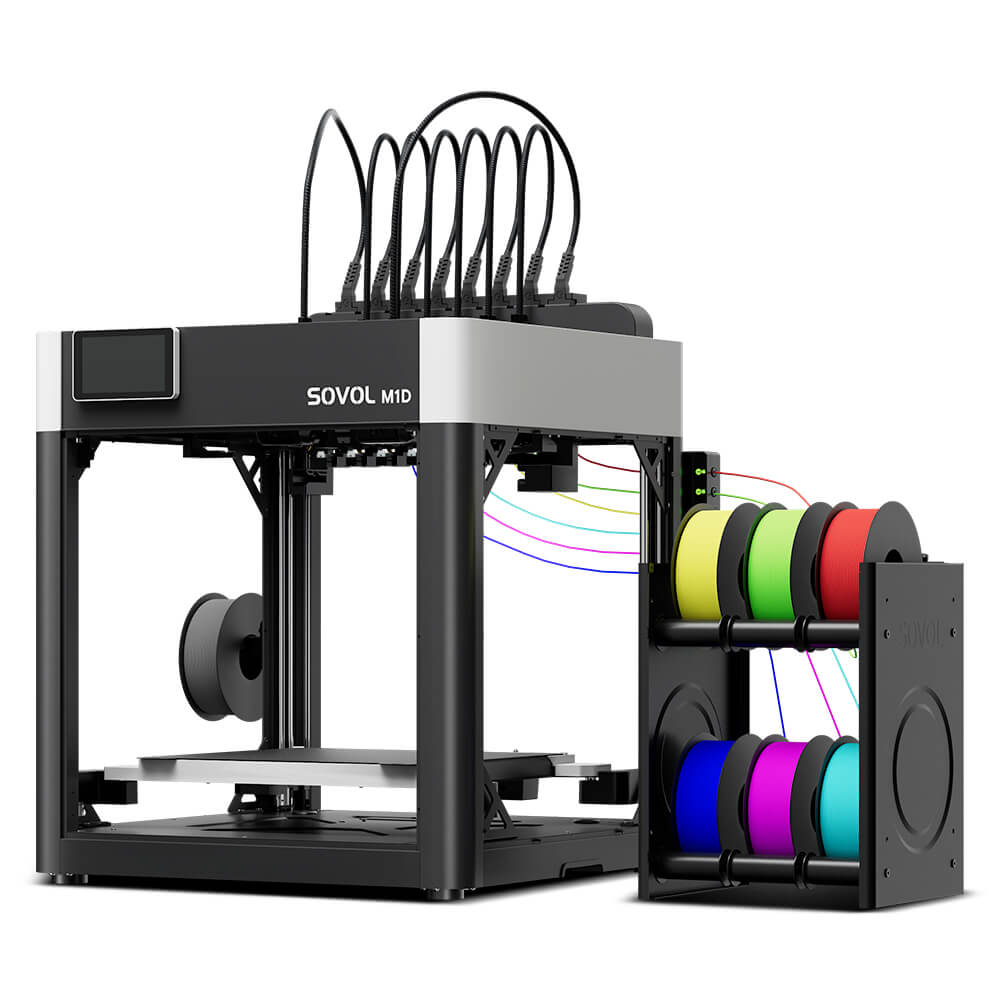
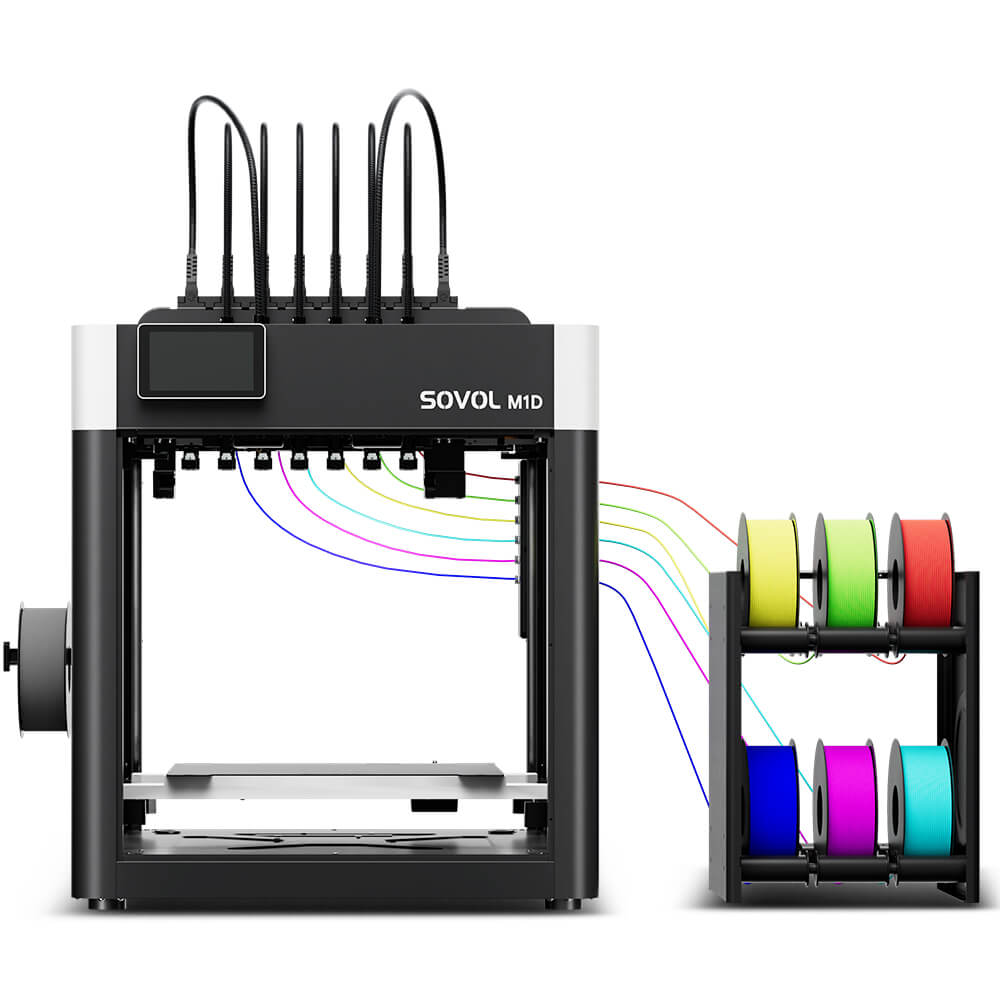
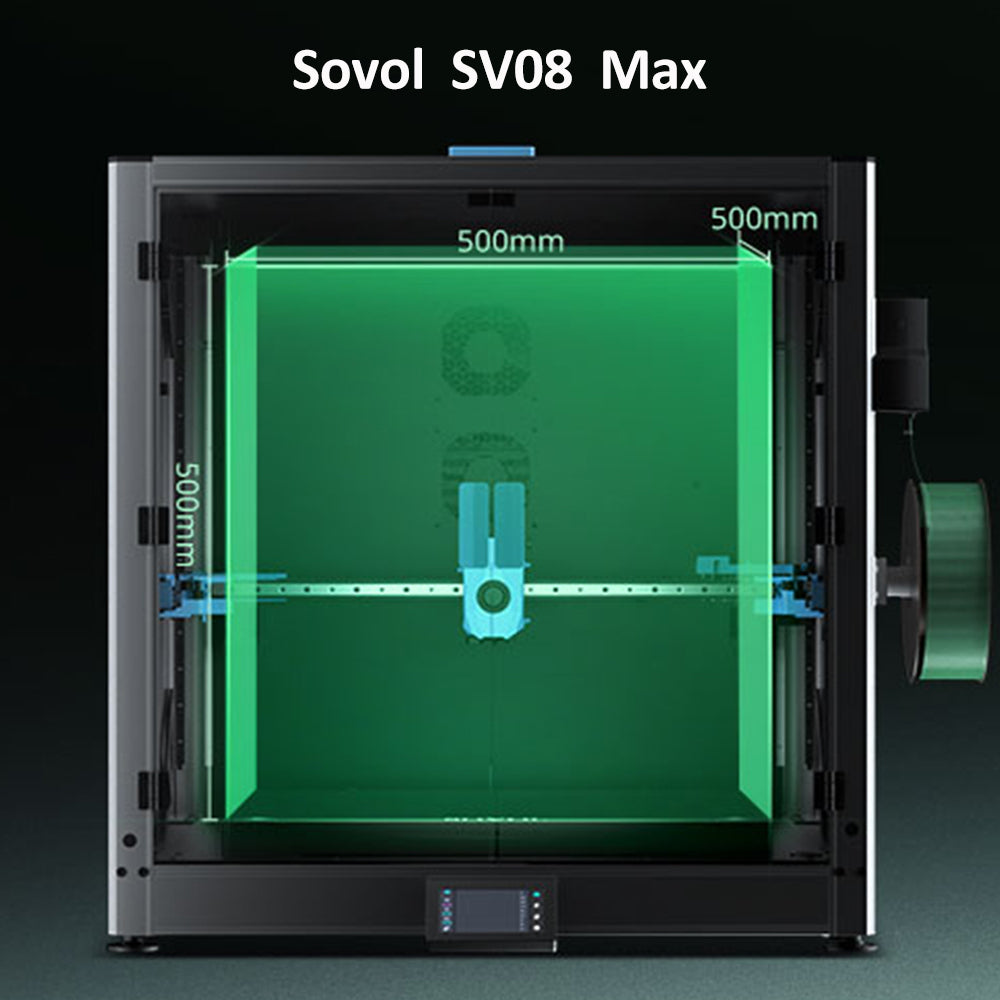
If you’re looking for a maker-friendly printer ecosystem, brands like Sovol position themselves around open-source freedom and community-driven iteration—exactly the mindset that makes 3D printed home accessories so useful in the first place.
Next step (low commitment): Pick one problem you have right now (insects at night, a leaky AC hose seal, or messy fan cables) and print a small “first win” part this weekend. If you’re new to printing, Sovol’s step-by-step beginner guide can help you get from STL to finished part.
Keep reading:
- How to Design 3D Prints for Home Organization Easily
- How to Use a 3D Printer for Beginners: Step-by-Step Guide
FAQ: materials, safety, and where to get STL files
Can I use PLA for window accessories?
PLA is fine for many indoor parts, but for anything that sits in direct sun behind glass (near a hot window) it can soften faster than you expect. If the part matters for safety or holds weight, consider PETG, ASA, or ABS.
What filament is best for hot weather prints?
For hot weather and sunny windows, PETG is usually the easiest “step up” from PLA. ASA and ABS handle heat better, but need more controlled printing conditions.
Will PETG deform in direct sunlight?
It can, depending on how hot the surface gets (a closed window in full sun can run much hotter than the outdoor air). If the part is exposed to strong sun for hours, treat PETG as “better than PLA,” not “sun-proof,” and design with thicker walls and more contact area.
Are these models safe for renters?
They’re renter-friendly because they avoid drilling and permanent changes—but you still need to treat anything load-bearing (fans, AC hoses) as a safety item. Print test fits, don’t block window seals, and avoid designs that could fall or pinch fingers.
Where can I download these STL files?
Most of these parts can be found on MakerWorld, Printables, and Thingiverse. This article also includes copy-paste search keywords under each idea to help you find a close match fast.