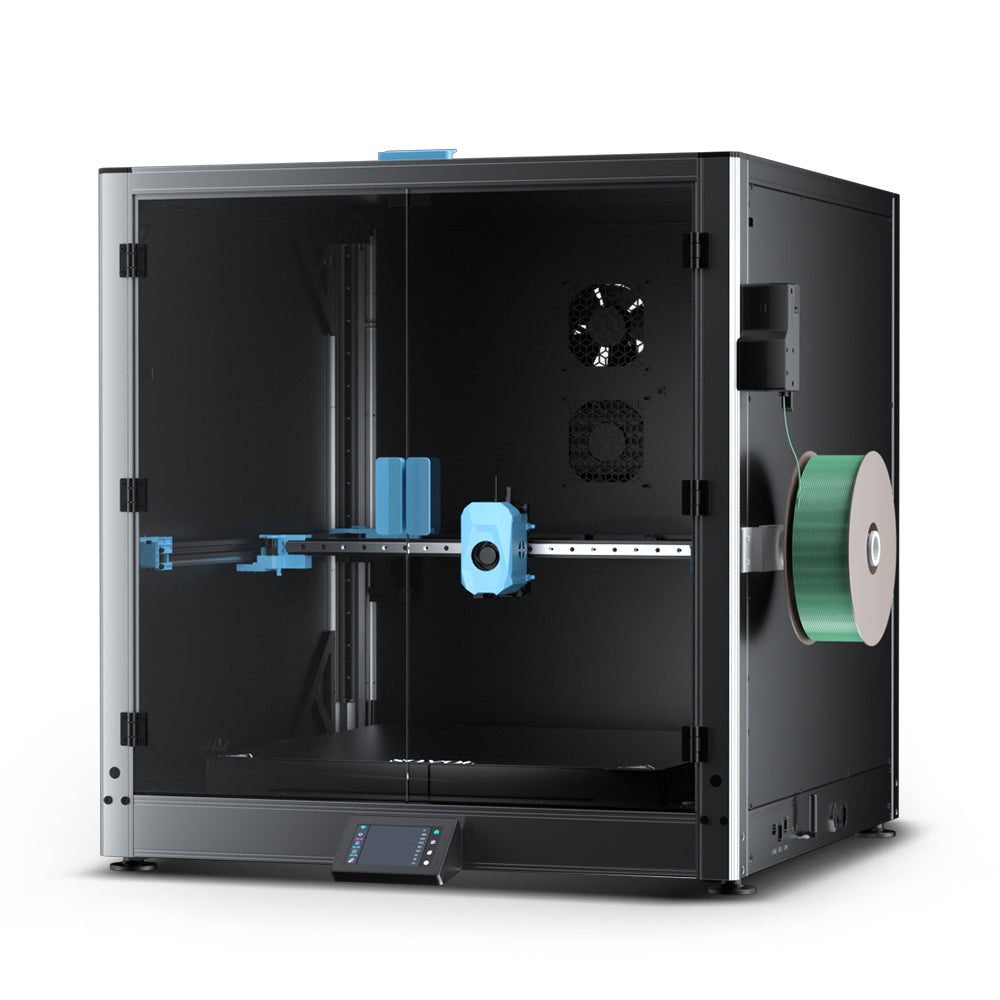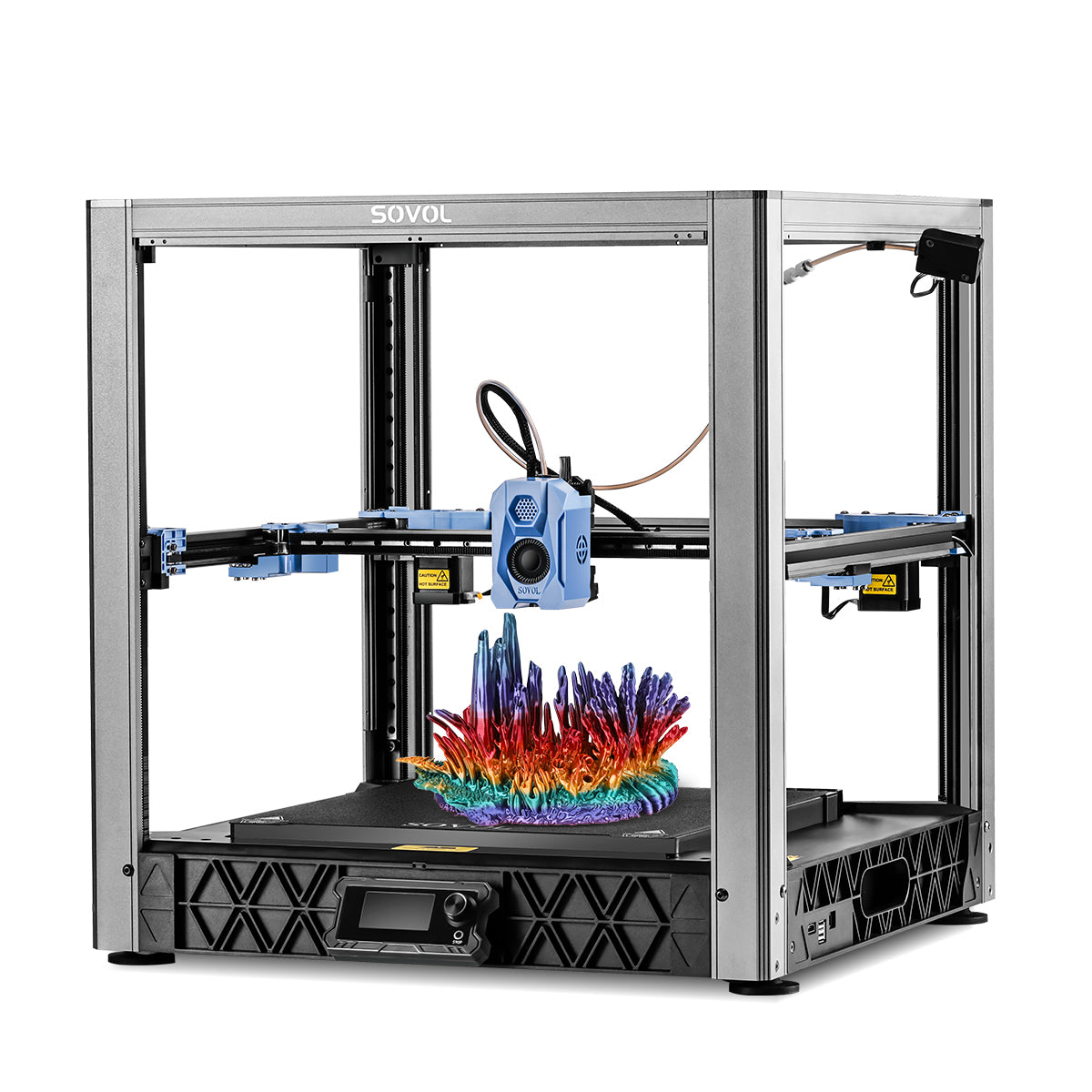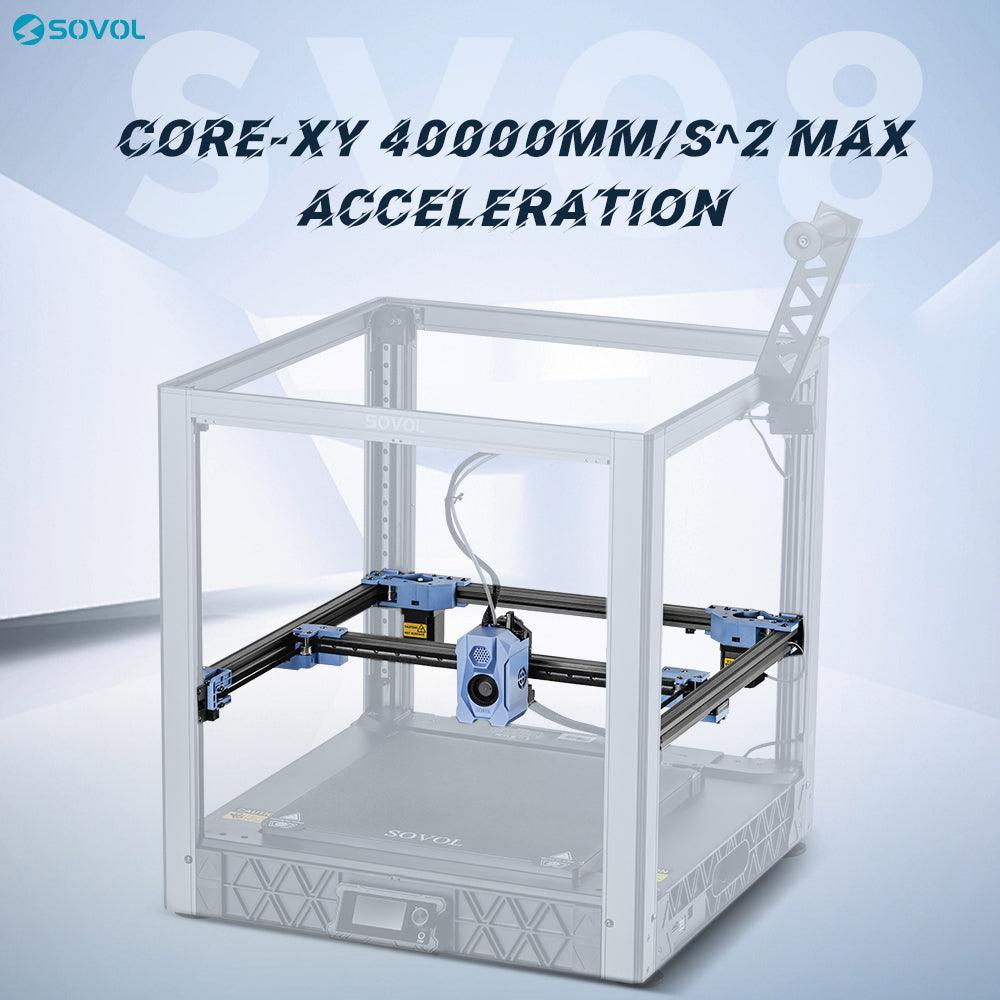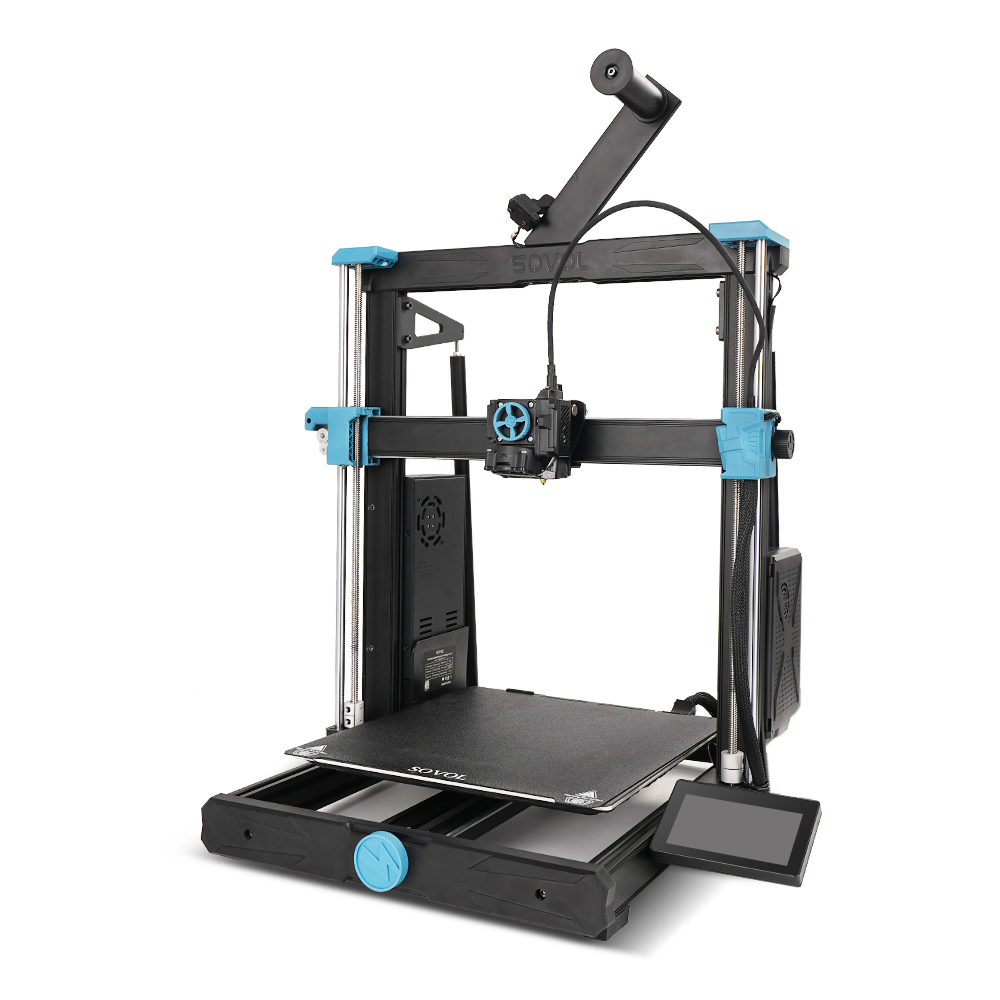




You can stop large print failure causes in 3D printing by getting your printer ready, doing regular maintenance, and using good techniques. Many large print failures happen because people miss steps or make small mistakes. Recent surveys say that about 41.1% of 3D prints fail from technical problems, and over 25% of these failures are from human mistakes. If you use adaptive slicing, smart support strategies, and better slicing settings, you save time and material and make success more likely. When you pay attention to these steps, you avoid the main large print failure causes.
Key Takeaways
- Clean the bed and check the nozzle height before you start big prints. This helps the print stick well to the bed.
- Use good filament and keep it dry. This stops problems with extrusion. Clean the nozzle often so the flow stays smooth.
- Control the temperature and cooling carefully. Change the fan speed for each material. This stops warping and makes prints strong.
- Look at parts like belts and rods before you print. Tighten anything that is loose. This stops layer shifts and other mistakes.
- Always check your model and slicing settings again. Use adaptive slicing and good supports. This makes prints better and saves material.
Large Print Failure Causes
Big 3D prints fail more than small ones. They take longer and use more material. This gives more chances for things to go wrong. Problems often happen with bed adhesion, extrusion, temperature, and mechanical parts. Small mistakes can get worse as the print goes on. To get good results, you need to know these problems. You should learn how they change your prints.
Bed Adhesion Failures
Bed adhesion failures mean your print does not stick well. Long prints can lose grip because of heat changes or dust. If the build plate is not flat, it causes problems. Wrong nozzle height also makes sticking hard. The first layer might peel up or move. This can ruin the whole print.
Tip: Clean your bed and check nozzle height before big prints.
|
Cause |
Description |
|---|---|
|
Bed Adhesion |
Dirty beds, wrong nozzle height, or uneven plates stop prints from sticking. |
Extrusion and Nozzle Issues
Extrusion problems can stop your print or make it weak. A clogged extruder blocks the nozzle. Bad filament or wrong width causes gaps or too much material. Big prints need steady flow for a long time. Any issue with the nozzle or gears can mess up the print.
- Clogged extruder: Dirt blocks the nozzle.
- Very low layer height: Material does not flow well.
- Poor filament: Uneven size causes too much or too little material.
Temperature and Cooling Problems
Heat and cooling problems cause warping or melted parts. Big prints need even heat and cooling for each layer. If cooling is too quick or slow, parts can bend or crack.
|
Evidence Description |
Key Findings |
|---|---|
|
More friction when removing parts causes breaks in raised areas. |
|
|
Not enough cooling time bends parts |
Parts may not get hard before removal, so they get damaged. |
Mechanical and Motion Errors
Mechanical errors include loose belts or bent rods. Z-axis stalls also cause trouble. These problems shift layers or stop prints. Big prints often fail from the same hardware or sticking issues.
- Layer shifts show Z wobble or backlash.
- Skipped layers mean stalls or bad data.
Model Preparation Mistakes
Model mistakes can ruin big prints. Bad design or weak STL files cause too much material, bending, or shifting. If you forget supports, overhangs can fall.
- First layer does not stick.
- Layers move or shift.
- Not enough support for overhangs.
Check your model and machine settings before starting a big print.
Preventing 3D Prints Fail
Big 3D prints mess up more than small ones. You can stop most problems with good planning. Get ready before you print. Use smart steps during long prints. This part gives you easy tips to help you fix common problems and get better results.
Fixing Bed Adhesion Failures
Bed adhesion is the first thing to check. If your print does not stick, it will fail. Always clean and level the bed before big prints. Dust or oil can make prints fail early.
|
Material |
Surface Material |
Adhesion Method |
|
|---|---|---|---|
|
ABS |
80-90 |
PET tape |
Elmer's Glue |
|
PLA |
0-50 |
PET tape/glass |
Elmer's Glue |
|
PLA |
N/A |
Glass |
Hair gel |
|
ABS |
220 |
N/A |
N/A |
Match the bed temperature and glue to your filament. PLA sticks well to PEI sheets. ABS needs more heat. Raise the bed temperature by 5 °C for PETG. PEI sheets help stop warping and lifting. Always check the first layer height and speed.
Tip: Use glue stick or hair gel if the first layer peels up.
If the first layer lifts, stop and clean the bed again. Make sure the bed is level. A good start helps you avoid bigger problems later.
Avoiding Extrusion and Nozzle Clogs
Extrusion problems can ruin big prints. Use good filament and keep it dry. Wet or dirty filament causes clogs. Check for dust or water before loading filament.
- Use good filament to stop clogs.
- Store filament in a dry box.
- Match nozzle heat to your filament.
- Clean the nozzle before long prints.
- Check the hotend for dirt or damage.
Good filament matters. Even size and clean material help you avoid problems. Clean the nozzle and extruder often. If you see gaps or blobs, stop and check for clogs. These steps keep your print running smooth.
Managing Temperature and Cooling
Heat and cooling problems can mess up big prints. Control both heat and airflow. Set the right bed and nozzle heat for your material. Use a fan to cool each layer at the right time.
- Good cooling helps plastic get hard fast.
- Proper cooling makes sharp corners and smooth walls.
- Change fan speed for your material. PLA needs more cooling. ABS needs less.
- Use a radial fan for detailed prints.
- Too much cooling can cause warping or cracks.
Good heat control makes prints better and stops problems. You can print faster if cooling is right. Place fans to cover the whole print area. Do not use too much air on ABS or PETG. If you see drooping or warped corners, change your fan settings. These steps help keep every layer strong.
Preventing Mechanical Shifts
Mechanical problems like layer shifts can ruin big prints. Check belts and moving parts before big jobs. Loose belts or old parts move layers out of place.
- Check belt tightness and fix if needed.
- Use Z-lift of 0.2-0.3mm to stop nozzle hits.
- Make sure your printer sits steady.
- Run a quick test to find motion problems.
- Update firmware for better control.
|
Factor |
Description |
|---|---|
|
Condition of the Machine |
Parts can wear out or get loose. Keep them in good shape. |
|
Installation Rigidity |
A steady setup stops weird movements. |
|
Motion Algorithms |
Firmware updates can fix mechanical problems. |
If you hear strange sounds or see layers move, pause and check belts. These steps help you avoid ruined prints from simple problems.
Preparing Models for Success
Getting your model ready is important for big prints. Use the right slicing settings and supports. Adaptive slicing changes layer height for better speed and quality. Always check supports to stop over-extrusion and under-extrusion.
- Use adaptive slicing for better speed and detail.
- Pick supports that use less material but stay strong.
- Turn your model at a 45-degree angle for best results.
- Run a test print to find problems before the big job.
- Use simulation tools to find weak spots or missing supports.
- Fix and check your model file.
- Make sure your material works with your printer.
- Test your printer with a small print.
- Change slicing settings for your model.
- Check support and model direction.
- Control your print area temperature and humidity.
- Set up print monitoring.
If you skip these steps, you might get under-extrusion, over-extrusion, or support problems. These steps help you catch issues before wasting time and material. Always double-check your settings and calibration before big prints.
Note: Careful planning and regular checks are the best ways to stop big prints from failing.
How to Fix Large Print Failures
Large 3D prints can fail for many reasons. You need a clear troubleshooting process to solve problems quickly and save your work. This section shows you how to fix failed 3D prints by guiding you through diagnosis, step-by-step troubleshooting, and rescue techniques for prints in progress.
Diagnosing Print Issues
You must spot problems early to prevent wasted time and materials. Look for warning signs during your print job. Common issues include bed adhesion loss, warping, layer shifting, and extrusion gaps. If you see the first layer peeling up, corners lifting, or layers moving out of place, you need to act fast.
|
Early Warning Sign |
Possible Cause |
What You Should Do |
|---|---|---|
|
Bed not clean or level |
Pause and clean the bed |
|
|
Corners warp |
Cooling too strong |
Lower fan speed |
|
Layers shift |
Loose belts or rods |
Check and tighten belts |
|
Gaps in layers |
Clogged nozzle or wet filament |
Clean nozzle, dry filament |
Tip: Watch your print for the first 10 layers. Most problems show up early.
You can diagnose failed 3D prints by checking for visible damage. Look for loose screws, disconnected cables, or broken parts. Use your printer’s manual to find troubleshooting steps for your model. If you see a problem, stop the print and inspect the machine.
Step-by-Step Troubleshooting
You need a systematic approach to fix large print failures. Follow these steps to solve most problems:
- Identify the specific issue with your 3D printer. Is it bed adhesion, extrusion, temperature, or mechanical?
- Inspect for visible damage. Check for loose screws, disconnected cables, or worn parts.
- Refer to your printer’s manual for troubleshooting guidance. Most manuals list common problems and solutions.
- Follow the recommended procedures in the manual. This may include recalibrating, cleaning, or replacing parts.
- Check for compatible replacements if you find a defective part. Use parts approved by your printer’s manufacturer.
- Make sure your firmware and software are up to date. Updates often fix bugs and improve reliability.
- Perform regular maintenance. Clean and lubricate moving parts to prevent future issues.
- Seek help from online forums or the manufacturer’s support if the problem does not go away.
Troubleshooting guides from major manufacturers, like MatterHackers, break down problems into categories such as extrusion failures, print adhesion, and layer separation. These guides describe each issue, list probable causes, and suggest actionable solutions. You can use these resources to solve problems with large prints.
Note: Always fix the root cause before restarting a large print. Quick fixes may not last for long jobs.
Saving a Print in Progress
Sometimes you can rescue a large print after a partial failure. You need to act quickly and use practical techniques.
- Use hot glue to reattach parts if the print loses adhesion or layers start to separate.
- Apply hot glue to fill gaps between layers caused by model errors or slicing problems.
If your print stops mid-way, you can resume printing by editing the G-code file:
- Add a line of G-code to your edited file to resume printing.
- Find the layer where the print failed. Calculate the resume height divided by the layer height.
- Search for the matching layer in the G-code file and confirm the height.
- Delete everything before the Z-movement command for that layer.
- Add these lines:
- M106 S255 to set the fan speed.
- G0 Z##.# to move to the correct layer height.
- G92 E##.# to set the extrusion amount.
Fix the issue that caused the failure before you restart the print.
⚠️ Always check that the print bed is clean and the nozzle is unclogged before resuming. If you do not fix the original problem, the print may fail again.
You can save time and material by learning how to fix failed 3D prints during long jobs. Use these steps to recover from common problems like bed adhesion loss, warping, and layer shifting. With practice, you will improve your troubleshooting process and get better results on large-format prints.
You can stop most big print problems if you plan early. Keep your printer in good shape. Use smart modeling and slicing to help your prints. Pick the right supports for your model. Clean and check your printer often to stop issues. Make a list with steps like checking belts and cleaning the nozzle. Control the room’s temperature and dust. These steps help you fix problems fast and get better prints. People use these tips for things like hearing aids and prototypes. These ideas help you get strong and good prints.
|
Checklist Item |
Description |
|---|---|
|
Calibrate Bed Level |
Make sure prints stick and look good |
|
Deep Clean Extruder |
Keep filament moving without stops |
|
Inspect Cooling Fans |
Stop parts from getting too hot |
Tip: Always use your checklist to find problems early and make your prints better.
FAQ
What should you do if your large print keeps warping?
You should check your bed temperature and slow down cooling. Use an enclosure to keep heat even. Try a brim or raft for better grip. Clean the bed before every print.
How often should you calibrate your 3D printer for big jobs?
You should calibrate before every large print. Check bed level, nozzle height, and extruder steps. This helps you avoid layer shifts and poor adhesion.
Can you pause and resume a large print without issues?
You can pause and resume, but you must keep the bed and nozzle hot. If the print cools, layers may not stick. Use your printer’s pause function and avoid long breaks.
What is the best way to store filament for large prints?
Store filament in a dry box with desiccant. Wet filament causes clogs and weak prints. Always check for moisture before starting a big job.
How do you choose the right support settings for a large model?
Use adaptive supports in your slicer. Test with a small print first. Place supports only where needed to save material and time. Check preview mode for gaps or weak spots.