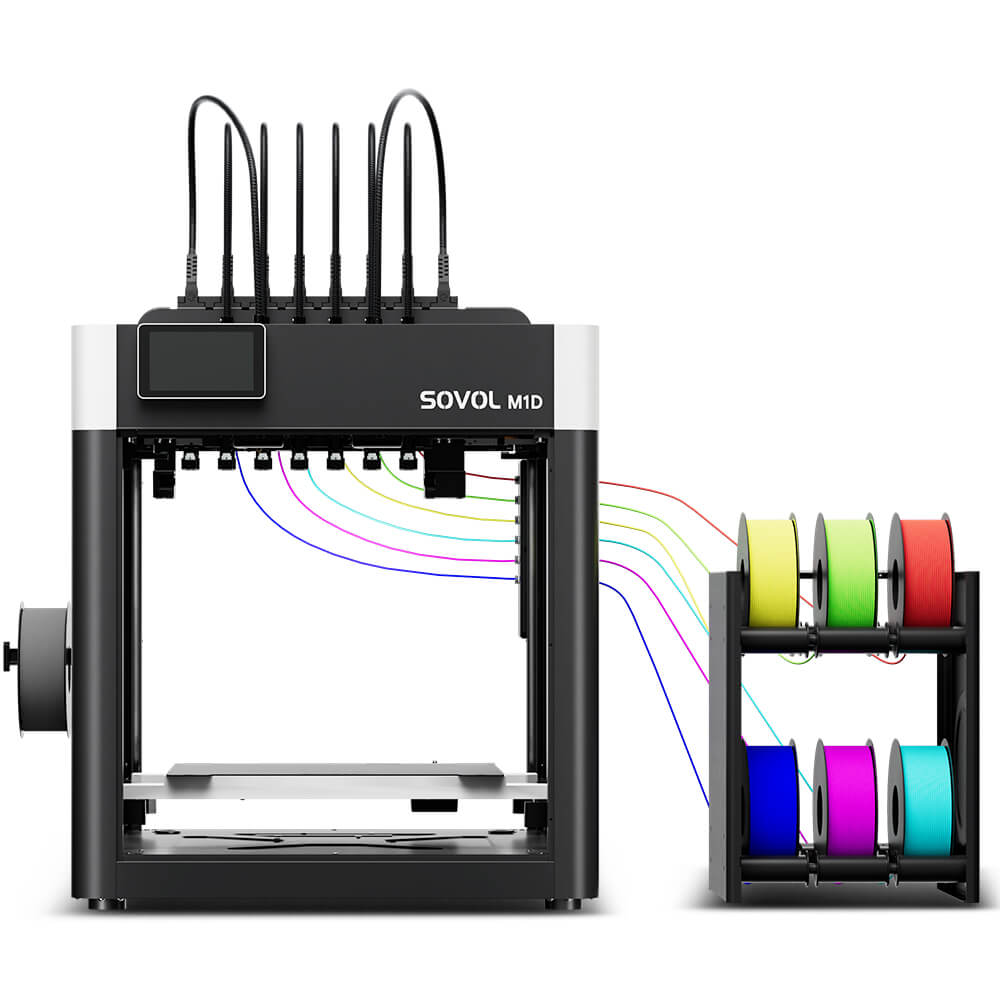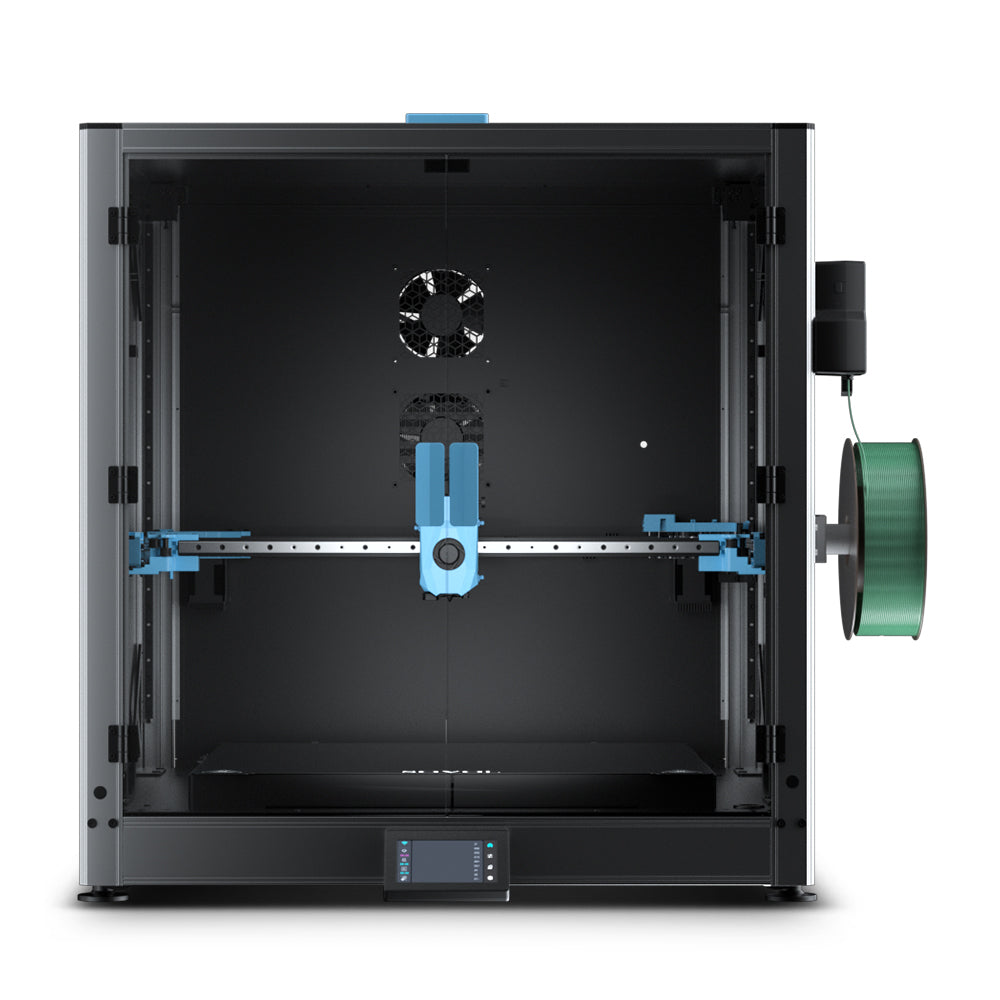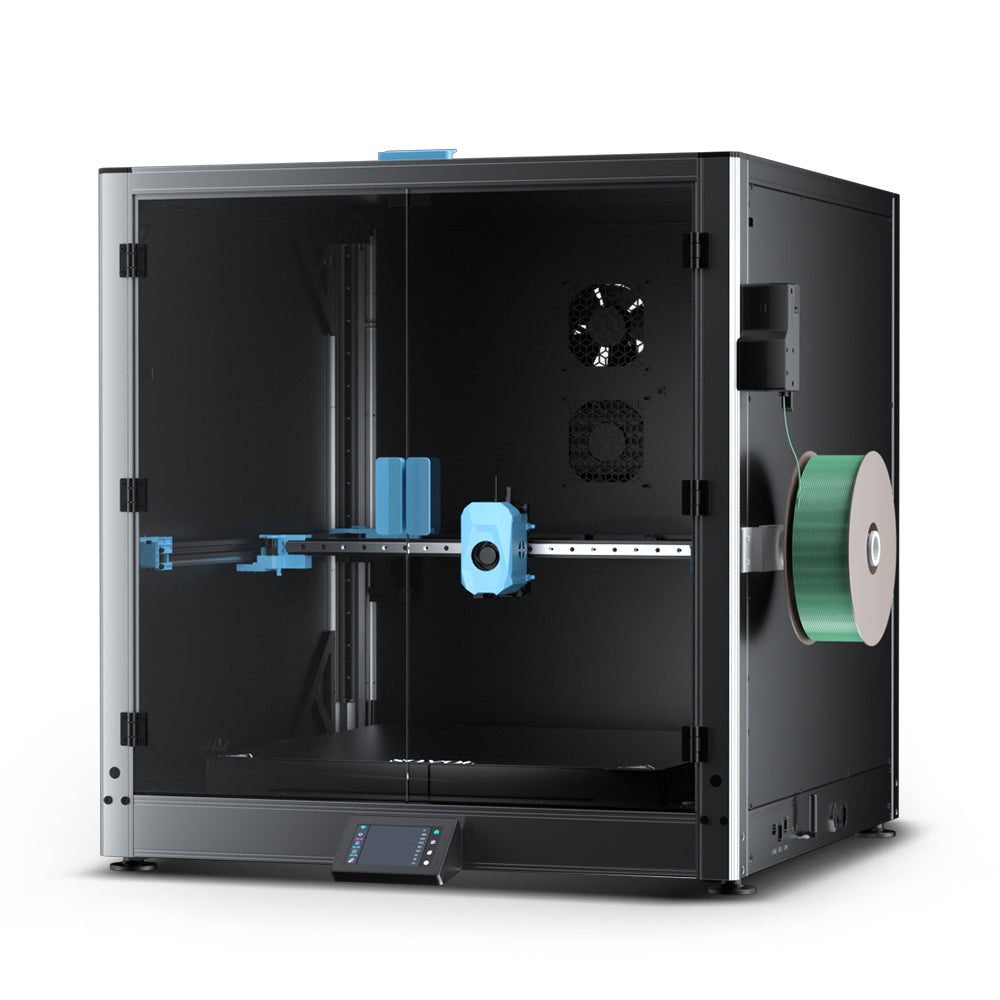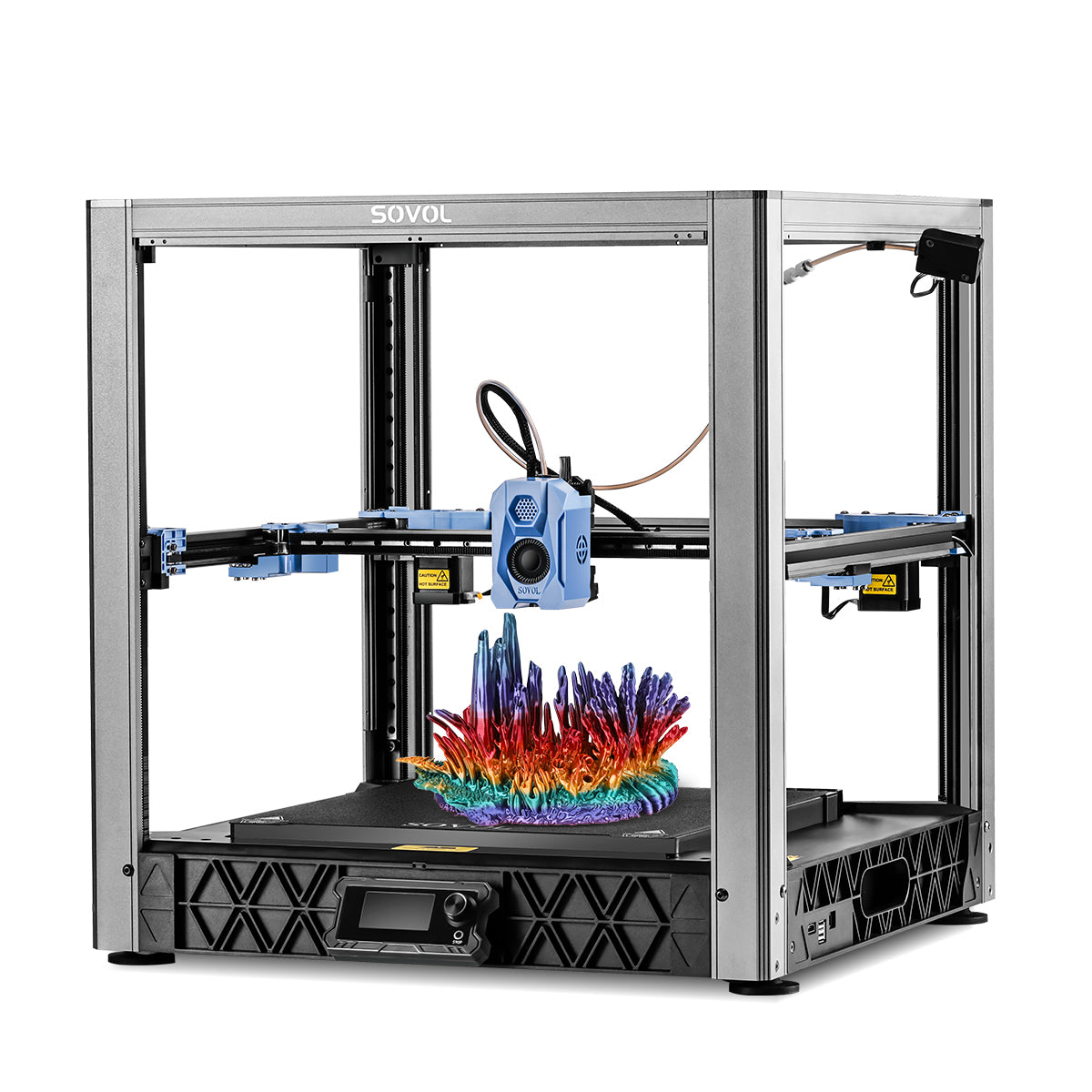
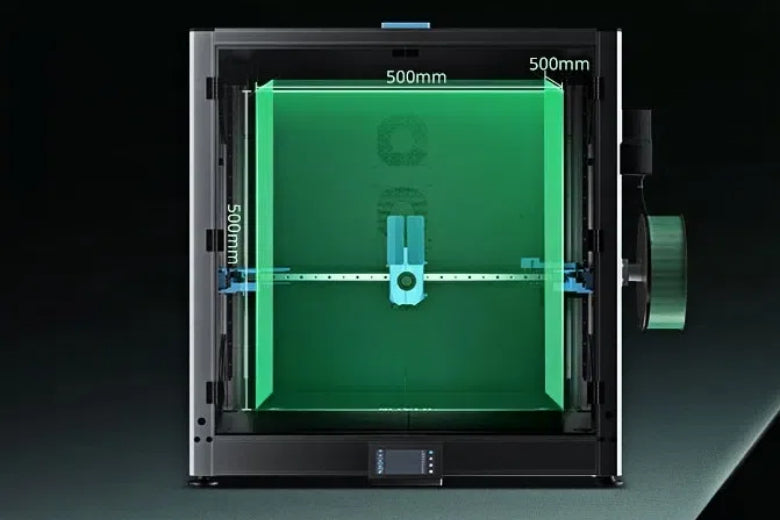
You have special problems when you use a large-format 3D printer. These printers need a steady place to make strong and correct parts. A 3D printer enclosure helps keep the temperature the same. This stops warping and layer separation. The enclosure also keeps your workspace safe from bad fumes and loud sounds. Studies show enclosures keep moisture away from filaments. They also trap emissions and keep hot parts away to stop burns. With these benefits, you get better prints and a safer, nicer workspace.
Key Takeaways
- A 3D printer enclosure keeps the temperature steady. This stops warping and layer splitting. Your prints look better and stronger.
- Enclosures keep bad fumes away from your workspace. They also make less noise. This makes your area safer and quieter.
- With an enclosure, you can use more types of materials. This helps you make more designs and better prints.
- Buying a good enclosure helps you save money. It lowers the number of failed prints. It also helps your printer last longer.
- Pick an enclosure that matches your printer's size. Make sure it fits your printing needs for the best results.
Challenges in Large-Format 3D Printing
Temperature Fluctuations
Large-format 3D printers have special temperature problems. The bigger area makes it tough to keep heat steady. If the temperature changes fast, your prints can have trouble. For example:
- PLA can get hard and break in cold weather. This makes printing tough.
- ABS can get soft if it gets too hot. It might bend before you start printing.
- Big temperature changes can cool layers too fast. This can make layers weak or cause cracks.
When you print bigger things, keeping the temperature steady matters more. If the environment is not stable, prints can fail and you waste material.
Warping and Print Failures
Warping happens a lot with large-format 3D printing. The bottom layer can lift up and ruin the whole print. Bigger and longer prints fail more often. Many things can cause warping and stress:
|
Parameter |
Contribution to Residual Stress (%) |
|
|---|---|---|
|
Infill Pattern |
35.38 |
0.82 |
|
Printing Speed |
21.19 |
4.19 |
|
Printing Temperature |
N/A |
33.81 |
|
Infill Density |
N/A |
30.73 |
|
Bed Temperature |
N/A |
3.82 |
|
Layer Thickness |
N/A |
1.37 |
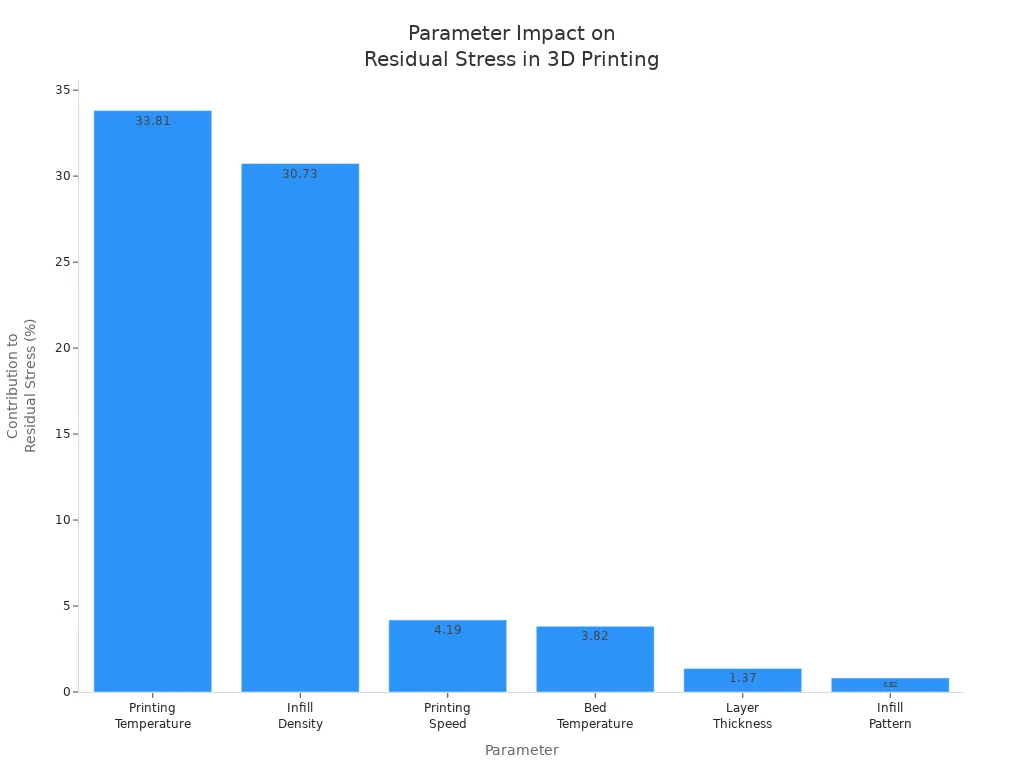
You should check these settings to stop warping and get better prints. Longer prints can have more mistakes, so a controlled space is important.
Technical Filament Issues
Large-format 3D printers have more problems with filaments. You might see bumps, bubbles, or uneven thickness. These problems can mess up your print and waste time. Here are some common filament issues:
|
Issue |
Description |
|---|---|
|
Thickness Deviation |
Filament feeds unevenly; you need consistent settings for best results. |
|
Bumps or Unmelted Particles |
Contaminants or improper melting cause clogs; cleaning and adjustment help. |
|
Bubbles in the Filament |
Inadequate drying or overheating leads to voids and failed prints. |
|
Insufficiently Liquid Output |
Poor extrusion often links to temperature settings and material properties. |
You need to fix these filament problems for strong, good prints. A steady environment helps stop many of these issues. That is why enclosures are important for your printer.
3D Printer Enclosure Benefits
Stable Printing Environment
Large-format 3D printing works best in a steady place. A 3D printer enclosure helps keep the temperature the same. This is important because big prints take a long time. They can be ruined by changes in the air. The enclosure blocks drafts and dust that can mess up your print. It also keeps heat inside so layers stick together better.
- The enclosure keeps the temperature even. This stops warping and helps layers stay together.
- It blocks dust and drafts that cause problems for big prints.
- The enclosure makes a warm space for materials like ABS and Nylon. This lets you print bigger and stronger things.
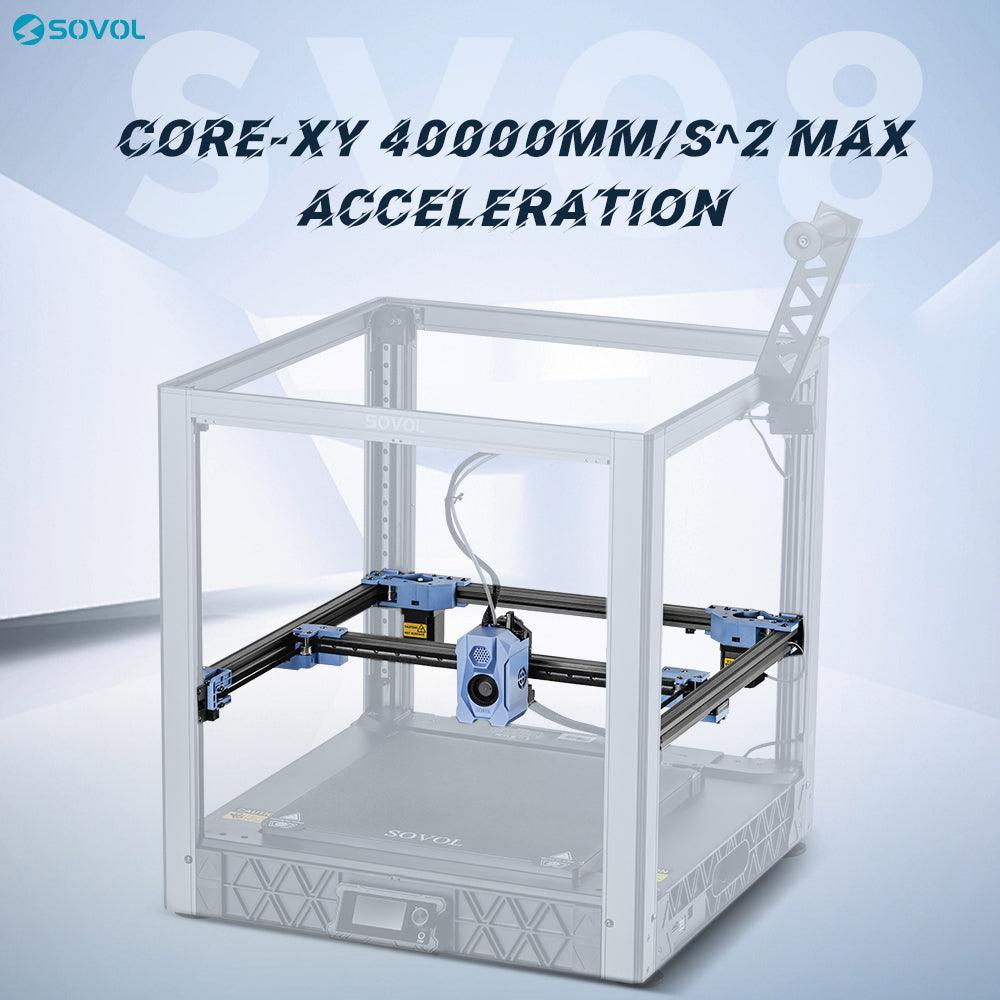
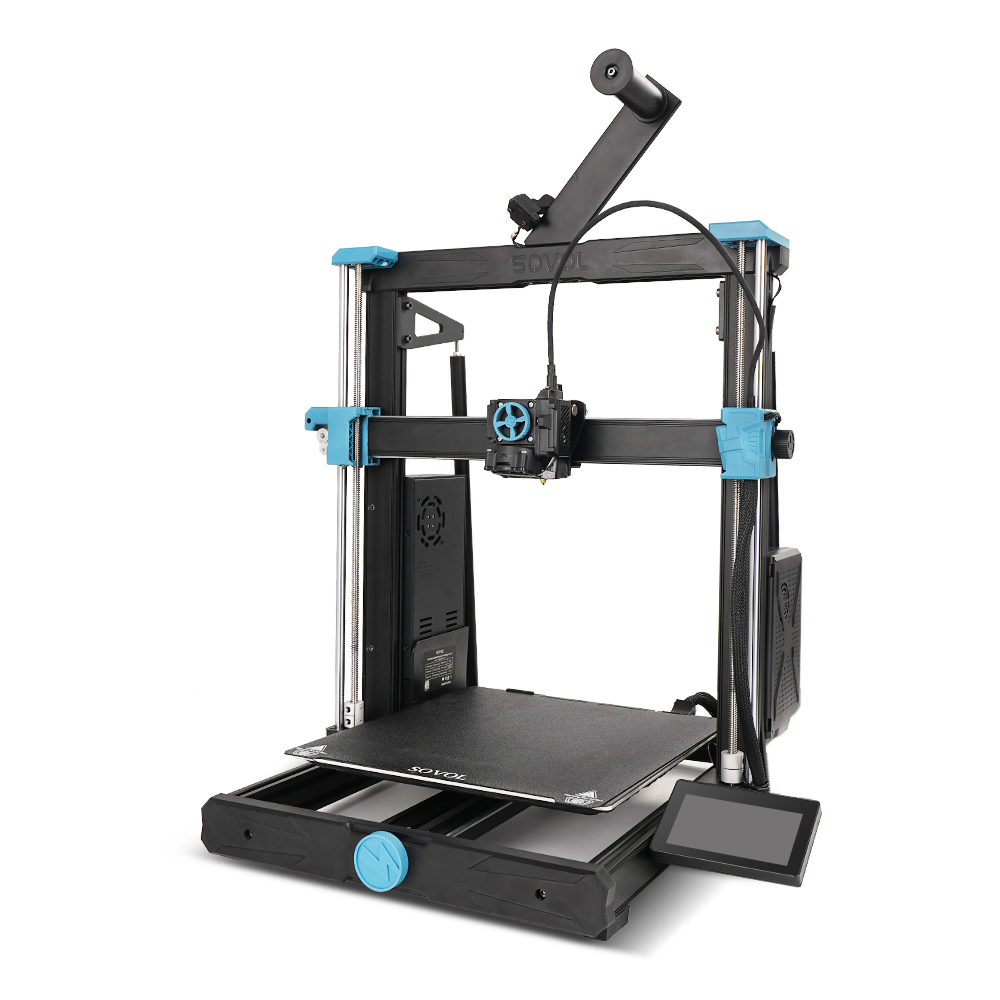
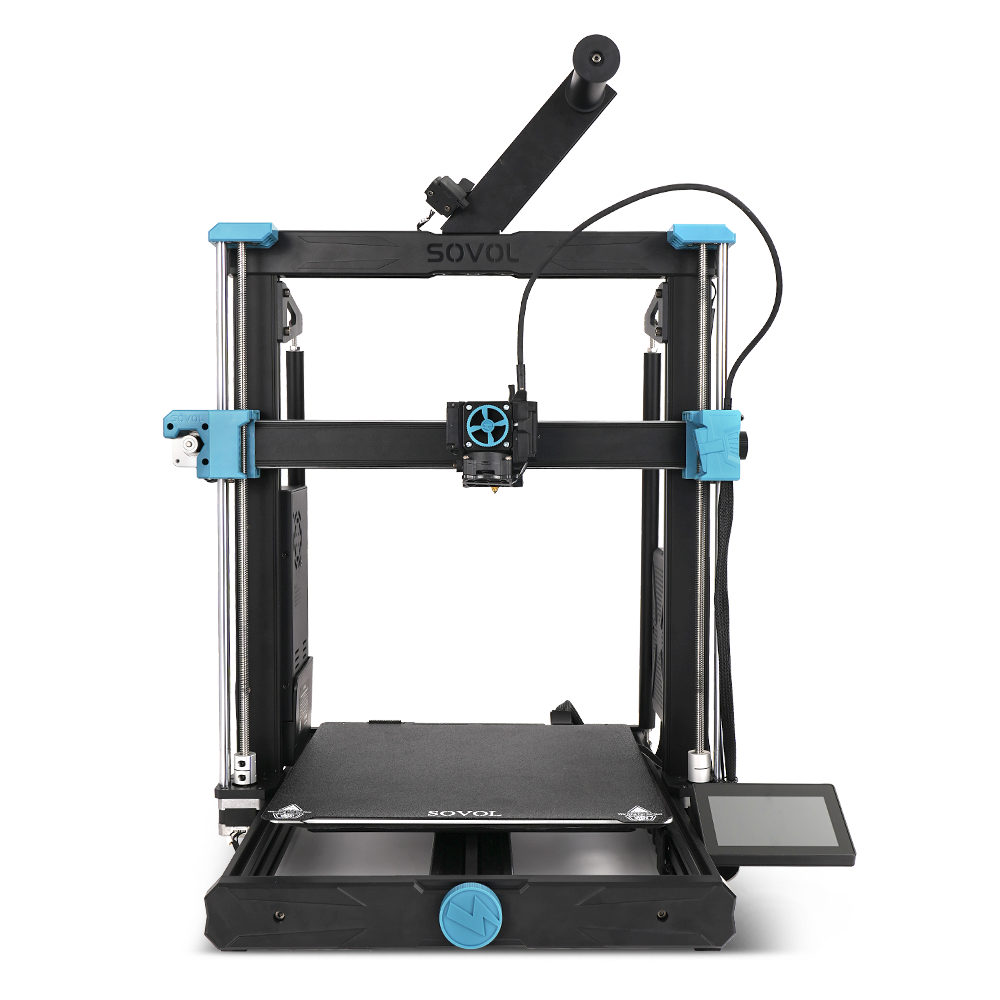
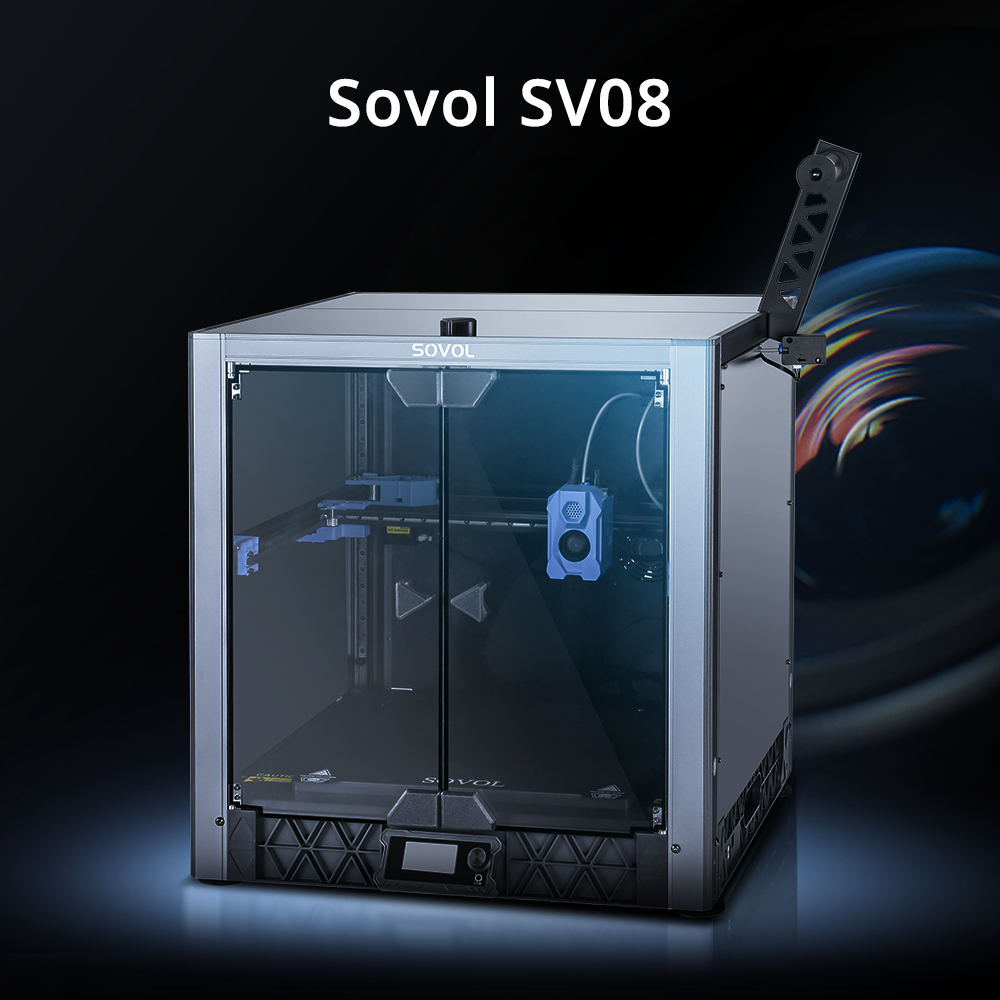
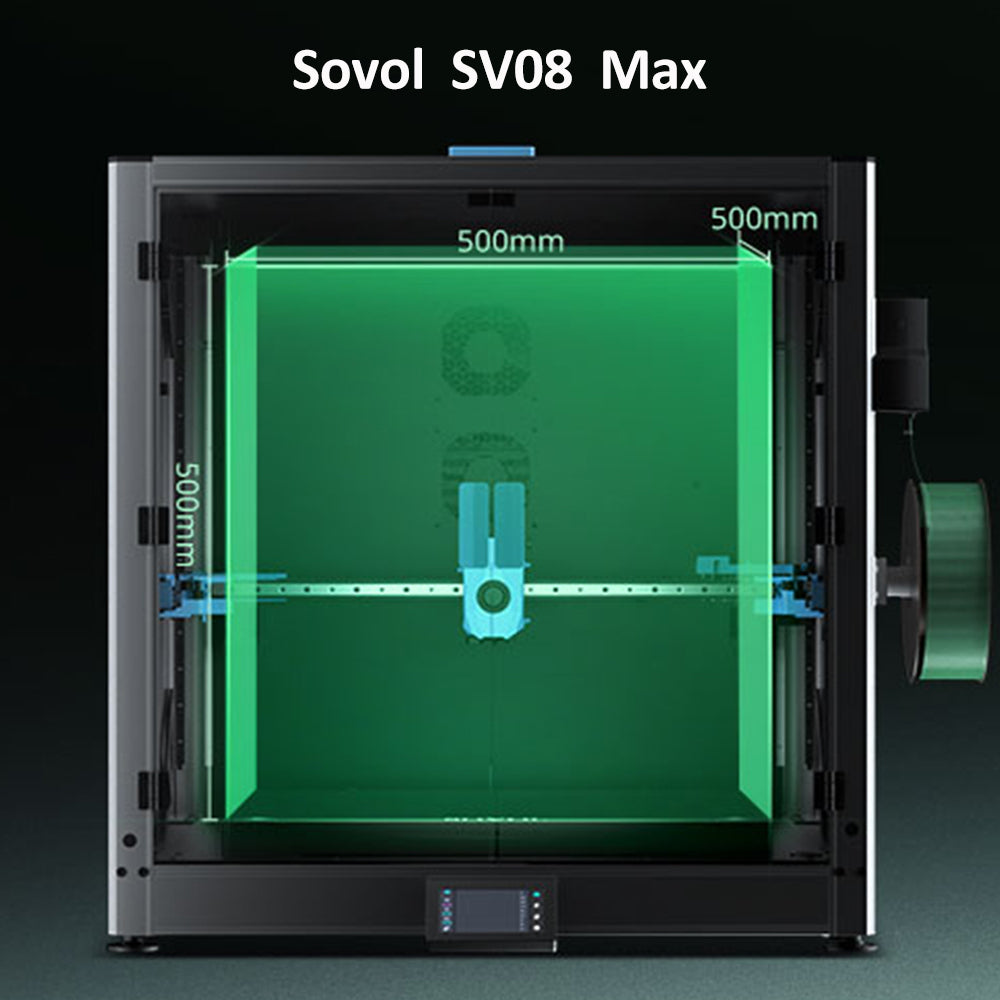
The Sovol SV08 Max Enclosure Kit gives you more control. It has a heating module to keep the temperature high and steady. This is needed for special filaments that need certain heat. You can see how an enclosure helps with temperature, warping, and filament problems.
|
Evidence Description |
Key Points |
|---|---|
|
Enclosed build space |
Stops drafts and keeps heat in for steady printing. |
|
Temperature control |
Stops warping by keeping the air stable. |
|
Helps with shrinkage and works for special plastics. |
Improved Print Quality
You want your prints to look nice and be strong. A 3D printer enclosure helps you do this. When the temperature stays the same, layers do not split or warp. This is very important for large-format 3D printing. Big prints take more time and need steady heat.
- Enclosures stop warping and layer splits by keeping heat even.
- Materials like ABS and Nylon need steady heat for good results.
- Good insulation from the enclosure stops temperature swings that hurt prints.
Surveys and case studies show people get better prints with an enclosure. You can make bigger things with fewer mistakes. You also waste less material because prints finish without errors.
|
Evidence Description |
Key Points |
|---|---|
|
Consistent nozzle temperature |
Stops fast cooling and warping, helped by the enclosure. |
The Sovol SV08 Max Enclosure Kit also makes the printer quieter. This means you can work without loud noise from the printer.
Enhanced Material Performance
You can use more types of materials with a 3D printer enclosure. Some materials need special heat and dryness to work well. For example, engineering thermoplastics like ABS, Nylon, and flame-retardant gels need a warm, dry space. The enclosure gives you this kind of place.
|
Feature |
Description |
|---|---|
|
Enhanced Design Flexibility |
You can make cool shapes and strong parts with different support. |
|
Improved Performance |
Your prints are strong but light and can be used for special jobs. |
|
Thermal Stability |
The parts you print stay strong in hot or tough places. |
You can use materials like Dimengel 20-FR. This is flame-retardant and used in cars, boats, planes, and scenery. The Sovol SV08 Max Enclosure Kit helps keep the right heat for these special materials. This means you can print parts that are strong, safe, and ready to use.
A 3D printer enclosure does more than just cover your printer. It makes the right space for large-format 3D printing. You get better prints, more choices for materials, and a safer place to work.
Safety and Workspace Improvements
Fume and Odor Control
Large-format 3D printers can make strong smells and fumes. These come from the hot plastics. The fumes can spread fast in your room. A 3D printer enclosure can trap and filter these fumes. This helps keep the air clean and safe for you. Scientists found that sealed enclosures with filters work well. For example, Azimi et al. did a study. They found that a sealed enclosure is great for lowering tiny particles and bad chemicals. This means you can print for a long time. You do not have to worry about breathing in bad fumes or smells.
Tip: Always keep the enclosure closed when printing for best fume control.
Noise Reduction
Large-format 3D printers can be very loud. Long prints make even more noise. The loud sounds can make it hard to work or think. An enclosure helps make the printer quieter. Studies show enclosures can cut noise by 8 to 25 decibels. The amount depends on what the enclosure is made of. Here is a table that shows how much noise different materials block:
|
Material Type |
Noise Reduction (dB) |
|---|---|
|
Sound damped steel sheets |
5 - 25 |
|
Vibratory separator dome |
16 |
|
Chiller panels |
8 |
|
Cowls and safety guards |
3 - 9 |
You will notice your workspace is quieter. It is easier to focus and work near your printer.
Equipment Protection
Dust and dirt can hurt your printer over time. A 3D printer enclosure works like a shield. It keeps dust away from the moving parts and extruder. This means you clean less and print more. Experts say enclosures help stop dust and other dangers. Enclosures with vents also lower air pollution. You should always keep the doors closed when the printer is running to stay safe.
- Enclosures keep dust off your printer.
- They protect against moisture and other dangers.
- Your printer lasts longer and works better.
A 3D printer enclosure does more than just cover your printer. It makes your space safer, quieter, and cleaner. You can focus on your work and get better prints with less trouble.
Choosing a 3D Printer Enclosure
Key Features to Look For
When you pick a 3D printer enclosure, look for features that help with large-format printing. Experts say these things are important:
- Spaciousness: Your printer and its parts need enough space.
- Ease of Assembly: A simple setup saves you time and work.
- Protection from Dust: This keeps prints clean and helps quality.
- Temperature Management: Steady heat gives you better results.
- Sturdy Construction: Strong enclosures last longer and protect your printer.
- Extra Features: Tool pockets and cable flaps make things easier.
The Sovol SV08 Max Enclosure Kit is a good commercial choice. You can set it up in about 15 minutes. It keeps out dust, has a heating module for steady heat, and a dust cover for more protection. These features help you get good prints and a safer workspace.
DIY vs. Commercial Options
You can make your own enclosure or buy one. Each choice has good and bad points:
|
Aspect |
DIY Enclosures |
Commercial Enclosures |
|---|---|---|
|
Cost |
Usually cheaper |
Often costs more |
|
Safety Features |
May not have all safety parts |
Has fire-resistant materials |
|
Temperature Stability |
Basic control |
|
|
Fume Management |
Limited |
Has filtration systems |
|
Reliability |
Not as reliable for health and quality |
More reliable for health and quality |
A commercial enclosure like the Sovol SV08 Max Enclosure Kit gives you better safety, heat control, and reliability. DIY enclosures can save money but may miss important features.
Matching Enclosure to Needs
Pick an enclosure that fits your printer, materials, and workspace. Here are some tips:
- Measure your printer and workspace to make sure it fits.
- Think about your budget and what features you need most.
- Choose fire-resistant materials and good airflow for safety.
|
User Type |
Best Enclosure Features |
|---|---|
|
Beginner |
Easy setup, safety, basic controls |
|
Advanced |
High-temp support, filtration, upgrade options |
A good enclosure helps you keep heat and moisture steady. This means fewer failed prints and better protection for your printer. Make sure there is room for cables and tools. Large doors or panels make it easy to reach inside.
Note: A good enclosure can save you money over time. It helps stop failed prints and makes your printer last longer.
Who Should Use an Enclosure
Hobbyists and Home Users
You might like 3D printing at home or as a hobby. Large-format 3D printing can be tricky in your room. You need to keep the temperature steady and stop dust for good prints. A 3D printer enclosure keeps the air warm and even. This helps your prints stick together and not bend or curl. It also keeps dust and wind away from your printer.
- Enclosures help special filaments stick and stay strong.
- You get fewer bad prints and better results.
- Many people say enclosures save money by using less material.
You can work on fun projects without worrying about mistakes. You also make your home safer by trapping fumes and making less noise.
Professionals and Businesses
If you use large-format 3D printing for your job, you need good results. Companies want prints to look the same every time and keep workers safe. Enclosures let you control heat and air flow. This helps you follow safety rules and make strong parts.
Reports show that businesses and factories get the most from enclosures. You can stop fumes, lower noise, and keep your team safe. In jobs like airplane and hospital work, enclosures are very important. They help you make tough, correct parts for real use.
|
Benefit |
Why It Matters for Business |
|---|---|
|
Temperature Control |
Makes print quality stay the same |
|
Emission Containment |
Follows safety rules |
|
Noise Reduction |
Makes work quieter |
You can trust your prints to finish with fewer mistakes. This means you waste less time and get more done.
Educational Settings
Schools and colleges use large-format 3D printers for hands-on lessons. You want students to learn safely and get good prints. Enclosures make this happen. They keep the air clean and the printer safe to touch.
Many schools say enclosures help students print more and get better results. For example, some schools have makerspaces with enclosed printers. Students spend less time waiting and more time learning. Safe, closed printers let students do everything from design to finished part.
Note: Enclosures help you make a safe, quiet, and good place for learning and trying new things.
You should use a 3D printer enclosure for large-format 3D printing. It helps you get better prints and keeps your workspace safer. The enclosure lets you control the temperature. It also cuts down on fumes and blocks out noise. Your prints stay safe from dust and wind. Experts say you need an enclosure in these situations:
- You use engineering plastics that shrink a lot.
- Your printer is in a garage or workshop with dust or changing heat.
- Kids or pets are close to your printer.
Think about where you print and what materials you use. An enclosure can make your prints stronger and your work area safer.
FAQ
Why do large-format 3D printers need enclosures more than small printers?
Large-format 3D printers create bigger objects. These prints take longer and need steady heat. Enclosures help keep the temperature even. This stops warping and layer separation. You get stronger and more accurate prints.
Why does temperature control matter for large-format 3D printing?
Temperature changes can ruin big prints. If the air gets cold or drafty, layers may crack or lift. Enclosures keep the heat steady. This helps each layer stick well and finish without problems.
Why should you care about fumes and odors from 3D printing?
Heated plastics can release fumes and smells. Some fumes are not safe to breathe. Enclosures trap and filter these emissions. You get cleaner air and a safer workspace.
Why does noise reduction matter in a 3D printing workspace?
Large-format printers can be loud. Long prints make more noise. Enclosures block much of this sound. You can focus better and work in a quieter space.
Why is equipment protection important for large-format 3D printers?
Dust and dirt can damage your printer. Enclosures shield your machine from these hazards. Your printer lasts longer and works better with less cleaning.