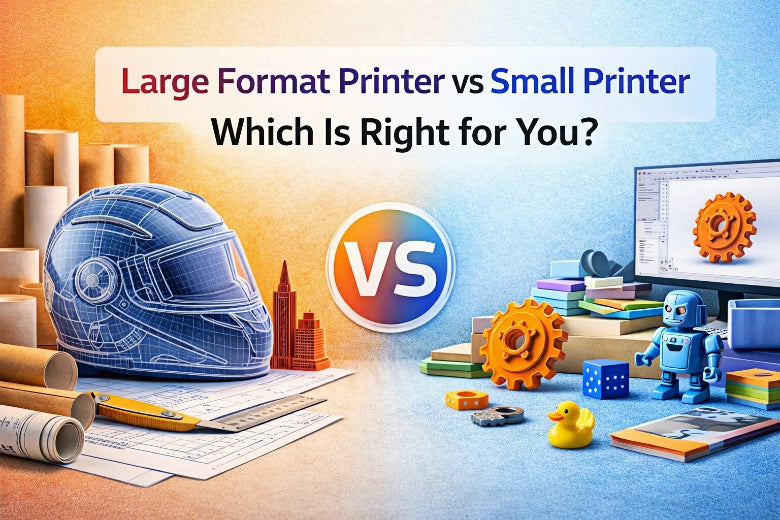
Imagine you need to print a huge poster for your business or a simple homework sheet at home. You might wonder which option fits your needs better: a large format printer or a small printer. If you often create big signs or detailed graphics, a large format printer makes sense. For daily documents or photos, a small printer works well. You should look at your print size needs, budget, available space, and how you plan to use the printer. Making the right choice in the large format printer vs small printer debate helps you save money and get better results.
Key Takeaways
- Pick a large format printer for big jobs like banners and posters. It gives you bigger prints and better quality for large things.
- Pick a small printer for daily work like homework and papers. It saves money and fits well in small rooms.
- Think about what you need to print. Look at print size, your budget, and how often you will print.
- Large format printers need more care and space. Small printers are small and easy to set up.
- Use the checklist to match your printer to your needs. This helps you choose the best printer for you.
Quick Overview: Large Format Printer vs Small Printer
When you look at a large format printer and a small printer, you notice they are different. The table below helps you see how they compare:
|
Feature |
Large Format Printers |
Standard Printers |
|---|---|---|
|
Print Size |
Up to 5 meters wide |
Letter/A4 or smaller |
|
Print Width |
Typically below 24 inches |
|
|
Material Compatibility |
Vinyl, fabric, film, canvas, paper |
Mostly standard paper |
|
Print Quality |
High resolution, over 1,200 DPI |
Good for documents and photos |
|
Print Speed |
Fast for big jobs |
Slower for large prints |
|
Maintenance |
More frequent, higher cost |
Less frequent, lower cost |
|
Use Cases |
Documents, schoolwork, personal use |
Who Should Choose Large Format Printers
Pick a large format printer if you need to print banners, posters, or blueprints. Many companies in advertising, architecture, and events use these printers for big jobs. If you work in marketing and want to make bright signs or window graphics, a large format printer gives you more choices than a small printer. Artists and photographers use these printers for high-quality prints. Some well-known models are the HP DesignJet XL 3800 MFP and Canon Océ PlotWave T35. These help people finish large printing jobs easily.
Tip: If you often print wide or long things, a large format printer will save you time and give you better results.
Who Should Choose Small Printers
A small printer is best if you mostly print homework, documents, or photos at home or in a small office. When you compare a large format printer and a small printer, you see that small printers use less space and cost less to take care of. They are good for daily printing and do not need special materials. If you do not print anything bigger than normal paper, a small printer is a smart pick. These printers are easy to use and set up, so they are great for students and families.
What Is Large Format Printing
Definition and Print Sizes
Large format printing lets you make prints much bigger than a normal printer. You use this kind of printing for banners, posters, or billboards. People also call it wide format printing. You can print things that are 18 inches wide or even over 100 inches. The length can be very long because the printer uses big rolls of material.
Here is a quick look at standard print sizes and quality:
|
Standard Print Widths |
Print Length |
Resolution |
|---|---|---|
|
24”, 36”, 44”, 60”, up to 100”+ |
Virtually unlimited |
Many models exceed 1,200 DPI |
You get clear pictures and bright colors. This makes large format printing great for photos and graphics.
Materials and Quality
You can pick from many large format materials for your project. Some common ones are:
- Paper
- Vinyl
- Canvas
- Photo paper
- Transparent film
Large format printers can also print on hard materials like foam board, aluminum composite, and acrylic sheets. This means you can make signs, displays, and art pieces.
Inkjet printers are flexible and make high-quality prints. They use liquid ink and spray it onto the material with tiny nozzles. This helps mix colors well and gives sharp details. That is why inkjet printers are good for photos, fine art, and detailed designs.
New technology has made large format printing even better. Eco-solvent, latex, and UV-curable inks help your prints last longer and look bright. These inks also make prints safer for inside and better for the planet.
Typical Applications
You see large format printing in many places every day. Here are some common uses:
- Wall wraps in offices and stores
- Creative floor graphics for events
- Retail window clings for promotions
- Barricade wraps at construction sites
- Trade show displays
- Stadium graphics for advertising
- Vehicle wraps for local branding
- Event banners and temporary graphics
- Museum and gallery graphics
- Corporate signage
High-quality large format printing helps you get noticed. You can use it for marketing, branding, or decorating a space.
Small Printers Explained
Definition and Features
You see small printers in homes and offices a lot. These machines help with things like homework, reports, or photos. Small format printing lets you make documents fast and without trouble. You can use these printers every day and not worry about them taking up too much space.
Small printers have many features that make life easier. You can print, scan, and copy with just one machine. This saves space and keeps your desk neat. They print fast, so you finish your work quickly. Many small printers let you print from your phone or tablet. Security features keep your private stuff safe. You can trust small format printing to give you good results for important papers.
Here is a table that shows the main features of small printers:
|
Feature |
Description |
|---|---|
|
Print Technology |
Balances different print types for your work needs. |
|
Speed |
Prints fast to help you get more done. |
|
Quality |
Makes sharp prints for important papers. |
|
Connectivity |
Lets you print from the cloud or your phone. |
|
Cost |
Saves money by doing many jobs with one printer. |
|
Lets you print, scan, copy, and manage papers with one device. |
|
|
Space Efficiency |
Takes up less room by using one small machine. |
|
Workflow Simplification |
Makes it easy to handle papers and finish tasks. |
|
Security Features |
Keeps your information safe with passwords and data locks. |
Common Uses
You use small format printing for many things each day. Students print homework and school projects at home. Families print pictures and recipes for fun. Offices use small printers for reports, bills, and letters. You can also scan and copy papers without extra machines. Small format printing works well in small businesses, home offices, and classrooms.
You see small printers where space is tight. You can put them on a desk or shelf. You do not need special paper or a big setup. Small format printing gives you choices for work and home. You can print color photos, black-and-white papers, or simple flyers. These printers help you stay neat and get things done.
Tip: If you want a machine that prints, scans, and copies, small format printing is a good pick. You save money and space while getting your work done.
Large Format Printer vs Small Printer: Key Differences
When you compare a large format printer vs small printer, you see big differences in how they handle printing jobs. Each type fits different needs, so knowing these key points helps you decide which printer you should choose.
Print Size and Resolution
Large format printers can handle much bigger prints than small printers. You use them for printing posters, banners, and signage that need to be seen from far away. Small printers work best for documents, photos, and small projects.
- Large format printers can print up to 100 inches wide or more.
- Small printers usually print on letter or A4 paper.
- For standard prints, small printers need at least 300 dpi (dots per inch) to look sharp.
- Large format printers often use 100 dpi because people view large prints from a distance, so lower resolution still looks clear.
- For example, a 48"×72" print at 100 dpi needs an image size of 4800 by 7200 pixels.
Tip: If you need to print large graphics for events or signage, a large format printer gives you the size and quality you want.
Cost Comparison
The cost of owning and running a printer can change your decision. You need to think about the price of ink, repairs, and maintenance.
|
Cost Component |
Small Printers (Annual) |
Large Format Printers (Annual) |
|---|---|---|
|
Maintenance Costs (Low Usage) |
$100 - $500 |
Higher, varies by model |
|
Maintenance Costs (Moderate Usage) |
$500 - $1,000 |
Higher, varies by model |
|
Maintenance Costs (High Usage) |
$1,000 - $1,500 |
Higher, varies by model |
|
$13 - $75 |
$13 - $75 |
|
|
Repair Costs |
$50 - $200 |
Can be much higher |
- Ink for large format printers can cost more, especially if you print a lot.
- Regular cleaning uses extra ink, which can add up to 11% of your total cost.
- You may need to replace waste ink tanks often, which adds to the price.
- Large format printers need more repairs and parts, so they cost more to keep running.
When you look at the total cost, large format printers are more expensive. Small printers are cheaper to buy and use, but they cannot handle big printing jobs or special materials for signage.
Speed and Volume
Speed and how much you can print matter for busy offices or businesses.
- If you print less than 20 items a week, a small printer or compact wide format model works well.
- For 20 to 100 prints a week, you need a mid-range printer from brands like HP or Epson.
- If you print over 100 items a week, you need a production-grade large format printer.
|
Printer Type |
Print Volume Capacity |
Print Speed |
|---|---|---|
|
Large Format Printers |
Designed for big jobs |
|
|
Small Printers |
Low volume (under 20 prints/week) |
Good for daily tasks |
- Large format printers are best for printing banners, posters, and blueprints in large numbers.
- Small printers are great for everyday printing like homework, letters, and small projects.
Space and Setup
You need to think about where you will put your printer. Large format printers take up more room and need special setup.
- Large format printers come in many sizes. A 24-inch model fits in most offices. Bigger models, like 36-inch or 44-inch, work for architectural prints and signage without needing a special room.
- If you choose a 60-inch or larger printer, you need a lot of space. These are best for high-volume printing in commercial places.
- You must leave space around the printer for changing ink, fixing jams, and doing maintenance.
- Not giving enough space can cause problems like overheating or poor print quality.
Small printers fit on a desk or shelf. You do not need extra room or special setup. This makes them easy to use at home or in a small office.
Ease of Use
You want a printer that is easy to use and does not slow you down.
- Large format printers have more buttons and options. They let you control many settings for big printing jobs. Brands like Zebra and Honeywell make printers with screens and lots of features for experts.
- Small printers focus on simple use. Brands like Brother and Epson make printers that are easy to set up and use, even if you are new to printing.
- Large format printers offer more ways to connect and customize, but they can be harder to learn.
- Small printers are user-friendly and work well for students, families, and small businesses.
Note: If you want to print signage or banners for your business, you may need to learn more about your printer’s features. For everyday printing, a small printer keeps things simple.
Large Format Printing for Business Signage
Marketing and Brand Visibility
You want your business signs to get noticed. Large format printing makes your signs big and bright. This helps people see them from far away. When you put large signs in busy places, more people look at them. This helps people remember your brand. It also makes your business easier to recognize.
- Large format printing helps more people see your signs.
- You can put big signs where lots of people go.
- More people seeing your signs means they remember your business.
Large format printing helps your business make a strong impression. You can use bright colors and cool designs to show what your business does.
Ideal Materials for Signage
Picking the right materials is important for good signs. Large format printers can use many different materials. Each material works best for certain jobs.
|
Material |
Advantages |
Applications |
|---|---|---|
|
Paper |
Easy to use, comes in many types and looks. |
Posters, art, building plans |
|
Canvas |
Looks natural, does not fade in sunlight if treated. |
Art copies, art shows |
|
Vinyl |
Strong, does not get ruined by water, easy to put up. |
Outdoor signs, banners, car wraps |
|
Fabric |
Light, good for the planet, colors look bright with dye-sublimation. |
Trade show signs, soft signs |
You should choose your material based on where you will use your sign. Vinyl is best for outside because it is tough and waterproof. Canvas and paper are good for inside or for art. Fabric is light and easy to carry, so it is great for events.
When you pick the right material, your signs will look better and last longer. This helps your business stand out and makes your printing work well.
Choosing the Right Printer for Your Needs
Decision Checklist
You want to pick the right printer for your needs. Use this checklist to help you decide between a large format printer and a small printer. Look at each point and think about your situation.
|
Criteria |
Description |
|---|---|
|
Size and Speed |
Large format printers work best for wide prints. Small printers are good for fast document printing. |
|
Ease of Use |
User-friendly printers save time, especially if you print a lot. |
|
The Printer’s Purpose |
Know what you need. Choose based on your main printing jobs. |
|
Image Quality |
High resolution matters for big prints. Small printers focus on speed and saving money. |
Common mistakes include ignoring print volume, forgetting about security, and buying a printer that is too big or too small. Always check if the printer connects well with your devices and fits your space.
Matching Printer to Use Case
You can match the printer type to your use case. Look at the table below to see which printer fits your needs.
|
Use Case |
Recommended Printer Type |
Key Features |
|---|---|---|
|
Home Office |
Desktop monochrome laser or compact MFP |
Low cost, easy to use, small size, sharp text for business papers. |
|
Small Team |
Workgroup laser MFP |
Scanning, secure wireless printing, faster speeds, higher capacity. |
|
Medium Office |
Floor-standing MFP |
Better paper handling, multiple trays, cloud scanning, user authentication. |
|
High Volume |
MFP or multiple MFPs |
Handles over 15,000 pages per month, avoids bottlenecks. |
Inkjet printers work well for marketing materials and colorful images. Laser printers are better for text-heavy documents and busy offices. If you print banners or signs, a large format printer is the best choice. For daily papers and photos, a small printer is easier to use.
Remember: Ask yourself, "Which printer should I choose?" Think about your main printing jobs, your space, and your budget. This helps you make the right choice.
You now see the main differences in the large format printer vs small printer debate. Large format printers handle big signs and graphics. Small printers work best for documents and photos. Check this table to compare:
|
Feature |
Large Format Printers |
Small Printers |
|---|---|---|
|
Print Size |
Large signs |
Small prints |
|
Budget |
Higher investment |
Lower cost |
|
Space |
Needs more room |
Compact |
|
Intended Use |
Bold displays |
Documents |
Use the checklist to match your needs. Think about print volume, budget, speed, and image quality. Share your questions or tell us which printer should you choose! 😊
FAQ
What is the main difference between a large format printer vs small printer?
You use a large format printer for big signs and banners. You use a small printer for documents and photos. Large format printers handle wide prints. Small printers fit on desks and print smaller items.
Which printer should I choose for school or home?
You should pick a small printer for homework, photos, and daily papers. Small printers cost less and take up less space. You can set them up quickly and use them for simple tasks.
Can I print banners with a small printer?
You cannot print banners with a small printer. Small printers only print on standard paper sizes. You need a large format printer for banners, posters, and signs.
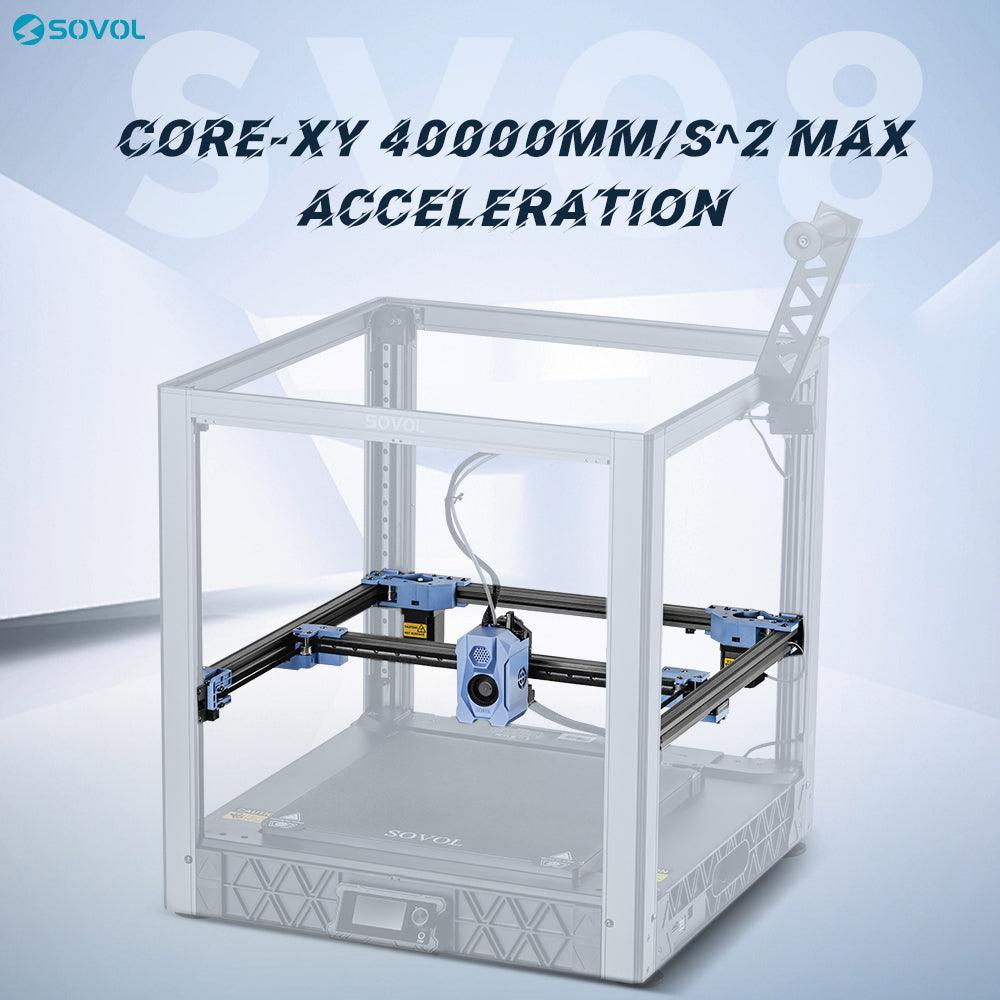
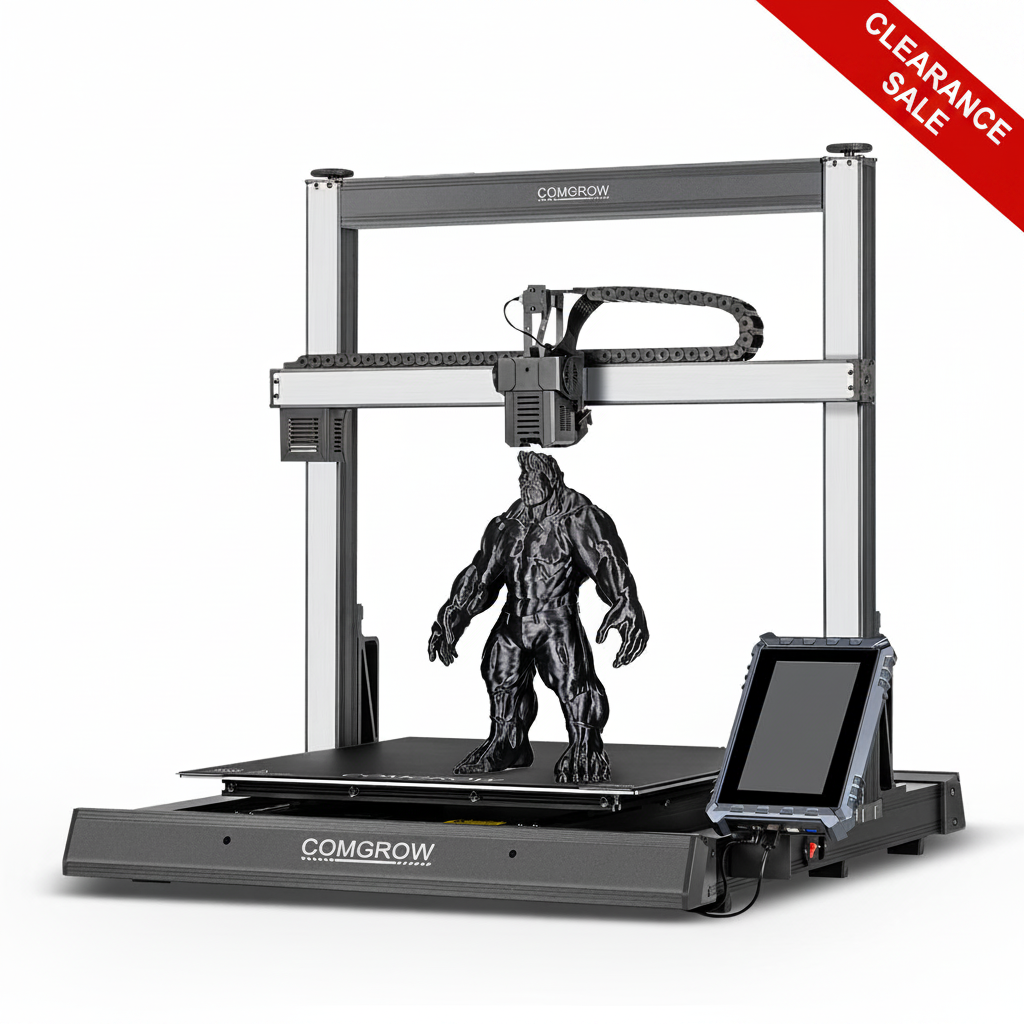
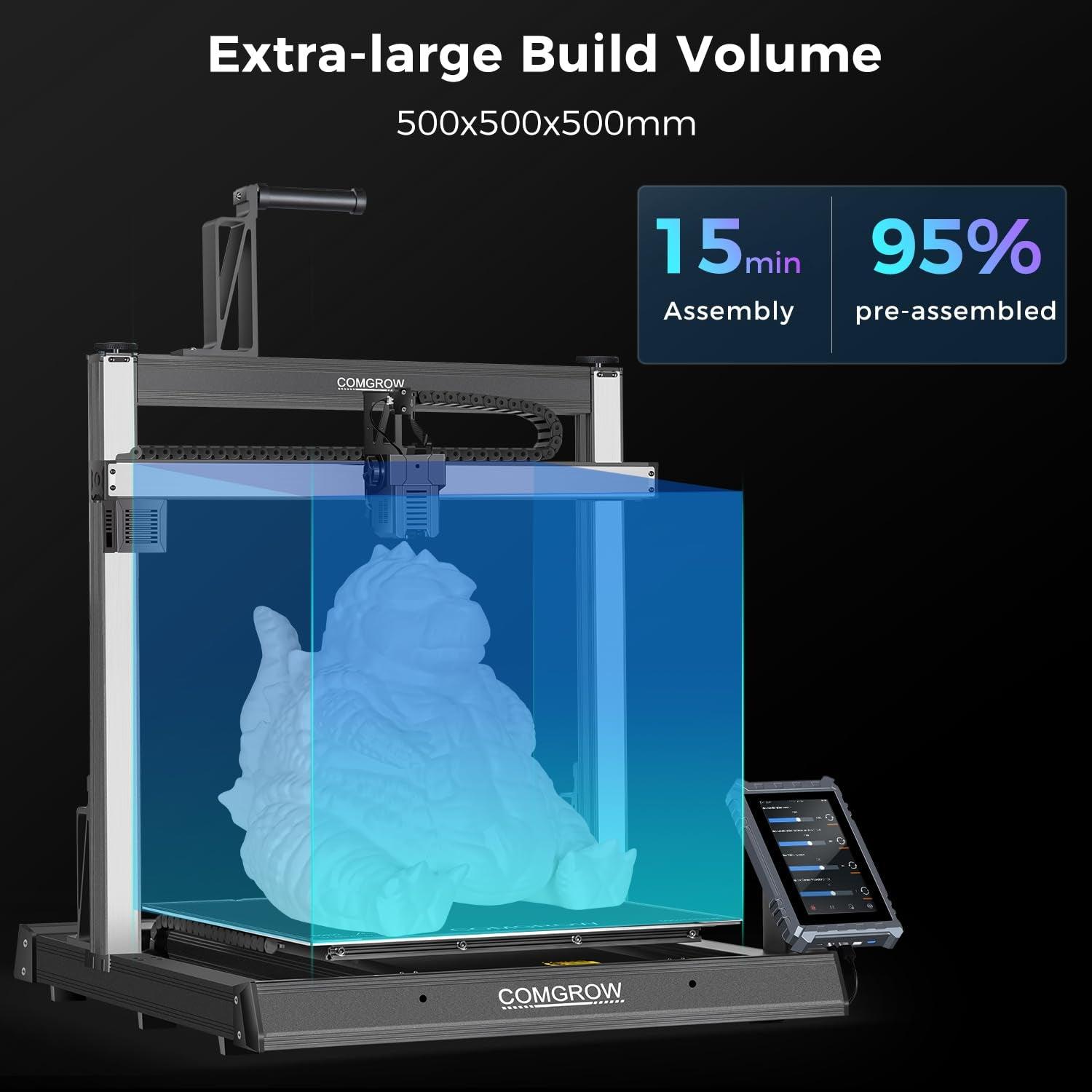
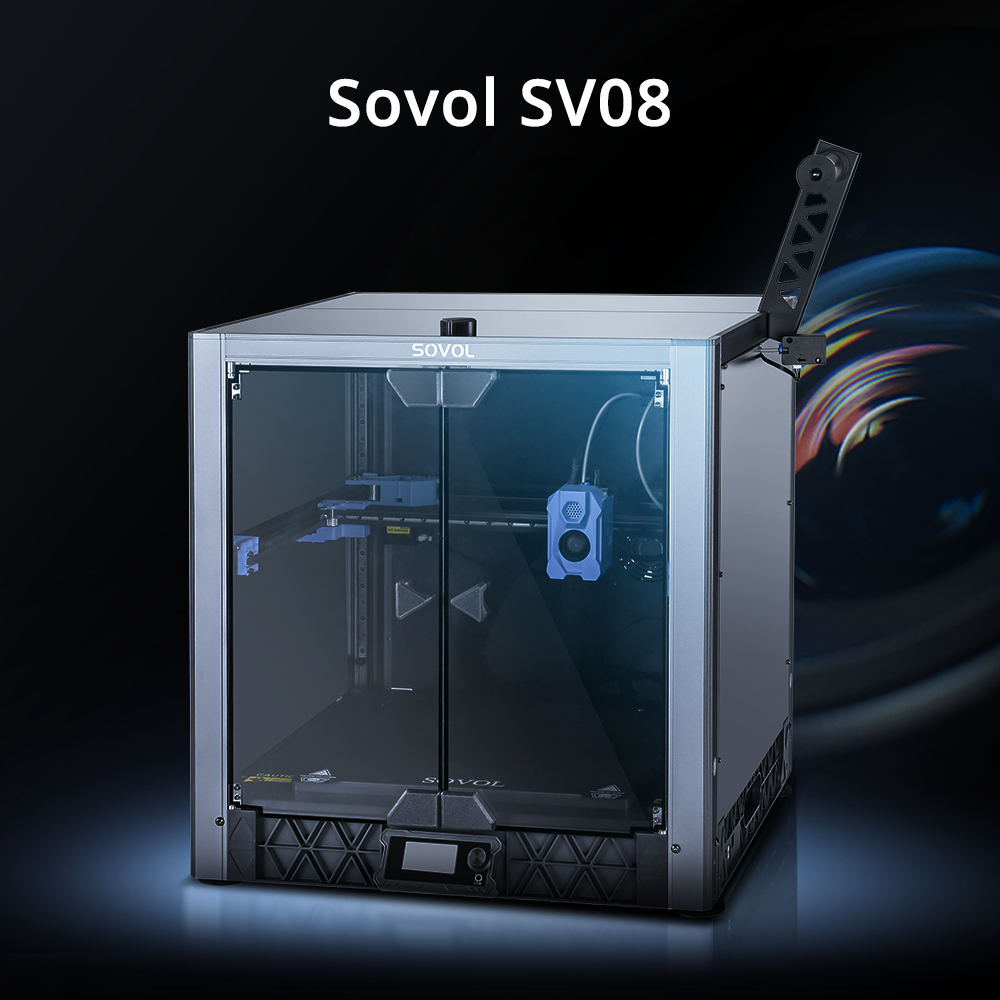
What is the difference between large vs small 3D printer?
Large 3D printers build bigger objects. Small 3D printers make smaller items. You choose based on the size of your project. Large 3D printers cost more and need more space.
How do I decide which printer should I choose?
You should look at your print size, budget, space, and main use. If you print big signs, choose a large format printer. For daily papers, pick a small printer. Make a list of your needs before buying.