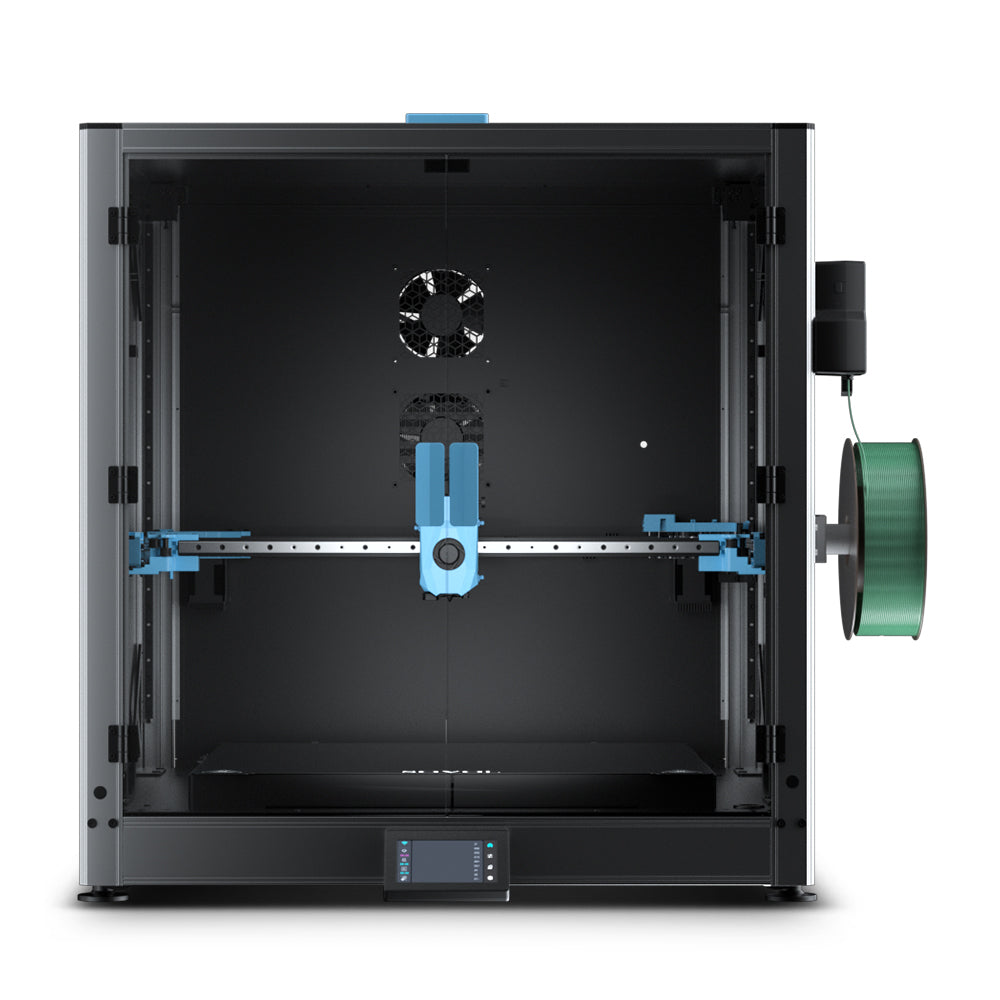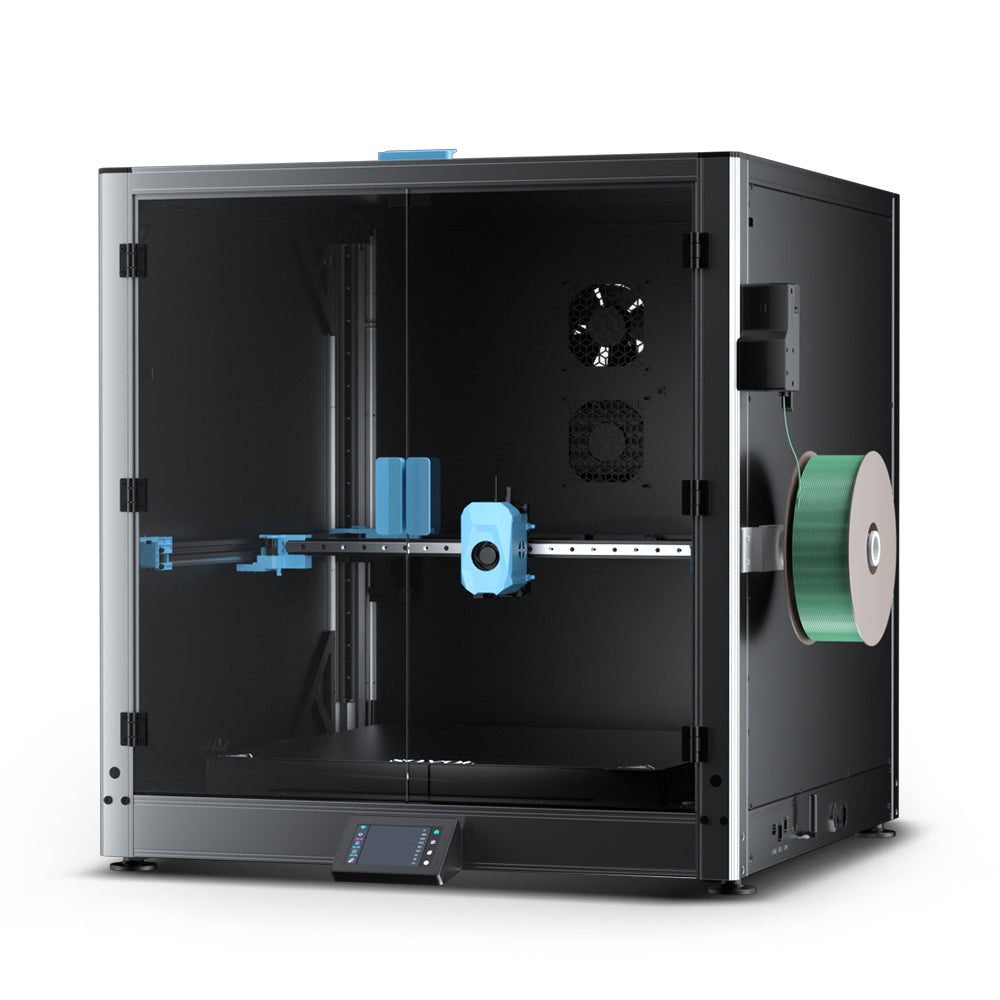
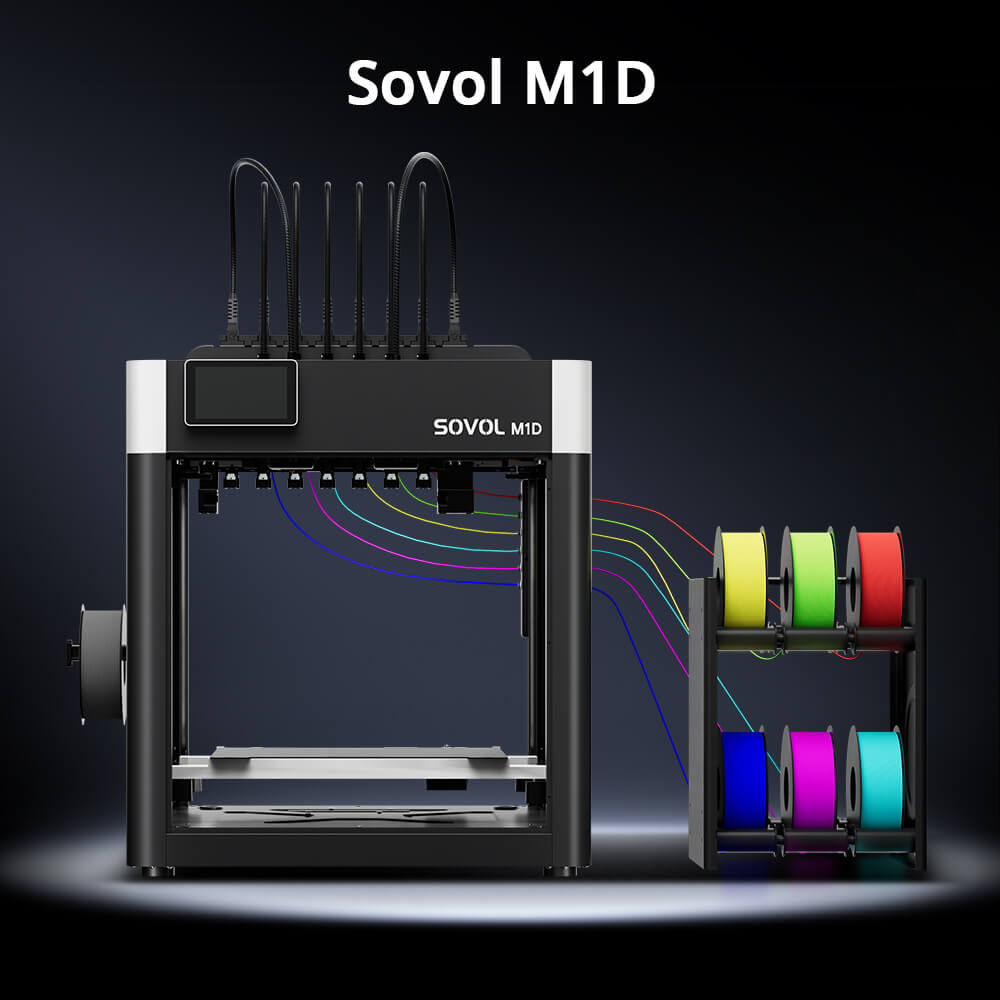

You want the best large format 3d printer for big projects in 2026. Here are the top choices: Bambu Lab P2S, Elegoo Centauri Carbon, Prusa CORE One, Creality SPARKX i7, Creality Ender 3 V3 SE, Bambu Lab H2D, Snapmaker U1, Anycubic Kobra 3 Max, Original Prusa XL, QIDI MAX4, and SV08. Large 3d printers help you make big prototypes, industrial parts, and architectural models. They have fewer failed prints and cost less to use. You should check your project size before you pick a printer. Look at print volume and material needs too.
Key Takeaways
- Pick a large format 3D printer that matches your project size. Check the build volume to make sure it works for you.
- Find printers with strong frames and good motion systems. This makes prints better and stops many failures.
- Think about the materials you want to use. Make sure the printer works with filaments like PLA, ABS, and PETG.
- Look at how fast the printer is and what features it has. Fast speeds and smart features like auto-leveling save time and work.
- Always read what users say and compare different models. This helps you get the best printer for your money and needs.
Quick Comparison of Large 3D Printers
Summary Table of Top 10 Models
This table shows the best large 3d printers for big projects in 2026. You can use it to see the build volume, price, and main features. It helps you find which printer is right for you.
|
Printer Model |
Price |
Build Volume |
Type |
Key Features |
|---|---|---|---|---|
|
Bambu Lab P2S |
$2,499 |
400 × 400 × 400 mm |
FDM |
Fast print speed, auto-calibration, high print quality |
|
Elegoo Centauri Carbon |
$1,999 |
350 × 350 × 400 mm |
FDM |
Carbon frame, silent motors, great print quality |
|
Prusa CORE One |
$3,299 |
500 × 500 × 500 mm |
FDM |
Reliable motion system, engineering-grade print quality |
|
Creality SPARKX i7 |
$1,799 |
450 × 450 × 500 mm |
FDM |
Touchscreen, flexible bed, easy setup |
|
Creality Ender 3 V3 SE |
$999 |
300 × 300 × 400 mm |
FDM |
Versatile, affordable, solid print quality |
|
Bambu Lab H2D |
$3,999 |
600 × 600 × 600 mm |
FDM |
Advanced sensors, multi-material, high speed |
|
Snapmaker U1 |
$2,899 |
400 × 400 × 400 mm |
FDM/Multifunction |
Laser, CNC, modular design |
|
Anycubic Kobra 3 Max |
$1,499 |
420 × 420 × 500 mm |
FDM |
Easy assembly, auto-leveling, consistent print quality |
|
Original Prusa XL |
$4,499 |
600 × 600 × 600 mm |
FDM |
Engineering scale, robust frame |
|
QIDI MAX4 |
$2,599 |
450 × 450 × 500 mm |
FDM |
Convection chamber, stable temperature |
|
SV08 |
$529 |
350*350*345mm³ |
CoreXY FDM |
High-speed, best value |
|
$18,000.97 |
1000 × 1000 × 1000 mm |
Industrial large-scale FDM |
Massive one-piece prints, industrial-grade motors |
|
|
Industrial-Scale Dual Extruder System |
$39,898.99 |
Very large industrial-scale |
Enterprise Production Unit |
Dual extrusion, rapid heating bed, multi-material support |
Key Specs and Features
Pick a printer that fits your project needs. Build volume is important if you want to make big props or parts. Some printers, like the Creativity CY-X, can print huge objects in one piece. This is good for engineering or architecture. If you want great print quality, choose a printer with a strong frame and good motion system. The Prusa CORE One and Elegoo Centauri Carbon are known for making detailed prints.
Speed and material choices matter too. The Industrial-Scale Dual Extruder System lets you use more than one material. It also has a fast heating bed for tricky prints. If you want easy setup and steady print quality, try the Anycubic Kobra 3 Max or Creality SPARKX i7. Some printers have auto-leveling, modular parts, or convection chambers for better results.
Tip: Always check the build volume and print quality before you buy. This will help you save time and money on big projects.
How to Choose the Best Large Format 3D Printer for Big Projects in 2026
Picking a large format 3D printer can be hard. You want a printer that fits your space. It should work well for big jobs like making prototypes. Let’s look at what matters most so you can find the right printer.
Build Volume & Print Size
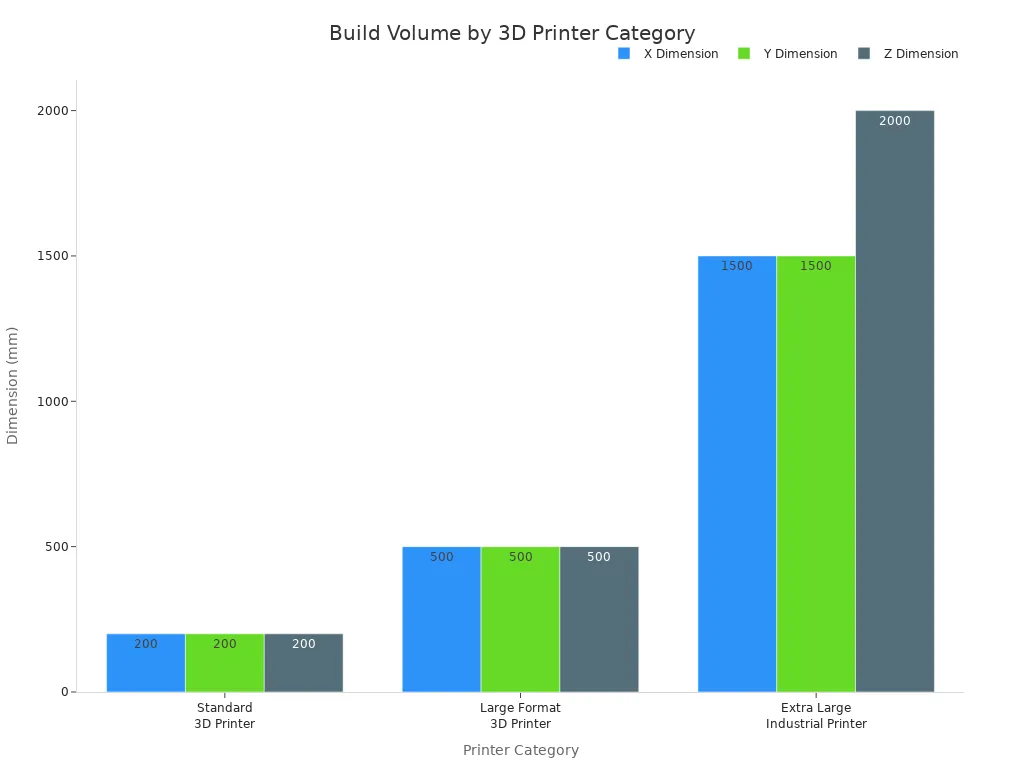
Large format 3D printers start at 500 x 500 x 500 mm. This size lets you print things like furniture or props in one piece. Some printers can print even bigger, up to 1500 x 1500 x 2000 mm. These are good for huge parts.
|
Printer Category |
Common Project Types |
|
|---|---|---|
|
Standard 3D Printer |
200 x 200 x 200 |
Small models, toys |
|
Large Format 3D Printer |
500 x 500 x 500 |
Furniture, prototypes, tools |
|
Extra Large Industrial Printer |
1500 x 1500 x 2000 |
Industrial parts, molds |
Think about your space and the size of your projects. If you want to do bigger jobs later, pick a printer that can grow with you.
Print Speed & Motion System
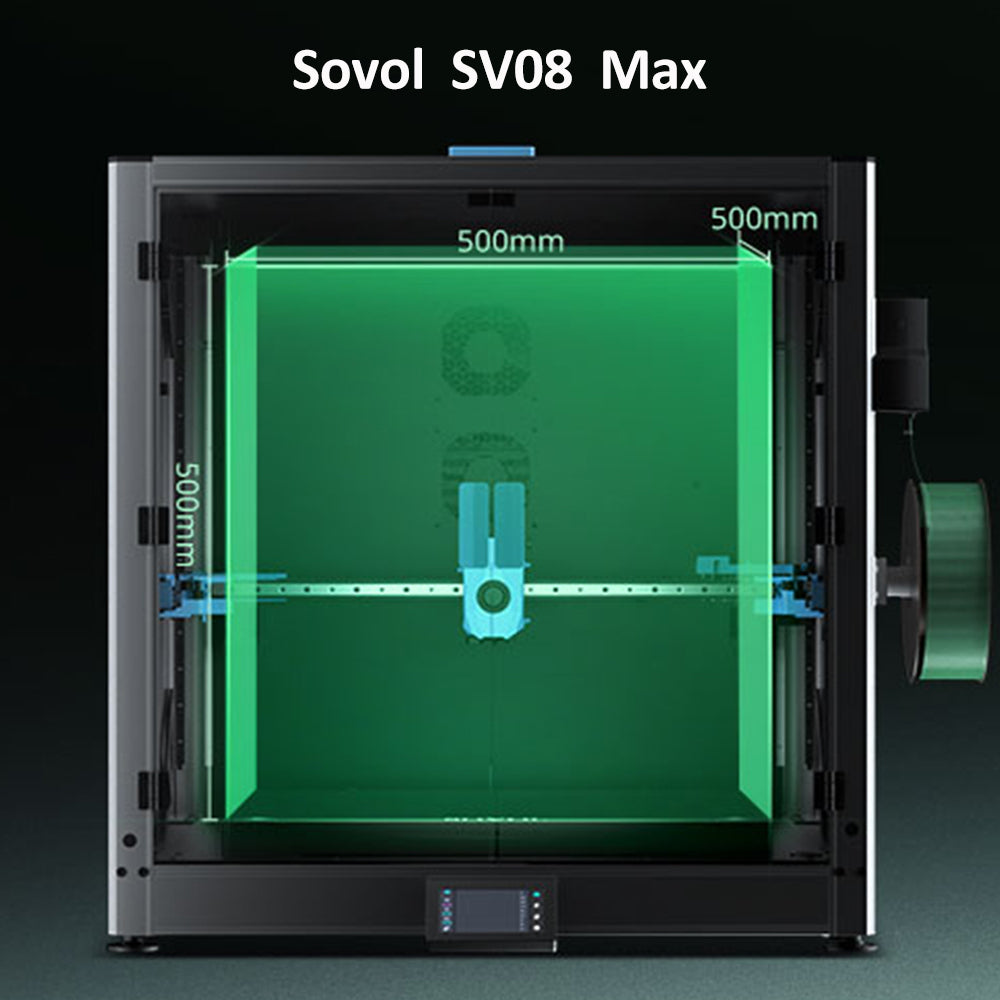
Speed is important for quick jobs. Most big printers can print up to 250 mm/sec. Some can move even faster, up to 400 mm/sec. Printers like the Sovol SV08 Max use CoreXY systems. These are stable and can reach 700 mm/sec. CoreXY helps prints look better and keeps them steady. If you want good results, choose a printer with a strong frame.
- CoreXY: Fast and steady, good for big prints.
- Cartesian: Simple and easy to fix.
Material Compatibility
You need a printer that works with many materials. Check if your printer supports PLA, ABS, PETG, nylon, carbon fiber, and TPU. Each material is good for different things.
|
Filament Type |
Key Performance Attributes |
|---|---|
|
PLA |
Breaks down, easy to use, cools fast, sticks well |
|
ABS |
Strong, heat-safe, cools slow, sticks okay |
|
PETG |
Tough, bends, resists chemicals, easy to print |
|
Nylon |
Very tough, takes hits, needs drying first |
|
Carbon Fibre |
Very stiff and strong, good for light, tough parts |
|
TPU |
Bends like rubber, good for stretchy things |
Closed printers may not let you use all materials. But they make printing easier. Think about your space and what materials you need.
Reliability & Support
You want a printer that works well for a long time. Look for things like power recovery and filament sensors. These help with big prints. A strong frame and good software help your printer work better. Brands with good help and active groups are best.
|
Feature |
Commonality |
Importance for Long Prints |
|---|---|---|
|
Power Recovery |
Rare |
Needed for long prints |
|
Filament Sensors |
Uncommon |
Common for big models |
Budget & Value
Big printers cost from $1,000 to over $100,000. Smaller ones cost less, but big ones can print larger things. Remember, you also pay for materials and setup. Printing at home gives you control. Outsourcing can save money but may take longer.
Tip: Match your space, materials, and reliability to your project size. This helps you get the most for your money.
Top 10 Best Large Format 3D Printers for Big Projects in 2026 (Ranked)
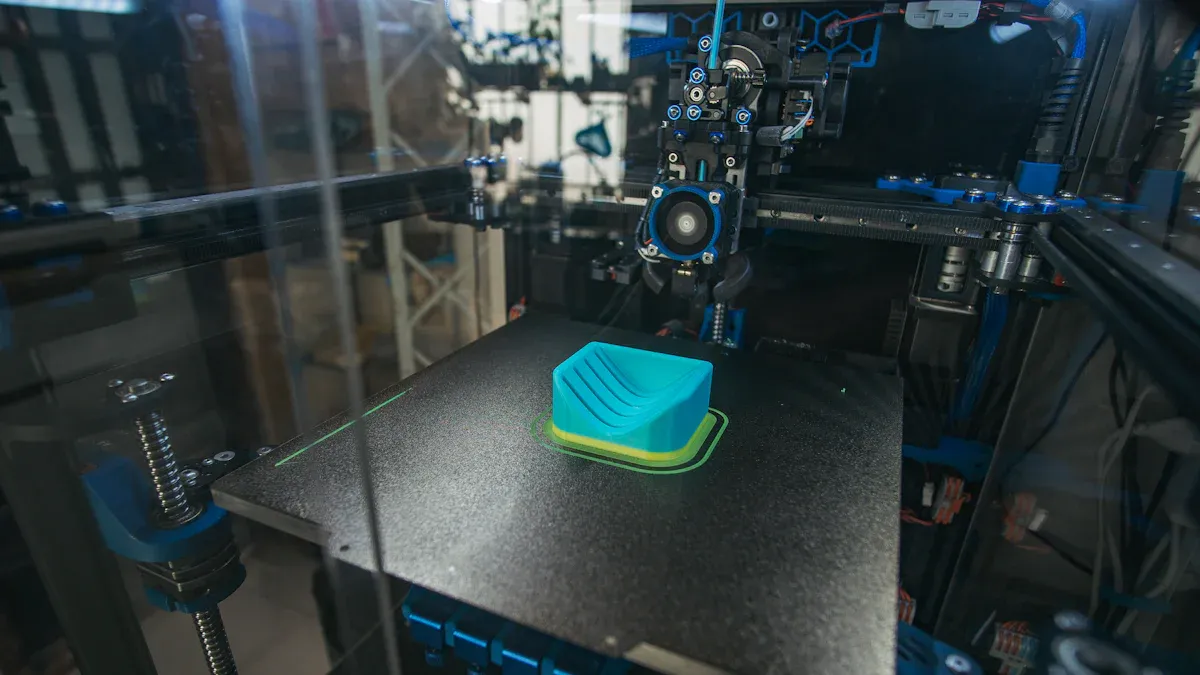
If you want the best large format 3d printer for big projects in 2026, look for a machine that has big build volume, fast print speed, good print quality, and works with many materials. Smart features help too. Make sure the printer fits your workspace and matches your project goals. This is important for people in industrial design, architecture, or engineering. Here is a ranked list of large 3d printers that are great for big projects. Each one has strengths, some limits, and best ways to use it.
1. Bambu Lab P2S – Best Overall
The Bambu Lab P2S is a reliable large 3d printer. It has a full enclosure and Active Airflow system. This helps you print with materials that need steady temperature. You can change nozzles quickly with the quick-swap nozzle feature. No tools are needed. The 5-inch touchscreen and AI error detection make it easy to use. You can connect with USB, WiFi, or Bluetooth.
|
Feature |
Description |
|---|---|
|
Build volume |
256 × 256 × 256 mm |
|
Nozzle |
Hardened steel 0.4 mm, direct-drive |
|
Enclosure |
Full, with active airflow |
|
Nozzle mechanism |
Quick-swap, tool-free |
|
User Interface |
5-inch touchscreen, camera, AI error detection |
|
Connectivity |
USB, WiFi, Bluetooth |
TechRadar says it is simple for classrooms, businesses, and workshops. It has strong accuracy, with an XY error average of 0.15mm for a 25mm target. Tom’s Hardware likes its speed, print quality, and easy use. The P2S is good for engineering prototypes, cosplay props, and architectural models. The build volume is smaller than some other printers. But the print quality and reliability make it the best large format 3d printer for big projects in 2026.
Best for: Professionals, teachers, and anyone who wants high print quality and easy use.
Limitations: Smaller build volume than some industrial printers.
2. Elegoo Centauri Carbon – Best for Quality & Affordability
If you want high-quality prints and do not want to spend a lot, try the Elegoo Centauri Carbon. This large 3d printer makes super-detailed prints and uses advanced curing technology. Every layer comes out perfect. The strong frame keeps the printer steady and improves print quality. You get a big build space for large projects. The fast curing system saves time.
|
Feature |
Description |
|---|---|
|
Super-detailed prints |
High precision for professional results |
|
Advanced curing technology |
Even layer curing for consistent quality |
|
Large build space |
Handles bigger projects without losing detail |
|
Strong build |
Less vibration, better print quality |
|
Fast curing system |
Quick prints, no loss in quality |
|
Quiet operation |
Works well in homes and offices |
You get top features for less money than other large 3d printers. Students and makers like the Centauri Carbon because it is affordable and fast. It is great for big projects that need high precision and sharp details.
Best for: Students, makers, and professionals who want high-quality prints but have a budget.
Limitations: May not have some advanced industrial features.
3. Prusa CORE One – Best for Engineering Reliability
For industrial projects, you need a printer you can trust. The Prusa CORE One has a strong motion system and engineering-grade print quality. It has a huge build volume. You can print large mechanical parts or architectural models in one piece. The printer works with many materials. This makes it a top choice for professionals.
Strengths:
- Large build volume for big projects
- Reliable motion system for steady results
- Works with advanced materials for industrial jobs
- High print quality and strong build
Limitations:
- Costs more
- May need extra setup and calibration
Best for: Industrial engineers, architects, and anyone who needs a big printer for tough jobs.
4. Creality SPARKX i7 – Best for Hobbyists & Professionals
If you want a large 3d printer that is easy to use, try the Creality SPARKX i7. It is made for beginners and hobbyists. It has automatic calibration and AI monitoring. You spend less time setting up and more time printing. Hobbyists say it makes starting 3D printing easier. You get steady operation and good print quality, even if you are new.
Strengths:
- Easy setup
- Automatic calibration and AI monitoring
- Reliable results for simple projects
- Good print quality for big projects
Limitations:
- Not the biggest build volume
- Less control for advanced users
Best for: Beginners, hobbyists, and professionals who want easy printing for large objects.
5. Creality Ender 3 V3 SE – Most Versatile Large Build Volume
The Creality Ender 3 V3 SE gives you lots of options. It has a compact design and a build volume of 220 x 220 x 250 mm. The CR Touch sensor makes auto-leveling simple. Your first layer sticks well. The ‘Sprite’ direct extruder works with many filament types, even TPU. Dual linear shafts on the Y-axis keep motion steady.
|
Feature |
Description |
|---|---|
|
Build Volume |
220 x 220 x 250 mm |
|
Speed |
Up to 250mm/s |
|
Auto-levelling |
CR Touch sensor |
|
Extruder |
Handles many filaments, including TPU |
|
Motion System |
Dual linear shafts for stability |
|
File Transfer |
SD card or USB Type-C |
|
Design |
Compact, elegant, no compromise on volume |
You get good print quality and can use different materials. The Ender 3 V3 SE is a best large volume 3d printer for people who want to try new filaments and project types.
Best for: Makers, teachers, and anyone who needs a flexible large 3d printer.
Limitations: Build volume is smaller than some industrial printers.
6. Bambu Lab H2D – Advanced Features & Capabilities
For advanced features, pick the Bambu Lab H2D. It has a huge build volume and prints fast. You get multi-material support and sensors that watch every part of the print. The printer’s high print quality and speed make it popular for big engineering and architecture projects.
Strengths:
- Huge build volume for large prints
- Multi-material support for complex jobs
- Advanced sensors for steady printing
- High-speed printers for faster work
Limitations:
- Costs more
- May need more technical skill
Best for: Industrial designers, engineers, and professionals who want the best large format 3d printer for big projects in 2026.
7. Snapmaker U1 – Best Multifunctional Large Format
The Snapmaker U1 does more than just 3d printing. It also does laser engraving and CNC carving. The build volume is 270 x 270 x 270 mm, so you have space for big projects. The tool-changing system is steady and accurate. You do not get layer shifts when you change colors. Users say the print quality is as good as top printers. The community likes the affordable tool-changing feature.
|
Feature |
Description |
|---|---|
|
Build Volume |
270 x 270 x 270 mm |
|
Speed |
Multi-color prints in hours |
|
Print Quality |
Excellent, matches top-tier printers |
|
Tool-Changing Mechanism |
Reliable, automatic alignment |
|
Community Response |
Positive, excitement for affordable tool-changing |
|
Caution from Users |
Patience needed as firmware matures |
You get flexibility for big projects. You may need to wait for software updates.
Best for: Makers, teachers, and anyone who wants a multifunctional large format 3d printer.
Limitations: Firmware and software may need updates.
8. Anycubic Kobra 3 Max – Easiest Large Format Use
If you want a large 3d printer that is easy to set up, try the Anycubic Kobra 3 Max. It has auto-leveling and is simple to put together. You get steady print quality and a big build volume for large projects. The printer works with many filament types. You can try different materials.
Strengths:
- Easy assembly and setup
- Auto-leveling for steady prints
- Consistent print quality
- Large build volume for big projects
Limitations:
- May not have advanced industrial features
- Not the fastest printer
Best for: Beginners, hobbyists, and professionals who want easy large object printing.
9. Original Prusa XL – Uncompromising Engineering Scale
For big industrial jobs, you need a large printer. The Original Prusa XL has a huge build volume and strong frame. You get engineering-grade print quality and can use advanced materials. This large 3d printer is perfect for big projects like architectural models and mechanical parts.
Strengths:
- Huge build volume for industrial jobs
- Strong frame for steady prints
- High print quality for tough projects
- Works with advanced materials
Limitations:
- Costs a lot
- Takes up more space
Best for: Industrial engineers, architects, and professionals who need big size and top print quality.
10. QIDI MAX4 – Reliable Convection Chamber Printing
If you want steady results with advanced materials, try the QIDI MAX4. It has a heated chamber that goes up to 120°C. This is important for printing large industrial parts with materials that need high heat. You get better layer sticking and more accurate prints. This means better print quality for big projects.
Strengths:
- Heated chamber for advanced materials
- Reliable convection printing for large objects
- Better layer sticking and accuracy
- Good for industrial jobs
Limitations:
- Uses more energy
- May need ventilation
Best for: Industrial users who need a reliable large format 3d printer for advanced materials.
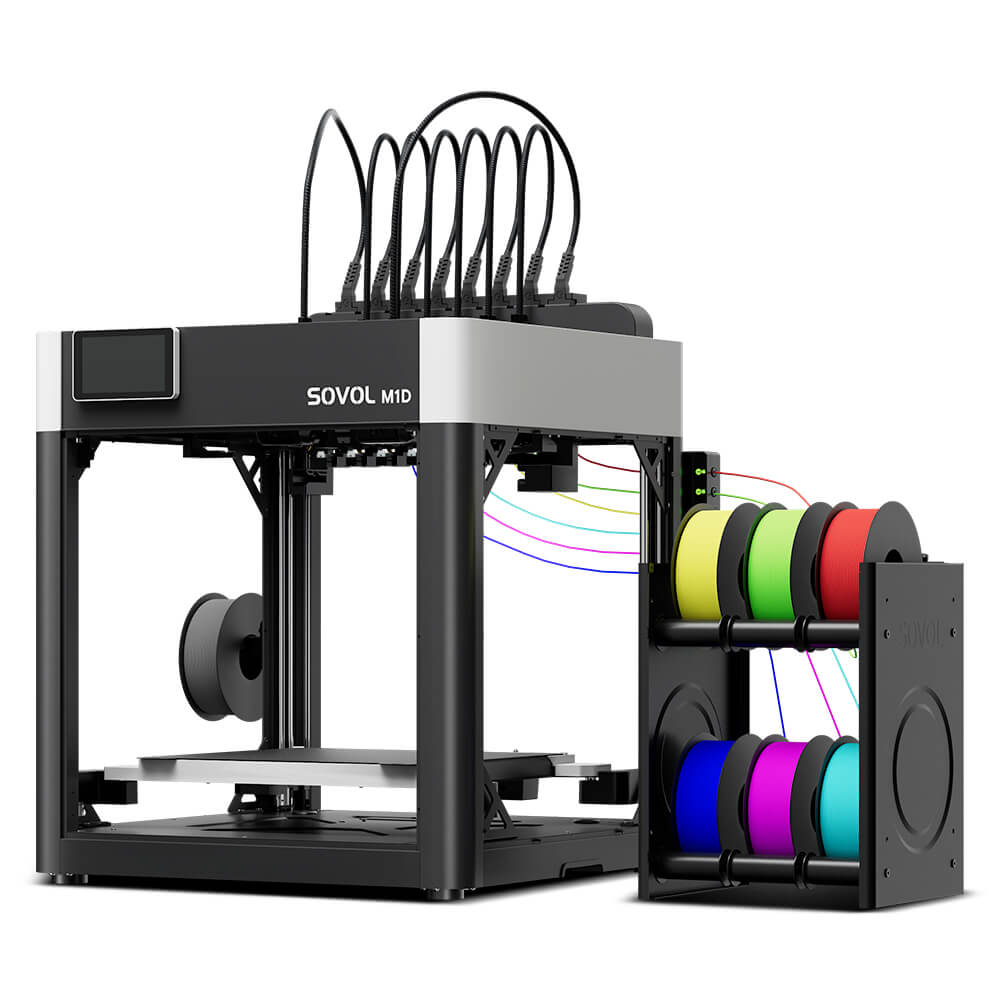
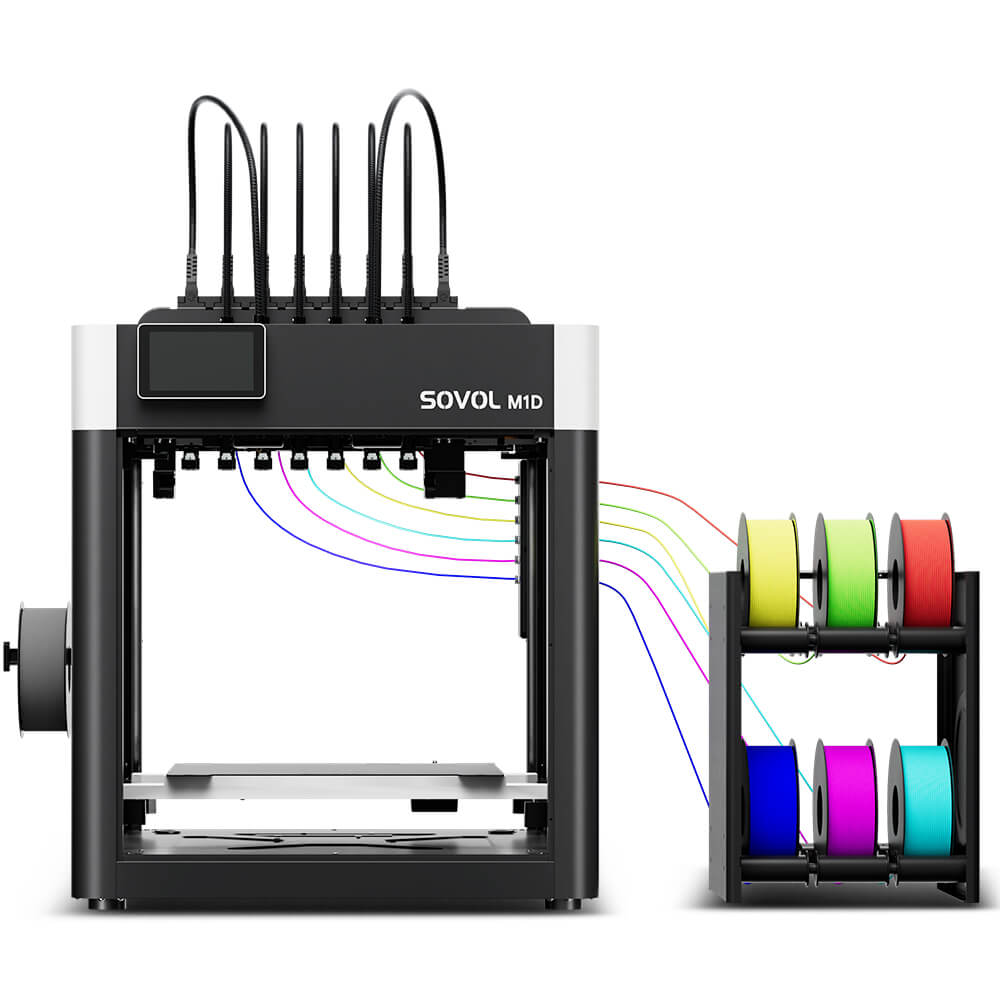
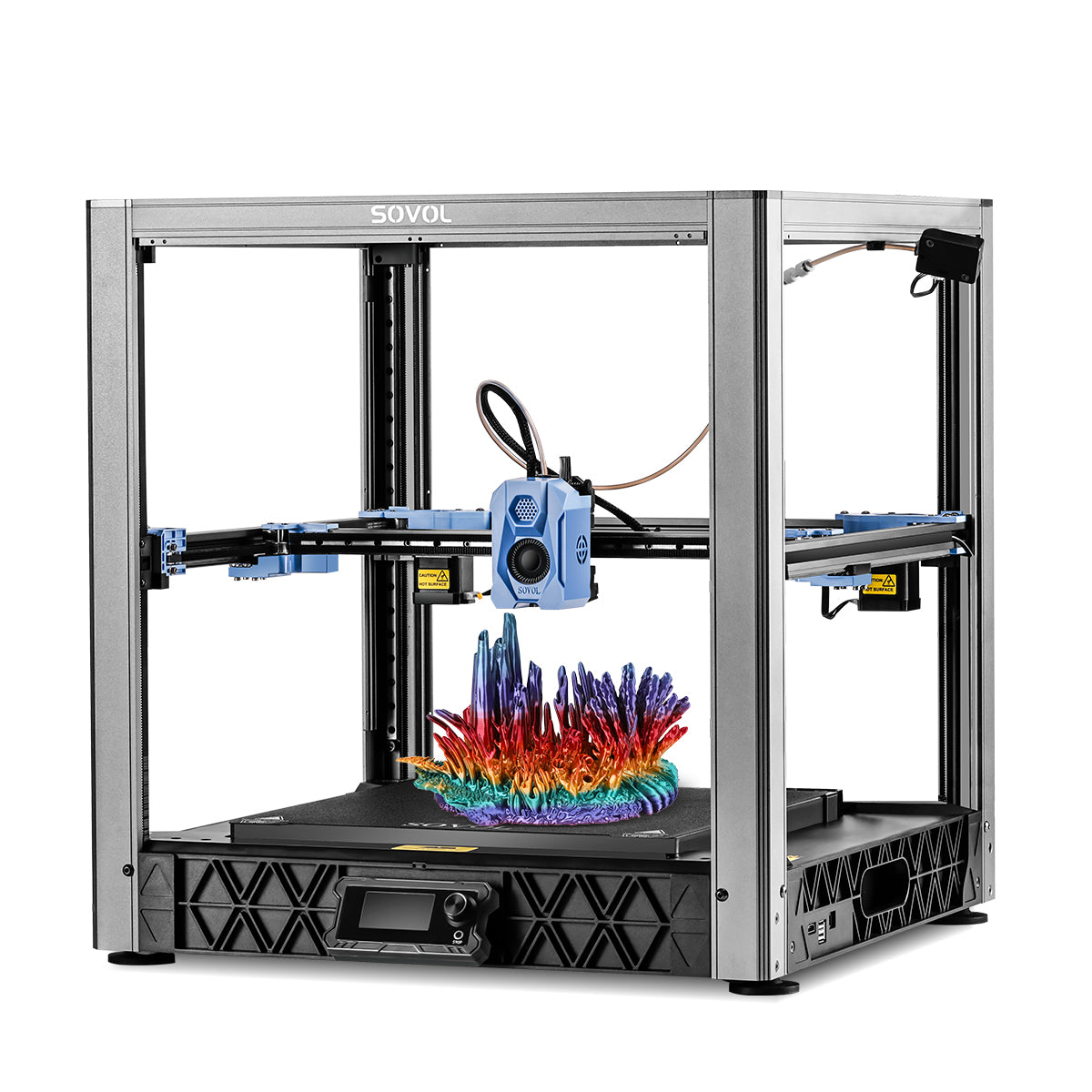
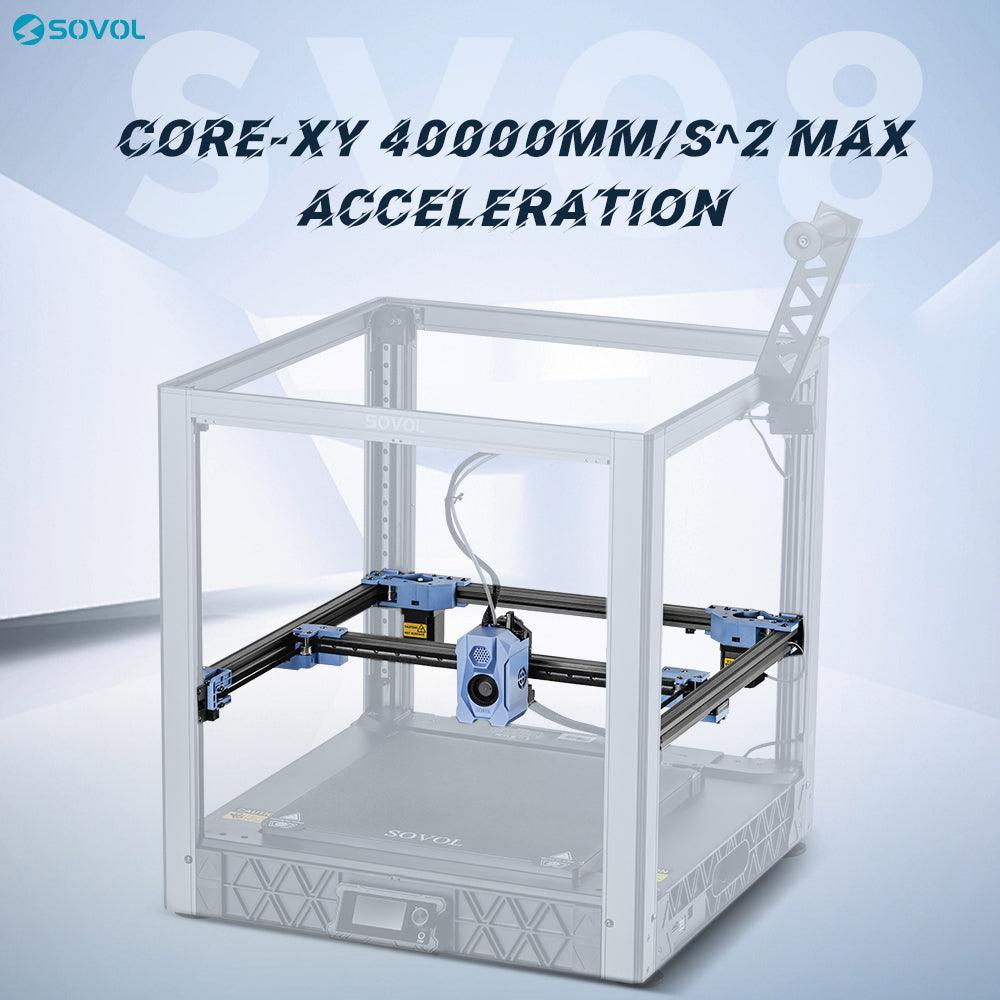
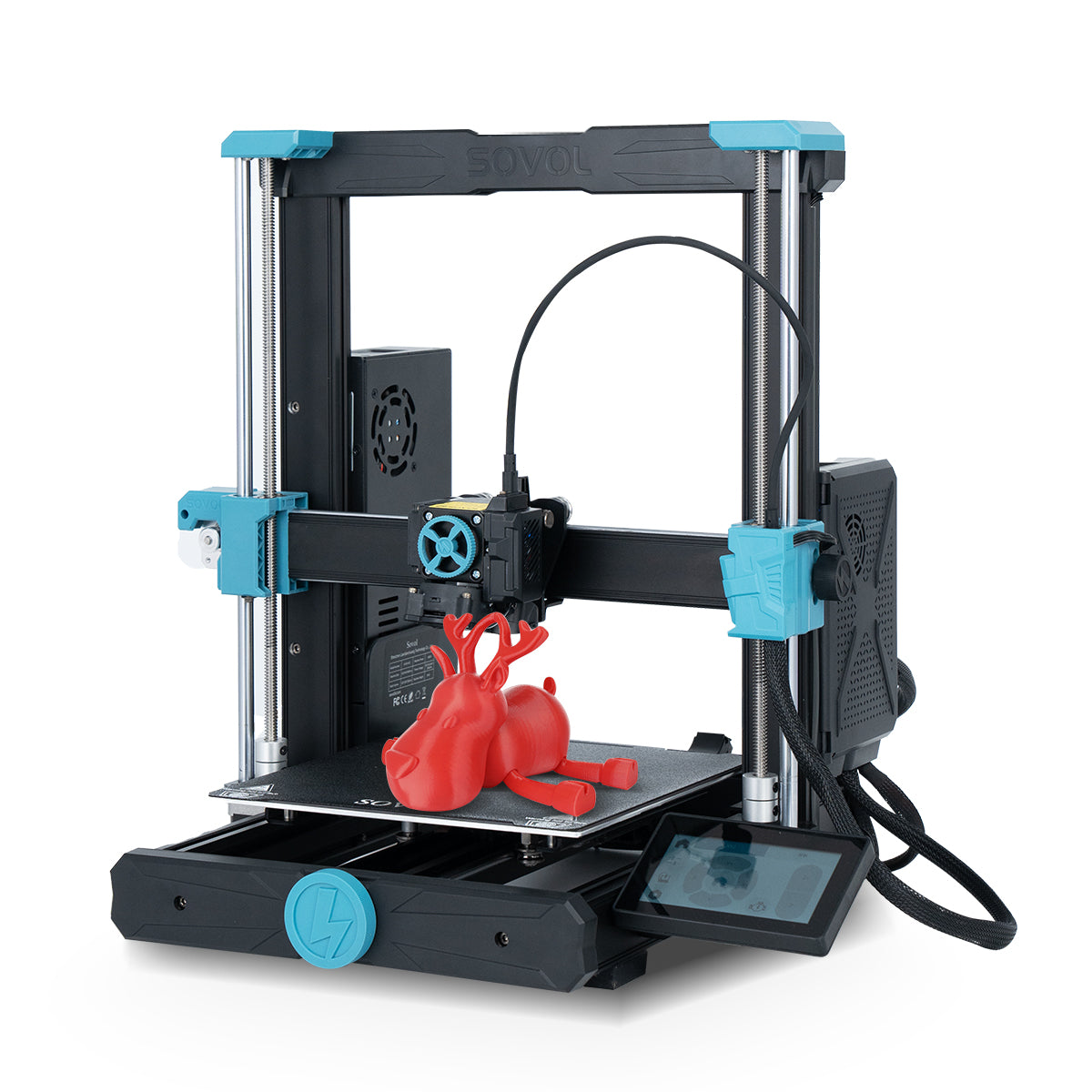
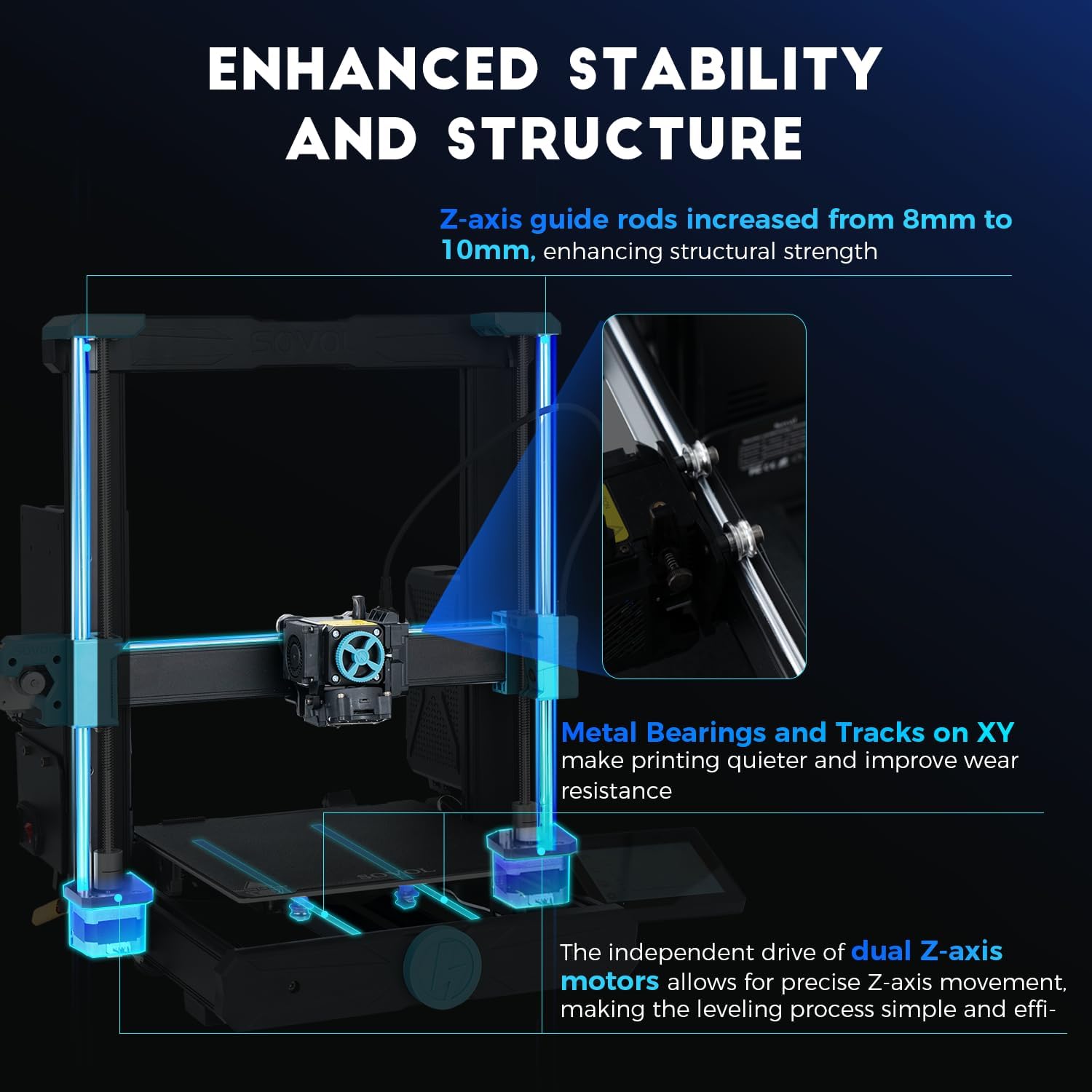
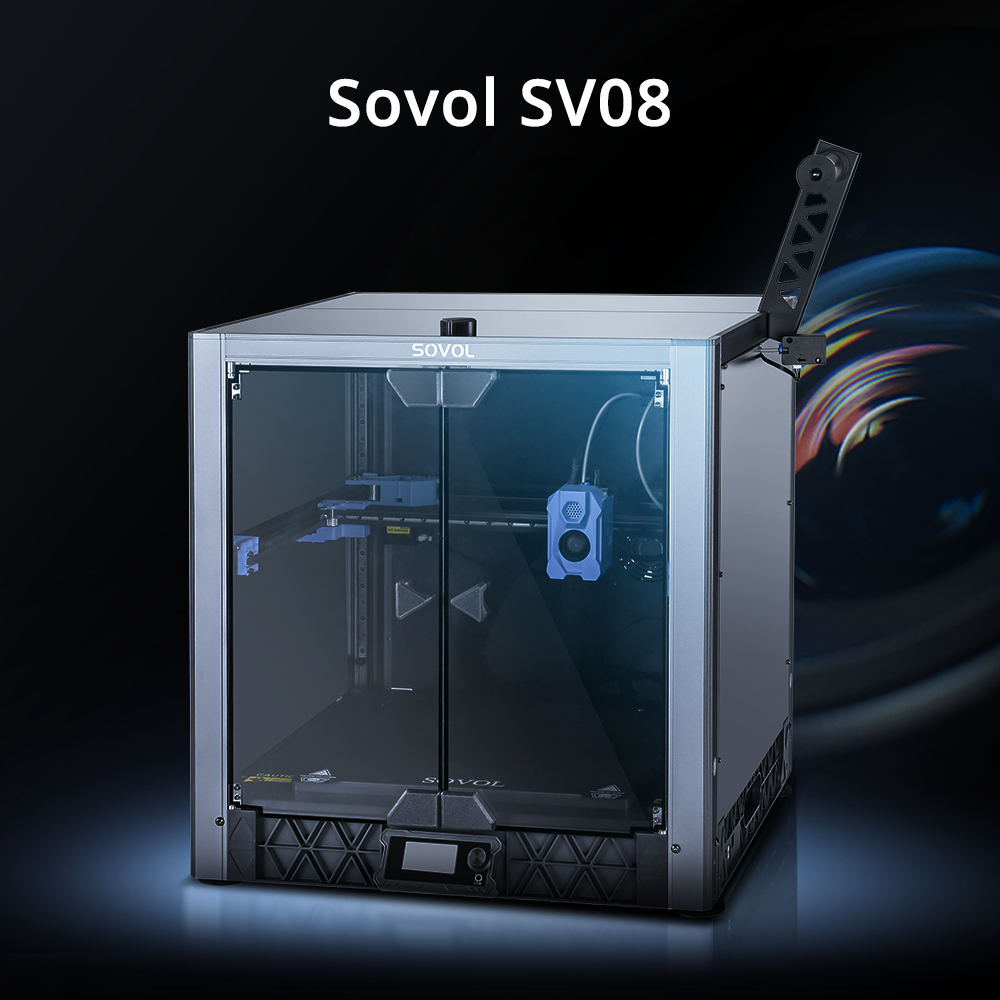
SV08 – Best Value High-Speed CoreXY Large Format Printer
If you want speed and good value, pick the SV08 Max. It is the best value high-speed CoreXY large format printer. It prints up to 700 mm/s and uses CoreXY for steady motion and less shaking. You get an extrusion rate of 50 mm³/s, which helps you work faster. The SV08 works with many materials. You can do big projects with confidence.
|
Feature |
SV08 Max |
Competitors |
|---|---|---|
|
Maximum Speed |
700 mm/s |
Varies |
|
Extrusion Rate |
50 mm³/s |
Varies |
|
Design |
CoreXY |
Varies |
|
Stability |
High |
Varies |
|
Vibration Reduction |
Yes |
Varies |
You get high-speed printers for industrial jobs, cosplay props, and engineering prototypes. The SV08 is the best large volume 3d printer for people who want speed, steady prints, and good price.
Best for: Makers, professionals, and industrial users who need fast, steady, and affordable large 3d printers for big projects.
Limitations: May need tuning for best results.
Tip: When you pick a large format 3d printer, match the build volume, print quality, and speed to your project needs. This helps you get the best results for big projects, whether you work in industrial design, architecture, or engineering.
Which Large 3D Printer Is Right for You?
Decision Guide by Project Type
You want a large format 3D printer, but you may not know which one is best for your project. First, think about what you want to make. Some printers are better for cosplay props. Others work well in factories. If you want to print big architectural models or prototypes, pick a printer with a large build volume. For tough jobs in factories, you need a printer that uses strong materials.
Here’s a quick table to help you match printers to your project type:
|
Printer Name |
Best Suited Project Types |
|---|---|
|
Anycubic Kobra 4 Max |
Prototyping, Cosplay, Large Architectural Models |
|
Industrial-Scale Dual Extruder System |
Factories, Enterprise R&D, Industrial Manufacturing |
|
10 Best 3D Printers for Professionals |
Fabrication Shops, Automotive Prototyping, Architectural Firms |
If you work in a factory, you need a printer for lots of prints and strong materials. For home or school, pick a printer that is easy to use. Always check the build volume and what materials the printer can use before you choose.
Matching Features to Your Needs
You want your printer to fit your project. Here’s an easy way to pick:
- Decide what you want to print. Is it a part for a machine, a cosplay prop, or a big model?
- Measure your biggest part. Make sure the printer can print it.
- Pick the right technology. FDM printers are good for most big jobs. SLA printers are better for small, detailed parts.
- Check what materials the printer can use. Big jobs often need strong materials like ABS or PETG.
- Look for heated beds and enclosures. These help stop warping and let you use tough materials.
- Review the extrusion system. A good system keeps prints smooth and stops clogs. This is important for factory work.
- Think about your space. Big printers need more room and good airflow.
Tip: If you need parts that fit together, pick a printer with high precision. For factory jobs, look for good support and a strong user group.
Choosing the right features helps you get great results. You can print big parts, detailed models, or cool props with confidence.
You saw how large format 3D printers help you make big, strong parts in one piece and save time. These printers boost work speed and cut costs for factories and makers. Picking the right model means checking build volume, speed, and material options. Here’s a quick guide for you:
|
Model |
Best For |
|---|---|
|
Elegoo Centauri Carbon |
Hobbyists, budget buyers |
|
Anycubic Kobra 4 Max |
Professionals, makers |
FAQ
What is a large format 3D printer?
A large format 3D printer lets you print big objects in one piece. You can make things like furniture, cosplay props, or large prototypes. These printers have bigger build volumes than regular desktop models.
Can I use any filament with a large format 3D printer?
You can use many types of filament, like PLA, ABS, PETG, and TPU. Some printers work with special materials, such as nylon or carbon fiber. Always check your printer’s specs before you buy new filament.
How do I prevent warping on big prints?
You should use a heated bed and an enclosed chamber. These features help keep the temperature steady. Try printing with materials that resist warping, like PETG. Level your bed before each print for best results.
Do large format 3D printers need special maintenance?
You need to clean the nozzle, check belts, and update firmware. Lubricate moving parts often. Big printers may need more attention because they run longer jobs. Follow the manufacturer’s guide for best care.