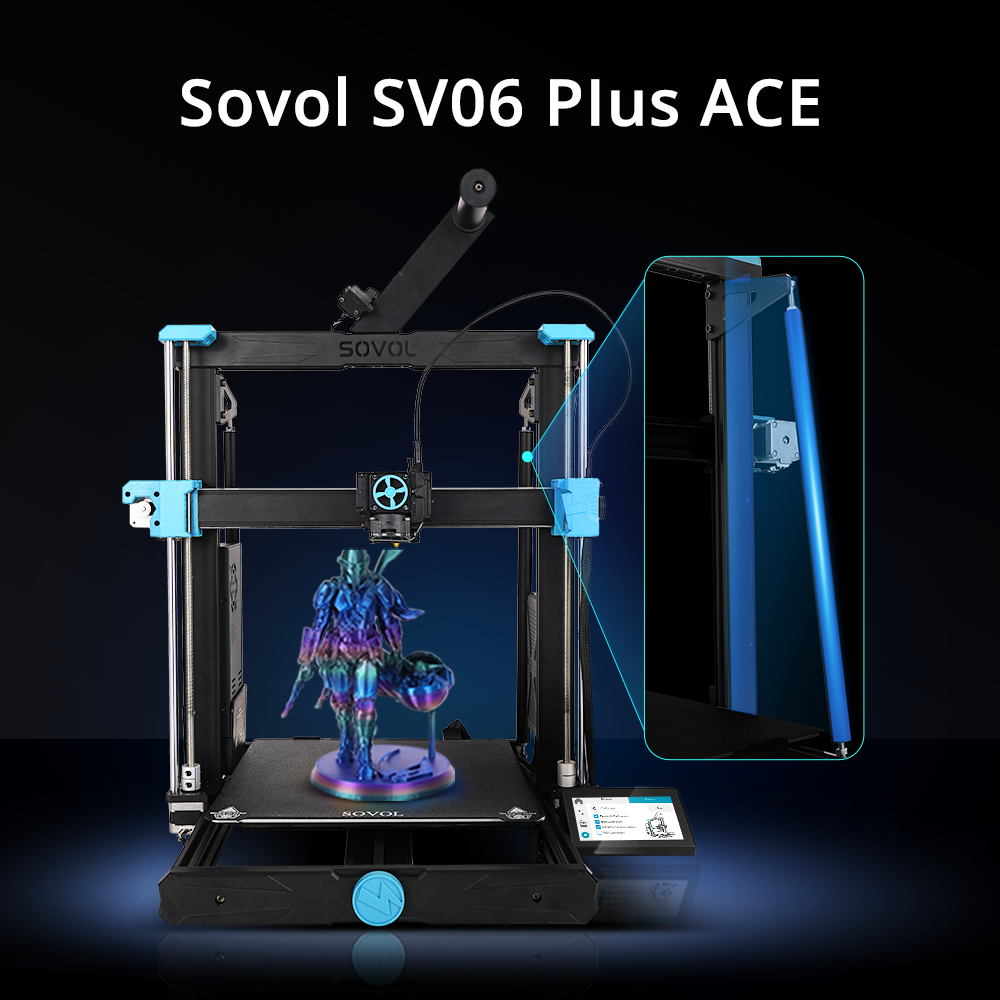
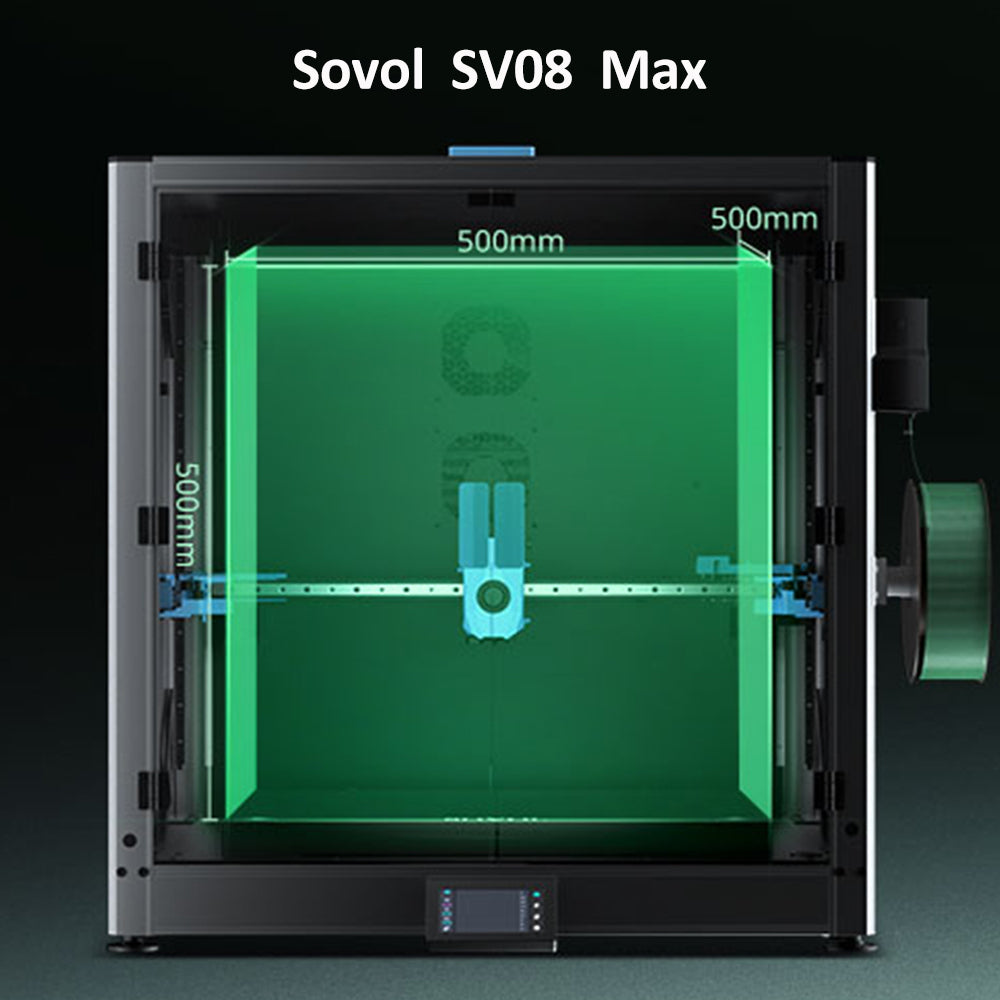



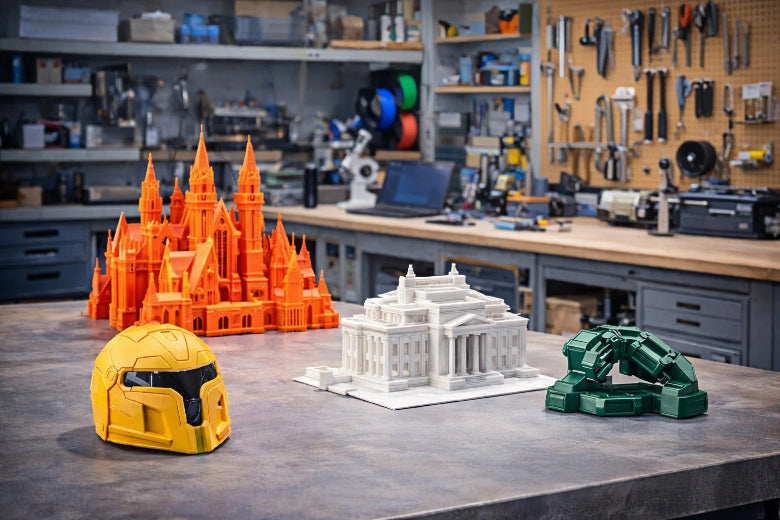
You can use large scale 3D printing to make big and complex parts with new machines. This process uses strong equipment and gives much bigger build spaces than regular printers. See the table below for normal sizes:
|
Printer Category |
Typical Build Volume (mm) |
Common Project Types |
|---|---|---|
|
Standard 3D Printer |
200 x 200 x 200 |
Small models, toys |
|
Large Format 3D Printer |
500 x 500 x 500 |
Furniture, prototypes, tools |
|
Extra Large Industrial |
1500 x 1500 x 2000 |
Industrial parts, automotive |
You get to customize, have high accuracy, and strong parts. Many industries like aerospace and automotive use this technology now. It helps them waste less and make things faster.
Key Takeaways
- Large scale 3D printing lets you make big parts in one piece. This saves time and cuts down on waste.
- There are different technologies like FDM, SLA, and SLS. Each one has special benefits. Pick the best one for your project.
- You need to get ready before printing. Level the print bed and pick the right materials. This is very important for big prints to work well.
- Many industries use large format 3D printing. Aerospace, automotive, and healthcare get a lot of help from it. It makes work faster and helps people come up with new ideas.
- Take care of your printer and follow safety rules. This keeps your printer working well and safe. You will get better results this way.
What Is Large Scale 3D Printing
Definition and Features
Large scale 3D printing is a way to make big things from digital designs. Special machines build parts by adding one layer at a time. You can make shapes that are hard to create with old methods. These machines let you build strong parts in one piece.
Large scale 3D printing uses different modern technologies. Some common ones are fused deposition modeling (FDM), stereolithography (SLA), and selective laser sintering (SLS). Each technology has its own benefits. FDM is popular because it is cheap and simple to use. SLA uses resin and gives very fine details. SLS uses powder and makes strong parts for industry. In construction, concrete printing helps build big things fast and with less waste.
You can pick from many materials. PLA, ABS, and PETG are common and easy to print. For stronger parts, you might use carbon-fiber-reinforced polymers. Some industries use metals like titanium and aluminum, especially for aerospace and cars.
Here are some important features:
- Design Freedom: You can make tricky shapes and inside parts.
- Unibody Parts: You can print big things as one piece, so they are stronger.
- Speed: Some printers can go up to 700 mm/s, so you finish faster.
- Material Compatibility: You can use tough plastics and even metals.
- Safety: Good airflow and safety steps are needed.
- Maintenance: Taking care of your printer keeps it working well.
Tip: Large scale 3D printing lets you make things like life-size dinosaur models, custom furniture, or car and plane parts.
Differences from Standard 3D Printing
You may wonder how large scale 3D printing is different from standard 3D printing. The main difference is size. Standard printers are for small things like toys. Large scale machines can print furniture, big parts, or building pieces in one go.
Another big difference is how you print. With standard 3D printing, you sometimes have to cut big designs into smaller parts. Then you put them together, which takes time and can be hard. Large scale 3D printing lets you print the whole thing at once. This saves time and makes the part stronger.
Here is a table to compare both:
|
Aspect |
Large-Scale 3D Printing |
Standard 3D Printing |
|---|---|---|
|
Process Type |
Additive (builds parts layer-by-layer) |
Mainly subtractive or small additive |
|
Typical Object Size |
Several feet, up to 100 feet |
Usually small, limited by printer |
|
Material Types |
Plastic pellets, high-strength polymers, metal |
Wide range: wood, steel, plastic |
|
Design Flexibility |
High; complex shapes, unibody parts |
Limited; complex shapes are harder |
|
Production Volume |
Low to medium, custom projects |
Best for mass production |
|
Speed |
High speed, fast production |
Slower due to setup and tooling |
|
Cost Considerations |
High printer cost, low tooling cost |
High tooling cost, lower per-unit |
There are also differences in cost and how well it works. Large scale 3D printing costs more at first, but you save money on tools and setup. In construction, you can print parts right where you need them. This lowers work costs and makes getting supplies easier. In hospitals, you can print custom implants or models for each patient. This helps doctors and gives better care.
Note: Large scale 3D printing is not just about making things bigger. It gives you new ways to fix problems, save time, and make parts that fit just right.
How Large Scale 3D Printing Works
Process Overview
You can think of large scale 3D printing as a journey from a digital idea to a real, physical object. The process starts with your design. You use computer software to create a 3D model. This model must fit the abilities and limits of your printer. You need to make sure the design will print well at a large size.
Next, you choose the right material. The material you pick will affect how strong, light, or flexible your final part will be. For example, you might use strong plastics for furniture or metal for machine parts. The choice depends on what you want your finished product to do.
After you have your design and material, you select the printing technology. Some printers use melted plastic, while others use resin or powder. Each method has its own strengths. Fused deposition modeling (FDM) works well for big, strong parts. Stereolithography (SLA) gives you fine details. Selective laser sintering (SLS) makes tough, industrial pieces.
Once the printer finishes building your object, you move to post-processing. This step includes cleaning, sanding, or adding glue to make the surface smooth and strong. You may need to remove supports or add a finish to get the look you want.
Here are the main steps you will follow in large scale 3D printing:
- Design Considerations: Create a digital model that matches the printer’s abilities.
- Material Selection: Pick a material that fits your needs for strength, weight, and cost.
- Printing Technologies: Choose the best printing method for your project.
- Post-Processing Techniques: Finish your part with cleaning, sanding, or other steps.
Tip: Careful planning at each step helps you avoid mistakes and get the best results from your large scale 3D printing project.
Workflow and Preparation
Before you start printing, you need to prepare both your design and your equipment. Good preparation helps you avoid problems like warping, failed prints, or wasted material.
You should first check if your printer can handle the size of your project. Large build volume 3D printers let you print big objects in one piece. Make sure your design fits inside the printer’s build area.
You also need to match your printer’s abilities to your project goals. Think about the materials you want to use. Some printers work with plastics, while others can print with metal or special composites. Check if your printer supports the material you need.
Here is a table to help you plan your project:
|
Criteria |
Details |
|---|---|
|
Build Volume |
Consider the maximum size of the objects you intend to print. |
|
Material Compatibility |
Ensure the printer can handle the materials you plan to use. |
|
Resolution |
Evaluate the level of detail required for your projects. |
|
Budget |
Determine the financial resources available for the printer purchase. |
You should also level the print bed before you start. A flat and even bed helps your print stick and prevents warping. For very large prints, you might use a raft or brim to keep the base stable.
Note: To prevent warping or deformity, it is essential to level the print bed correctly and consider using a raft or brim for stabilization.
You may face some common challenges during the workflow:
- Picking the right material can be hard. You want something strong, durable, and not too expensive.
- The build platform must hold the size and weight of your print. If it is too small, you cannot print your design in one piece.
- Scaling up your design can sometimes cause distortion or loss of detail.
- Printing large models takes more time. You may need to adjust speed settings to finish faster.
- Quality control is important. You must check your print for warping or other issues.
You can solve many of these problems by planning ahead and checking your setup before you start. Good preparation leads to better results and less wasted time or material.
Technologies for Large Scale 3D Printing
Printer Types and Build Volume
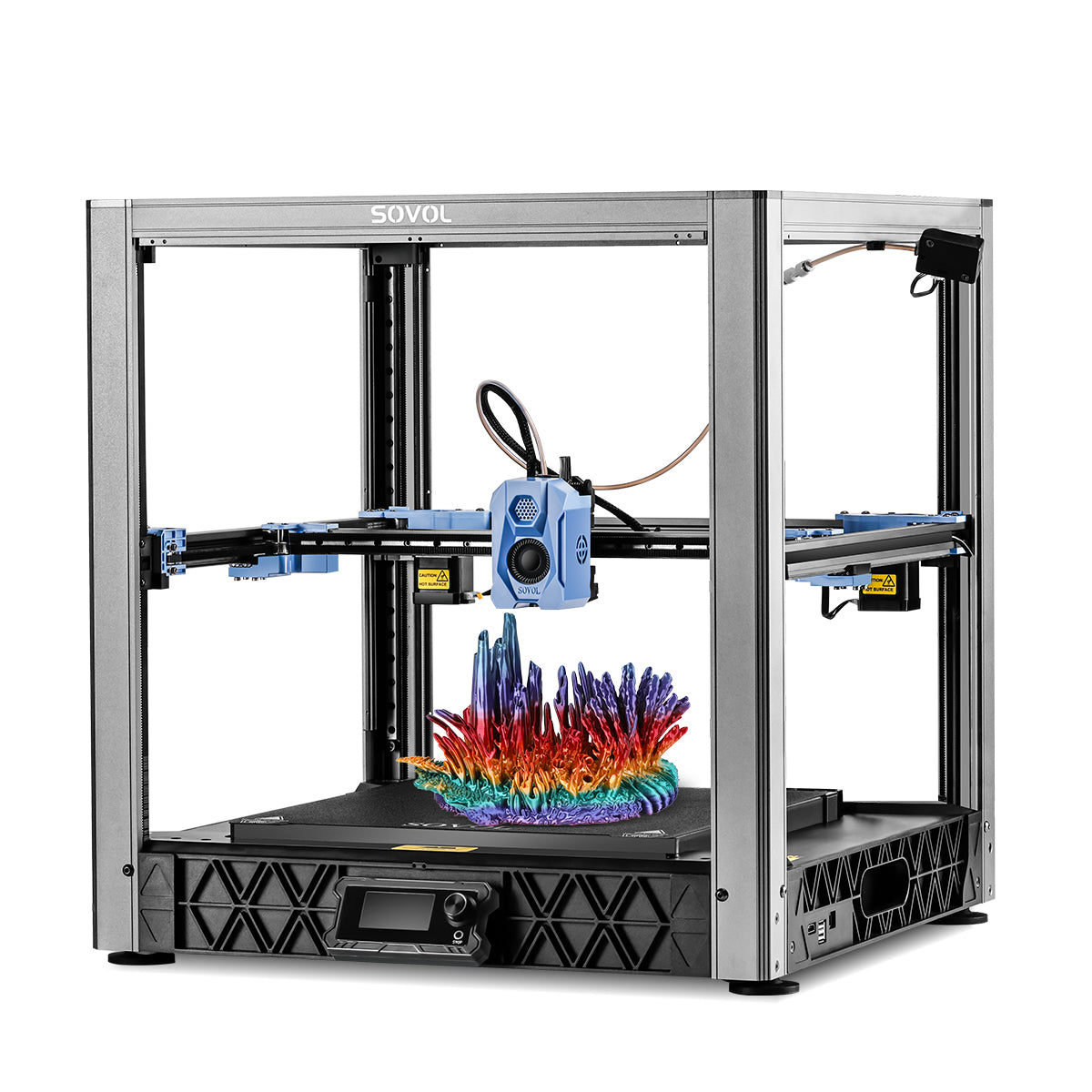
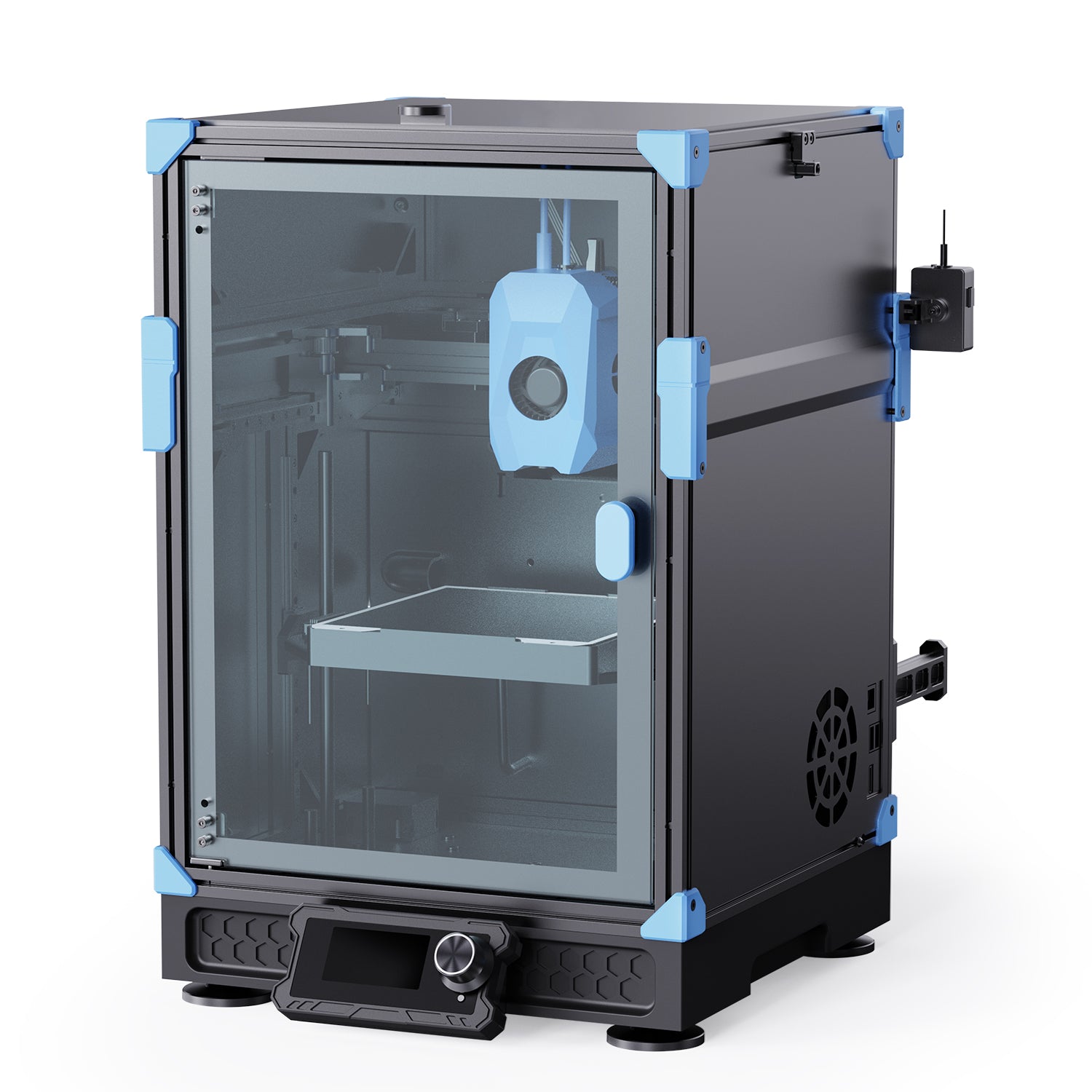
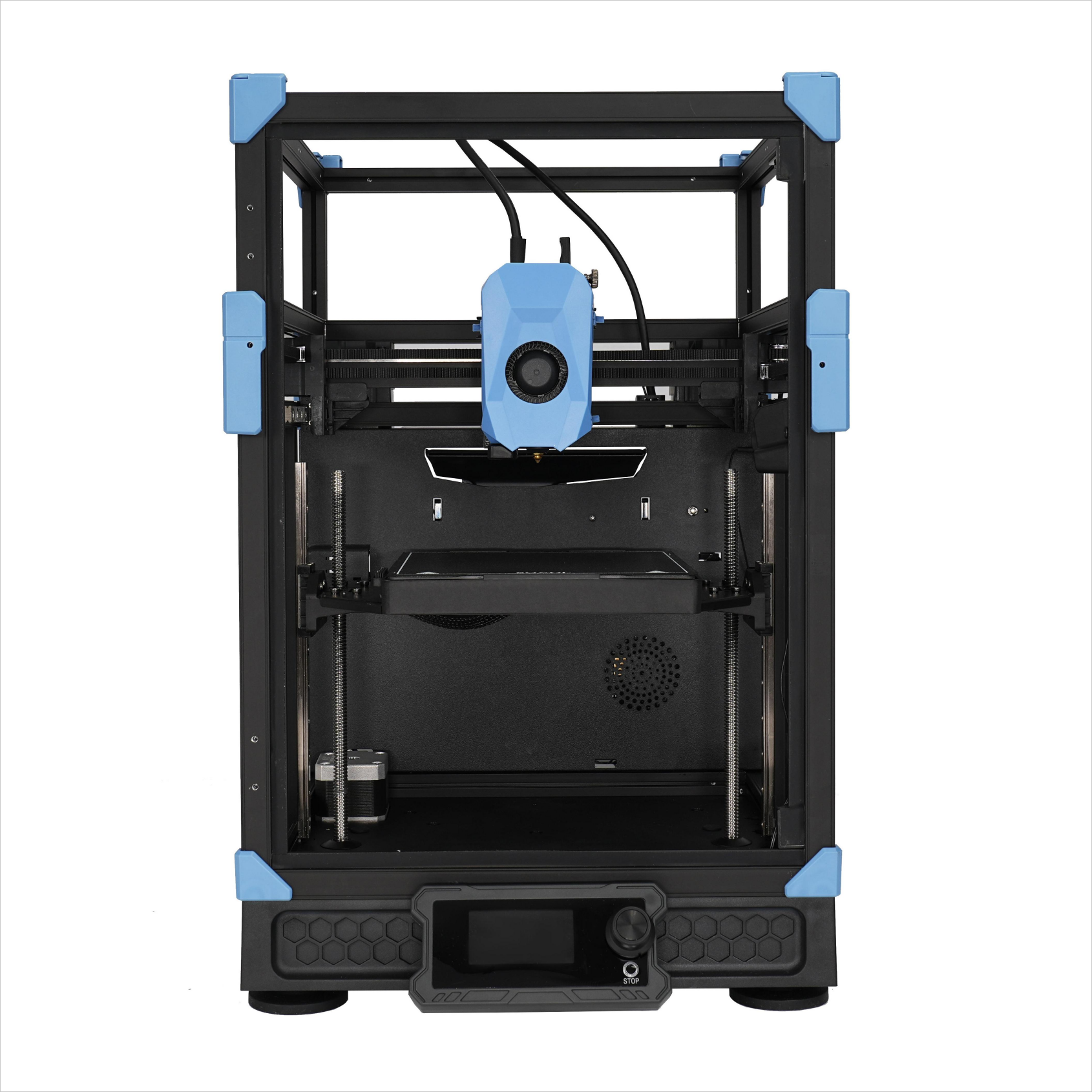
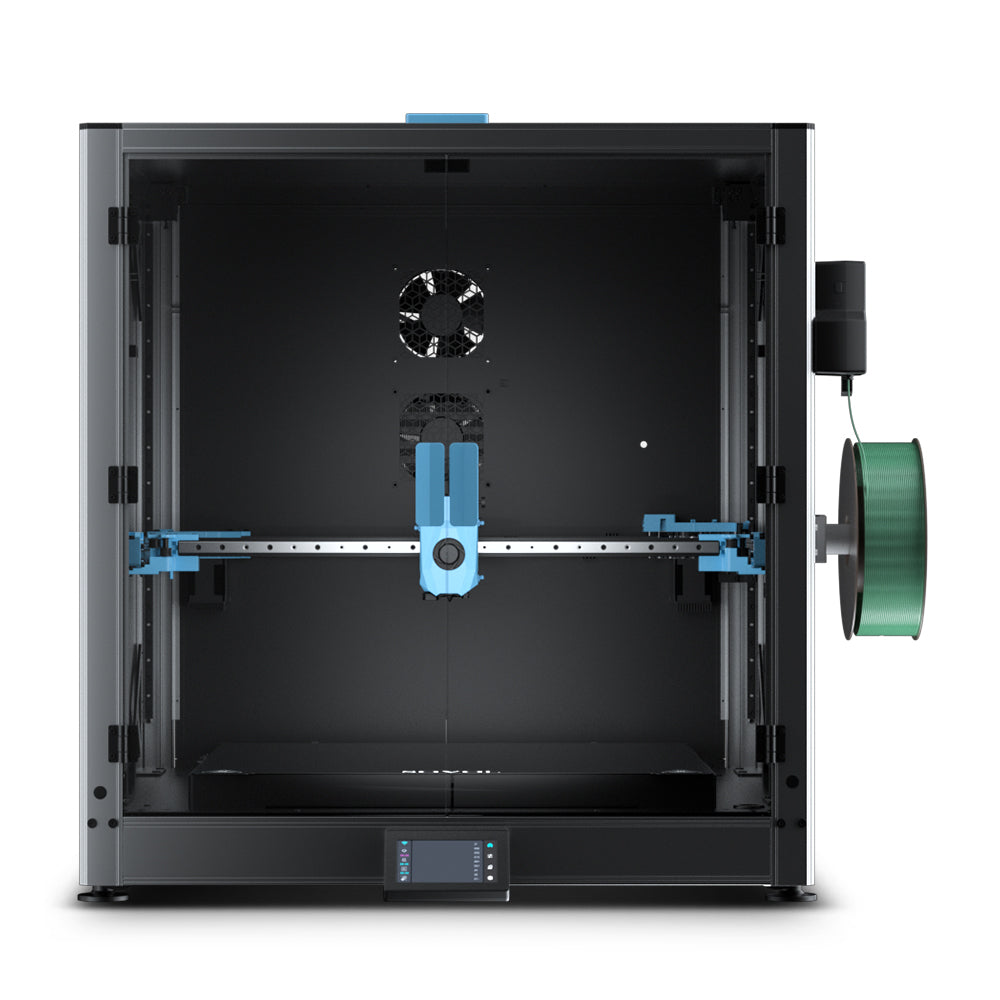
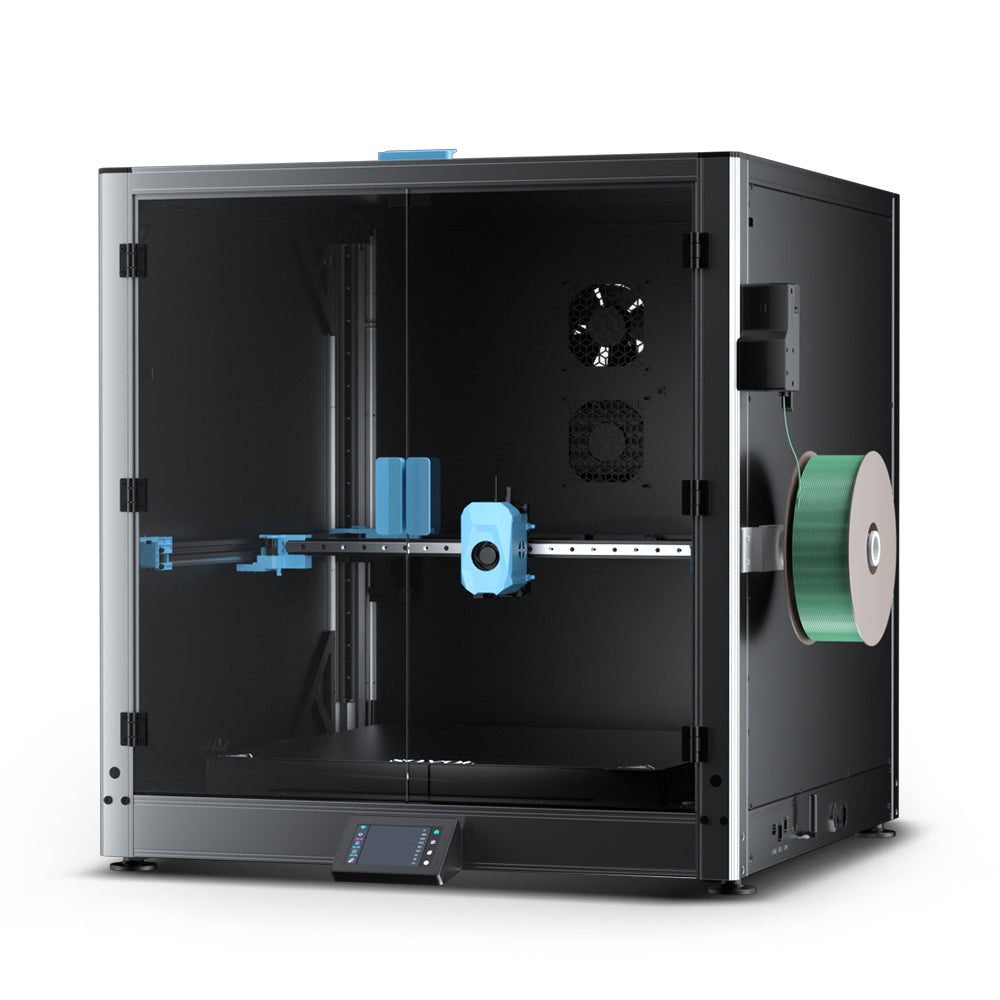
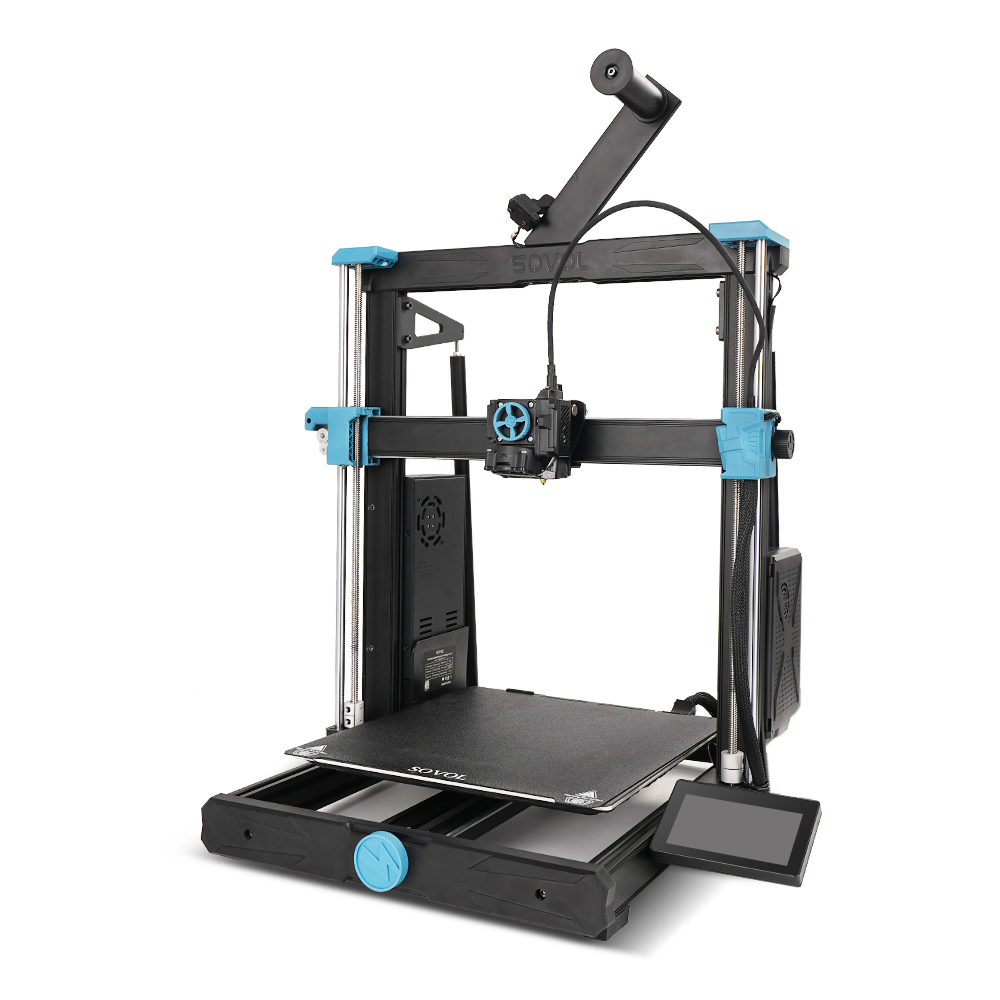
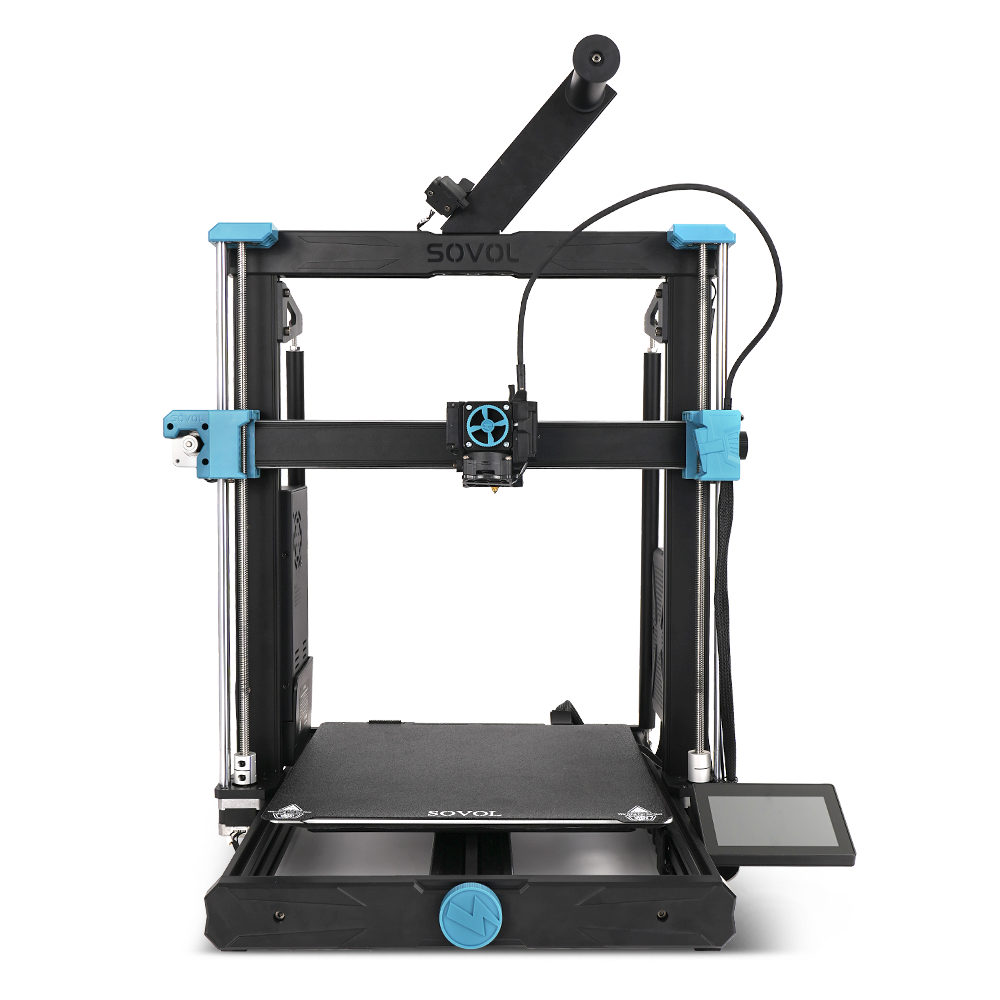
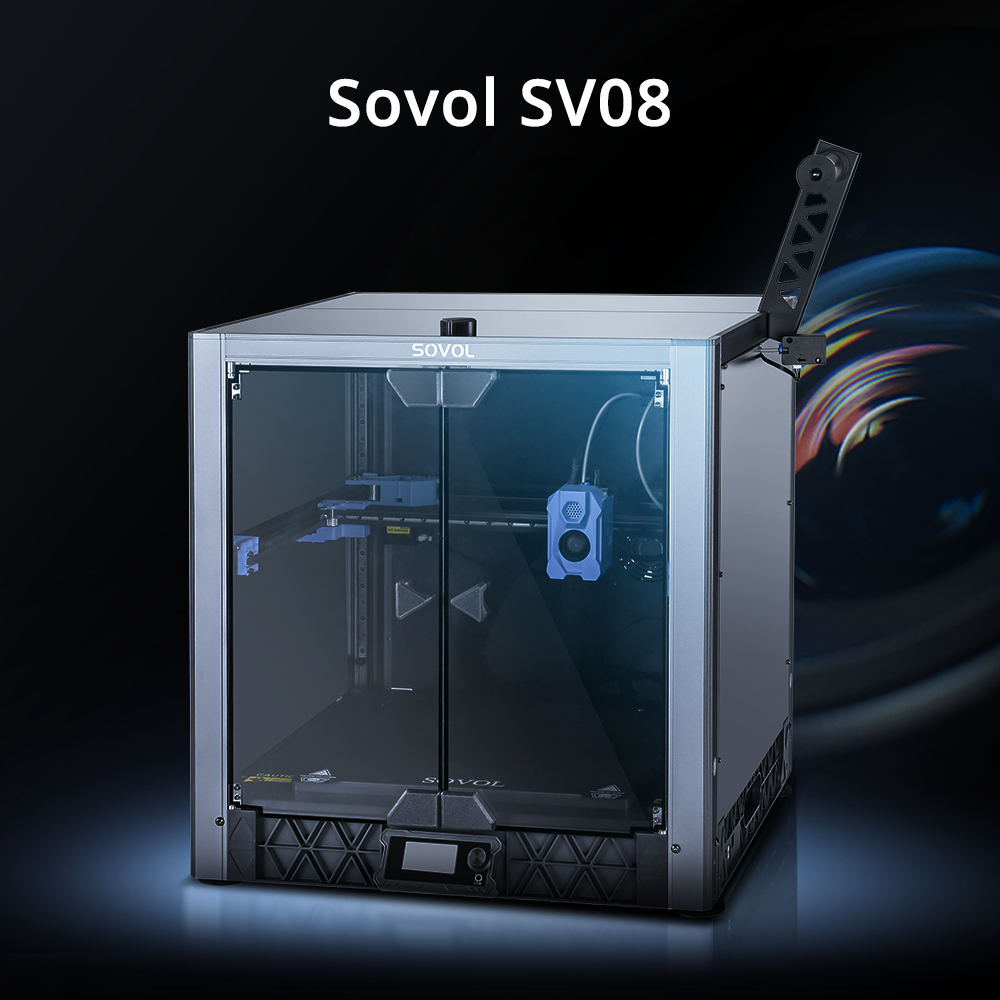
There are different types of big printers for large objects. These printers use new technology to handle big jobs. They have a large build volume, so you can print big models in one piece. You do not need to cut your model into smaller parts. Here is a table with some popular models and their features:
|
Model |
Features |
Applications |
|---|---|---|
|
Sovol SV08 Max |
Large build volume, high speed, advanced automation |
Professional studios, industrial production |
|
EVO 2X |
Supports a wide range of materials, robust construction for engineering |
Engineering applications |
|
Omni3D |
Industrial-grade reliability, material compatibility |
Continuous production, large-scale prototyping |
Some machines, like BAAM from Lockheed Martin, can print things up to 100 feet long. Large format printers let you make big parts as one piece. This makes the part stronger and saves time.
Tip: Large build volume 3D printers help you skip joining small pieces.
High-Flow Hotends and Motion Systems
High-flow hotends are important in large scale 3D printing. These hotends melt and push out material faster than normal ones. This means you can finish prints quicker and get stronger parts. The melt zone heats the filament well, so it flows smoothly. Good thermal management keeps the hotend steady and stops jams. Here is a table showing the benefits:
|
Feature |
Description |
|---|---|
|
Optimized Melt Zone |
Heats filament fully before extrusion |
|
Low Flow Resistance |
Allows molten plastic to flow easily |
|
Dramatically Reduced Print Times |
Melts and extrudes material 2-3 times faster |
|
Enhanced Reliability |
Reduces clogging and mid-print failures |
|
Improved Layer Adhesion |
Makes parts stronger and more durable |
|
Material Versatility |
Handles tough and viscous filaments |
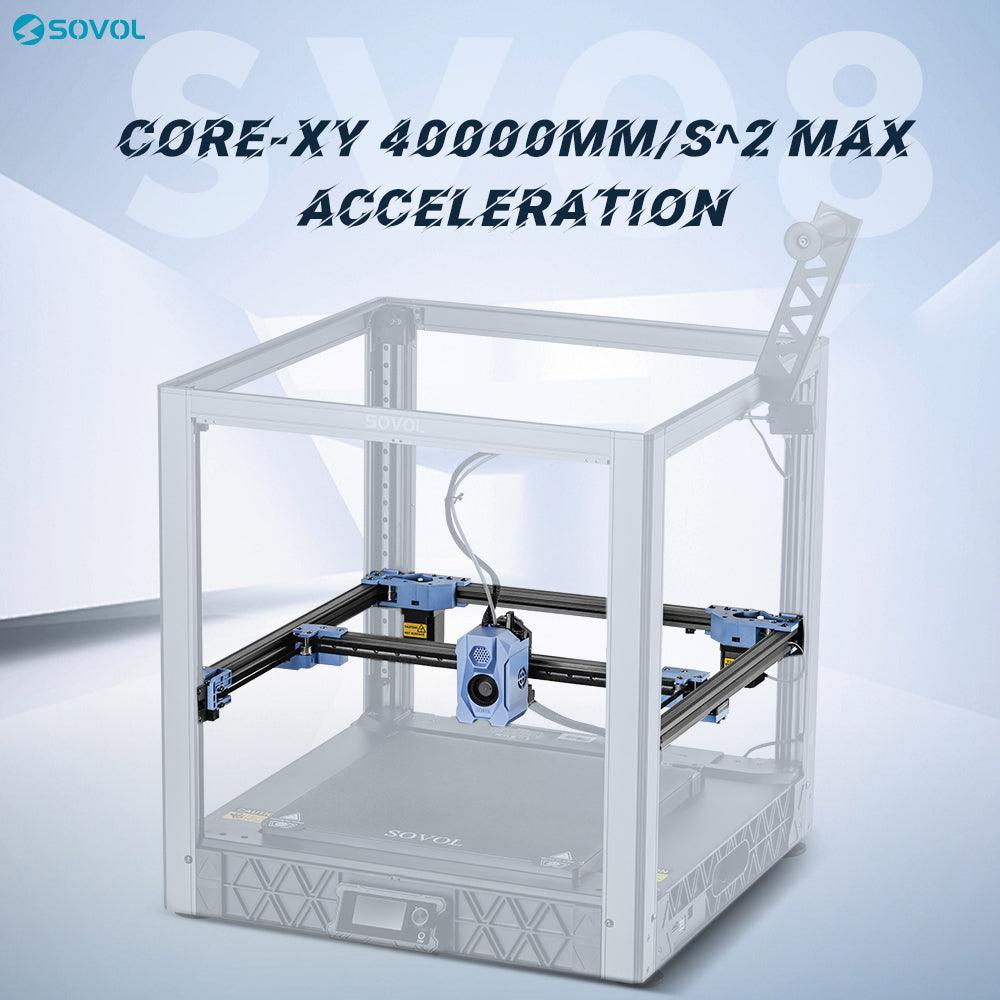
Motion systems like CoreXY are used in many large printers. This system cuts down on shaking and gives you steady, accurate prints. High acceleration helps keep quality good, even for big models.
Materials Used
You can pick from many materials for large scale 3D printing. PLA is good for simple projects. Nylon and ABS are used a lot in factories. PETG is strong and easy to use. TPU is bendy and stretchy. PVA and HIPS work well for supports. Composites like fiberglass and carbon fiber make parts extra strong. Each material has its own special features, like how much it stretches, melts, or handles hits. You can choose the best one for your project.
Note: Large scale 3D printing helps you waste less material and spend less money, especially if you print at the work site.
Advantages and Challenges
Benefits of Large Scale Printing
Large scale 3D printing has many good points. You can make big parts all at once. This means you do not need to glue or join small pieces. You save time and make fewer mistakes. Many companies use this method to work faster and spend less money. You can print shapes that are too hard for old ways. This process also uses less material, so you do not waste much.
Here is a table comparing large-format 3D printing with traditional methods:
|
Feature |
Large-Format 3D Printing |
Traditional Methods |
|---|---|---|
|
Prototype Time |
Cuts production time by 50% |
Longer production cycles |
|
Cost Savings |
Up to 75% savings in sand casting costs |
Higher due to molds and assembly |
|
Material Costs |
Lower due to on-demand usage |
Higher due to bulk purchasing |
You get faster work, lower costs, and less waste. Many businesses say their work is smoother and better.
Limitations and Issues
There are some problems with large scale 3D printing. Big prints take longer to finish. You have to check your print often for mistakes or warping. The first layer can have the most trouble. Picking the right material is important for strong and long-lasting parts. The printer’s platform must hold the size and weight of your print. Sometimes, you need to split your design into smaller pieces to keep it looking good.
- Printing big things takes more time.
- You must check for mistakes often.
- The material you pick changes how strong and costly it is.
- The printer’s size limits how big you can print.
- Making things bigger can make details less clear.
Safety and Maintenance
You need to be safe when using large printers. Good airflow helps get rid of bad fumes. You should wear gloves and goggles to protect yourself. Fire safety is important because some materials can burn.
Taking care of your printer helps it last longer. Clean it often to stop dust from building up. Check if the printer is lined up right for sharp prints. Update the software to keep it working well. Look for worn-out parts and change them if needed. Run test prints to find problems early.
|
Importance |
|
|---|---|
|
Regular cleaning |
Prevents dust and debris buildup that can cause print quality issues and hardware damage. |
|
Alignment and calibration checks |
Ensures sharp, accurate prints and prevents misalignment issues. |
|
Firmware and software updates |
Keeps the printer compatible with new media and optimizes performance. |
|
Inspecting and replacing wearable parts |
Maintains smooth operation and prevents further damage to the printer. |
|
Running test prints and diagnostics |
Identifies potential issues before they affect production, ensuring consistent output quality. |
Applications and Tips
Industry Examples
Large scale 3D printing is used in many fields. It helps make big parts fast and easy. Here are some places where you see it:
- Aerospace: You can make strong and light parts for planes. Companies use it to test new ideas and build tough parts.
- Automotive: You can print car parts and test models. This saves time and money by using fewer pieces.
- Healthcare: You can make custom devices and implants. Hospitals use it to make models for surgery and patient care.
- Construction: You can print building parts and even whole houses. This makes building faster and cuts down on waste.
- Creative Industries: You can design art, furniture, and cool projects. Artists use big printers for special designs.
- Entertainment: You can make props, movie sets, and stage models. Printing big things helps bring ideas to life.
Here are some real projects that show how 3D printing changes things:
|
Project Name |
Application Description |
|---|---|
|
Austin 3D Printed Homes |
Full-sized homes for community housing |
|
Galleria Gwanggyo Facade |
Unique glass walk facade with 3D printed joints |
|
Siedle House Museum |
3D printed formwork for concrete casting |
Tips for Beginners
If you want to try large scale 3D printing, follow these tips:
- Pick a printer that fits your needs and your budget. Choose a big printer if you want to print large things.
- Use good materials. PLA is great for big prints that do not get hot. You can try many types of filament for special projects.
- Make sure your workspace has good airflow. Wear gloves and goggles to stay safe.
- Follow fire safety rules. Some materials can burn if not handled right.
- Turn off the Skirt option in your slicer software to use all the print space.
- Use controlled cooling and heated chambers for better prints. Reinforce infill to make your prints stronger.
- Clean and check your printer often. Taking care of your printer helps it last longer and work better.
- Plan for the cost of parts and service. Good care saves money over time.
You can do well with large scale 3D printing if you prepare and follow these steps.
Large scale 3D printing lets you create big, strong parts in one piece. You use modern 3D printing technology to cut waste and make parts when you need them. You can work in many fields, like aerospace, healthcare, and construction. Before you start, remember these key points:
- Train your team in 3D design and printing.
- Keep your printer in good shape to avoid problems.
- Use a large build volume 3D printer for printing large models.
- Plan for on-demand production to save time and money.
You can unlock new ideas and make your projects faster with large format 3D printing.
FAQ
What is the biggest advantage of large format 3D printing?
You can print big models all at once. This makes parts stronger and saves time. Large format 3D printing lets you make tricky shapes that old ways cannot do.
Which materials work best for large scale 3D printing?
You can use PLA, ABS, PETG, and nylon for most jobs. For stronger parts, try carbon fiber or fiberglass composites. Some big printers can also use metal and concrete.
How do you avoid warping when printing large models?
Level your print bed before you start. Use a heated bed and keep the room warm. Add a brim or raft so your model sticks well. Good airflow and slow cooling help stop warping.
Is large scale 3D printing safe for beginners?
Yes, you can start safely if you follow simple rules. Wear gloves and goggles to protect yourself. Make sure your workspace has good airflow. Read your printer’s manual and check fire safety tips.
What industries use modern 3D printing technology for large parts?
You see large scale 3D printing in aerospace, automotive, construction, and healthcare. These fields use big printers to make prototypes, tools, building parts, and custom medical devices.