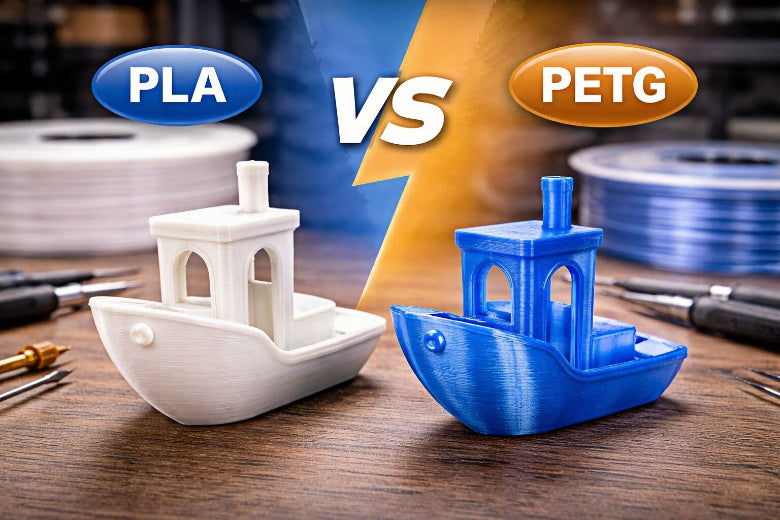
You want to learn the main differences between PLA vs PETG. Strength means your 3D printing filament can handle force. Flexibility lets parts bend and not snap. Printability shows how simple your 3D printing job will be. Picking the right material, whether it's PLA vs PETG, can make your print better and last longer.
- Strong materials like PETG are best for parts that must work hard.
- Flexible materials such as PLA are good for things that need to bend.
- Print settings and what material you pick, whether PLA or PETG, can change your project.
Think about what your project needs before you begin.
Key Takeaways
- Pick PLA if you want easy printing and bright details. PLA works well for models and things used for decoration.
- Pick PETG if you need strong and bendy parts. PETG is good for pieces that must handle stress.
- Know the print settings: PLA uses lower heat and does not need a heated bed. PETG uses higher heat and needs a heated bed.
- Think about the environment: PLA breaks down and is better for Earth. PETG lasts longer but does not break down.
- Look at what your project needs: Use PLA for things that do not get much stress. Use PETG for parts that get worn or used a lot.
Key Differences Between PLA and PETG
Characteristics of PLA vs PETG
You might wonder how PLA and PETG are different. PLA filament is made from plants like corn, sugarcane, and potatoes. PETG filament is made from chemicals that come from oil. PLA is a plant-based choice that helps the planet. PETG is strong and good for tough jobs.
Here is a quick look at what they are made from:
|
Filament Type |
Raw Materials Used |
|---|---|
|
PLA |
Renewable resources (sugarcane, potato, corn starch) |
|
PETG |
Thermoplastic polymer chains (terephthalic acid, ethylene glycol) |
PLA can break down in special compost places. PETG does not break down in nature. PLA is better for the earth. PETG is better for parts that must last and bend.
Tip: Pick PLA if you want to help the environment. Pick PETG if you need something strong.
Material Properties Overview
PLA and PETG have different properties. PLA is stiff and hard. PETG can bend without breaking. PLA is good for art and models. PETG is good for tools and things used outside.
Here is a table with their main properties:
|
Property |
PLA (Polylactic Acid) |
PETG (Polyethylene Terephthalate Glycol) |
|---|---|---|
|
Tensile Strength |
40-60 MPa |
55-60 MPa |
|
Impact Resistance |
Lower |
Higher |
|
Heat Resistance |
Up to 60°C |
Up to 80°C |
|
UV Resistance |
Less resistant |
More resistant |
|
Flexibility |
More rigid |
More flexible |
|
Chemical Resistance |
Lower |
Higher |
|
Moisture Absorption |
Less hygroscopic |
More hygroscopic |
PLA is easy to print and gives nice results. PETG is tougher and bends more. PLA does not soak up much water. PETG can handle chemicals and sunlight better.
You should also think about how they affect the earth:
|
Material |
Source |
Biodegradability |
Environmental Impact |
|---|---|---|---|
|
PLA |
Renewable (cornstarch, sugarcane) |
Biodegradable under industrial composting |
More sustainable option |
|
PETG |
Petroleum-based |
Not biodegradable |
Less sustainable option |
PLA is better for green projects. PETG is better when you need strength.
You can use PLA for school work, models, and home decorations. PETG is good for machine parts, things for outside, and kitchen items.
|
Filament |
Use Case Type |
Examples |
|---|---|---|
|
PLA |
Prototyping |
Architectural models, Product prototypes, Design iterations |
|
|
Decorative Items |
Figurines, Vases, Home decor items |
|
|
Educational Projects |
Classroom projects, Educational models, STEM tools |
|
PETG |
Functional Parts |
Mechanical components, Brackets, Tool holders |
|
|
Outdoor Applications |
Garden accessories, Outdoor enclosures |
|
|
Food-Adjacent Items |
Kitchen organizers, Food storage solutions |
PLA and PETG are different in how they work, break down, and what you use them for. PLA is easy to print and good for the planet. PETG is strong, bends well, and lasts longer. You can choose the best one for your project.
PLA vs PETG Printability
Print Settings and Ease of Use
You need to know the right print settings for each 3d printing filament. PLA prints at lower temperatures. PETG needs more heat. Here is a quick guide:
|
Filament |
Nozzle Temperature (°C) |
Bed Temperature (°C) |
|---|---|---|
|
PLA |
190 - 220 |
0 - 60 |
|
PETG |
220 - 260 |
70 - 90 |
PLA works well for beginners. You do not need a heated bed. PETG requires a heated bed and higher printing temperature. PLA gives you fewer problems with stringing. PETG can create more stringing and blobs. You can see the differences in this table:
|
Filament |
Ease of Use |
Printing Temperature |
Heated Bed Required |
Stringing Issues |
|---|---|---|---|---|
|
PLA |
Easier |
Lower |
No |
Fewer |
|
PETG |
Harder |
Higher |
Yes |
More |
Bed Adhesion and Warping
Bed adhesion affects your print quality. PLA sticks well to most beds. You may see warping if the first layer is not perfect. PETG can warp, especially on big prints. You need to set the bed temperature and use adhesives for PETG. Here is a quick overview:
|
Issue Type |
Material |
Description |
Solutions |
|---|---|---|---|
|
Warping |
PETG |
Can warp, especially on larger prints, leading to poor bed adhesion. |
Set bed temperature, adjust fan speed, use adhesives, apply brims or rafts. |
|
Warping |
PLA |
Generally good adhesion but can warp if the first layer isn't perfect. |
Set bed temperature, clean bed, ensure proper first layer settings. |
Surface Finish and Post-Processing
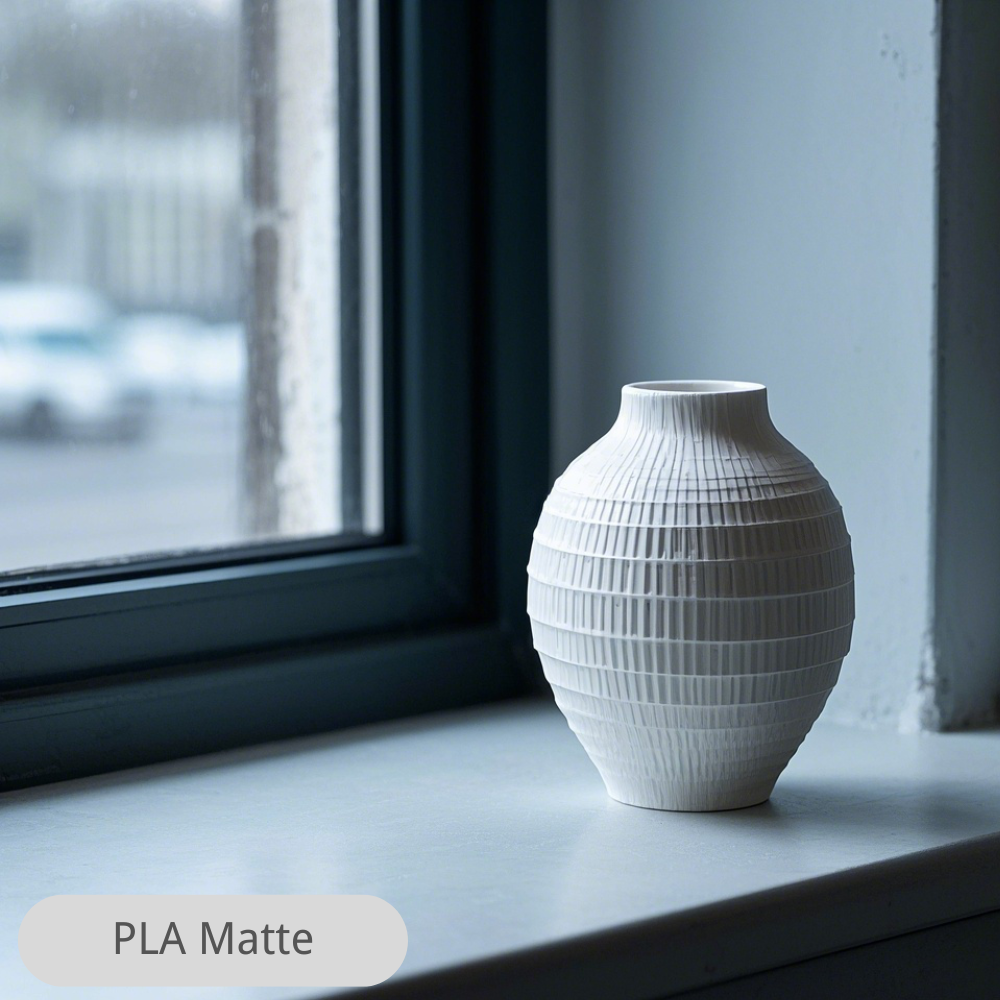
You want your prints to look good. PLA gives you a matte finish and keeps details sharp. PETG has a glossy look but may show small strings. PLA is easier to sand and paint. PETG needs careful sanding to avoid melting. Here is a comparison:
|
Filament |
Surface Finish Quality |
Glossiness |
Detail Retention |
Post-Processing Options |
|---|---|---|---|---|
|
PLA |
Matte finish |
Lower |
Higher |
Easier |
|
PETG |
Glossy finish |
Higher |
Lower |
More complex |
- PLA lets you sand, prime, and paint with ease.
- PETG needs gentle sanding and careful handling.
Tip: For smooth prints, start with coarse sandpaper, then use filler primer. You can coat your print with epoxy for a shiny look.
You can see that PLA vs PETG have different printing properties. PLA is easier for beginners and gives you sharp details. PETG offers durability and flexibility but needs more care during printing and finishing. You can choose the best 3d printing filament for your project by looking at print settings, bed adhesion, and surface finish.
Strength and Flexibility Comparison
Tensile Strength and Durability
When you look at PLA and PETG, you see they are not the same in strength and durability. PLA can handle more pulling force before it breaks. This means PLA is strong when you pull on it. You can check the table to see the sopporting numbers:
|
Material |
Average Ultimate Tensile Strength (PSI) |
|---|---|
|
PLA |
8000 |
|
PETG |
7079 |
PLA makes strong prints, but it can break easily. If you drop a PLA part, it might crack or shatter. PETG is not as strong as PLA when you pull it, but it lasts longer in real life. You can bend PETG and it will not break right away. This is why PETG is better for parts that need to last or face stress.
Think about how you will use your 3d printing filament. If you want a model that looks nice and does not get used much, PLA is a good pick. If you need a part that will be bent or handled a lot, PETG is a better choice.
Note: PLA is strong but can break easily. PETG is tough and bends, so it lasts longer for many uses.
Flexibility and Ductility
Flexibility and ductility show how much a filament can bend before it snaps. PLA and PETG are very different here. PLA is stiff and breaks if you bend it too much. PETG can bend and stretch before otherwise breaking. Check the table below:
|
Material |
Flexibility |
Ductility |
|---|---|---|
|
PLA (Polylactic Acid) |
Low |
Breaks under stress without deformation |
|
PETG (Polyethylene Terephthalate Glycol) |
High |
Bends before failure under mechanical load |
You can also see how much they stretch before breaking:
|
Property |
PLA |
PETG |
|---|---|---|
|
Breaking Elongation (%) |
12.2 ± 1.8 |
>100 |
PETG can stretch a lot more than PLA. This makes PETG great for things that need to flex, like clips or brackets. PLA is best for things that must keep their shape and do not need to bend.
- PETG does not break as easily as PLA.
- PLA snaps if you bend it too far.
- PETG can handle bending and stretching.
If you want a 3d printing filament for flexible parts, PETG is the best pick. PLA works well for stiff models and prototypes.
Impact Resistance
Impact resistance means how well a filament can take a hit or drop. PETG has about twice the impact strength of PLA. You can use PETG for parts that need to survive bumps and knocks. PLA is more likely to break if you hit it.
- PETG is better for strong and tough uses.
- PLA can break if you drop or hit it.
- Some tough PLA types can be as strong as PETG, but regular PLA is not.
Look at the table to see the differences:
|
Filament |
Durability |
Brittleness |
Impact Performance |
|---|---|---|---|
|
PLA |
Moderate |
More brittle |
Better impact toughness in tough variants |
|
PETG |
Durable |
Less brittle |
Poor impact performance under high strain rates |
PETG is a good pick for machine parts, cases, and working models. It is tough, handles heat better, and sticks together well. PLA is best for models you look at and parts that do not get used much.
Tip: Pick PETG for parts that need to be strong and bendy. Use PLA for models and things that do not need to be tough.
Which Filament Is Better for Functional Parts vs Prototypes?
You need to pick the straight filament for your project. PETG is best for chain parts because it is tough, bends, and lasts long. It works well for machine parts, things for outside, and anything that gets used a lot. PLA is great for models, test prints, and things that do not need to bend or take hits.
|
Filament |
Mechanical Properties |
Recommended Use |
|---|---|---|
|
PETG |
High toughness, better temperature stability, excellent layer adhesion |
Functional parts, mechanical components |
|
PLA |
Lower toughness, less temperature stability |
Visual models, low-stress components |
- PETG is tougher and handles heat better.
- PLA is easy to print and good for test models.
- PETG works outside because it does not soak up water.
You can use PLA or PETG for different jobs. PLA gives you sharp details and is easy to print. PETG gives you strength, flexibility, and lasts longer for hard jobs. Always think about what your project needs before you pick a 3d printing filament.
Temperature Resistance and Applications
Heat Resistance of PLA vs PETG
It is important to know how heat changes your 3d printing filament. PLA starts to get soft and lose its shape at about 50–55°C. PETG can stay strong and keep its shape up to 70°C. If you put a PLA part in a hot car or near a heater, it might bend or melt. PETG works better in hot places and does not change shape as fast.
Here is a table that shows how much heat each filament can take:
|
Material |
Heat deformation temperature |
Recommended maximum use temperature |
|---|---|---|
|
PLA |
~55°C |
<50°C |
|
PETG |
65°C - 75°C |
<70°C |
PETG is a good choice for parts that need to handle heat. PLA is best for things that stay inside and away from hot places.
Common Uses and Outdoor Suitability
You want your prints to last outside or in hard places. PLA works well in the shade but breaks down fast in sunlight. PETG lasts longer outside and can handle UV rays better. Some brands, like ANYCUBIC PETG, are known for being strong outdoors and having good tensile strength.
- PLA is good for indoor projects, models, and art.
- PETG is great for garden tools, outdoor boxes, and kitchen containers.
PETG also stands up to most household chemicals. PLA can melt in some liquids and breaks down with strong acids. If you need a filament for parts that touch water, oil, or chemicals, PETG is a safer pick.
Here is a table that shows what each filament is used for:
|
Filament |
Common Applications |
Characteristics |
|---|---|---|
|
PLA |
Prototyping, art, food-safe items |
Not as tough, food-safe, not very water-resistant |
|
PETG |
Working parts, machine pieces, food containers |
Tougher, water-resistant, FDA-approved |
You can use PLA for school models, decorations, and test prints. PETG is best for machine parts, things for outside, and anything that needs to last. If you want your 3d print to survive outside or handle chemicals, PETG is the better choice.
Tip: Pick PETG for outdoor and working parts. Use PLA for indoor models and art.
PLA vs PETG Comparison Table
Side-by-Side Feature Table
This table shows how PLA and PETG are different. You can look at things like strength, flexibility, how easy they are to print, heat resistance, surface look, and what they are used for. This guide helps you pick the best filament for your project.
|
Property |
PLA |
PETG |
|---|---|---|
|
50–60 |
54.9 ± 2.6 |
|
|
Flexibility |
Low |
Slightly bendable |
|
Printability |
Easy for beginners |
Needs higher temperature, more care |
|
Printing Temperature |
190–220°C |
220–260°C |
|
Heat Resistance |
~60°C (typical) |
70–75°C |
|
Surface Quality |
Vibrant colors, shiny prints, minimal post-processing |
Requires sanding for smooth finish |
|
Prototyping, artistic creations, low durability needs |
Mechanical parts, food containers, outdoor signage, high durability needs |
PLA is good for models and art projects. PETG is better for parts that need to bend or last a long time. PLA is easy to print and gives bright colors. PETG needs hotter settings and more care but is stronger and bends more.
Tip: Pick PLA if you want easy printing and sharp details. Pick PETG if you need strong parts that can handle heat and stress.
Use this table to help you choose the right filament. Always check your printer settings and think about where you will use your print.
Choosing PLA or PETG
When to Use PLA
You should choose PLA when you want easy printing and sharp details. PLA works well for models, prototypes, and decorative items. You can print at lower temperatures, usually around 200°C. PLA gives you vibrant colors and smooth surfaces. If you are new to 3D printing, PLA is a great starting point because it rarely warps and sticks well to most beds.
Here are some practical tips for beginners:
- Store PLA in airtight containers to keep out humidity and dust.
- Keep PLA in a dry place, ideally below 50% humidity.
- Organize your filament to prevent tangling.
- Label spools and use older ones first to avoid brittleness.
- Use a hygrometer to monitor humidity levels.
PLA is best for projects that do not need to bend or face stress. You can use PLA for classroom models, art pieces, and low-stress parts. PLA vs PETG shows that PLA is easier to print and gives you better detail for display items.
Tip: Print PLA at around 200°C and adjust cooling fan settings for better detail.
When PETG Is Better
You should pick PETG when your project needs durability and flexibility. PETG combines strength and flexibility, making it ideal for functional parts. The material flexes slightly under stress, which helps absorb shock and prevents sudden failures. You can use PETG for tool handles, phone cases, brackets, and outdoor items. PETG offers excellent layer adhesion and impact resistance.
PETG works well for parts that need to last and bend. You can print PETG at higher temperatures, between 230°C and 250°C, with a bed temperature of 70°C to 80°C. PETG is more resistant to heat and chemicals than PLA.
Here are some practical tips for PETG:
- Use a filament dry box in humid areas.
- Always wear a mask when sanding PETG prints.
- Clean prints after each sanding grit to remove dust.
PETG is the better choice for mechanical parts, outdoor projects, and items that need to survive bumps and knocks. PLA vs PETG shows that PETG is tougher and more flexible, making it the right option for demanding jobs.
Tip: PETG absorbs shock and prevents sudden failures, so it is ideal for parts that face stress.
Material selection depends on your project needs. If you want easy printing and sharp details, choose PLA. If you need strength, flexibility, and durability, choose PETG.
You can notice big differences between PLA and PETG. PLA is stronger when you pull on it. PETG can bend and does not break easily. PETG is better for things that get used a lot. Look at the table to compare their strength:
|
Material |
Average Tensile Strength (MPa) |
|---|---|
|
PLA |
|
|
PETG |
54.9 ± 2.6 |
Pick PLA if you want easy printing and nice details. Choose PETG if you need parts that last and can bend. Try both filaments to see which works best for your project. Read more guides to learn about filament types, print settings, and how strong your prints will be.
FAQ
What is the main difference between PLA and PETG?
PLA is a plant-based 3D printing filament. PETG is a plastic made from oil. PLA is easier to print and better for beginners. PETG is stronger and more flexible. You should choose based on your project’s needs.
Can I use the same print settings for PLA and PETG?
No, you cannot. PLA prints at lower temperatures (190–220°C). PETG needs higher printing temperatures (220–260°C) and a heated bed. Always check your printer’s recommended print settings for each filament.
Which filament is better for outdoor use?
PETG is better for outdoor use. It resists sunlight, water, and heat. PLA can lose shape in the sun or heat. For garden tools or outdoor boxes, PETG gives you more durability.
How do I get the best print quality with PLA vs PETG?
For PLA, use a cooler nozzle and turn on the cooling fan. For PETG, print hotter and slow down the speed. Clean your print bed and adjust the first layer for both. This helps you get smooth prints.
Is PETG food-safe for kitchen items?
Many PETG filaments are food-safe, but you must check the label. Always use a clean nozzle and avoid coloring agents that are not food-safe. PLA can also be food-safe, but PETG is more durable for kitchen use.