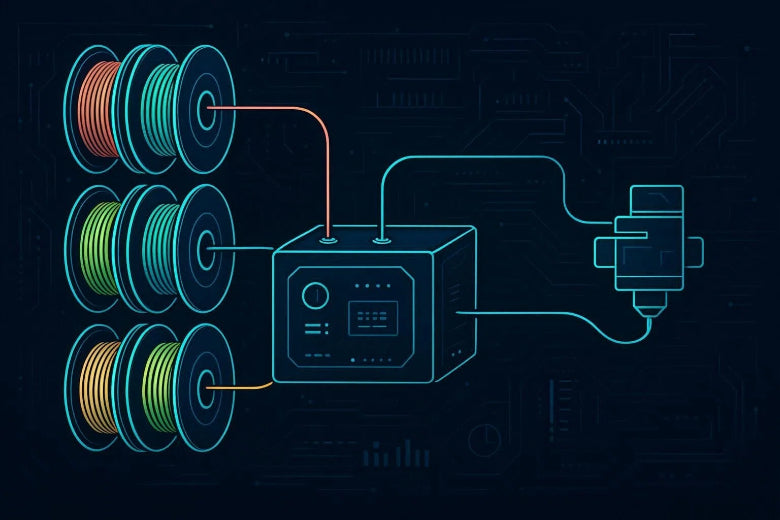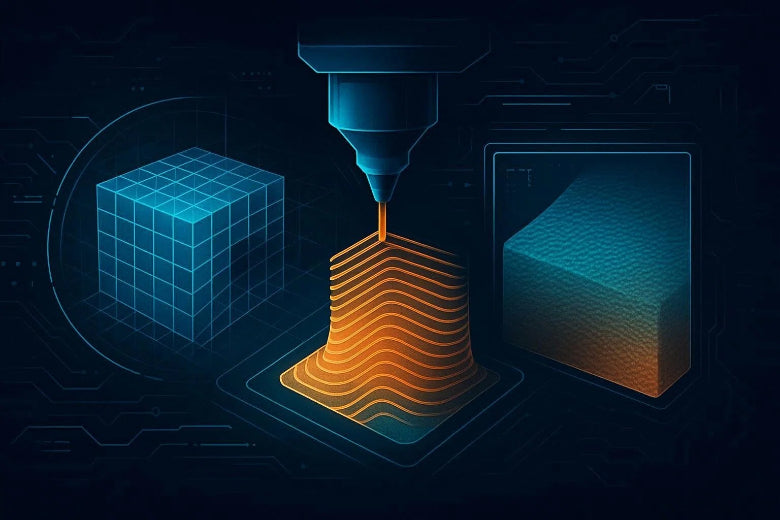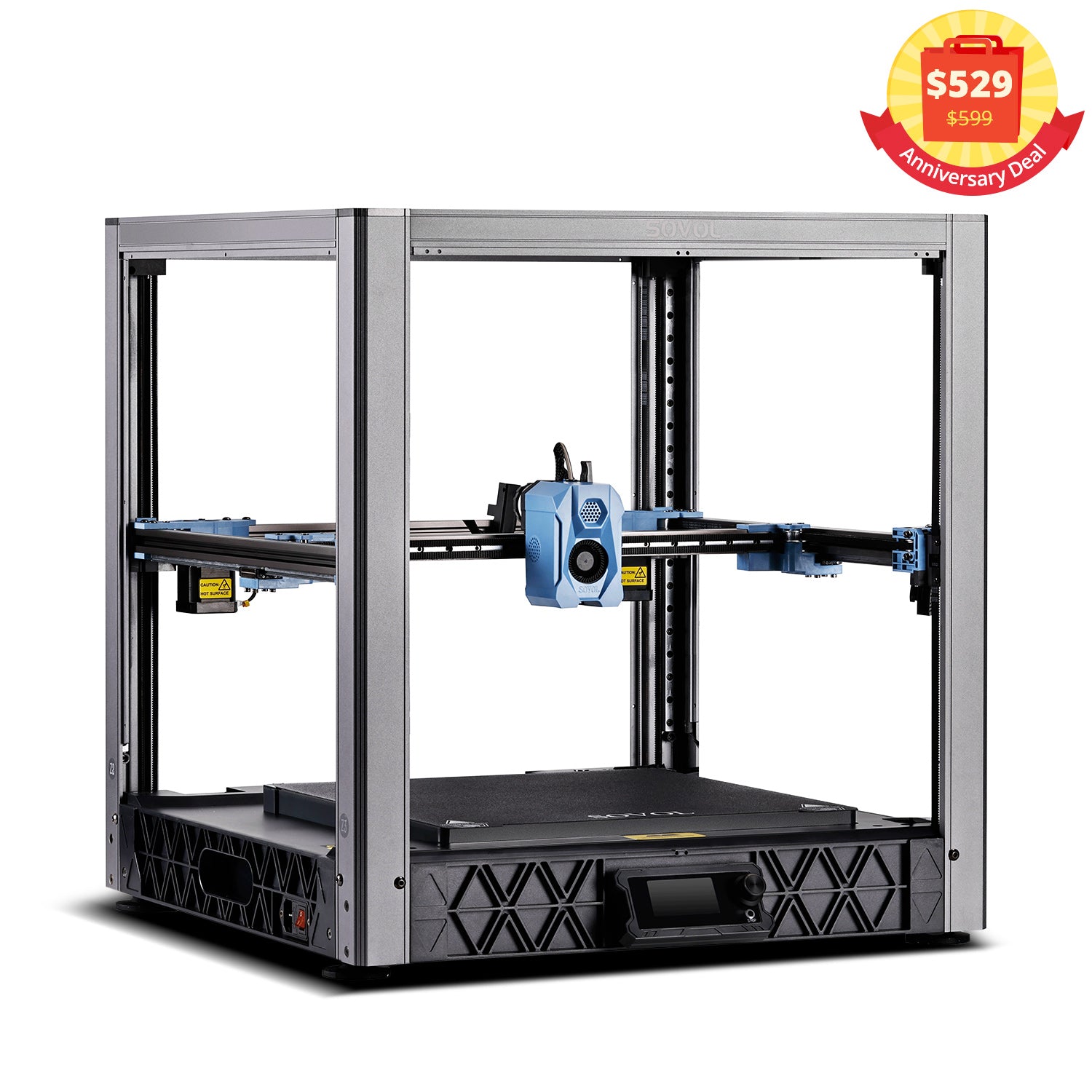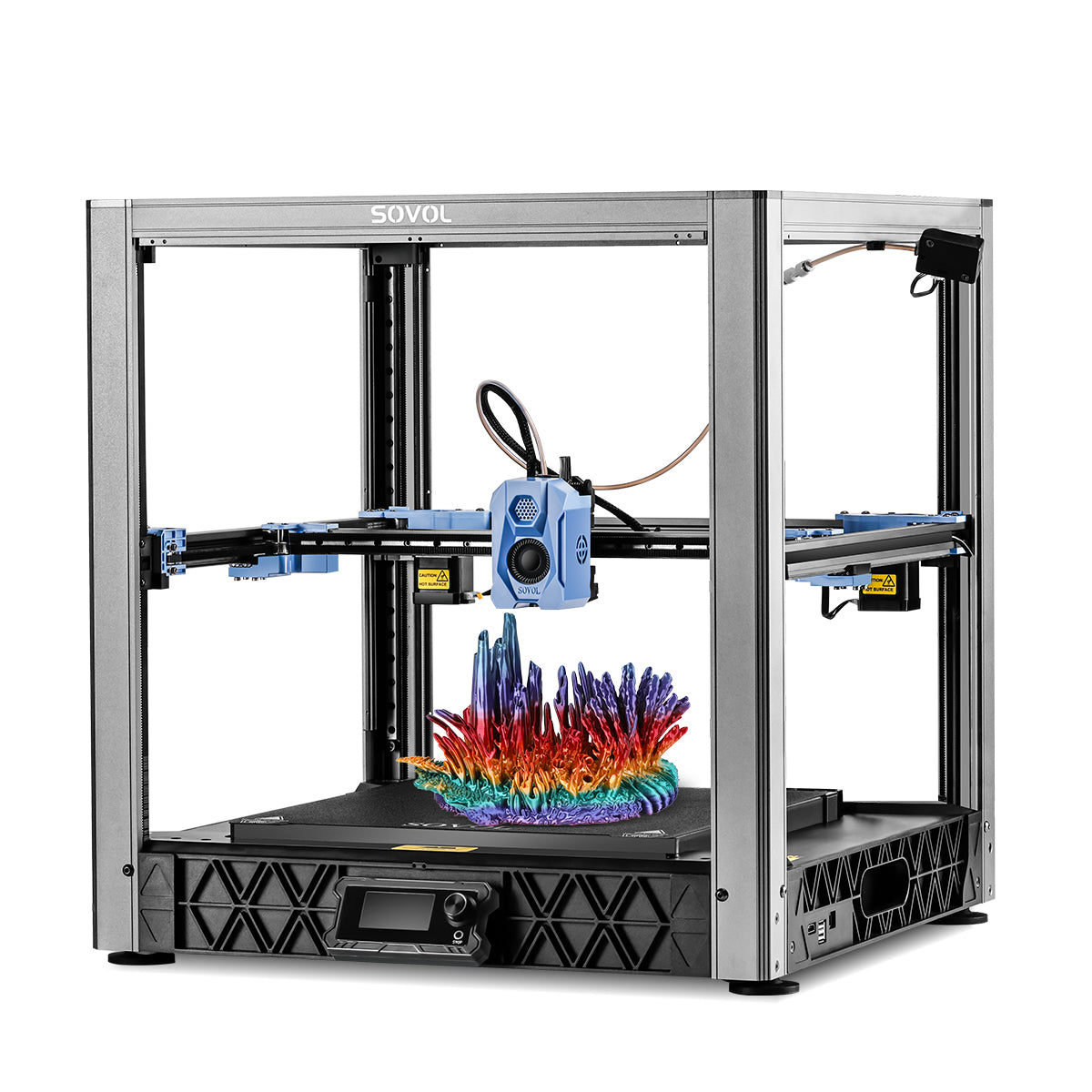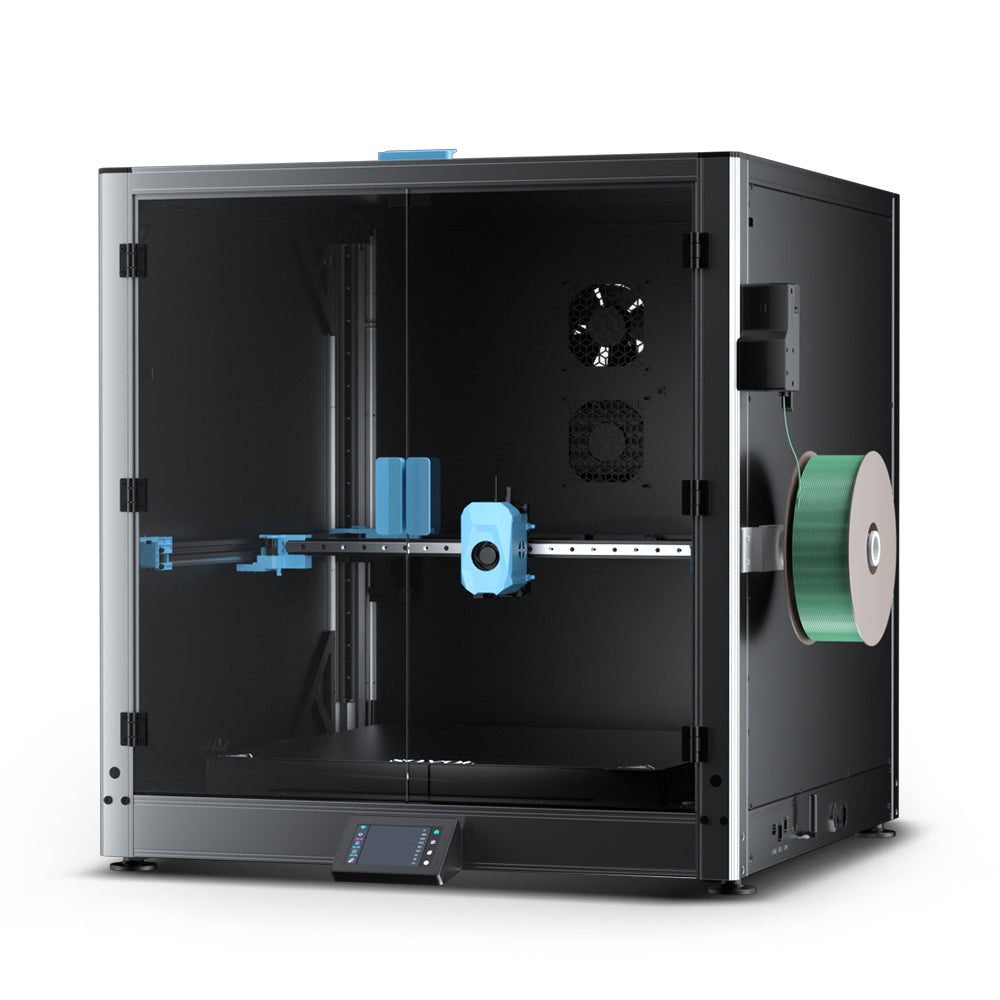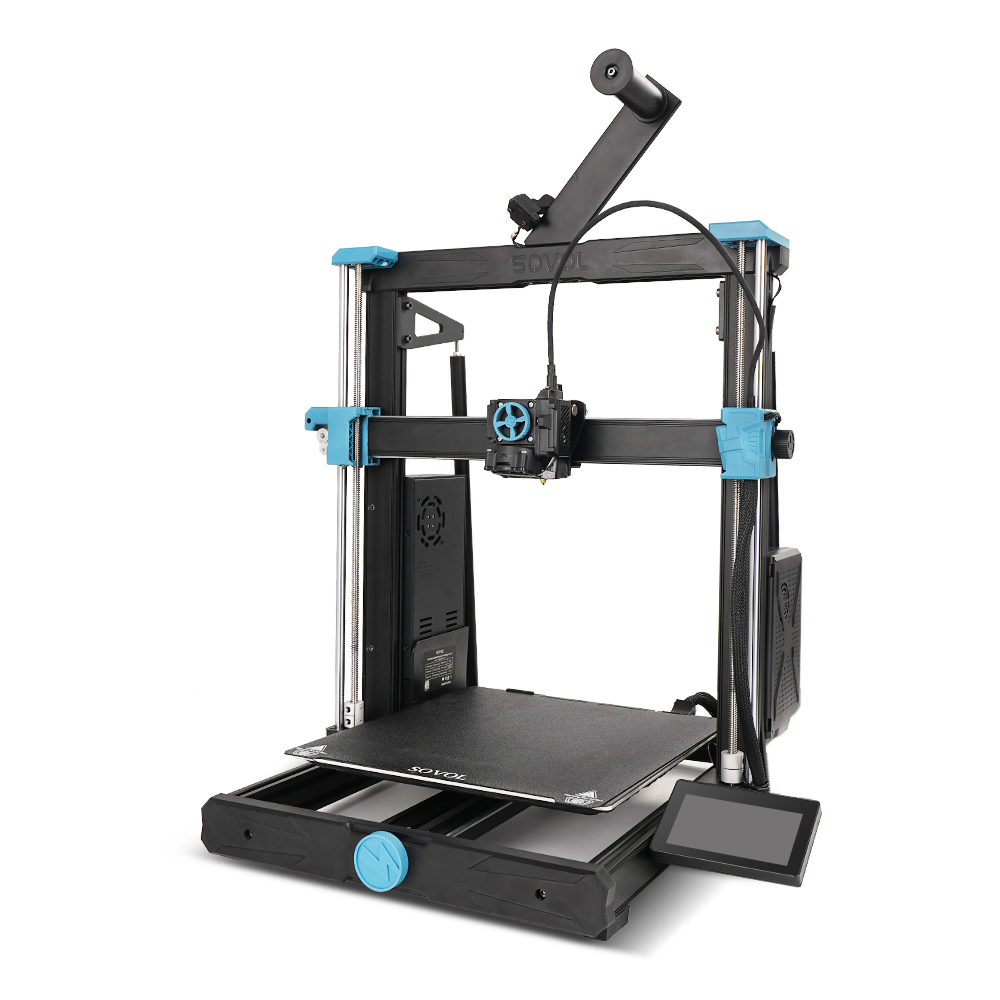
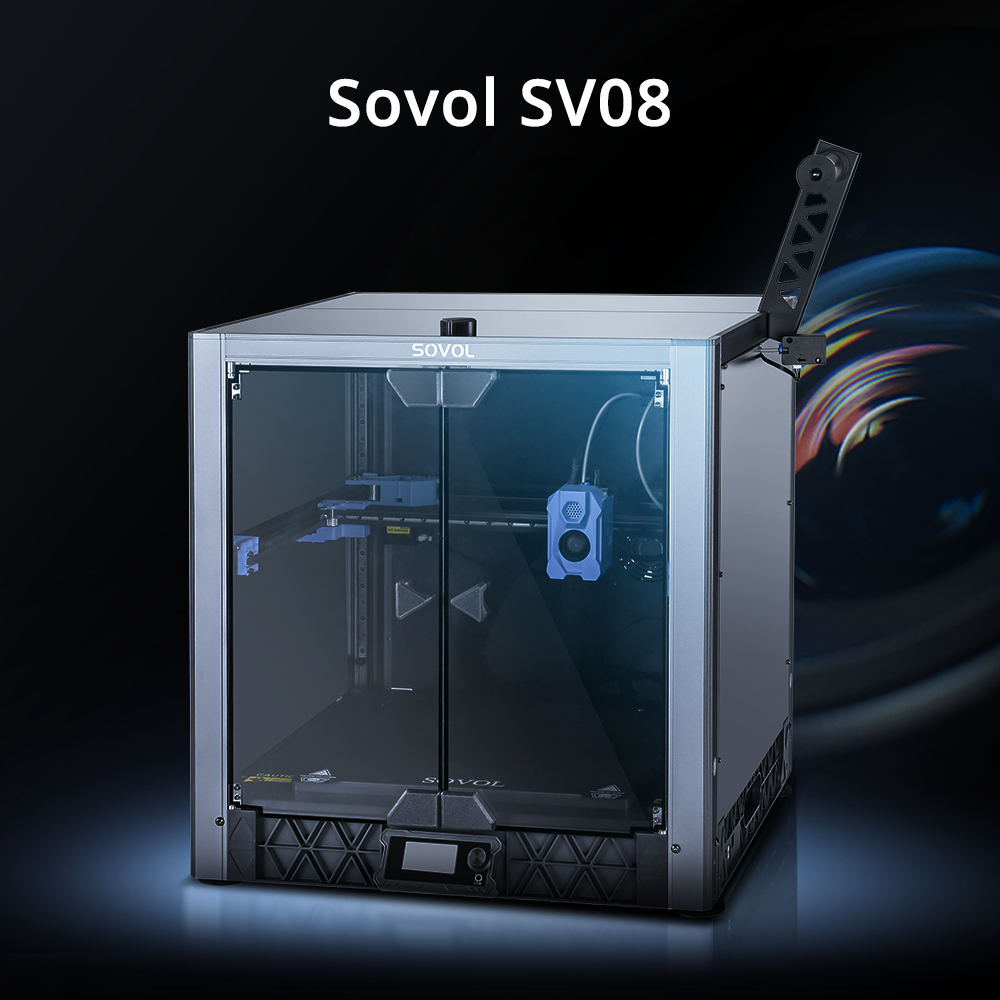
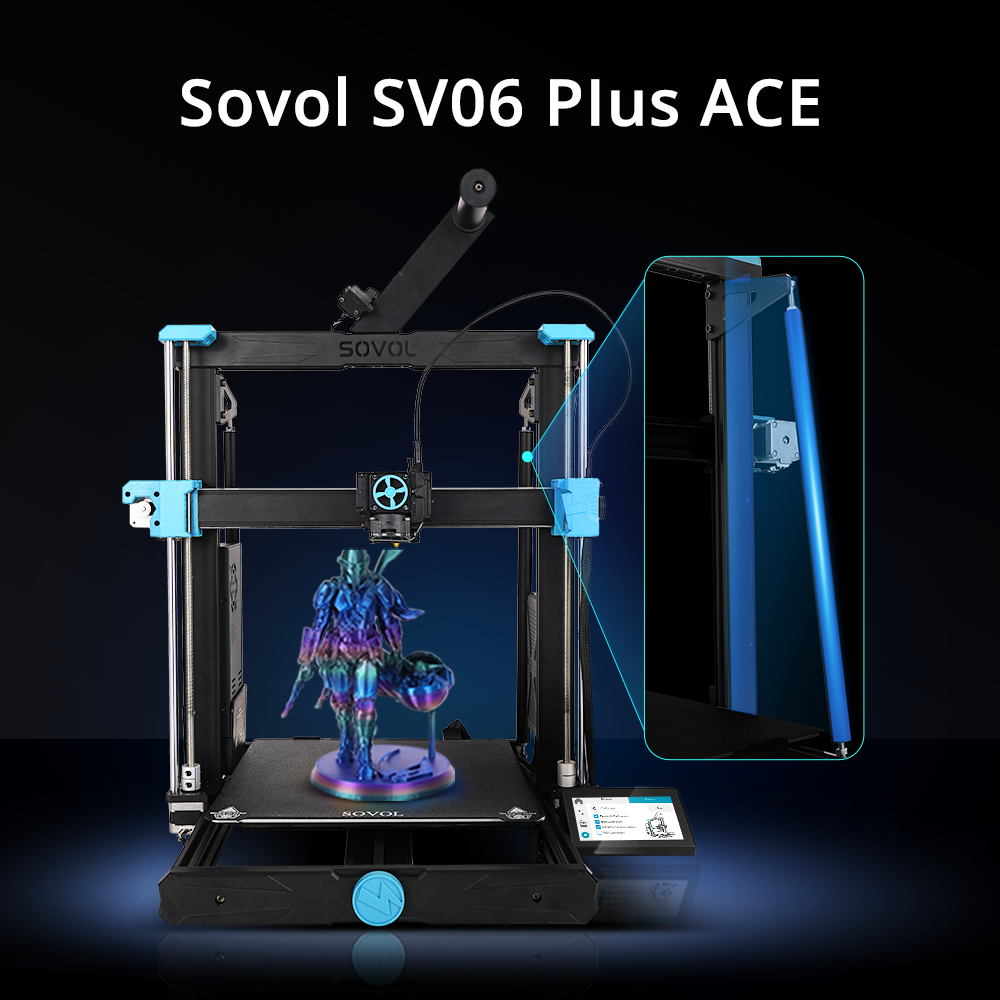
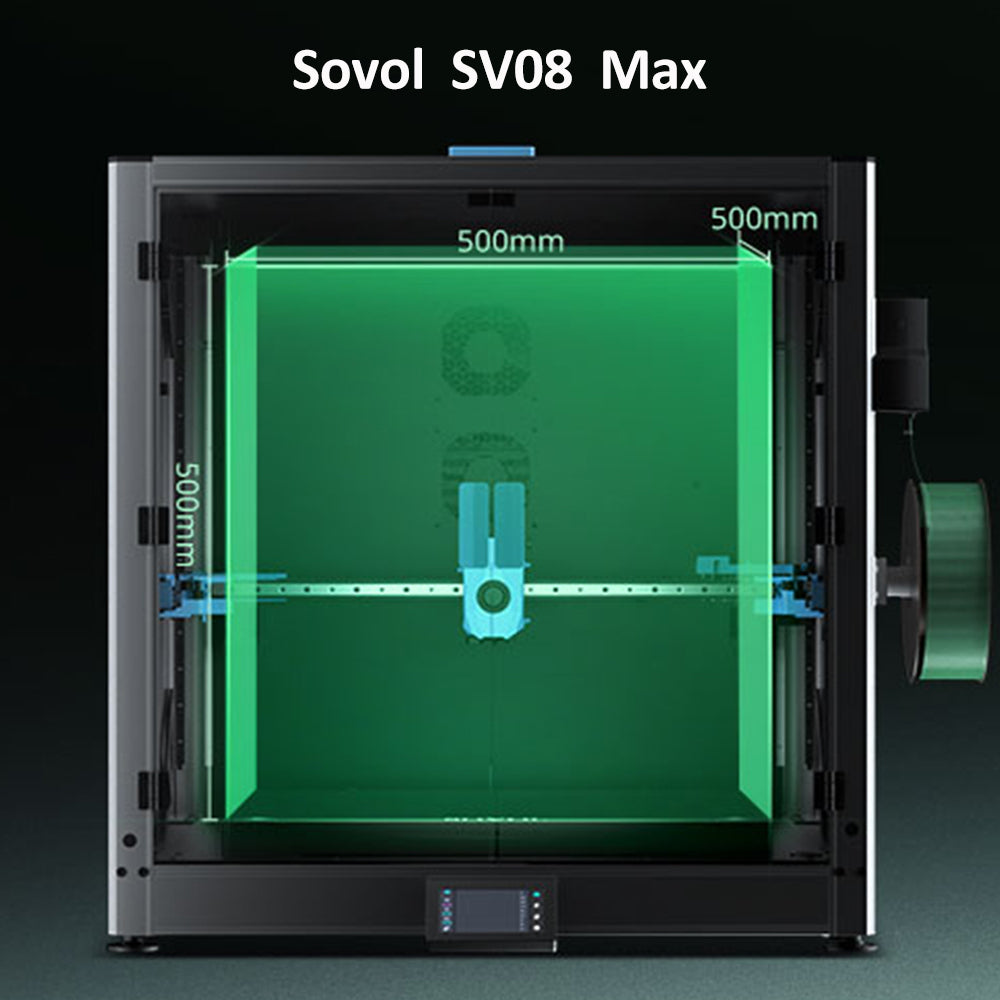

When you think about big volume 3D printing, first decide what you want to make. A large format 3D printer can build big models or many parts at one time. This is helpful in areas like aerospace, cars, and entertainment. These fields need large-format 3D printing for special jobs. You should also think about space, strength, and how much money you have before picking a large format 3D printer. The table below shows how different industries use these printers:
|
Industry |
Applications |
|---|---|
|
Construction |
Making things like walls and columns |
|
Aerospace |
Light, strong parts for planes |
|
Entertainment |
Props, sets, and costumes for movies |
|
Automotive |
Fast model making and car parts |
|
Healthcare |
Custom implants and guides for surgery |
|
Creative |
Art, furniture, and special projects |
Key Takeaways
- Think about what you want to make before picking a big 3D printer. Decide how big and what kind of things you want to print.
- Pick a printer that can fit your biggest project. Do not pay for more space than you need.
- Look at how well the printer can print details. Pick a model that is good at making small parts if you need them.
- Make sure the printer works with the materials you want to use. Different materials do different jobs, so check if your printer can use them.
- Check if the printer is strong and lasts a long time. A tough frame and good reviews can help you avoid problems and save money.
Key Factors in Big Volume 3D Printing
When you want a large format 3D printer, look for important features. These features help you get good results and make your money worth it. This section will show you the main things to think about for big volume 3D printing.
Build Volume and Print Size
Build volume is the biggest space a large format 3D printer can use. You should pick a build volume that matches the size of your parts. If you want to make big models or furniture, you need a bigger build volume. Most large format 3D printers start at 500 × 500 × 500 mm. Some industrial printers can go up to 1500 × 1500 × 2000 mm. The table below shows the usual build volume sizes:
|
Minimum Build Volume |
Maximum Build Volume |
|---|---|
|
500 × 500 × 500 mm |
1500 × 1500 × 2000 mm |
A bigger build volume lets you print larger things or many small parts at once. This helps with architectural models, cosplay props, or car parts. But, a bigger build volume means you need more room and may cost more. Always check your space before you buy a large format 3D printer.
Tip: Think about your biggest project. Pick a build volume that fits your needs, but do not pay for extra size you will not use.
Print Quality and Resolution
Print quality is how smooth and neat your finished object looks. Large format 3D printers can make big things, but it is harder for them to make tiny details like small desktop models. Print quality depends on the printer’s resolution, which is the smallest layer height it can make. Some large format 3D printers can print with high resolution, but you might have to choose between detail and speed.
|
Feature |
Large-Format 3D Printers |
Desktop Models |
|---|---|---|
|
Build Volume |
Smaller, may require assembly |
|
|
Print Quality |
Harder to achieve micron-level precision |
Generally better precision |
|
Material Compatibility |
Compatible with a wide range of materials |
Limited material options |
|
Setup Complexity |
More challenging to calibrate and set up |
Easier to set up |
|
Cost of Failed Prints |
Higher material loss due to larger prints |
Lower material loss |
Print quality can be different for each brand and model. Some printers use smart sensors to keep prints accurate during long jobs. You should read reviews and look for printers with good feedback on print quality and speed. If you need fine details, pick a model known for high print quality.
Material Compatibility
Material compatibility tells you what materials your large format 3D printer can use. This is important because different projects need different materials. Most large format 3D printers work with many materials. Here are some common choices and what they are used for:
- Polylactic Acid (PLA): Good for prototypes and education.
- Acrylonitrile Butadiene Styrene (ABS): Tough, used in car parts and toys.
- Polyethylene Terephthalate Glycol (PETG): Durable, resists chemicals.
- Nylon: Strong and flexible, good for working parts.
- Thermoplastic Polyurethane (TPU): Flexible, used for bendable items.
- Standard Resin: Smooth finish, used for prototypes.
- Tough Resin: Handles stress, used for working parts.
- Flexible Resin: Rubber-like, for elastic parts.
- Carbon Fiber Reinforced Polymer: Strong and flexible, used in aerospace.
- Glass Fiber Reinforced Polymer: Rigid, used in cars and sports gear.
You should check the hotend temperature and supported materials before you buy. Some projects need special materials, so make sure your large format 3D printer can use them.
Reliability and Durability
Reliability means your large format 3D printer works well every time, even for long prints. Durability means it lasts a long time without breaking. You want a printer with a strong frame and sturdy build. These features help stop shaking and keep your prints accurate. Linear rails help keep print quality good over time.
|
Feature |
Benefit |
|---|---|
|
Reinforced Frame |
Reduces vibration and mechanical wear |
|
Sturdy Construction |
Ensures stability during operation |
|
Linear Rails |
Maintains print quality and accuracy over time |
Wires and electronics can break sometimes. Good cable management and safe control boards help stop problems. When you pick a large format 3D printer, look for strong frames and good reviews for reliability.
Note: A reliable large format 3D printer saves you time and money by reducing failed prints and maintenance.
Print Speed and Efficiency
Print speed is how fast your large format 3D printer can finish a job. Large format 3D printers often use bigger nozzles and higher speeds to print big things quickly. Some printers can go up to 700 mm/s, while smaller printers usually go up to 600 mm/s. Faster print speed means you can finish big projects sooner, but it may lower print quality if not set right.
You can change settings like layer thickness and infill density to balance print quality and speed. Thicker layers print faster but may look rougher. Lower infill density also makes printing faster. Batch printing lets you finish many parts at once and saves setup time.
Ease of Use and Software
Ease of use is important, especially if you are new to big volume 3D printing. Look for a large format 3D printer with simple controls and clear guides. Good software makes it easier to get your models ready and manage prints. Some printers have touchscreen controls and helpful setup wizards.
You should also check if the printer works with popular slicing software. Easy software helps you get better print quality and speed. If you have problems, good customer support and clear guides can help you fix them fast.
By thinking about these key factors—build volume, print quality, material compatibility, reliability, print speed, and ease of use—you can find the right large format 3D printer for your needs. Always match the printer’s features to your project goals and budget.
Assessing Needs and Budget for Large-Format 3D Printer
Application and Industry Requirements
When you want a large format 3D printer, think about your project. Different jobs and hobbies need different things. You should pick a printer that fits your work. The table below shows what each industry needs and uses:
|
Industry |
Primary Requirements |
Recommended Materials |
|---|---|---|
|
Cosplay |
Strong hardware, ability to produce large, detailed prints efficiently |
PLA, ABS, TPU |
|
Automotive |
Sturdy frames, advanced thermal management, quick production of parts |
High-performance polymers, composite filaments |
|
Architecture |
Capability to handle various materials, detailed model production |
PLA, resin, concrete |
If you do cosplay, you need a printer for big, detailed props. For car projects, you want a strong frame and good heat control. Architecture needs printers that use many materials and make detailed models.
Some printers have special features. A dual print head lets you print two things at once. This is good if you need many pieces fast. Good support structure handling saves time and materials. Always check if the printer works with your materials.
Budget Considerations
Thinking about your needs and budget is important when you buy a large format 3D printer. Prices can be very different. Some printers are a few hundred dollars, but some cost thousands. The table below shows the price range for each type:
|
Printer Type |
Average Build Volume (cm) |
Price Range ($) |
|---|---|---|
|
SLA |
N/A |
200 - 25,000 |
|
SLS |
N/A |
10,000 - 650,000 |
You should think about more than just the price. The total cost includes materials, fixing, and learning to use the printer. Sometimes, it is cheaper to pay someone else to print if you do not print a lot. Here is a table to compare:
|
Aspect |
In-house Printing |
Outsourcing |
|---|---|---|
|
Upfront Costs |
High initial investment in hardware |
No capital investment required |
|
Operational Control |
Full control over quality and scheduling |
Less control over scheduling and revisions |
|
Cost Efficiency |
Saves money if you print often |
Can get expensive for frequent jobs |
|
Speed |
Immediate access for fast prototyping |
Longer wait times due to shipping |
|
Material Access |
Limited unless you buy more machines |
Wide range of machines and materials |
If you want to print many big parts, buying your own printer can save money. If you only need a few prints, paying someone else may be better.
Space and Placement
A large format 3D printer needs enough space to work well. Put your printer on a strong table with at least 80x80 cm of clear space. Leave extra room around the printer for easy access and air flow. Good ventilation is important for safety and print quality.
- Use a sturdy table with at least 80x80 cm of space.
- Extra space around the printer helps with access and air flow.
- Good ventilation removes fumes and keeps the air clean.
- A steady temperature helps stop print problems.
- You can use natural, fan, filtered, or mechanical ventilation.
Good ventilation keeps the air safe by removing fumes and dust. It also helps keep the printer at the right temperature for good prints. If you use materials that smell or make fumes, make sure your room has good air flow.
By thinking about your project, budget, and space, you can pick the best large format 3D printer for you. Always match the printer’s features to your work and plan for all costs. This makes large-format 3D printing easier for everyone.
Large-Format 3D Printing Use Cases
Cosplay and Large Models
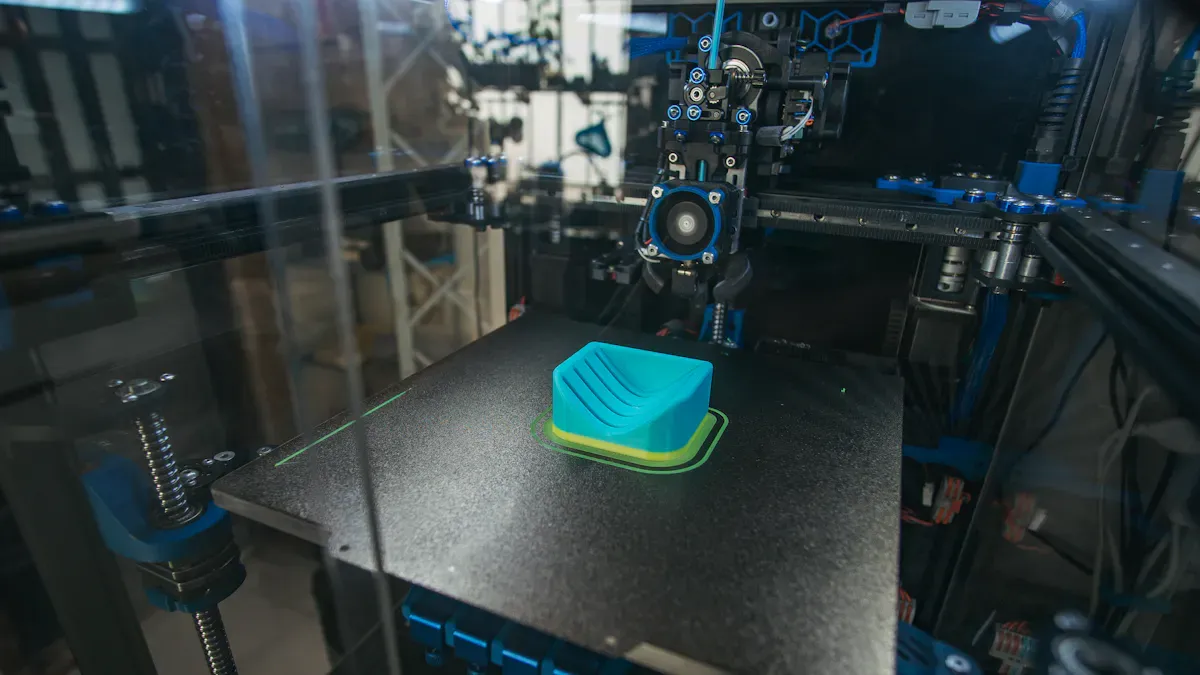
A large format 3d printer can make big cosplay props. You can print helmets and detailed costumes too. Many people like big volume 3d printing because it makes large shapes easy. These shapes are hard to make by hand. After printing, you can finish and paint your design fast.
3D printing helps you make things faster and more exact. It is quicker than old crafting ways. When your design is ready, you can print and paint it soon. 3D printing also lets you make tricky patterns for cosplay. Some shapes are hard to build by hand, but 3D printing makes them possible.
People use these printers to build armor and movie props. You can also make large models for display. 3d printing technologies help you create art and home decorations too.
Engineering and Prototyping
Engineers and designers use large format 3d printers to test ideas fast. You can print big prototypes in one piece. This means fewer weak spots and less time putting parts together. It saves you time and money.
- A bigger build volume lets you print large objects at once.
- You spend less time putting parts together, so they are stronger.
- You do not need molds, which saves money.
- You can try new designs quickly and see results in days.
- 3d printing technologies let you use many materials for projects.
Big companies like Adidas use large-format 3d printing for thousands of midsoles. You can test new products and improve designs faster than old ways.
Functional Parts and Multi-Part Projects
A large format 3d printer can make tools, molds, and working parts. These printers help you create large patterns and furniture. You can even make parts for cars or planes. You can print many pieces at once or make one big part.
- Large patterns
- Tools and molds
- Working prototypes
- End-use parts like furniture or car parts
Factories, aerospace, automotive, and energy fields use these printers. 3d printing technologies make complex shapes and strong parts easy. You can use the biggest print size for your project. This means you do not have to split your design into small pieces. Your work is faster and more reliable.
Tip: Always check the biggest print size before a big project. This helps you plan your prints and avoid problems.
Types of Large Format 3D Printers
When you want a large format 3d printer, you will see three main types. These are FDM, SLA, and SLS. Each one works in its own way and is good for different jobs. The table below shows how they are different in build volume, print quality, and material compatibility.
|
Technology |
Build Volume |
Print Quality |
Material Compatibility |
|---|---|---|---|
|
FDM |
Large volume objects with good precision |
Okay detail, slower for large prints |
PLA, ABS, PETG, TPU |
|
SLA |
Smaller build volume, ultra-fine resolution |
Very smooth and detailed parts, faster than FDM |
Special resins (standard, tough, flexible) |
|
SLS |
Complex geometries without support structures |
Balanced speed and quality |
Nylon powder (PA12, PA11) |
FDM Large-Format 3D Printer
FDM means Fused Deposition Modeling. This large format 3d printer melts plastic and builds things layer by layer. You can make big items like furniture, props, or car parts. FDM printers use many materials, such as PLA, ABS, PETG, and TPU.
Pros:
- Not expensive and simple to use
- Prints big things well
- Many materials to pick from
Cons:
- Not as detailed as other types
- Takes longer for very big prints
- Needs extra work after printing
SLA Large-Format 3D Printer
SLA stands for Stereolithography. This large format 3d printer uses liquid resin and a laser to make things. You get very smooth and detailed prints. SLA printers are best for models, art, and dental parts.
Pros:
- Very detailed and smooth prints
- Good for tricky shapes
- Fast for small, detailed jobs
Cons:
- Smaller build size than FDM
- Resin costs more money
- Not as many material choices
SLS Large-Format 3D Printer
SLS means Selective Laser Sintering. This large format 3d printer uses a laser to melt nylon powder into solid shapes. You can make strong, tricky parts without needing supports.
Pros:
- Makes tough parts that handle heat
- Prints hard designs easily
- Great for factories and big jobs
Cons:
- Costs the most to start
- Surface feels rough and needs extra work
- Only works with nylon powders
Each large format 3d printer type has its own good points. Think about your project and choose the one that fits your needs.
Practical Considerations for Large-Format 3D Printing
Maintenance and Support
If you have a large format 3d printer, you must take care of it. Doing regular checks helps your printer last longer and work well. The table below shows important maintenance jobs and why they matter:
|
Maintenance Task |
Importance |
|---|---|
|
Regular cleaning |
Stops dust and dirt from hurting prints or breaking parts. |
|
Firmware and software updates |
Makes your printer better and adds new features. |
|
Environmental control |
Keeps the temperature and humidity steady for good prints. |
|
Consumable management |
Makes sure you use good materials and do not run out. |
|
Regular checks on parts |
Lets you find worn parts early and change them before they break. |
You should also think about support for your large format 3d printer. Good support helps you fix problems and keep printing. Many companies give:
- Help with fixing printer problems
- Training at your place to teach you new things
- Maintenance plans to keep your printer working
- Replacement parts and warranty checks
- Software and drivers for easy printing
- Guides to help with common problems
Some companies even have a filament subscription or a parts promise. These services help you avoid long waits and keep your projects moving.
Buy vs. Outsource
You might wonder if you should buy a large format 3d printer or use a service. Sometimes, outsourcing is a smart idea. If you do not print often, you only pay when you need something made. You do not need to hire experts or worry about fixing the printer. The service company takes care of the hard parts for you.
Outsourcing also means you do not spend money on a printer or supplies right away. This can help you save money and worry less about repairs. But, you may wait longer for your prints because of shipping and setup.
Buy a large format 3d printer if you print many big things or want full control. If you only need a few prints each year, outsourcing is usually cheaper.
By learning about care, support, and when to outsource, you can make the best choice for your large format 3d printer needs.
When you pick a large format 3d printer, think about what you need and how much you can spend. Do not make mistakes by forgetting to check the build volume, print technology, or what materials the printer can use. Some features make printing easier, like heated beds and nozzles you can change. The table below shows which technology is good for different jobs:
|
Technology Type |
Key Benefits |
|---|---|
|
FDM |
Saves money and works for many things. |
|
SLA |
Makes models with lots of detail and accuracy. |
|
SLS |
Makes strong parts for testing and working. |
You should always read reviews and make a list before you buy a large format 3d printer.
Mistakes you should not make:
- Not checking if the build volume fits your project.
- Choosing the wrong print technology for your needs.
- Forgetting to check if the printer makes good parts or uses the right materials.
If you make a smart choice, your large format 3d printer will work better and give you good results.
FAQ
What is the biggest advantage of a large-format 3D printer?
You can print bigger objects in one piece. This saves you time because you do not need to glue parts together. You also get stronger and smoother models.
Do I need special software for large 3D printers?
Most large 3D printers work with popular slicing software like Cura or PrusaSlicer. You should check the printer’s manual to see which programs work best.
How much space do I need for a big volume 3D printer?
You need a sturdy table and extra room around the printer. Make sure you have at least 80x80 cm of space. Good airflow and ventilation help keep your prints safe and clean.
Can I use regular filaments or resins?
Many large 3D printers use standard filaments like PLA, ABS, or PETG. Some printers need special materials. Always check the printer’s guide before you buy supplies.
Is it hard to maintain a large-format 3D printer?
You need to clean and check your printer often. Wipe dust, update software, and look for worn parts. Good care helps your printer last longer and work better.