

You can start with big volume 3d printing by learning the basics and choosing the right tools. Big volume 3d printing lets you create objects that are much larger than standard prints. This technology works well for large-scale projects and makes mass production easier. The market for big volume 3d printing in construction is growing fast, with a projected value of $1.5 billion in 2024 and a 245.9% growth rate from 2019 to 2024.
- Focus on provider experience and always try batch testing before you scale up.
- Plan your project, pick the right material, and use smart slicing strategies for the best results.
Big volume 3d printing is easier than you might think when you follow these steps.
Key Takeaways
- Big volume 3D printing helps you make big things in one piece. It saves time and money compared to old ways.
- Pick the right materials and printers that match your project size. This gives you the best results.
- Get your 3D models ready with care. Check for mistakes and use smart slicing settings. This makes prints better and stops problems.
- Try printing small batches first before making many. This checks quality and stops expensive errors.
- Keep your workspace safe and neat. Watch your prints closely. Follow steps after printing to finish strong and tough parts.
Big Volume 3D Printing Basics
What Is Big Volume 3D Printing?
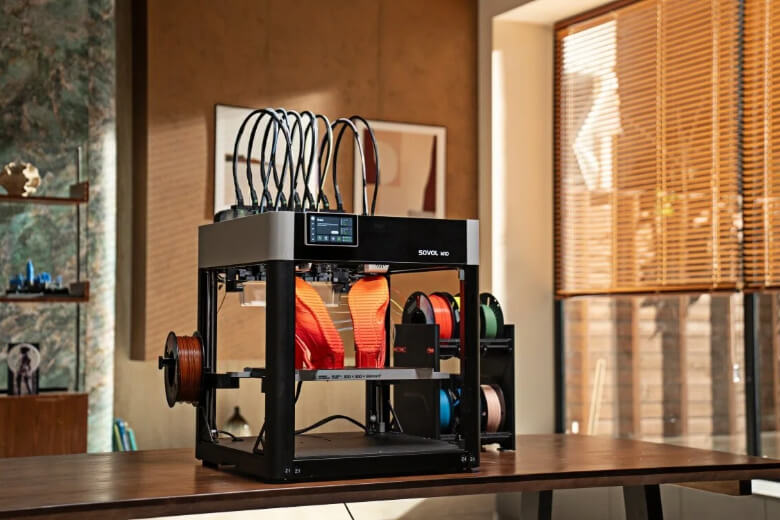
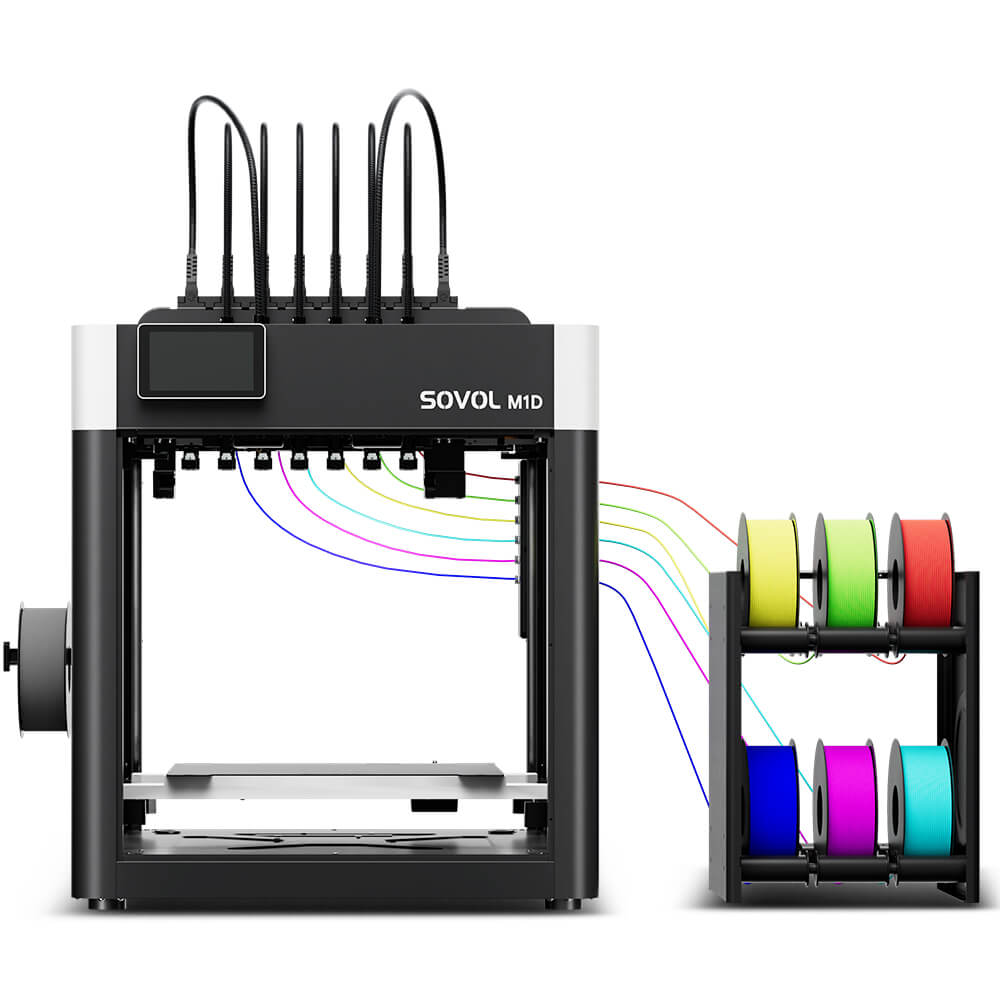
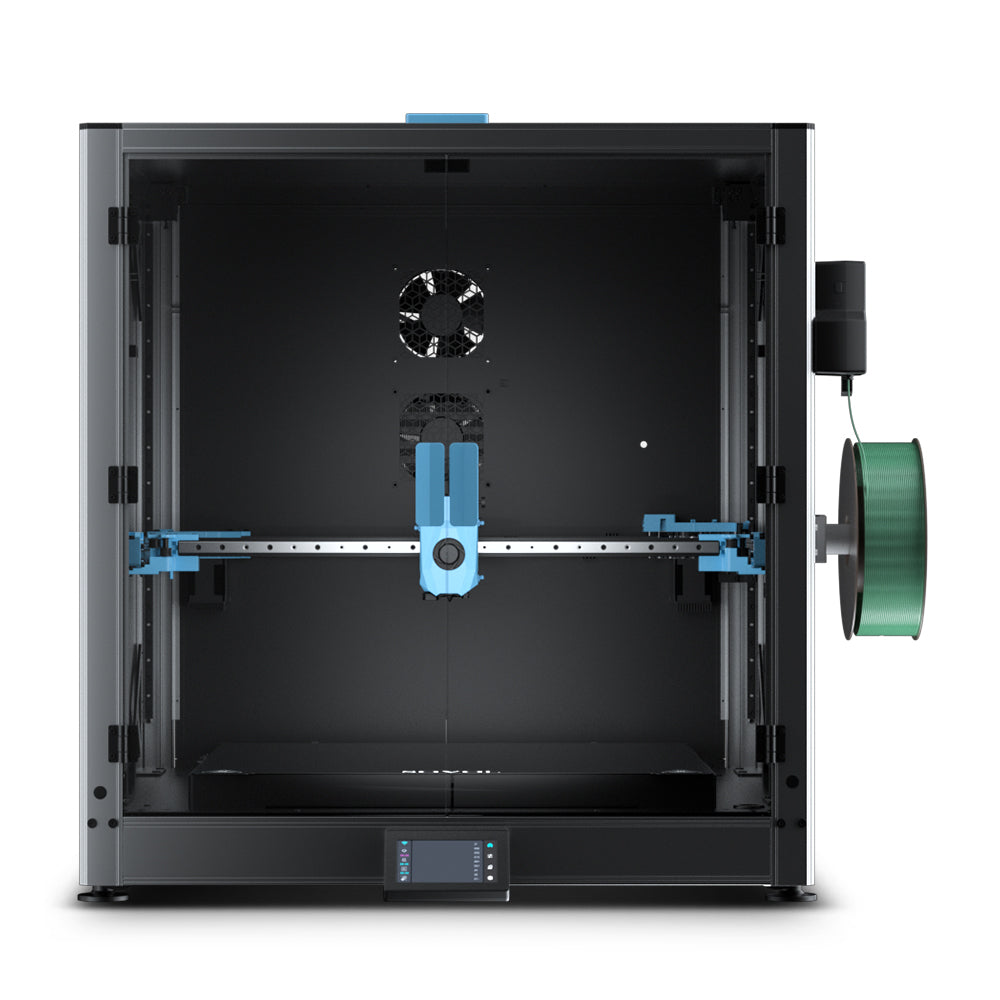
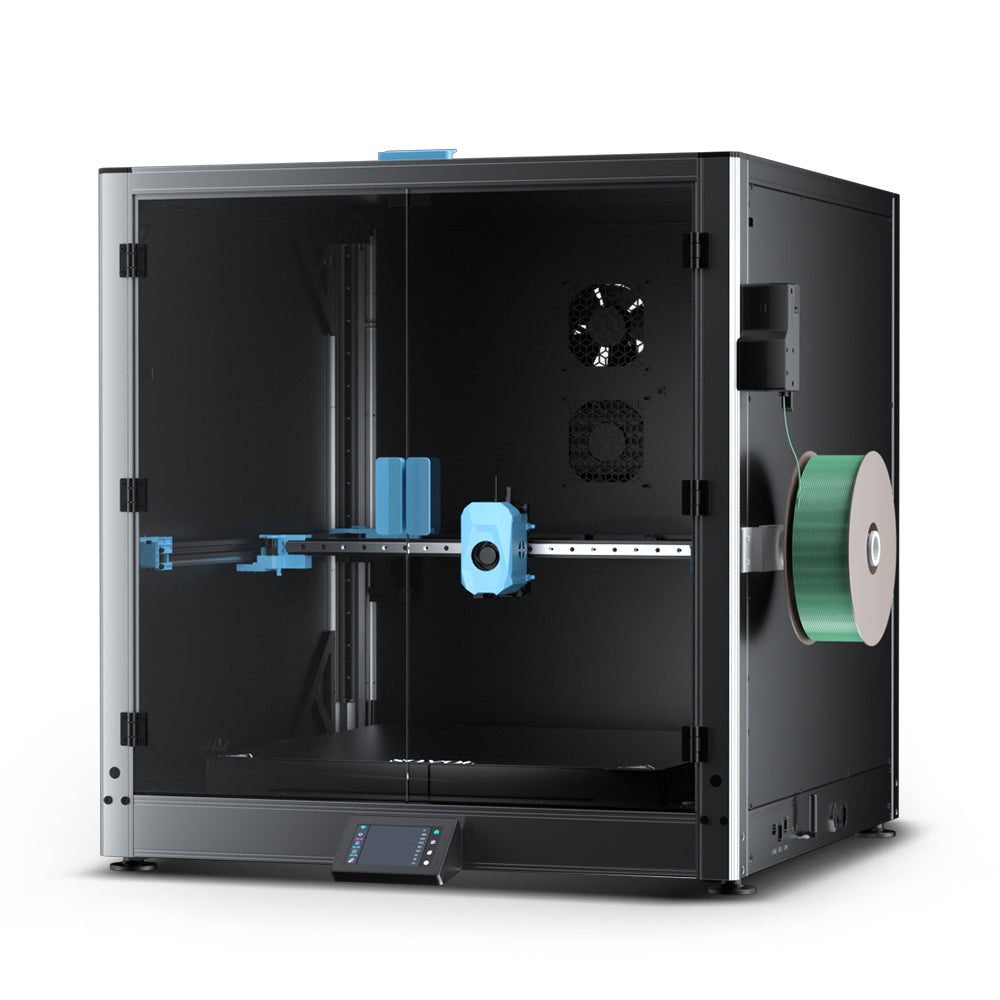
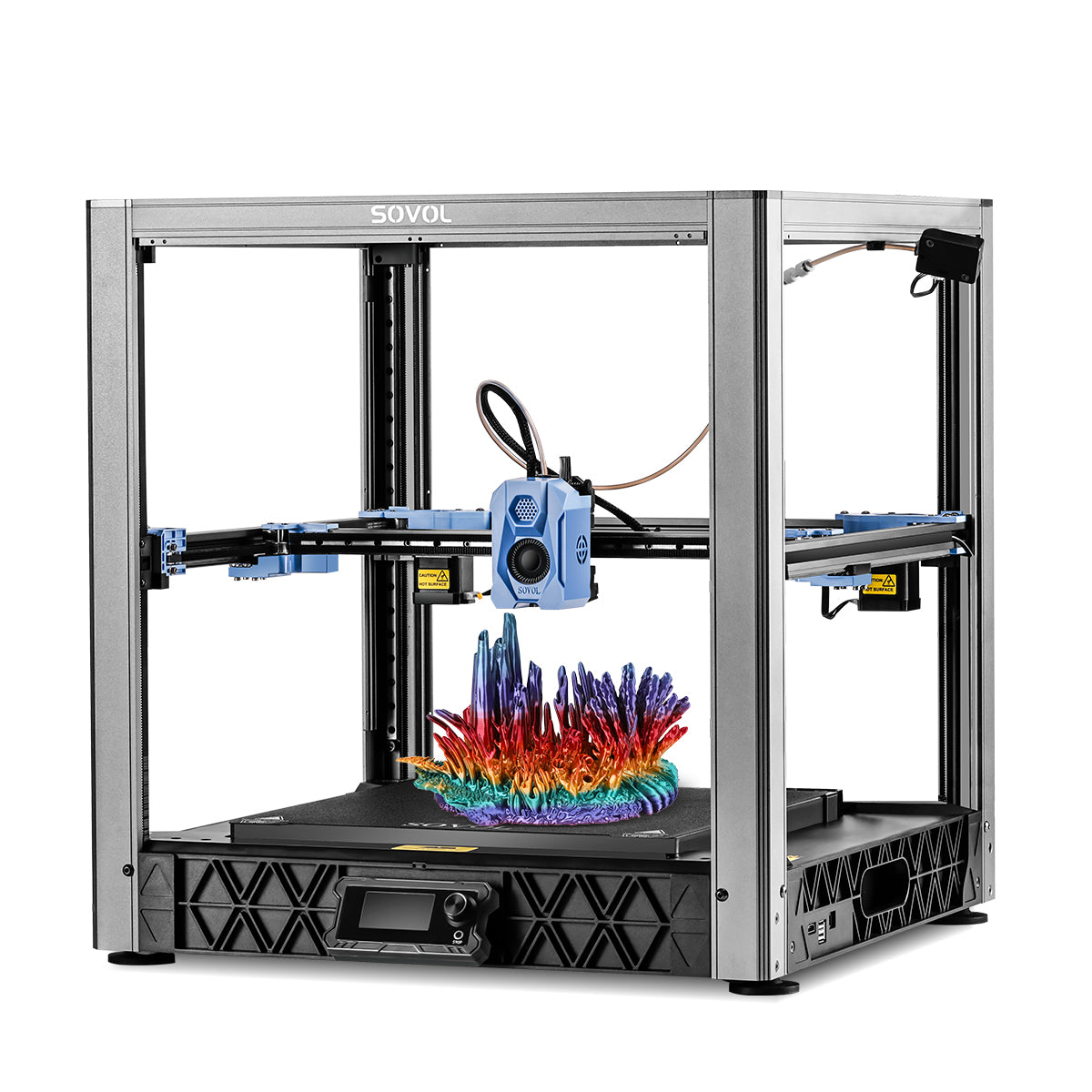
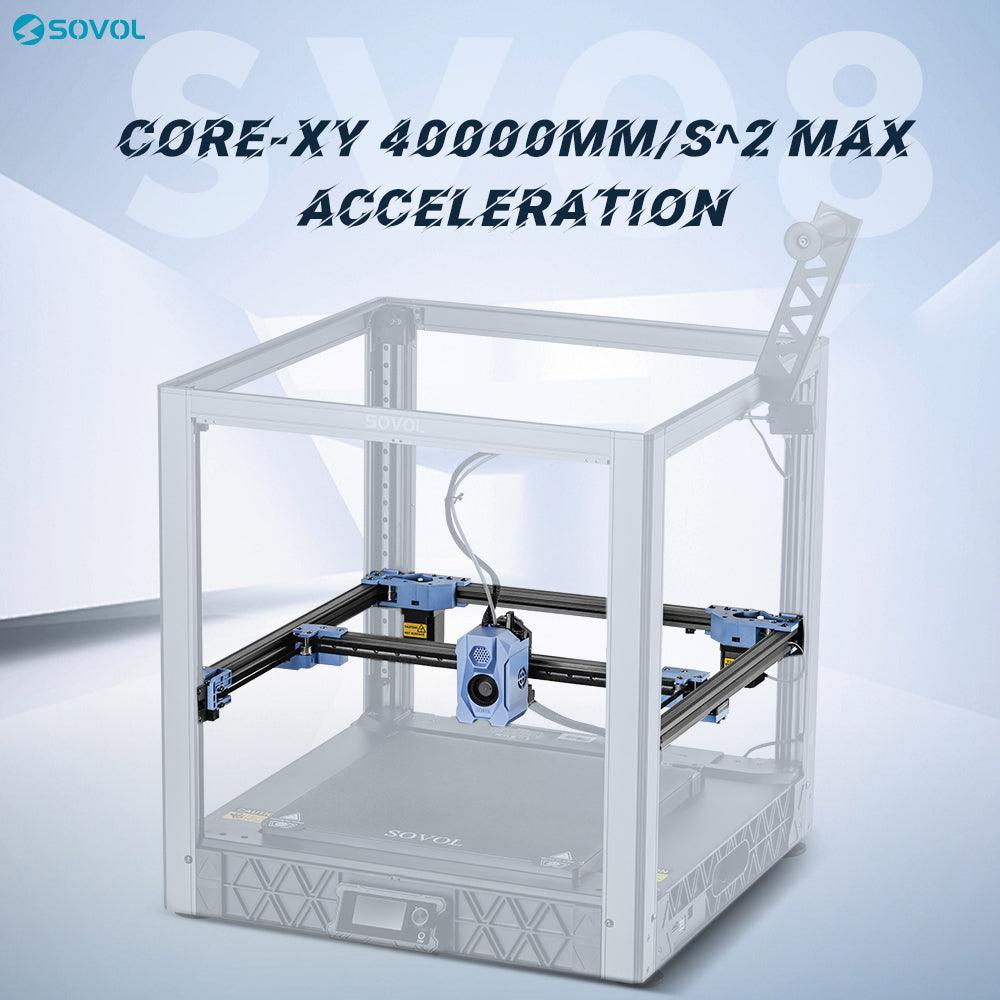
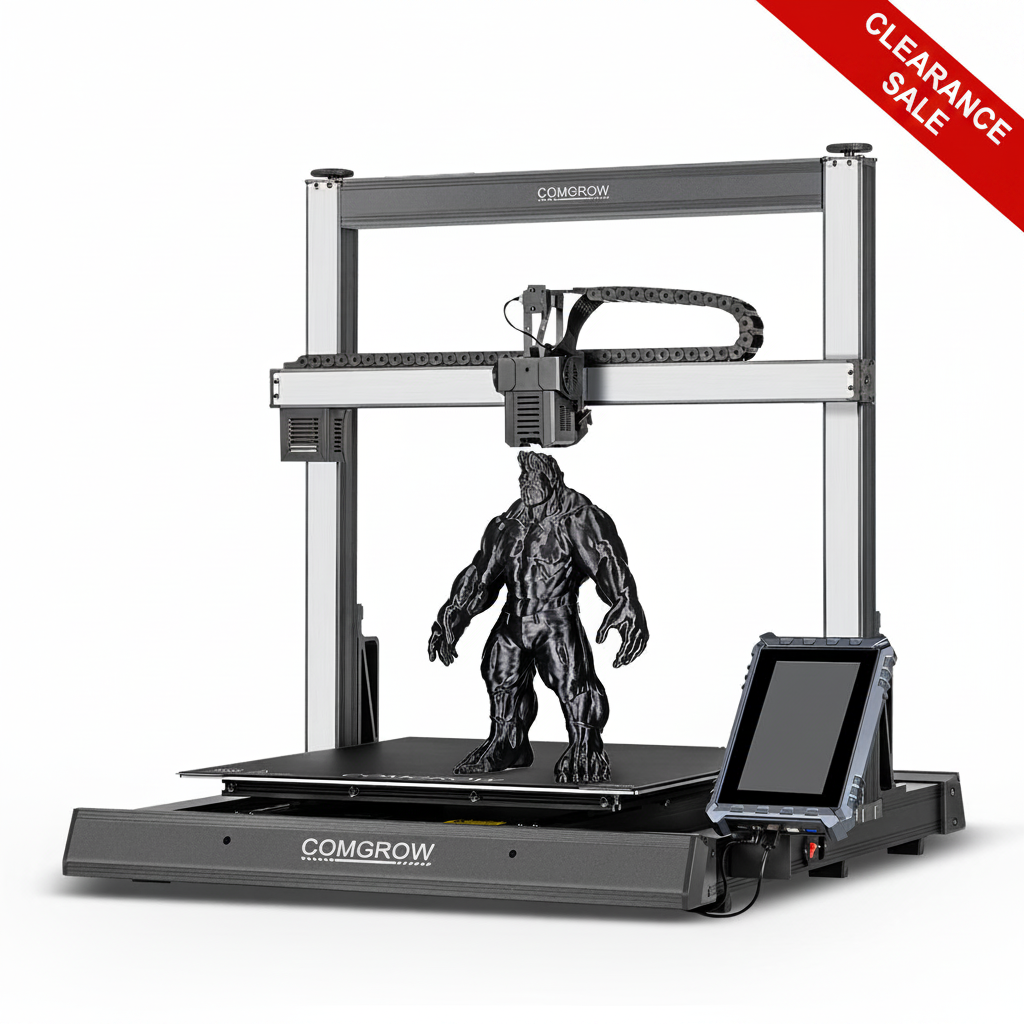
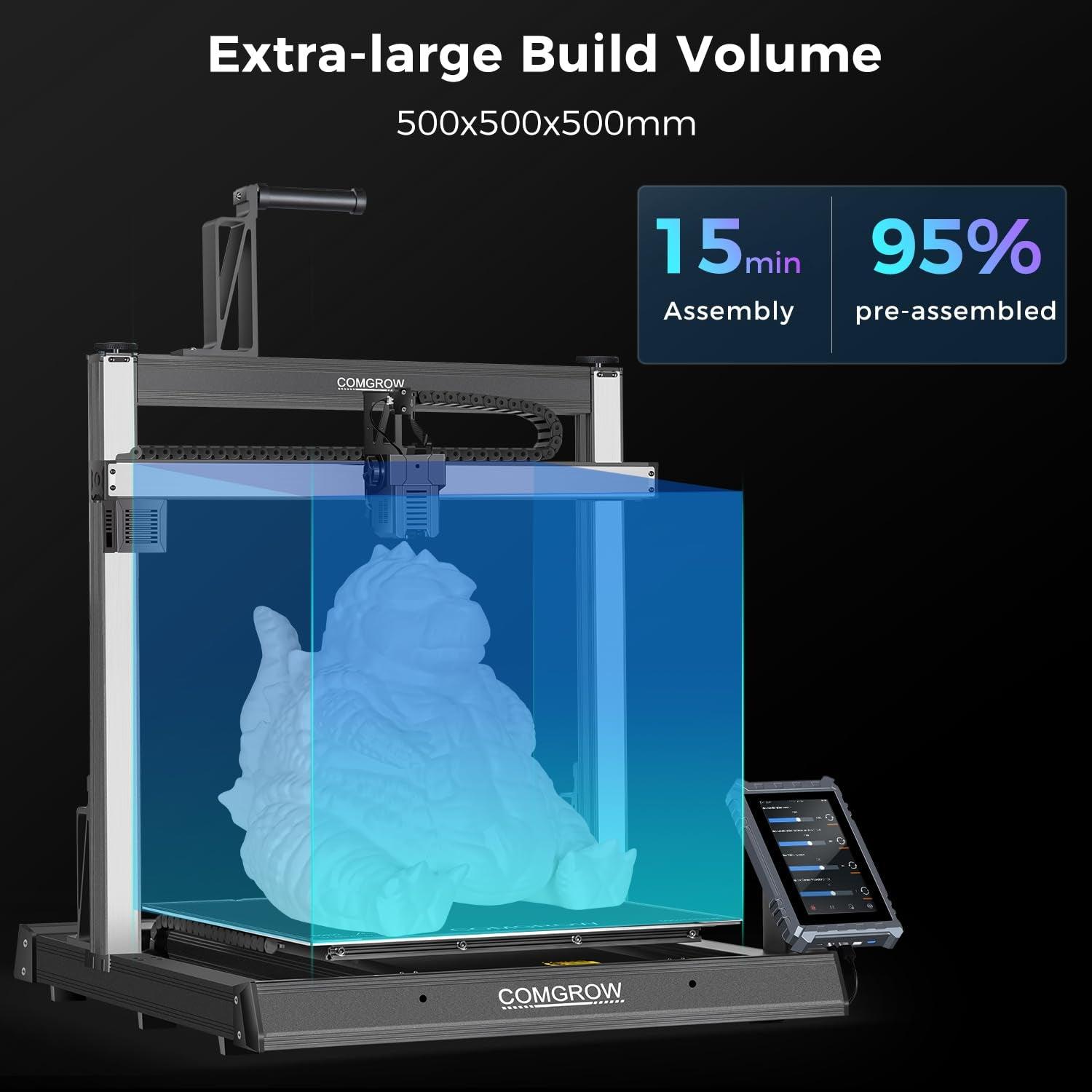
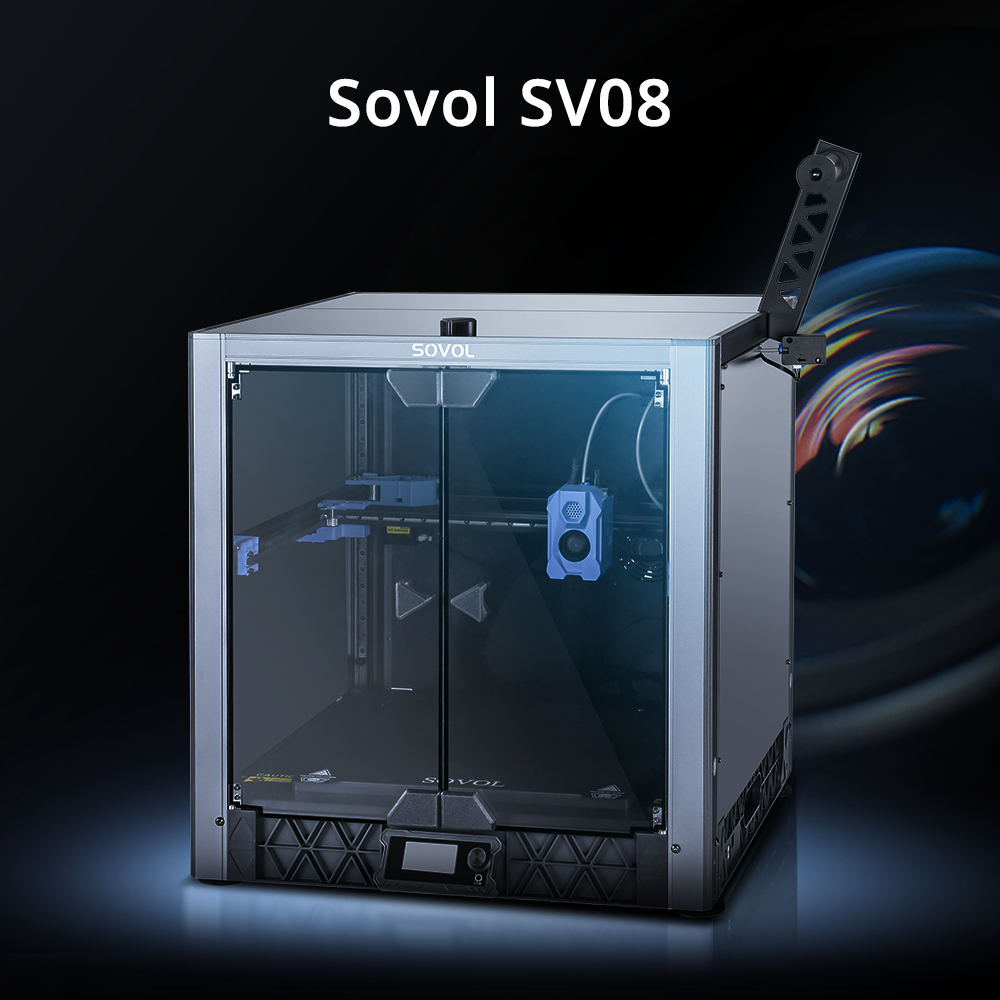
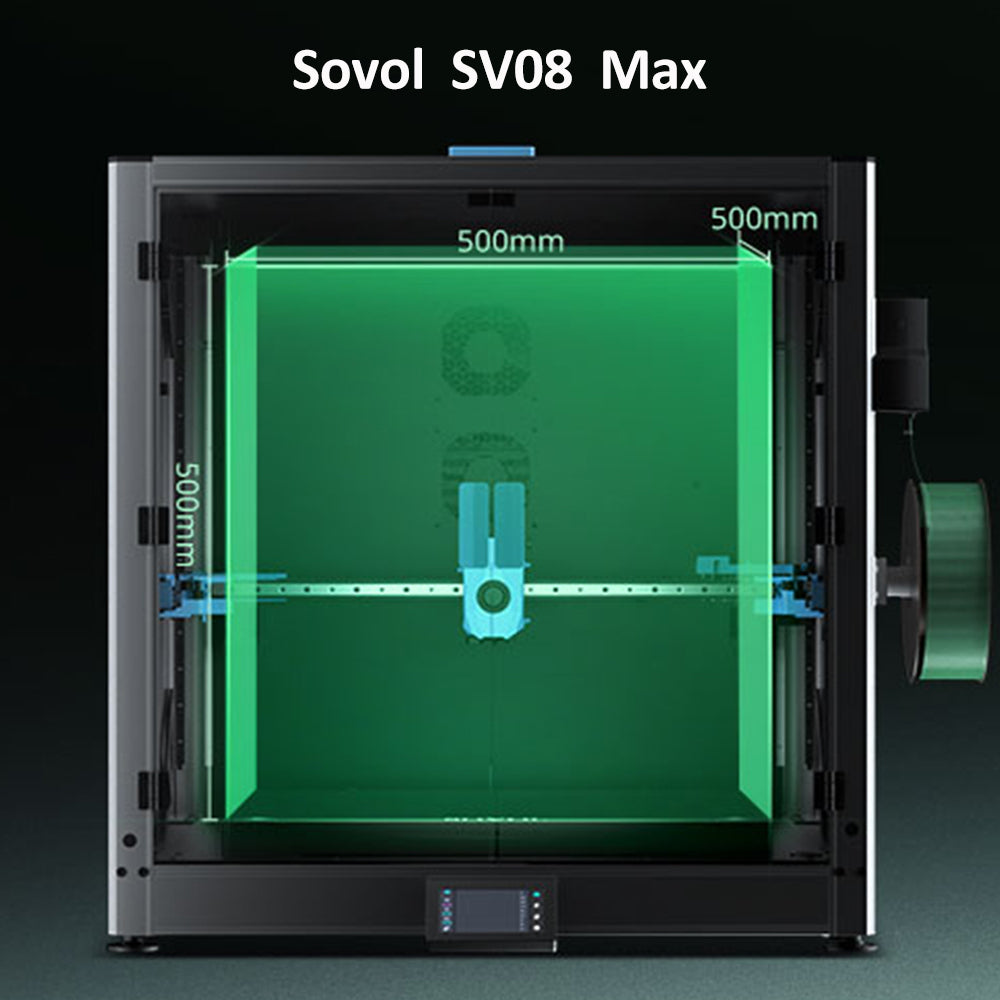
You use big volume 3d printing when you want to make objects much larger than what standard printers can handle. This process lets you create big 3d prints in one piece, which means you do not need to join many small parts together. Large format 3d printing uses machines with a bigger build area, so you can print objects up to 500×500×500mm in size. You can use this technology for 3d printing large scale objects like furniture, sculptures, or even parts for cars.
Benefits for Large 3D Projects
Big 3d prints give you many advantages for large 3d projects. You can print complex shapes that are hard to make with traditional methods. You do not need expensive molds or tools, so you save money and time. You can also make lightweight lattice structures, which are useful in cars and planes. When you use large format 3d printing, you can cut costs by up to 75% and reduce production time by half. For example, companies have used 3d printing to make thousands of shoe parts quickly and at a lower cost.
Tip: Printing large objects in one piece means less assembly and stronger parts.
Common Applications and Scale
You can use big 3d prints for many types of objects. Here are some common uses:
- Home and furniture: Custom chairs, tables, and decorations.
- Cosplay and props: Full-size helmets and armor.
- Prototyping and engineering: Test ideas with real models.
- Art and sculpture: Detailed and large designs.
- Automotive: Lightweight panels and custom parts.
- Architecture and education: Building models and room layouts.
Large format 3d printing lets you make objects that fit your needs, whether you want a single item or many copies.
Challenges and Limitations
Big 3d prints come with some challenges. Large objects take more time to print, and you need to check for errors often. The printer’s size limits how big your objects can be. Sometimes, you lose detail when you scale up. Material choice affects the strength and cost of your objects. Common materials include:
- Thermoplastics like ABS and PLA
- Concrete for construction
- Metal powders for industry
- Composite materials for extra strength
You may face problems like warping, layer shifts, or inconsistent results. Post-processing can take a lot of work, and failure rates can be high if you do not monitor the process.
Choosing Large Format 3D Printing Services
Service Provider Experience and Quality
You should check if a large format 3d printer service is good. Look for companies that have done big volume 3d printing before. Ask them about their certificates and how they check quality. Some top companies have ISO 9001:2008 or ISO 9001:2015 certificates. These show they follow strict rules for quality. If you work in medical, cars, or planes, look for ISO 13485, IATF 16949:2016, or AS9100D.
Here is a table to help you compare providers:
|
Criteria |
Description |
|---|---|
|
Technology & Material Portfolio |
Wide range of 3D printing methods and materials |
|
Quality & Accuracy |
Certifications, tight tolerances, and strong quality checks |
|
Expertise & Support |
Design help and technical support |
|
Pricing & Transparency |
Clear prices and no hidden fees |
|
Lead Times & Logistics |
Reliable delivery and fast turnaround |
|
Post-Processing Capabilities |
Finishing services like sanding, painting, or assembly |
|
Communication & Responsiveness |
Quick replies and regular updates |
|
Online Platform & User Experience |
Easy order management and file uploads |
Build Volume and Printer Types
Pick a large format 3d printer that fits your project size. Build volume tells you how big your print can be. Most large printers start at 500 × 500 × 500 mm. Some go up to 1500 × 1500 × 2000 mm. The main types are FDM, SLA, and SLS. FDM is good for big objects and uses plastics like PLA or ABS. SLA gives smooth prints but is smaller. SLS makes tricky shapes and uses nylon powder.
|
Technology |
Build Volume |
Print Quality |
Material Compatibility |
|---|---|---|---|
|
FDM |
Large, up to 1500 mm |
Good detail, slower |
PLA, ABS, PETG, TPU |
|
SLA |
Smaller, ultra-fine |
Very smooth, high detail |
Special resins |
|
SLS |
Medium to large |
Balanced speed and quality |
Nylon powder (PA12, PA11) |
Tip: Use a 3d printer for large objects if you want to print big parts all at once.
Material Compatibility and Options
Choose materials that match what your project needs. A large format 3d printer can use many types. PLA is simple and good for easy models. ABS and PETG are strong and used for tough jobs. Nylon is used a lot in factories. For extra strength, try composites like carbon fiber or fiberglass. Some printers use special materials like ULTEM 9085 for planes or Onyx FR for high heat.
- PLA: Easy to use, good for beginners
- ABS: Strong and tough
- PETG: Durable and flexible
- Nylon: Used in many industries
- TPU: Stretchy and flexible
- Composites: For extra strength
FDM materials cost less than SLA resins. Buying a lot at once can save money.
Batch Testing Before Mass Production
Order a small or medium batch before making lots of parts. This helps you check if the quality is good and if the provider is right for you. During batch testing, check things like material strength and part size. Some companies use tests that do not break the parts. Watching the process in real time helps catch problems early.
Note: Batch testing helps you avoid mistakes and makes sure your large format 3d printer gives you what you want.
How to 3D Print Large Objects Successfully
Model Design and File Preparation
You need to start with a strong model when 3d printing large objects. Good preparation helps you avoid problems like missing faces or poor resolution. These issues can cause geometric errors and may even lead to your print job being rejected or costing more. Always check your model for errors before you send it to the printer.
Follow these steps to prepare your files:
- Plan the orientation of your model. Sometimes, you need to split large models into smaller parts with alignment features.
- Make sure your printer bed is level and the first layer sticks well.
- Use a heated bed and an enclosure to control temperature and stop warping.
- Pick the right material for your project.
- Adjust slicing settings like layer height and infill to match your needs.
- Plan for post-processing, such as sanding, gluing, or reinforcing.
You can use this table to see how orientation affects your print:
|
Orientation |
Support Density |
Dimensional Accuracy |
Distortion |
Surface Finish |
|---|---|---|---|---|
|
0° |
High |
Low |
High |
Poor |
|
45° |
Moderate |
High |
Low |
Good |
|
90° |
Low |
Moderate |
Moderate |
Fair |
Slicing Strategies for Large Prints
Slicing is the process where you turn your 3D model into layers for the printer. When you work with 3d printing large objects, slicing settings can make a big difference in print time, cost, and quality.
You should look at these slicing strategies:
- Check material use and print time before you start.
- Try different infill and layer settings to see what works best.
- Use the preview in your slicer to catch errors early.
Layer height is important. Thinner layers give you a smoother finish and better detail. Thicker layers make your print stronger and faster, which is good for big prints where you do not need fine details. Infill settings control the inside structure of your print. Higher infill makes your object stronger. Lower infill saves material and time.
Here is a table to help you choose the best settings:
|
Parameter |
Risk if Ignored |
|
|---|---|---|
|
Layer Height |
0.28–0.4 mm (or adaptive) |
Excessive print time or rough surface |
|
Infill |
10–20% with strong wall count |
Wasted material or weak internal support |
You can also pick different infill patterns:
|
Infill Pattern |
Characteristics |
Cost Impact |
|---|---|---|
|
Grid |
Works for most jobs and is strong |
Good balance of cost and speed |
|
Honeycomb |
Very strong but takes more time |
Great for strong parts, uses less material |
|
Lines |
Fastest and good for display models |
Lowest cost, not for strong parts |
|
Gyroid/Gradient |
Only puts material where needed |
Saves time and money, very efficient |
Splitting and Assembling Large Parts
Sometimes, your printer cannot fit the whole model. You need to know how to 3d print large objects in pieces. Splitting your model lets you print each part and then put them together. This method is common when 3d printing large objects that are bigger than your printer’s build area.
You can split your model in two main ways:
|
Method |
Description |
Advantages/Considerations |
|---|---|---|
|
Add Aligners |
Use slots, pins, or grooves to help line up parts during assembly |
Makes assembly easier but needs accurate printing |
|
Use Straight Cuts |
Split the model along straight lines |
Simple and works well even if prints are not perfect |
For better assembly, you can use these tips:
- Add dowel holes or keyed joints to stop parts from rotating.
- Use internal ribs that overlap across segments for stronger bonds.
- Make sure seams are stronger than the rest of the part.
- Add reinforcement rods or threaded inserts for heavy loads.
- Combine dowels with epoxy for a strong hold.
Tip: Always test-fit your parts before final assembly. This step helps you catch mistakes early.
Workspace, Safety, and Logistics
You need a safe and organized space for 3d printing large objects. Big printers take up a lot of room and need special care.
Here are some key points for your workspace:
- Make sure you have enough space for the printer, tools, and materials.
- Keep your area clean and tidy.
- Wear safety glasses or a face shield to protect your eyes.
- Do not eat or drink near the printer.
- Use gloves and a respirator when working with chemicals or resin.
- Follow all safety instructions for your materials.
- Keep the area safe from static electricity, especially when printing with metal.
- Have a Class D fire extinguisher nearby and know how to use it.
- Put up safety signs and labels for hazards and emergency gear.
Good airflow is important. Change the air in your workspace at least six times every hour. Use inline fans and vent air outside to remove fumes. Make sure your electrical system can handle the power needs of your printer. Use surge protectors to keep your equipment safe.
Enclosures help keep the temperature stable and stop warping. They also block dust and drafts, which can ruin your print. A controlled environment helps layers stick together and gives your models a smooth finish.
Safety First: Always follow safety rules when working with big printers and materials.
If you follow these steps, you will know how to 3d print large objects with fewer problems. You will also learn how to print large 3d objects even if your printer is not big enough. With the right setup, you can master 3d printing large objects in pieces and create strong, high-quality results.
Post-Processing and Finishing at Scale
Monitoring and Troubleshooting Large Prints
You need to watch your printer closely when printing large parts. Problems can happen at any stage. If you see layer shifts, warping, or under-extrusion, pause the print and fix the issue right away. Use a camera or remote monitoring tool to check progress if you cannot stay near the printer. Large-scale parts often take many hours or even days to finish, so regular checks help you catch errors before they waste time and material.
Quality control is very important. You should measure your part to make sure it matches your design. Check the surface for rough spots or gaps. Test the strength of the part if it needs to hold weight or handle stress. For some projects, you may need to test for UV or chemical resistance.
Assembly and Bonding Techniques
Many big prints need assembly. You may need to join several pieces together if your printer cannot make the whole part in one go. Use alignment pins, dowels, or keyed joints to help parts fit together. For bonding, try strong adhesives like epoxy or special plastic welders. Some people use screws or bolts for extra strength. Always test-fit your pieces before gluing or fastening them.
If you want a strong bond, sand the joining surfaces first. Clean off dust and oil. Apply glue evenly and press the parts together until they set. For very large-scale parts, you can add reinforcement rods or brackets inside the joints.
Finishing Large Format Prints
Post-processing makes your prints look and work better. Here are the most common steps:
- Remove support structures to clean up the print.
- Sand the surface to smooth out rough areas.
- Use chemical smoothing for materials like ABS.
- Paint or coat the part to improve looks and durability.
- Fill holes and reinforce weak spots.
- Cure or heat-treat the part for better strength.
Larger and more complex prints take more time and cost more to finish. Simple models may only need a few hours, but advanced projects can take a whole day or more. You may need special tools or materials for the best results.
Tip: Always check your finished part for size, surface quality, and strength before using it.
You can achieve great results with big volume 3D printing by following a few simple steps. Start with careful planning and choose the right material for your project. Use a large format 3D printer and test small batches before scaling up. Fine-tune your settings and keep a record of your print parameters. Print slowly at first and watch your printer closely. For large scale 3D printing, focus on safety and post-processing. If you stay patient and keep learning, you will master big volume 3D printing.
FAQ
What is the difference between big volume 3D printing and regular 3D printing?
Big volume 3D printing uses a large format 3D printer to make much bigger objects than standard printers. You can print furniture, car parts, or art pieces in one piece. Regular 3D printers work best for small models.
How do you choose the right material for large scale 3D printing?
You should match the material to your project’s needs. PLA works for simple models. ABS and PETG give you more strength. Nylon and composites help with industrial parts. Always check if your large format 3D printer supports the material.
Can you print very large objects if your printer is small?
Yes, you can split your model into smaller pieces. Print each part separately. Use alignment pins or glue to assemble the parts. This method lets you create large scale 3D printing projects even with a smaller printer.
How do you avoid print failures with big volume 3D printing?
You should check your model for errors before printing. Watch the printer during the job. Use batch testing to catch problems early. Good planning and regular monitoring help you avoid wasted time and materials.
What safety steps should you follow when using a large format 3D printer?
Wear safety glasses and gloves. Keep your workspace clean. Make sure you have good airflow. Follow all safety instructions for your printer and materials. Always keep a fire extinguisher nearby.