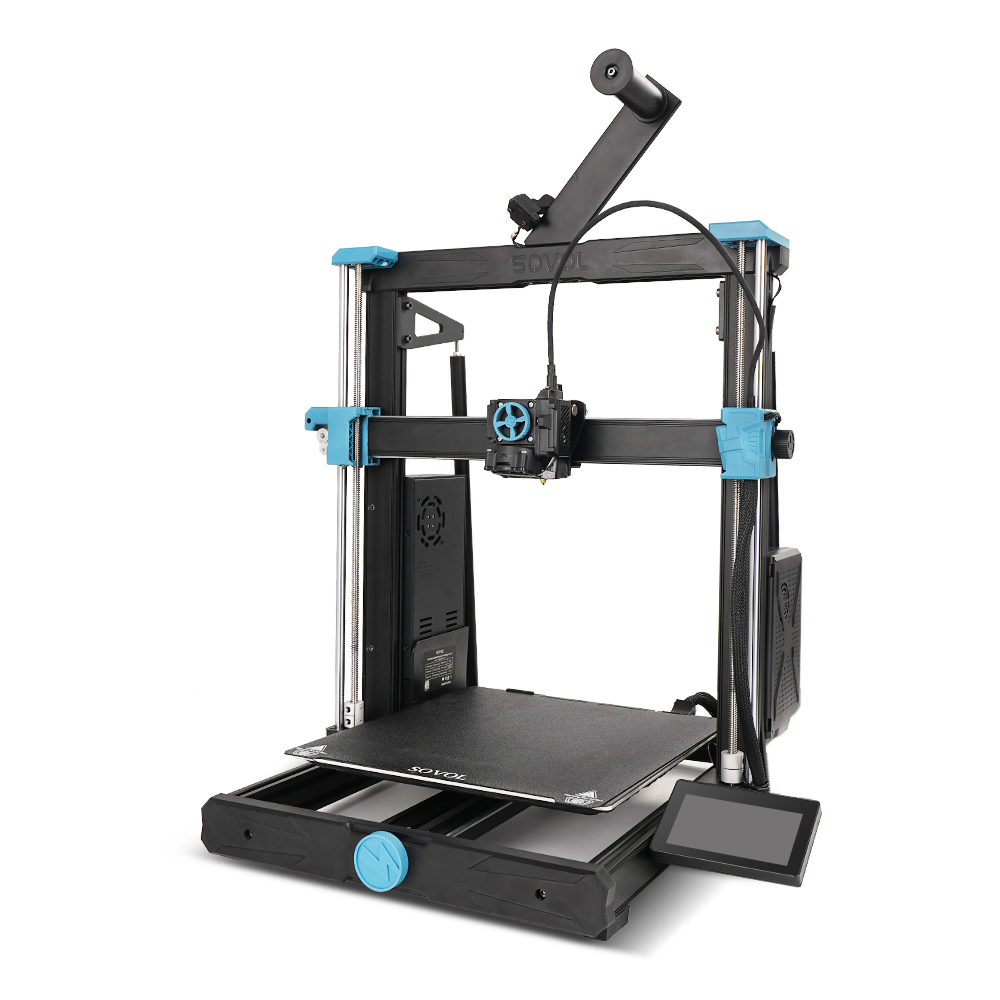
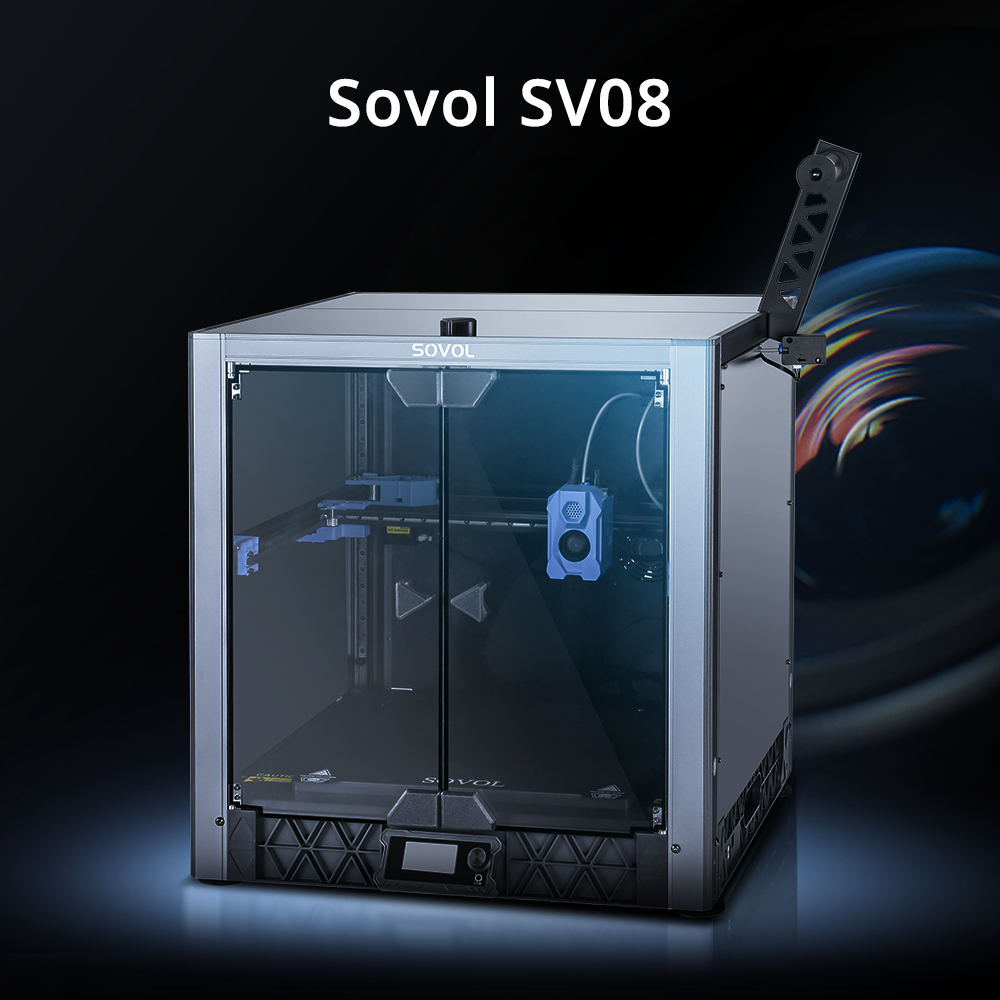
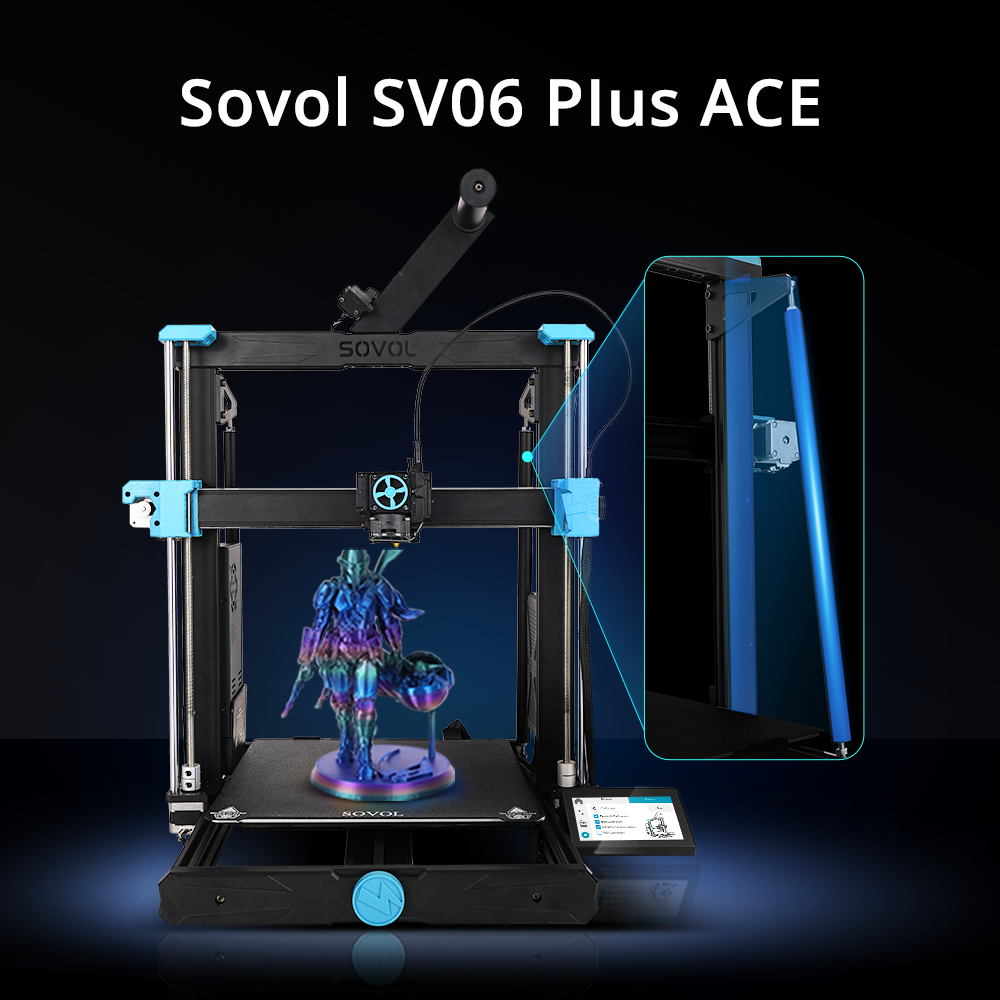


You want to know how to speed up 3d printing without making your prints look bad. Small tweaks in slicer settings help you save hours on each project. Try changing layer height or print speed to see instant results. These tips work for beginners and do not require advanced skills. You can easily boost your printer’s speed and finish jobs faster.
Key Takeaways
- Increase layer height to save time. Thicker layers mean fewer passes, reducing print time by about 34%.
- Use a larger nozzle for faster prints. A 0.6 mm or 0.8 mm nozzle allows thicker lines and higher layers.
- Lower infill density to cut print time. Set infill between 30% and 40% for a good balance of speed and strength.
- Choose fast infill patterns like lines or zig-zag. These patterns print quicker and maintain strength.
- Combine multiple objects in one print. This reduces setup time and keeps the printer from cooling down between jobs.
Quick Wins to Speed Up 3D Printing
Increase Layer Height
You can save a lot of time by increasing the layer height in your slicer settings. Thicker layers mean your printer needs fewer passes to build up the same object. For most prints, you do not need the finest detail. If you use a larger layer height, you can finish prints much faster.
On average, increasing layer height can reduce print time by about 34% when you do not use ironing techniques.
Try starting with a layer height of 0.2 mm or 0.28 mm for standard prints. This setting works well for most projects that do not need tiny details.
Use Larger Nozzle
Switching to a larger nozzle is another way to speed up your prints. A bigger nozzle lets you print thicker lines and higher layers, which means fewer passes and less time.
Here is a quick look at the pros and cons:
|
Advantages |
Disadvantages |
|---|---|
|
Ideal for printing at higher speeds |
Unappealing finishing due to visible layers |
|
Enables printing of larger layers |
Can require an upgrade of the whole hot end |
|
Produces more powerful parts |
Lower print speeds will be required if the hot end cannot heat bigger volumes |
If you want to know how to speed up 3d printing, try a 0.6 mm or 0.8 mm nozzle for bigger, faster prints.
Lower Infill Density
Reducing infill density is a simple way to cut print time. Most prints do not need to be solid. You can set infill between 30% and 40% for a good balance of speed and strength.
- This range saves material and time.
- It keeps your print strong enough for most uses.
- Only use higher infill (above 50%) if you need extra strength, as it will take much longer to print.
Choose Fast Infill Patterns
Some infill patterns print faster than others. Patterns like lines or zig-zag use fewer movements and finish quicker than complex ones like gyroid or cubic.
Tip: Try using the "lines" or "rectilinear" pattern for most projects. These patterns help you reduce 3d printing time without losing much strength.
By making these quick changes, you can finish prints faster and spend less time waiting for your projects.
Print Speed Settings
Adjust Print Speed vs. Quality
You can make your 3D printer work faster by changing the print speed in your slicer settings. Print speed tells your printer how quickly to move while laying down material. If you want faster 3d printing, you need to find the right balance between speed and quality. Printing too fast can cause rough surfaces or weak parts. Printing too slow wastes time.
Most slicer settings let you choose a speed for each material. Here is a simple table that shows recommended speeds for common materials:
|
Material |
Recommended Speed (mm/s) |
|---|---|
|
PLA |
50-60 |
|
ABS |
40-50 |
|
PETG |
40-50 |
|
Nylon |
Slower than 40 |
|
Carbon Fiber |
Slower than 40 |
You can optimize print speed by testing small changes. Use test prints to see how your printer handles faster settings. This helps you reduce 3d printing time without losing quality.
Tweak Acceleration and Jerk
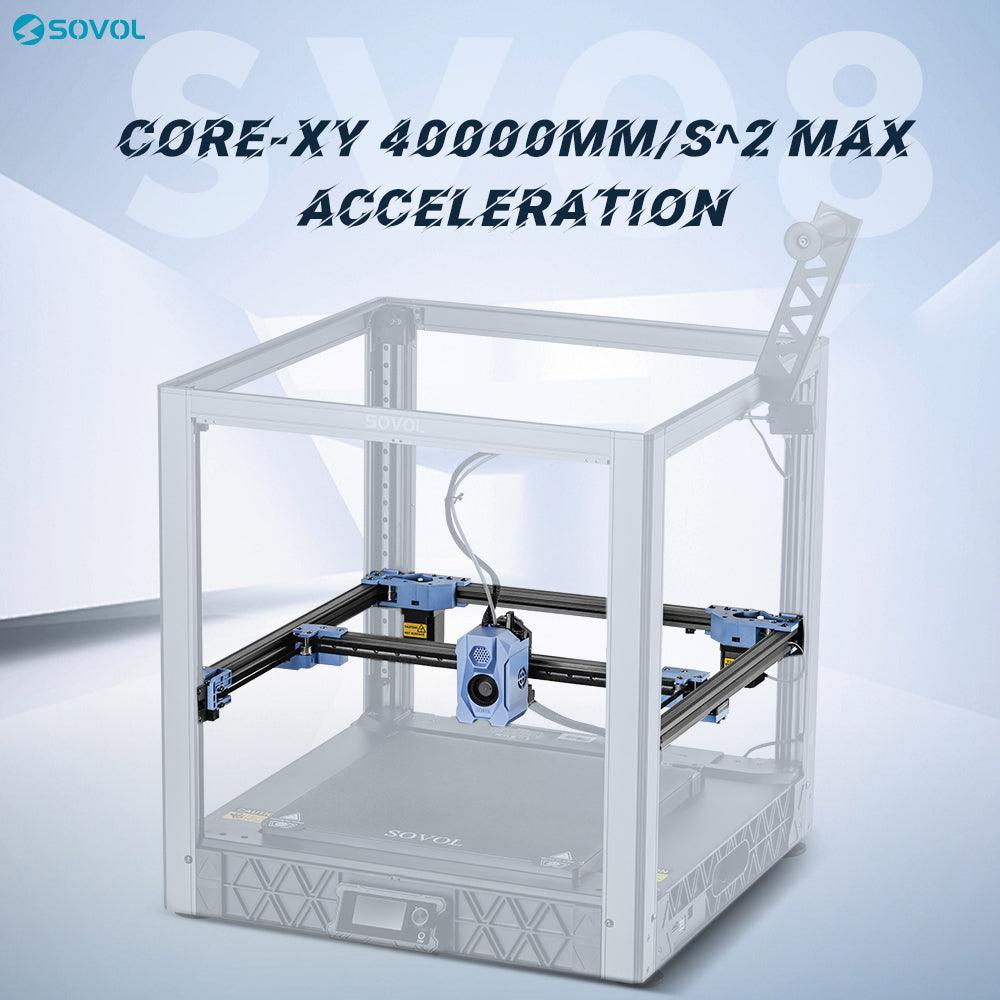
Acceleration and jerk settings control how quickly your printer changes direction and speed. If you set these values higher, your printer moves faster between points. This can help you reduce unnecessary movements and optimize print speed.
- Acceleration: Controls how fast the printer ramps up to full speed.
- Jerk: Sets how quickly the printer starts moving from a stop.
You can find these settings in your slicer or printer firmware. Try increasing acceleration and jerk in small steps. If you hear loud noises or see print defects, lower the values. Many printers work well with acceleration between 1000 and 2000 mm/s² and jerk between 8 and 12 mm/s.
Note: Always check your printer’s manual before changing these settings. Some machines have limits to protect hardware.
By adjusting print speed, acceleration, and jerk, you can optimize slicer settings for faster prints. You save hours and keep your prints looking sharp.
How to Speed Up 3D Printing by Reducing Print Time
Minimize Supports
Supports help you print overhangs and bridges. But they also make your print take longer. If you want to speed up 3d printing, try to use fewer supports. You can turn your model or split it into smaller pieces. This way, you do not need as many supports.
- Using less supports can save a lot of time, especially for big prints.
- The printer head moves less, so you can save hours or even days on large jobs.
You can also change support settings in your slicer. Try lowering the support density or use support blockers where you do not need extra help. Some slicers let you pick support patterns that are easy to remove and print faster. Always look at the preview in your slicer to see where supports will be. This step helps you save time and material.
Tip: Turn your model so flat sides face down. This small change often means you do not need supports.
Combine Objects in One Print
Printing many objects at once can help you save time. This is good if you have lots of small parts. When you print objects together, your printer does not need to heat up and cool down for each job. You also spend less time setting up and cleaning up.
Here is a table that shows the good and bad sides of printing objects together:
|
Advantage |
Description |
|---|---|
|
Enhanced Design Flexibility |
Lets you make different parts work well together. |
|
Improved Manufacturing Efficiency |
Fewer steps to put things together, so you save time and make fewer mistakes. |
|
Optimized Material Properties |
You can mix materials for better results in things like cars and medical tools. |
|
Disadvantage |
Description |
|---|---|
|
Longer Print Times |
The printer takes more time to switch filaments. |
|
Increased Waste |
Cleaning out old material makes more waste. |
|
Setup Complexity |
You need to set things up carefully to stop materials from mixing. |
|
Material Compatibility |
Only works if materials melt at close temperatures. |
|
Higher Costs |
You may spend more money and need to be careful when handling. |
If you want to speed up 3d printing, try putting similar objects together. Place them close on the build plate. This setup cuts down travel moves and uses your printer’s time better. Always check if your printer can fit all the objects and use the right materials before you start.
Optimize Travel and Retraction
Travel and retraction settings control how your printer moves between parts. If you do not set these right, your printer wastes time moving back and forth. It can also leave stringy plastic between features.
- Stringing happens when melted filament leaks during travel, leaving thin plastic lines.
- Stringing can be caused by high temperature, wrong retraction settings, slow travel, wet filament, or bad cooling.
- You can fix stringing by learning about your material and changing temperature, retraction distance, and speed.
To get better travel and retraction, make travel speed faster and adjust retraction distance in your slicer. Use test prints to find the best settings for your printer and filament. Fast travel and good retraction help you print faster and make your prints look better.
Note: Always keep your filament dry and your nozzle clean. These steps help you stop stringing and keep your prints looking nice.
By using these slicer settings and print tips, you can cut print time without losing quality. These ideas show you how to speed up 3d printing and finish your projects sooner.
Advanced Slicer Features for Faster Prints
You can make your 3D printer work faster by using special slicer features. These tools help you print quicker and keep good quality. Many new high-speed 3D printers use these features to get great results.
Adaptive Layer Heights
Adaptive layer heights let you use thick layers for simple parts. For detailed spots, the printer uses thin layers. This way, printing goes faster and surfaces stay smooth. You get nice prints without wasting time on small details. If you want to speed up 3d printing, try adaptive layer heights in your slicer.
Spiralize (Vase) Mode
Spiralize mode is also called vase mode. It prints objects in one long spiral. You use this for hollow or round shapes. The printer does not stop between layers, so prints finish much faster. Spiralize mode is good for vases, lampshades, and other easy shapes.
Finite Element Optimization Tools
Finite element optimization tools help you design parts that print fast and work well. These tools make strong shapes and smart paths. You can see the benefits in the table below:
|
Key Findings |
Description |
|---|---|
|
Path Optimization |
The MCSAF framework makes smooth and smart printing paths. |
|
Mechanical Performance |
Parts are stronger, up to 153.99% more than basic prints. |
|
Print Time Reduction |
Smart paths cut down printing time compared to normal ways. |
|
Density Grading |
Graded lattice shapes feel better and lower impact forces. |
|
Energy Absorption |
Graded Gyroid shapes soak up more energy, up to 1600% more than solid infill. |
|
User Comfort |
Designs lower pressure, making prosthetics feel better. |
100% Infill Reference Parts
You can use 100% infill parts to test and make parts stronger. These parts have higher modulus and yield stress. If you need strong parts, print with 100% infill. This setting helps you get better strength and accuracy.
- 100% infill makes PLA PRO1 parts stronger.
- More infill gives higher yield stress and strength.
Advanced slicer features give you more control over first layers, supports, and profiles. You can try different settings for each filament type. These tools help you stop print fails and make post-processing easier. Try these features to print faster and keep good quality.
Common Mistakes That Slow Down Printing
You want your 3D printer to work faster. But some mistakes can make it slow. Many people waste hours because they forget easy slicer settings or do not do simple maintenance. You can stop these problems if you know what slows down your prints.
Overusing Supports
Supports help your printer make overhangs. But using too many supports adds more print time and wastes material. You can make 3D printing faster by turning your model so it needs less support. Always look at the slicer preview and use support blockers where you do not need them.
Tip: Turn your model to cut down on overhangs. This small step can save you a lot of time.
Here are other mistakes that make printing take longer:
|
Mistake |
Effect on Printing Time |
|---|---|
|
High printing speed |
Makes parts misalign because the printer moves too fast |
|
Loose or worn belts |
Can skip teeth and cause misalignment |
|
Loose or missing screws |
Makes the printer shake and print badly |
|
Unsuitable filament |
Can jam or clog, making layers weak |
|
Complex models |
Can confuse the slicer and cause errors |
You can stop these problems by checking your printer before you start.
Too Many Walls or Top Layers
Adding more walls or top layers makes prints stronger. But it also takes more time to finish. You can change slicer settings to print faster by using only the walls and layers you need.
- Most prints are fine with two walls and three top layers.
- More walls or layers mean longer prints and more material used.
If you want to print faster, keep these numbers low unless you need extra strength.
Skipping Calibration
If you skip calibration, your prints will be slow and look bad. You can make your printer faster and more accurate by calibrating often.
- Hotend calibration can make print speed go up by 42%.
- Thermal mapping shows uneven bed heat can cause warping.
- Better motion systems can cut surface marks by 70%.
- Custom resonance fixes can lower ringing by 94%.
You get faster prints and better results when you calibrate your printer.
Note: Always check your printer’s belts, screws, and temperature before you print.
You can save hours by avoiding these mistakes and using smart slicer settings for faster prints.
Practical Tips for Success
Run Test Prints
You can make 3D printing faster by doing test prints first. Test prints help you find problems before you start a big project. You can change slicer settings to print faster. Print a small sample with your layer height, infill, and speed. This lets you see how changes look on the surface and how strong the print is.
- Lower the print speed to 30–50 mm/s for better layers and smooth prints.
- Keep filament in closed boxes with silica gel to keep it dry.
- Use an enclosed printer to keep the temperature steady and stop warping.
- Change slicer settings for quality: use lower numbers for smooth surfaces, add more walls for strength, and change infill for speed.
Tip: Test prints help you save time and material. You can make your print speed better and avoid problems on long prints.
Watch for Print Failures
Print failures can happen if you try to print too fast. You need to watch your printer as it works.
If you print too fast, the hotend might not melt the plastic in time. This can cause weak layers or gaps because the plastic does not stick well.
You can stop failures by checking your printer often. Look for gaps, weak spots, or stringy lines. If you see these, slow down the print speed or change the temperature. Always keep your filament dry and clean the nozzle.
Balance Speed and Quality
You can get good speed and quality by changing slicer settings. Try these ideas:
- Change Wall Speed, Infill Speed, and Outline Speed to print faster but keep quality.
- Pick print speeds that match your material. Use faster speeds for PLA and slower for ABS.
- Use Speed Zones and Print Profiles to switch speeds for different parts.
Here are three steps to help you print faster:
- Use adaptive layer heights. Print thick layers for simple shapes and thin layers for details.
- Use variable infill. Add more infill only where you need strong parts.
- Change print orientation. Place parts to use less support and fewer layers.
|
Strategy |
Benefit |
|---|---|
|
Adaptive Layer Heights |
Faster prints, smooth surfaces |
|
Variable Infill |
Strong parts, less material |
|
Print Orientation |
Fewer supports, less time |
You can print faster and still get strong, nice-looking prints if you use these tips.
You can save a lot of time by making your 3D printer faster. You do not need to do anything hard. Start with these easy steps:
- Make sure your printer is set up right for the first layer.
- Set the nozzle temperature so you do not get stringy lines.
- Take care of your printer often so it works well.
Look at this table to see which slicer settings help you print faster:
|
Setting |
Benefit |
|---|---|
|
Part Orientation |
Makes prints stronger and jobs finish faster |
|
Wall Thickness |
Needs less infill and prints quicker |
|
Infill Percentage |
Gives good strength and uses less material |
|
Layer Height |
0.2 mm is fast, lower is for more detail |
Try these simple ideas first. When you feel ready, you can use more advanced features.
FAQ
What slicer settings help you achieve faster 3D printing?
You can make prints faster by changing some slicer settings. Try using a bigger layer height and a larger nozzle. Lower the infill density to use less material. Pick fast infill patterns like lines or zig-zag. Change print speed and make travel moves shorter. These steps help you finish 3D prints in less time.
How do you optimize print speed without losing quality?
You can do test prints to check your settings. Change print speed, acceleration, and jerk a little at a time. Watch your printer for mistakes or problems. Change wall speed and infill speed to find a good balance. Always know what your printer can handle.
Can you reduce 3D printing time by minimizing supports?
Yes, you can save time by using fewer supports. Turn your model to need less support. Use support blockers in your slicer to block extra supports. Fewer supports mean you use less material and finish faster. Always look at the preview before you print.
Does hardware affect how fast you print?
Yes, your hardware can make printing faster. Use a bigger nozzle and a better hotend for speed. Keep your printer calibrated and check the belts often. Make sure the bed is level and clean the nozzle a lot.
What is the best way to combine objects for faster printing?
You can put similar objects close together on the build plate. This helps your printer move less and saves time. Always check if your printer is big enough for all the parts. Make sure the materials work well together before you start.