
If you ask, "why is my 3d printer not extruding," you probably have a common problem. Most problems come from the same things. You might have a clogged nozzle. The extruder gear could be broken. The filament might not feed well. Sometimes, the nozzle gets dust or dirt and blocks the flow. If the bed leveling or Z-offset is wrong, the nozzle can be too close to the bed. Too much water or dirt on the filament can make the nozzle stop working. Most extrusion problems are simple to fix. You can get your printer working again by checking and cleaning.
Common causes include:
- Clogged nozzle
- Filament contamination
- Bed leveling and Z-offset problems
- Extruder tension and gear issues
- Retraction and priming settings
Key Takeaways
- Look for a clogged nozzle. Clean it often to stop jams and help the filament move smoothly.
- Check the filament path for tangles or knots. Make sure the filament can move easily from the spool to the extruder.
- Set the right temperature for your filament type. Use the suggested settings to stop clogs and make your prints better.
- Change the extruder gear tension. Make sure it holds the filament well but does not crush it. This helps keep the extrusion steady.
- Level the bed often and fix the Z-offset. This makes sure the nozzle and bed are the right distance apart for good first layers.
Why Is My 3D Printer Not Extruding?
If you ask, "why is my 3d printer not extruding," you are not the only one. Many people have this problem. You can fix most issues if you know the main causes. Here are the most common reasons your 3d printer is not extruding as it should:
Clogged Nozzle
A clogged nozzle is the main reason filament does not come out. When the nozzle is blocked, filament cannot move through. The extruder might move, but nothing prints. This happens a lot, especially if you use your printer often.
Some things that cause a clogged nozzle are:
- Filament with bad quality, like uneven size or dirt, can block the nozzle.
- Wrong temperature can make the filament melt too soon or not enough, causing clogs.
- If the nozzle is not lined up right, it can block the flow.
- Dust and dirt can build up inside the nozzle over time.
You might also find dust, dirt, or even germs if you keep filament in wet places. Cheap filament often has stuff in it that blocks the nozzle. If your hands are dirty, you can get the filament dirty and cause clogs. Filament that gets wet or dusty can also clog the nozzle. Special filaments can leave bits behind that hurt print quality and cause clogs.
Tip: Always look for dust or dirt on your filament before you use it. Keep filament in a dry, clean spot to stop clogs.
Filament Feed Problems
Filament feed problems are another big reason for filament not coming out. If the filament cannot move easily from the spool to the extruder, your 3d printer will not extrude.
Watch for these signs:
- Filament that is tangled or knotted on the spool will not move.
- Filament with uneven size makes the extruder slip.
- Bumps, bubbles, or hard bits in the filament can block the way.
- Wet filament from bad storage can stop extrusion.
- Old or dirty extruder gears can cause feed problems.
Always check the filament path for knots or tangles. Make sure the filament moves without getting stuck. If you see bumps or bubbles, change the filament. Keep filament in a sealed bag with something to keep it dry so water does not cause problems.
Incorrect Temperature
Wrong temperature settings can stop filament from coming out. Each filament type needs a certain nozzle temperature. If the temperature is too low, the filament will not melt and will not come out. If it is too high, you might see strings, blobs, or even damage.
Here is a quick guide for common filaments:
|
Filament |
Nozzle Temperature (°C) |
Bed Temperature (°C) |
|---|---|---|
|
PLA |
180 - 230 |
20 - 60 |
|
ABS |
210 - 250 |
90 - 110 |
|
PETG |
220 - 250 |
70 (optional) |
PLA works best between 180-220°C. ABS should be set between 220-260°C. If you use the wrong temperature, you might get bad prints, not enough filament, or even broken parts. You can also waste material if the print fails.
Note: Always check what temperature your filament needs. Change the nozzle temperature if you see filament not coming out.
Extruder Gear Issues
The extruder pushes the filament through the nozzle. If the extruder gear slips or wears out, filament will not come out. Signs of gear problems are not enough filament, worn gears, and filament dust inside the extruder.
|
Evidence |
Description |
|---|---|
|
You might see gaps or missing layers in your print. |
|
|
Filament dust presence |
Dust inside the extruder means the gears are wearing down. |
|
Visible wear on gears |
Look at the gears for worn or broken teeth. |
If the extruder gear is too loose, it cannot grip the filament. This makes it slip or grind. If it is too tight, it can squish the filament and cause jams. Both problems stop filament from coming out.
Tip: Clean the extruder gears often. Set the tension so the gear holds the filament tight but does not crush it.
Bed Leveling and Z-Offset
Bed leveling and Z-offset control how close the nozzle is to the bed. If the nozzle is too close, filament cannot come out. If it is too far, filament may not stick.
- Bed leveling can change after each print and affect the first layer.
- Change the Z-offset to match your slicer and bed heat.
- Heating the bed can help make extrusion better.
If the first layer is missing or thin, check the bed leveling and Z-offset. A small change can fix filament not coming out at the start.
Tip: Always level the bed and set the Z-offset before you print. This stops many extrusion problems.
If you do these steps, you can fix most cases of 3d printer not extruding. Always check for a clogged nozzle, filament feed problems, wrong temperature, extruder gear issues, and bed leveling mistakes. These are the main reasons for filament not coming out and why is my 3d printer not extruding during a print.
Diagnosing Extrusion Problems
Recognizing Symptoms
You can spot extrusion problems by looking for clear signs. Use this quick troubleshooting checklist to help you:
- Weak or brittle prints often mean under-extrusion.
- Gaps between layers or missing sections show the filament is not coming out right.
- If you see blobs or thick layers, you may have over-extrusion.
- Listen for click-click noises from the extruder. This sound means the extruder cannot push the filament through the nozzle.
- If the first layer is missing or you see faint scratches, the nozzle might be blocked.
Here is a table to help you tell the difference between under-extrusion and a complete blockage:
|
Symptoms |
Under-Extrusion |
Complete Blockage |
|---|---|---|
|
Filament Output |
Gaps, thin walls, missing sections |
No filament comes out of the nozzle |
|
Extruder Noises |
Clicking or grinding from extruder motor |
None |
|
First Layer Appearance |
Blank or scratched first layer |
None |
Running an Extrusion Test
A quick troubleshooting checklist always includes an extrusion test. You can run a small test print, like a cube, to check if the nozzle and extruder work well. Watch for uneven layers or gaps. If you see problems, adjust your slicer settings or the extrusion multiplier. Testing with a simple shape saves time and filament. It helps you spot issues before you start a big project.
Tip: Use the same filament thickness for each test. This keeps your results clear and helps you find the right settings for your extruder and nozzle.
Inspecting Filament Path
You should always check the filament path when you have extrusion problems. Follow these steps for a quick troubleshooting checklist:
- Look at the extruder gear. Make sure it is clean and free from dust or debris.
- Check the filament path for any tangles or blockages.
- Inspect the spool holder. It should support the filament and let it move smoothly.
- Watch the filament as it moves from the spool to the extruder and nozzle. It should not snag or get stuck.
If you find a problem in the filament path, fix it before you print again. Keeping the extruder and nozzle clean helps prevent most issues.
Fixing Extrusion Issues
Clearing a Clogged Nozzle
You can fix most extrusion problems by learning how to clean the nozzle. Start by preheat hot end to the right temperature for your filament. Use a needle or a thin guitar string to gently poke inside the nozzle. Move it around to break up any clog. Try extruding some filament to see if the blockage is gone. If the nozzle stays blocked, remove it from the extruder. Soak it in a solvent that matches your filament type. For PLA, use ethyl acetate. For ABS, use acetone. After soaking, clean the nozzle with a wire brush, tweezers, or a cotton swab. Let it dry before you put it back. You can also try the cold pull method. Heat the nozzle, push in nylon filament, let it cool, and then pull it out to remove debris. Cleaning the nozzle often stops filament jams and keeps your printer working.
Tools for cleaning the nozzle:
- Needle-nose pliers
- Tweezers
- Wire brush
- Acupuncture needles or fine wire
- Cleaning filament
- Wrench or socket set
- Solvent
- Cotton swabs and cloth
Adjusting Extruder Gear and Tension
The extruder gear must grip the filament well. If you see grinding, increase the tension. If the motor skips, loosen the tension. Hold the filament and feel the force as the extruder pulls. Use less tension for soft filaments and more for hard ones. Do not overtighten. Too much pressure flattens the filament and causes less bite. Always check for dust and clean the nozzle area to keep the extruder working.
Tip: Proper tension helps avoid filament jams and keeps extruding smooth.
Setting Correct Temperature
You need the right temperature for the nozzle and bed. Check the table below for common settings:
|
Material |
Nozzle temperature |
Bed temperature |
|---|---|---|
|
PLA |
200–230°C |
60°C |
|
PETG |
220–240°C |
80-100°C |
|
ASA |
240–260°C |
90-120°C |
|
ABS |
220–250°C |
90-110°C |
|
CF |
270–290°C |
90-120°C |
Start with the manufacturer's guide. Run test prints and watch the first layers. Adjust the temperature if you see poor adhesion or stringing. Cleaning the nozzle before each print helps keep the temperature even and stops obstruction.
Resolving Filament Feed and Tangles
Check the filament path for tangles or knots. Make sure the filament moves without catching. Look for grinding or shavings near the extruder gear. Store filament in a dry place to stop moisture problems. Cleaning the nozzle and extruder gear removes dust and keeps filament moving. If you see a blockage, stop the print and fix the problem before extruding again.
Leveling the Bed and Adjusting Z-Offset
Bed leveling is key for good extrusion. Use a piece of paper to check the gap between the nozzle and bed. Adjust each corner until you feel slight resistance. Preheat and clean the bed before you start. Change the Z-offset in your slicer for the best first layer. Make small changes and watch the results. Cleaning the nozzle before bed leveling helps you get the right distance. Repeat bed leveling often to avoid extrusion issues.
Note: Good bed leveling and a clean nozzle make extruding easy and prevent most problems.
Preventing Future Extrusion Problems
Regular Maintenance
You can stop extrusion problems by doing regular maintenance. Cleaning and checking your 3D printer helps it work well. Try to do these things:
- Clean the nozzle to get rid of dirt and stop clogs.
- Lubricate moving parts so they do not wear out fast.
- Tighten belts and wheels to keep prints lined up.
- Look at cables for damage and change them if needed.
Clean the nozzle after a few prints. Lubricate rails and lead screws once each month. Check belts and wheels to see if they are loose. Change old cables so your printer does not break suddenly. These steps help you avoid leveling and first layer problems.
Filament Storage Tips
Water can ruin filament and make prints stick badly. You need to store filament right to keep it dry. Try these ideas:
- Use silica gel to soak up water.
- Put filament in vacuum bags to keep air out.
- Store spools in airtight boxes or buckets.
- Do not keep filament for more than one year.
- Use a dry cabinet if you want to store it longer.
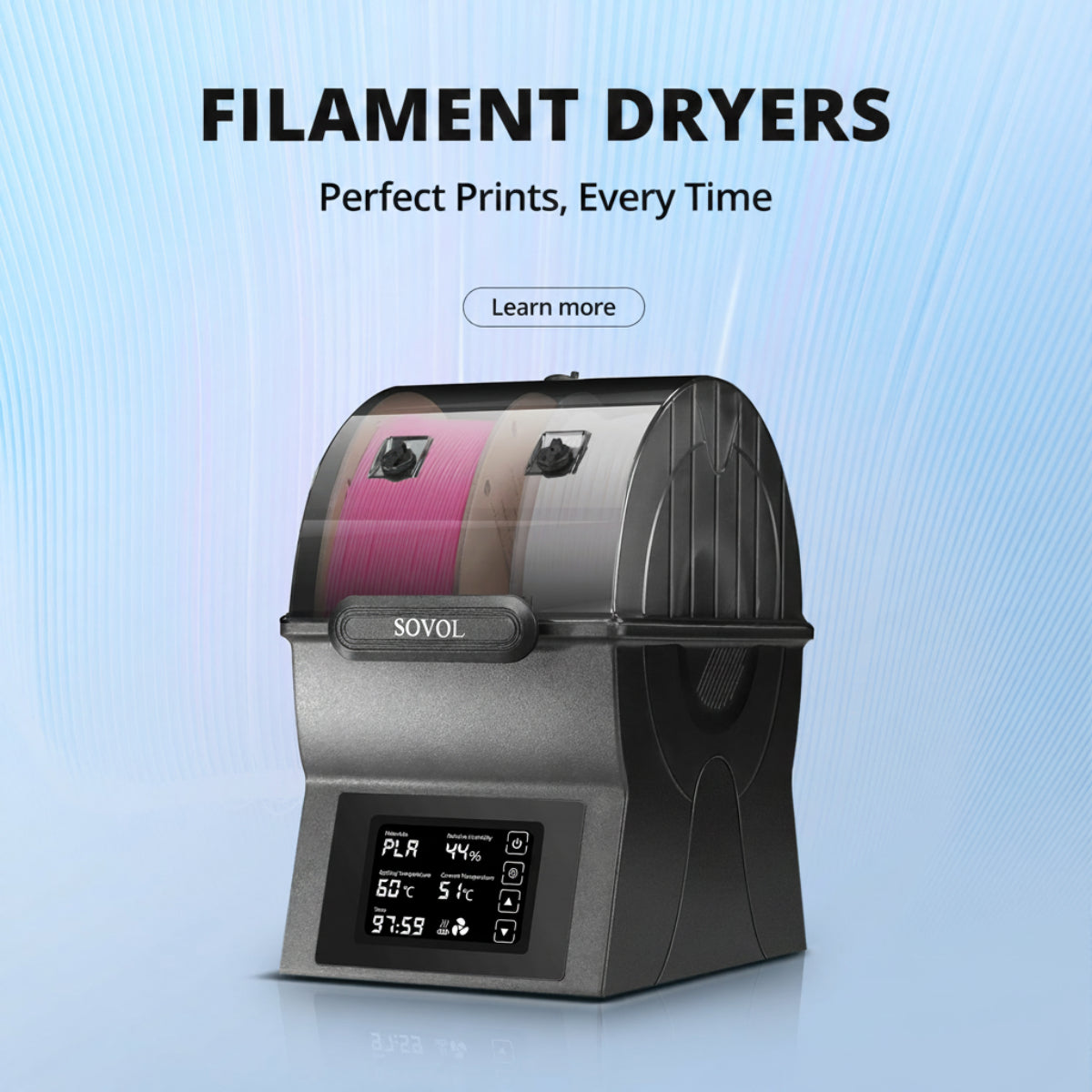
Storing filament the right way is very important for good prints. You can use airtight boxes with silica gel, vacuum bags, or filament dryer boxes to keep water away.
Put unused filament back in its package. Use ziplock bags with silica gel for open spools. Keep filament away from wet places. Dry filament helps the nozzle work better and makes the first layer stick.
Calibration Best Practices
Calibration helps your printer work its best. Focus on these steps:
- E-steps calibration makes sure the printer uses the right amount of filament.
- Flow rate adjustment helps you get the right wall thickness.
- Temperature calibration finds the best nozzle heat for your filament.
- PID tuning keeps the nozzle heat steady.
- Regular cleaning, tightening, and oiling help prints stay good.
Level the bed and set the Z-offset for a good first layer. Always check the nozzle before printing. Good calibration helps the first layer stick and stops problems. You will have fewer leveling issues and better first layers.
If you follow these steps, you can stop extrusion problems and enjoy printing that works well.
You can fix most extrusion problems by checking the nozzle, cleaning the nozzle, and storing filament properly. Regular maintenance keeps the nozzle clear and prevents clogs. Adjust the nozzle temperature and calibrate the nozzle for each filament type. Clean the nozzle after every few prints. Tighten belts and rods to keep the nozzle moving smoothly. Set the nozzle height for a good first layer. Change the nozzle if you see wear. Use dry filament to stop nozzle jams. Test the nozzle flow rate and adjust print speed. Follow these steps for reliable prints and fewer nozzle issues.
FAQ
Why does my 3D printer click but not extrude?
You hear clicking when the extruder motor skips steps. This happens if the nozzle is clogged, the filament is tangled, or the temperature is too low. Check the nozzle, filament path, and temperature settings to fix this problem.
How often should I clean my 3D printer nozzle?
You should clean the nozzle every few prints or when you see under-extrusion. Use a cleaning needle or cold pull method. Regular cleaning keeps your prints smooth and prevents clogs.
What should I do if filament keeps getting stuck?
Check for tangles or knots on the spool. Make sure the filament path is clear. Store filament in a dry box with silica gel. Replace old or brittle filament to avoid jams.
Can moisture in filament cause extrusion problems?
Yes, moisture makes filament swell and bubble. This leads to clogs and poor print quality. Store filament in airtight containers with desiccant packs to keep it dry.
How do I know if my extruder gear needs adjustment?
Look for these signs:
- Filament dust near the gear
- Uneven extrusion
- Clicking noises
Adjust the tension so the gear grips the filament firmly but does not crush it.